











Sourcing Poultry Equipment Manufacturers in China: Buyer Guide
Sourcing poultry equipment from a Chinese manufacturer means controlling four variables di…


Check out our latest news,
 13:51
13:51 Manual work slows a growing poultry farm. Feed waste rises. Bird health becomes harder to control. When the farm expands, small daily problems become costly. The solution is not one machine, but a planned automation system built around the real production goal.
Poultry farm automation uses feeding, drinking, ventilation, climate control, cage, egg collection, and manure removal systems to automate daily farm work. For modern farms, automated poultry farm equipment can reduce labor costs, enhance efficiency, improve farm management, and support stable poultry production for broiler, layer, breeder, rabbit, and other livestock and poultry projects.
Poultry farm automation means using machines, control systems, and planned equipment layout to automate repeated work inside a farm. It does not mean replacing people completely. It means giving poultry farmers better tools so they can manage more birds with fewer mistakes.
In a modern poultry farm, automation may include automated feeding, nipple drinking, ventilation, climate control, egg collection, manure removal, lighting, and smart monitoring. These systems work together to support bird health and productivity. A farm can start with simple automation, then upgrade step by step.
As a professional manufacturer and engineering supplier of turnkey poultry and rabbit farming systems, we look at automation from the whole project view. A good system must connect steel-structure houses, poultry cages, feeding, drinking, environmental control, and manure treatment. Your official product structure also presents broiler, layer, poultry house, rabbit, breeder, and farm support systems as connected production solutions.
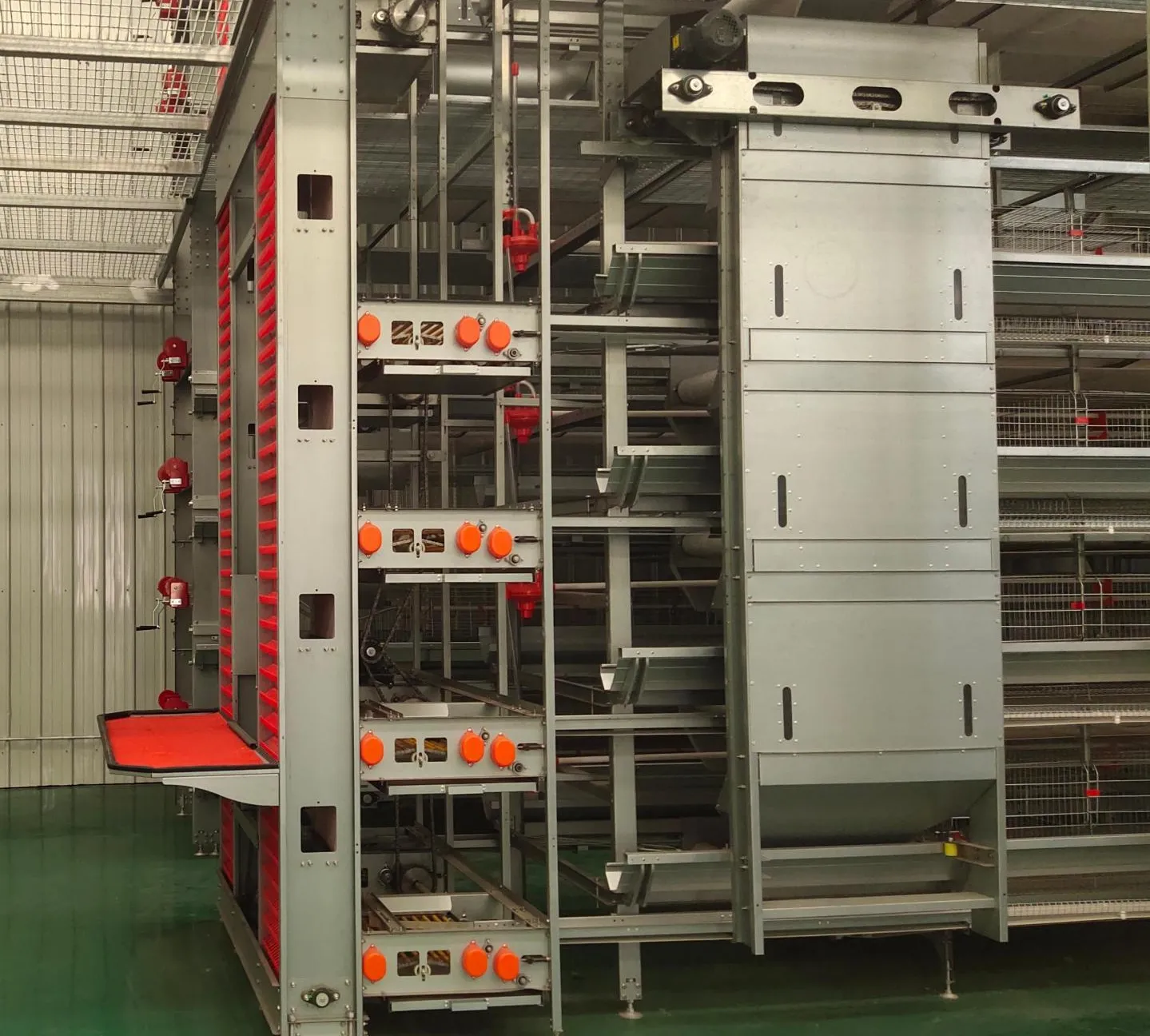
A small chicken farm may run with manual labor. A large or medium-scale farm cannot depend on hand work alone. Workers may feed at different times. Water pressure may change. The house may become too hot, too humid, or poorly ventilated. These problems affect health and production.
Automated poultry farm equipment helps standardize daily work. It can automate feed delivery, water supply, air movement, manure cleaning, and egg handling. This is why many agricultural investors and integrated poultry companies now compare automation systems before they build.
A simple way to understand it is this: automation turns daily farm work into a repeatable process. That process helps reduce labor costs, improve production efficiency, and support better decision-making. It also makes the farm easier to train, inspect, and expand.
Not every farm needs full automation on the first day. The best choice depends on bird type, house size, labor level, budget, and market target. A layer farm may first invest in a layer cage, automatic egg collection system, and manure removal. A broiler farm may start with feeding, drinking, ventilation, and broiler cage or broiler flat-feeding equipment.
Here is a simple planning table:
| Farm Area | Common Automated Equipment | Main Value |
| Feeding | Automatic feeding systems, feeder, silo, feed line | Stable feed intake and less manual labor |
| Drinking | Drinking water system, pressure regulator, nipple line | Cleaner water supply and easier management |
| Housing | Cage system, battery cage, broiler cage, layer cage | Space use, inspection, and flock control |
| Environment | Ventilation system, climate control, environmental controller | Better temperature, humidity, and air quality |
| Waste | Manure removal systems, automated manure cleaning systems | Cleaner poultry houses and better waste management |
| Eggs | Egg collection, egg conveyor | Less handling and improved egg production workflow |
For buyers comparing poultry farm equipment, it is better to choose the system by production goal instead of buying machines one by one.
A feeding system is one of the first places where automation creates value. Birds need regular feeding. If feed is uneven, some birds grow faster while others fall behind. In a broiler farm, this affects body uniformity. In a layer farm, it affects egg production and flock condition.
Automated feeding systems move feed through lines and distribute it to trays or troughs according to the house design. The goal is not only speed. The goal is consistency. When feed delivery is more stable, the farm can better manage feed intake and daily performance.
For large and medium-scale farm owners, automatic feeding systems also reduce the pressure of labor scheduling. Workers can focus on inspection, health checks, and farm management instead of carrying feed manually. This is where automated equipment begins to enhance efficiency in a practical way.
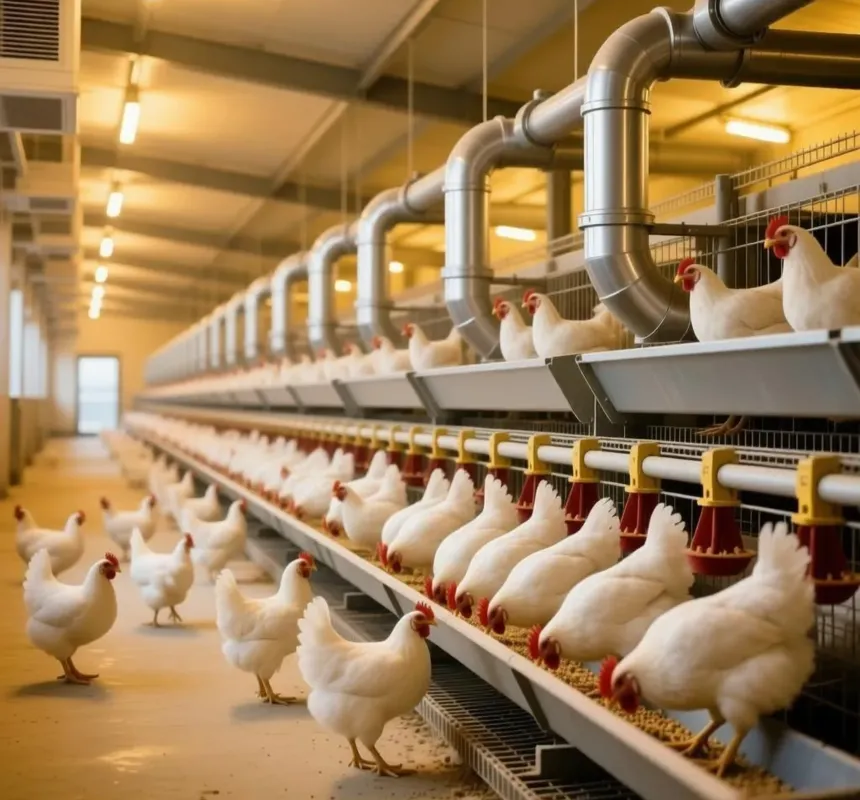
Ventilation is one of the most important systems in modern poultry farming. Birds live close together, so air quality changes quickly. Heat, moisture, dust, and ammonia can build up inside poultry houses if airflow is not planned well.
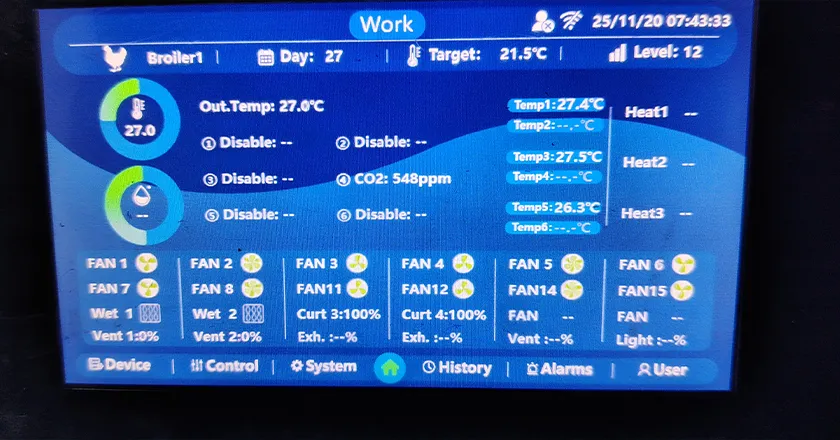
A ventilation system works with climate control to help manage temperature, humidity, and fresh air. In hot areas, cooling equipment may be needed. In colder seasons or regions, heating equipment may support stable indoor conditions. A proper environmental control system helps the farm respond to the real house environment, not just outside weather.
This matters for health and production. FAO notes that weaknesses in production-site biosecurity and disease diagnosis can increase animal health risks, especially when disease threats become established. That is why ventilation, cleaning, and farm access control should be planned together.
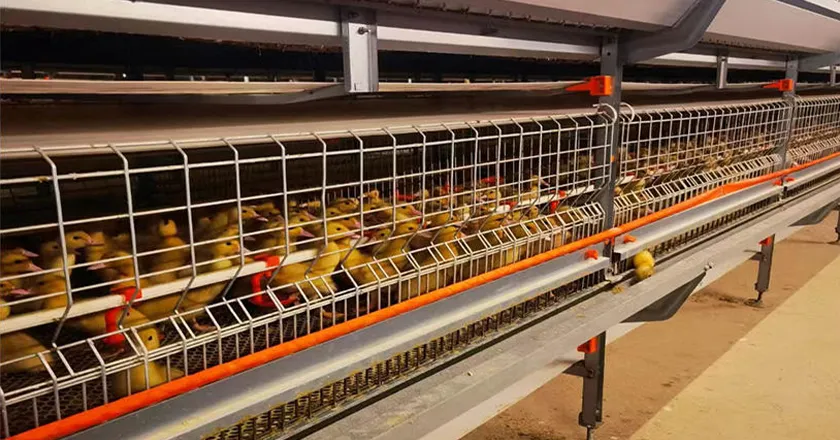
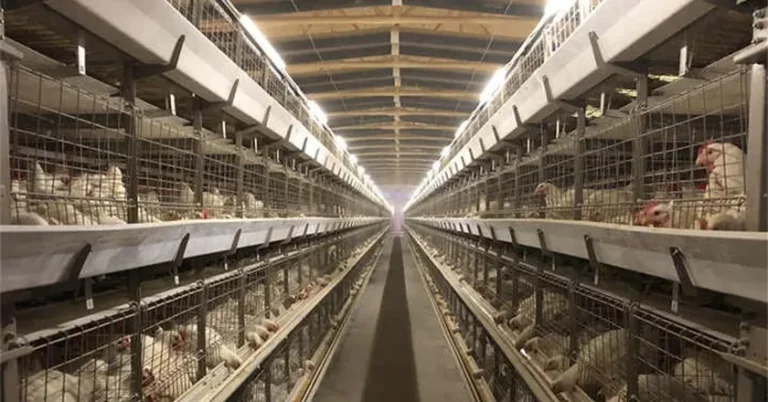
A cage is not just a place where birds stay. In an automated poultry farm, the cage layout affects feeding, drinking, manure removal, egg collection, inspection, airflow, and worker movement. A good cage system makes daily work easier to manage.
For layer farms, a layer cage or battery cage can work with automatic feeding, drinking, manure removal, and egg collection.
For broiler farms, a broiler cage or broiler floor system should match bird growth, house size, ventilation, and manure handling. Buyers planning meat production can learn more from your page, which connects broiler housing, cages or floor rearing, feeding, drinking, ventilation, heating, and manure removal.
Yes, if the system is designed properly. The point of automation is not to remove care from the farm. The point is to make care more consistent. Workers still need to inspect birds, check equipment, respond to alarms, and manage health records.
Good automation solutions can reduce labor costs by cutting repeated manual jobs. Feeding, water checks, manure cleaning, and egg transport become easier. At the same time, animal welfare depends on good space planning, clean water, airflow, lighting, and regular inspection.
WOAH’s broiler welfare guidance highlights that people responsible for broilers should have proper training and knowledge of behavior, handling, biosecurity, signs of disease, and animal welfare indicators. This supports an important point: technology works best when workers are trained. A fully automated system still needs skilled people.
Manure management affects air quality, odor, hygiene, worker comfort, and disease prevention. In a manual system, manure may stay too long under birds. That can increase ammonia and make the house harder to manage.
Automated manure removal helps move waste out of the bird area more regularly. For layer and broiler cage systems, manure belts or scrapers can support cleaner houses. In larger farms, automated manure and manure treatment equipment can also connect with broader waste management plans.
For investors, manure removal systems should be considered during house design, not after construction. The layout, belt direction, cleaning access, and discharge point all matter. Poor planning can make a good machine difficult to use. Good planning makes cleaning part of the daily production rhythm.
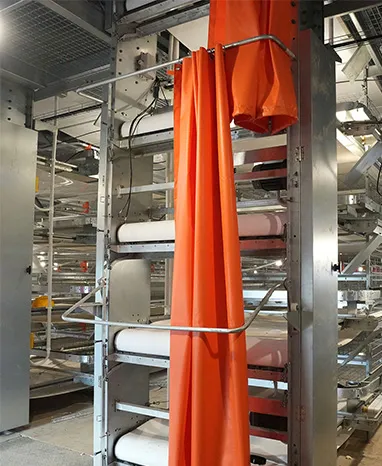
Egg collection is a key process in layer farms. When workers collect eggs by hand, the process can be slow and inconsistent. More handling can also increase the risk of dirty or damaged eggs.
An automatic egg collection system moves eggs from the cage rows to a collection point. This improves workflow and helps the farm manage larger flocks with less pressure. It also makes the egg production process easier to monitor.
For a poultry farm that plans to scale, egg collection should be considered together with the layer cage, feeding system, drinking water system, lighting system, and manure removal. These parts are connected. If one part is weak, the whole farm feels it.
A broiler farm focuses on poultry meat, growth speed, feed conversion, house environment, and bird uniformity. Its automation should support feeding, drinking, ventilation, climate control, manure handling, and sometimes automatic chicken release or harvesting systems.
A layer farm focuses on long-cycle bird management and stable egg output. It usually needs a cage system, automatic feeding, layer drinking system, egg collection, manure removal, and lighting programs. For some markets, animal welfare design may also become important.
A breeder farm has different goals. Breeding equipment must support parent stock management, mating behavior, egg handling, and flock health. This is why no single automation plan fits every farm. A good poultry equipment manufacturer should first ask about your birds, climate, house layout, production target, and budget.
When buyers search for poultry farming equipment for sale, many pages look similar. But a serious project needs more than a product list. It needs engineering support, layout thinking, installation planning, and after-sales service.
Choose a poultry equipment manufacturer that can discuss the full system: steel-structure houses, cages, feeding, drinking, ventilation, climate control, manure treatment, and farm expansion. Your official website positions the company as a poultry equipment manufacturer and system supplier for turnkey poultry farming systems, with product categories that include layer, broiler, duck, rabbit, and support systems.
A buyer should ask these questions before placing an order:
For a complete project, buyers can start from your turnkey poultry farm solution or contact the team through your poultry equipment manufacturer homepage.
Planning a new farm is the best time to make smart decisions. Once the house is built, changing the layout becomes expensive. Before buying automation equipment, investors should confirm the land, climate, water, power, road access, bird type, target market, and project budget.
Also check the initial investment carefully. Fully automatic systems may cost more at the beginning, but they can support lower labor pressure, more stable production, and easier expansion. The cheapest system is not always the best system. The right system is the one that fits the farm plan.
For smart farming projects, we recommend thinking in phases. Start with the systems that solve the biggest pain points first. Then expand automation when the farm team is ready. This practical method helps optimize poultry farming without overloading the project at the start.
Many farm projects fail not because the equipment is bad, but because the system does not match the farm. A feeding line may be too short. A fan layout may not match house size. A cage row may block worker access. A manure outlet may be placed in the wrong direction.
Another common mistake is buying automated systems without training. Automation works only when operators understand daily checks, maintenance, alarms, and backup plans. Good training protects the investment.
The third mistake is ignoring future expansion. If the farm may double in size later, the house layout, power supply, feed storage, and manure route should allow future growth. Complete poultry automation should make the farm easier to scale, not harder.
Most farms begin with feeding, drinking, ventilation, or manure removal. The best starting point depends on the biggest labor or management problem in the farm.
Not always. A fully automatic poultry farm is best for investors with clear production targets, stable power, trained workers, and enough budget. Smaller farms may begin with partial automation.
Yes, when it is planned well. Stable feeding, clean water, good ventilation, climate control, and regular manure removal can support bird health and productivity.
Layer automation focuses on egg collection, long-term cage management, feeding, drinking, and manure cleaning. Broiler automation focuses on growth, feeding, drinking, ventilation, poultry meat production, and sometimes automatic harvesting.
No. It reduces repeated manual labor, but workers still inspect birds, manage equipment, record data, and handle health issues.
Choose based on bird type, farm size, welfare requirements, budget, climate, and market target. A broiler farm may use cage or floor systems, while a layer farm often uses layer cage systems for efficient egg production.
Sourcing poultry equipment from a Chinese manufacturer means controlling four variables di…
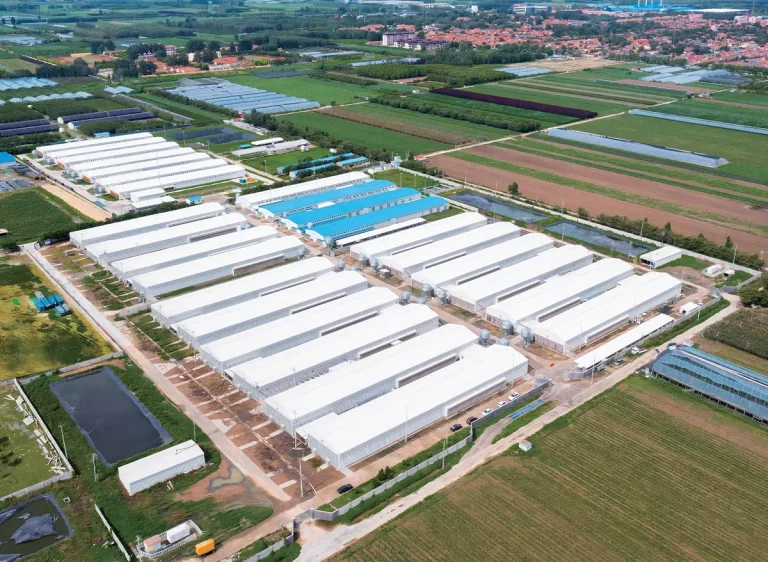
A steel structure poultry house is a prefabricated steel building designed for layer, broi…
We will reply to your inquiry within 24 hours.For urgent inquiries, please contact us via WhatsApp: +86 133 6144 9578 or call us directly.
*We respect your privacy. All information submitted is strictly confidential.
Your details will only be used to respond to your inquiry. We never send unsolicited emails or promotional messages.