











Sourcing Poultry Equipment Manufacturers in China: Buyer Guide
Sourcing poultry equipment from a Chinese manufacturer means controlling four variables di…

اطّلع على آخر أخبارنا,
 09:57
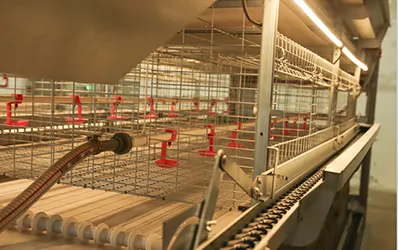
09:57 A قفص حضانة ذو طبقات يعمل بشكل أوتوماتيكي بالكامل وهو نظام تربية متعدد المستويات مصمم للصيصان بدءًا من اليوم الأول وحتى نقلها، ويتميز بتغذية آلية وتزويد بالماء وإزالة الروث والتحكم في المناخ، وهو مصمم خصيصًا للطيور التي يقل وزنها عن 1.3 كجم. ويتم تحديده بشكل منفصل عن أقفاص الإنتاج نظرًا لاختلاف ارتفاع مغذيات العلف ومسافة الشبكة وأحمال التدفئة.
تُدرج معظم كتالوجات المعدات قفص الحضانة كبند منفصل ضمن مجموعة معدات الدجاج البياض. وهذا التصنيف يكلف مالاً لاحقًا. فالدجاجة الصغيرة التي تصل إلى حظيرة الإنتاج بوزن أقل من الوزن المستهدف بمقدار 100 غرام، أو التي تأتي من قطيع يبلغ معامل تباين وزن الجسم فيه أكثر من 10%، لا تستعيد استمرارية وضع البيض التي فقدتها، ولا يمكن لأي قدر من أتمتة حظيرة الإنتاج أن يعالج هذه المشكلة.
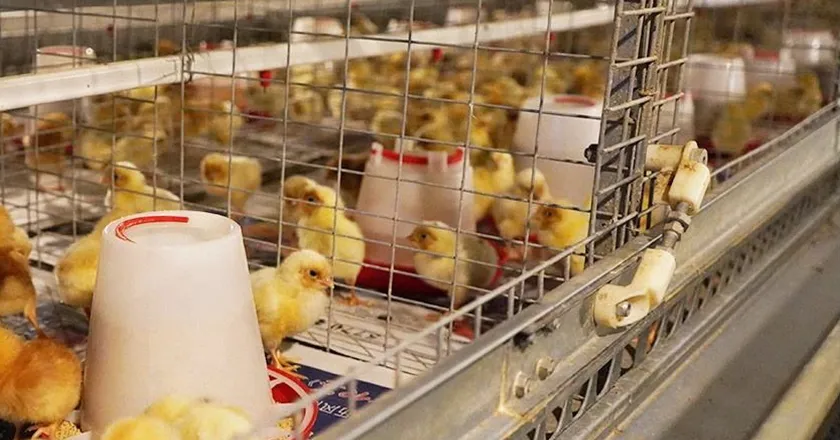
يتشابه النظامان في ملامحهما العامة، ولا يجمعهما أي شيء تقريبًا من حيث أبعاد عملهما.
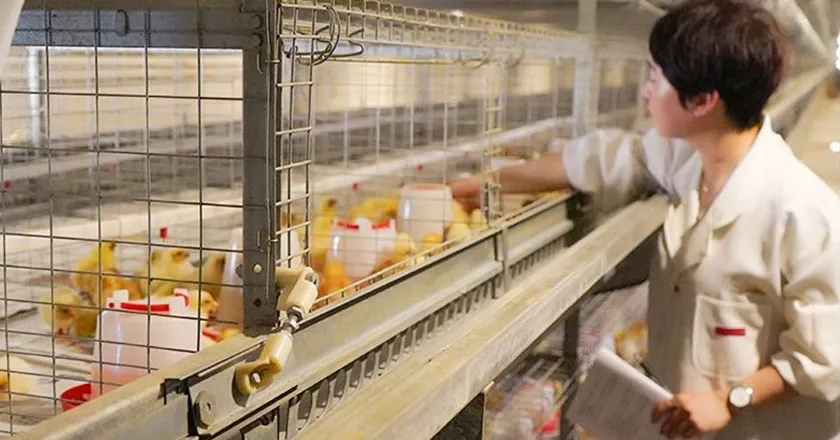
يزن الفرخ الذي يبلغ من العمر يومًا واحدًا ما بين 35 و40 جرامًا تقريبًا، ولا يستطيع الوصول إلى حوض الطعام المصمم لدجاجة تزن 1.8 كجم. فهو يسقط من خلال فتحات الشبكة التي تتحمل وزن طائر بالغ بأمان. ولا يستطيع الفرخ تنظيم درجة حرارة جسمه بنفسه خلال الأسبوعين الأولين، مما يجعل مشكلة التدفئة في حظيرة التفريخ أولوية قبل مشكلة التهوية. وبحلول الأسبوع السادس عشر، تحتاج نفس الدجاجة إلى الوصول إلى العلياء ومغذي العلف بشكل قريب مما ستجده في حظيرة الإنتاج، وإلا فإن عملية النقل ستصبح اضطرابًا في التغذية بالإضافة إلى إجهاد النقل.
هذا هو موجز التصميم الخاص بقفص التربية: قفص واحد يناسب طائرًا يزداد وزنه حوالي 35 ضعفًا خلال الفترة التي يقضيها في القفص.
ويعالج المصنعون هذه المشكلة من خلال توفير أحواض تغذية قابلة لتعديل الارتفاع، وشبكات حماية قابلة للإزالة لحماية الصيصان، أو لوحات أرضية إضافية تُستخدم خلال الأسابيع الأولى، بالإضافة إلى خطوط الشرب المثبتة على ركائز قابلة للتعديل.
| أبعاد التصميم | مرحلة التربية / الحضانة | مرحلة الإنتاج |
| وزن الدجاج عند التقديم | حوالي 35 غرامًا عند الإيداع إلى 1.2–1.5 كجم عند النقل | 1.6–2.0 كجم، ثابت |
| شبكة أرضية | تباعد دقيق بين الصفوف بالإضافة إلى حصيرة أو حشوة للكتاكيت خلال الأسابيع 0–2 | أرضية مائلة على شكل لفافة البيض، شبكية للبالغين |
| ارتفاع حوض العلف | قابل للتعديل طوال الدورة | ثابت عند ارتفاع طائر واحد |
| خط الشرب | خط حلمة قابل لتعديل الارتفاع، وتدفق منخفض عند التركيب | خط حلمات ذات ارتفاع ثابت |
| الحمل المناخي الأساسي | تدفئة إضافية، 33–35 درجة مئوية عند مستوى الكتاكيت في الأسبوع الأول | التخلص من الحرارة وسرعة الهواء |
| التعامل مع البيض | لا شيء | مجموعة الأحزمة، ناقل البيض المركزي |
| معدل الإشغال | حوالي 16–18 أسبوعًا لكل دفعة | ~60–80 أسبوعًا لكل دفعة |
تُعد أوزان الدجاج ودرجات حرارة الحضانة الموضحة هنا مراجع تخطيطية عامة مستمدة من أدلة إدارة سلالات الدجاج البياض التجارية. يرجى التحقق منها بالرجوع إلى دليل الإدارة الخاص بالسلالة التي تستخدمها، لأن الأهداف تختلف بين سلالات «هاي-لاين» و«لومان» و«آي إس إيه»، كما يتم تحديثها بشكل دوري.
تعد الكثافة هي المجال الذي تسبب فيه عمليات الترويج غير المجهزة بشكل كافٍ معظم الأضرار، وهي أيضًا المعيار الذي غالبًا ما تغفله صفحات المنافسين.
هناك خطأان يتكرران. الأول هو تخطيط الكثافة بناءً على العدد النهائي للطيور بدلاً من العدد عند وضعها، مما يتجاهل حقيقة أن نفس الطبقة من الأقفاص يجب أن تستوعب الكتاكيت في الأسبوع الأول والدجاجات شبه الناضجة في الأسبوع السادس عشر. والثاني هو التخطيط بناءً على مساحة الأرضية وحدها مع تجاهل المساحة الخطية للمغذيات لكل طائر، وهو القيد الذي يحقق التوحيد فعليًّا.
قم بإجراء الحساب بالترتيب التالي:
يشمل هذا المصطلح نطاقات مختلفة تختلف من مورد لآخر. على الأقل، اسأل عن أي من البنود التالية مشمولة في السعر المعروض وأيها يتم احتسابها بشكل منفصل:
Compared with general-purpose cage systems sold as an accessory to a layer range, a purpose-built rearing system is judged mainly on the adjustability of feed and water height and on the control curve for heating during the first fortnight. Those two items separate systems that look similar in a catalogue photograph.
FAO poultry production guidance identifies early-stage brooding management as a principal determinant of subsequent flock performance in commercial systems. Source currency should be verified before this reference is republished.
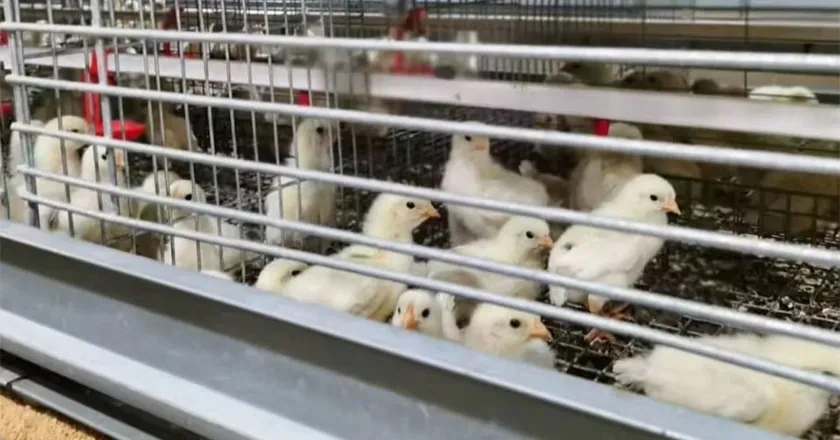
Transfer usually falls between weeks 15 and 17 for commercial layers, and the equipment on both ends constrains the window.
Transfer too early and pullets enter the production cage before they can reach a fixed-height trough, which produces a feed-intake dip during the exact period when body weight should be climbing towards onset of lay. Transfer too late and birds may come into lay in the rearing cage, where there is no egg collection and eggs are lost or broken on the mesh.
Three equipment facts determine your real window:
An edge case worth planning for: farms running continuous placement with a single rearing house. If your rearing cycle is 17 weeks and your cleaning and downtime is two weeks, one rearing house cannot serve a production house on a rolling schedule without either a second rearing house or accepting a gap in production placement. Check this before ordering, not after.
The site lists this product as a cascade rearing system for raising layer chicks in cages with a corrosion-resistant structure. Detailed dimensional parameters are not published. Rather than substituting figures from a different product line or from another manufacturer, here is what is confirmed and what a buyer must request.
| المعلمة | Status | الملاحظات |
| نوع النظام | Published | Cascade (stepped) rearing system for layer chicks |
| Structure and corrosion protection | Published | Corrosion-resistant structure; company product line uses hot-dip galvanized and aluminized-zinc materials, with aluminized-zinc stated at 3–4× the corrosion resistance of ordinary hot-dip galvanized wire and validated by 500+ hour salt-spray testing |
| الشهادة | Published | Company-level ISO 9001:2015, CE and SGS. No model-specific certificate number is published |
The production-cage column is included for one reason: house planning. If the rearing and production houses sit on the same site, the aisle width and column spacing of the production system usually set the site layout, and the rearing house is fitted around it.
Send this as a written list rather than asking for a general quotation. It shortens the quotation cycle and makes competing offers comparable.
Mugong pricing is quote-based and project-specific. No published price range exists for the rearing system, so any figure for brooding equipment must come from a quotation rather than from a catalogue.
What can be published are market-reference ranges for layer production equipment, which help a buyer self-qualify before enquiring:
| Project Type | Estimated Cost | الملاحظات |
| Automatic layer battery cage, equipment only | ~US$15–25 per bird capacity | Industry norm for H-type and A-type systems, per Vpoultryfarmequipment |
| 10,000-bird layer cage project, equipment | ~$18,000–32,000 دولار أمريكي | Varies by automation depth and steel specification, per Poultryfarmbusinessplan |
| 20,000-layer fully automatic system | ~$35,000–120,000 دولار أمريكي | Varies by automation configuration level, per Tpoultryfarmequipment |
| Full turnkey (cage, house and site works) | Quote only | Building, ventilation and site preparation add large variable cost |
Two cautions on reading those numbers. Per-bird figures and total equipment figures are not interchangeable, and a per-bird figure quoted with housing included is a different number from one quoting cage equipment alone. The ranges above are for production cages; rearing equipment for the same flock is an additional line, not a share of the same budget.
Cost drivers to raise in the quotation conversation: bird capacity and tier count, manual versus semi-automatic versus fully automatic specification, galvanized versus aluminized-zinc structure, depth of climate control, whether a steel-structure house is included, destination country freight and certification, and turnkey scope.
A: Physically the birds will fit from around week 8, but not before. The binding problems are trough height, mesh spacing and the absence of supplemental heating in a production house. Some operators run a modified production cage as a grower cage from week 7 to transfer, with a separate week 0–6 brooding system. That two-stage approach adds one handling event, which is a trade-off against the capital saved.
A: Tier count follows density and inspection access, not the other way round. Higher tier counts reduce house footprint per bird but make top-tier inspection and manual culling slower, and staff who cannot easily see the top tier will not check it as often. Request the supplier’s stated density per tier and calculate house length both ways before deciding.
A: Commonly 16–17 weeks to transfer, plus cleaning and downtime between batches. That total determines whether one rearing house can serve one production house continuously. Work the schedule out on a calendar before sizing the rearing house.
A: Dimensional parameters for the rearing system are not published. Send the specification request list above with your enquiry and the engineering team will return the figures for the tier configuration you are considering.
A: It does not, but sourcing both from one supplier makes house layout, aisle width and control-system integration a single design problem rather than a negotiation between two vendors. If you split the order, ask each supplier for a written compatibility statement covering aisle width, house internal width and controller protocol.
Sourcing poultry equipment from a Chinese manufacturer means controlling four variables di…
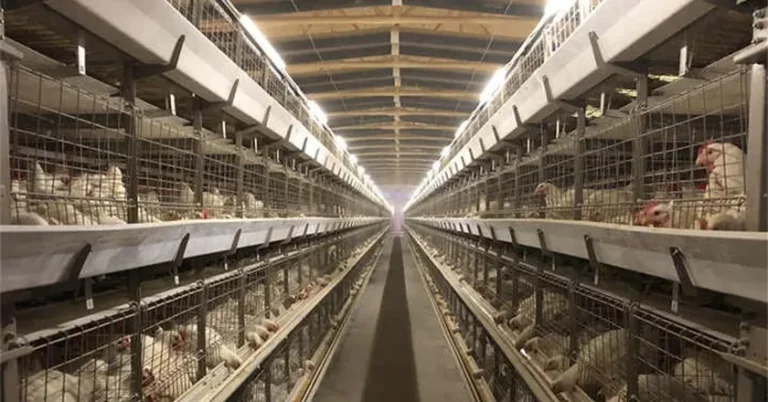
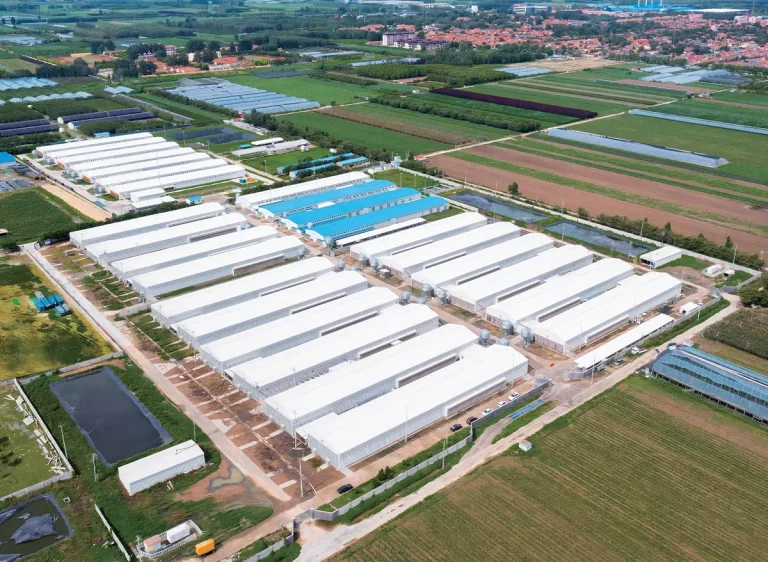
A steel structure poultry house is a prefabricated steel building designed for layer, broi…
سنرد على استفسارك في غضون 24 ساعة. للاستفسارات العاجلة، يرجى الاتصال بنا عبر WhatsApp: +86 133 6144 9578 أو الاتصال بنا مباشرة.
*نحن نحترم خصوصيتك. جميع المعلومات المقدمة سرية للغاية.
سيتم استخدام بياناتك فقط للرد على استفسارك. نحن لا نرسل أبدًا رسائل بريد إلكتروني أو رسائل ترويجية غير مرغوب فيها.