











Which Type of Poultry House Is Most Economical? Housing Options for Chicken, Broiler, and Layer Chicken Farms
Choosing the wrong housing can quietly drain profit. A cheap building may raise losses thr…

 16:47
16:47 When feed is stored badly, farms pay twice. First with waste, moisture damage, and uneven supply. Then again with poor flock performance and extra labor. The solution is simple: use the right silo, the right bin design, and the right feed-handling layout for safe, steady storage.
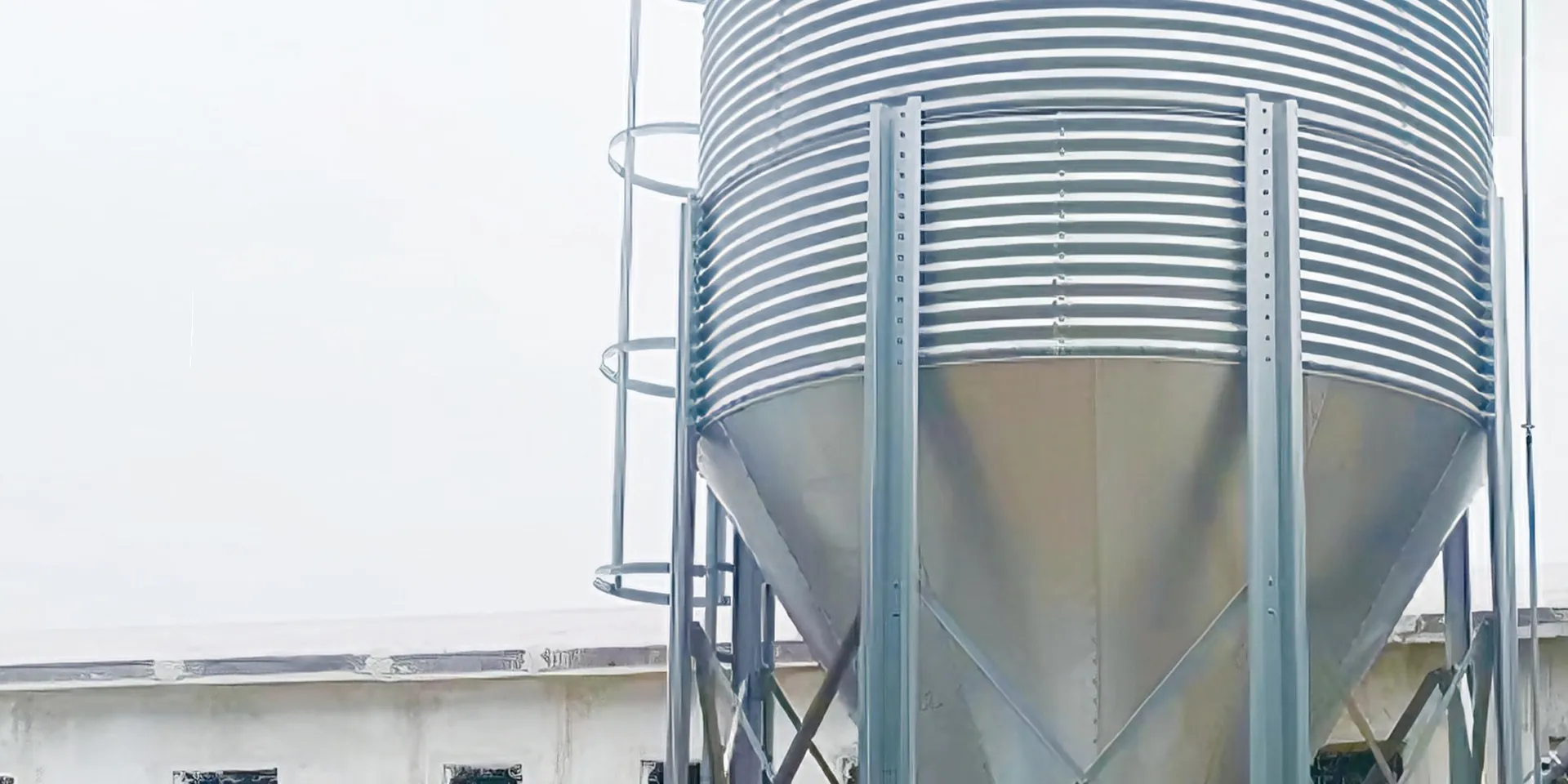
A feed silo is a bulk storage structure used to store dry feed ingredients or finished feed near animal houses or feed systems. In agriculture, silos are used to hold bulk materials such as grain, feed meal, and in some cases fermented silage, while grain bins are commonly used for dry grain storage. The right system helps farms protect feed quality, improve handling, and maintain a more stable supply.
1. What Is a Silo and What Is It Used to Store?
2. What Is the Difference Between a Feed Silo, a Grain Silo, and Grain Bins?
3. Why Are Feed Storage Silos Important on a Modern Farm?
4. What Materials and Structures Are Common in Storage Silos?
5. How Do Capacity, Shape, and Bottom Design Affect Silo Performance?
6. How Do Grain, Feed, and Forage Move In and Out of a Silo?
7. What Problems Can Damage Stored Materials Inside a Silo?
8. How Can Farms Improve Safety, Durability, and Feed Quality?
9. What Should Buyers Check Before Installation of a Feed Silo?
10. How Do Feed Storage Silos Support Poultry and Livestock Projects?
A silo is a storage structure designed to store bulk materials in one place. In agriculture, a silo is typically built to hold grain, feed, or fermented crops, depending on the application. Oregon State University defines a silo as a structure for storing bulk materials and notes that agricultural silos are widely used for grain or fermented feed known as silage.
That simple definition matters because many buyers use the word silo for several different systems. On one farm, a silo may hold dry corn, wheat, or soybean. On another site, the same word may refer to a feed tank used to store finished mash or pellet feed outside a poultry or rabbit house. In forage systems, a silo may hold silage that depends on controlled fermentation rather than dry storage.
So, when someone asks, “What is a feed silo?” the practical answer is this: it is a bulk storage facility used to store feed safely, move it efficiently, and make sure the feed remains available when the house, line, or conveyor needs it.
This is where many people get confused. A feed silo usually refers to a bulk container for finished feed or feed ingredients used in livestock and poultry operations. A grain silo may refer more broadly to a structure used to store grain, while grain bins are commonly associated with dry grain storage systems built to keep corn, wheat, soybean, or barley cool and dry.
The difference also shows up in function. Extension and agricultural sources note that dry grain storage depends heavily on temperature control, aeration, and moisture management, while traditional silos can also be used for silage, where the goal is preservation through anaerobic fermentation. That is why one structure may protect dry stored materials, while another supports forage preservation for livestock.
In daily farm language, many buyers still use “bin” and “silo” almost interchangeably. But from an engineering and operational view, it is smarter to ask what the structure must store, how it will unload, and whether the material is dry grain, bulk animal feed, meal, pellet, powder, or forage.
Modern farms need a stable supply of feed. That is one of the main reasons feed storage silos matter. A good feed silo helps a farm reduce manual handling, protect feed from weather, and keep material ready for automatic transfer into the house or line.
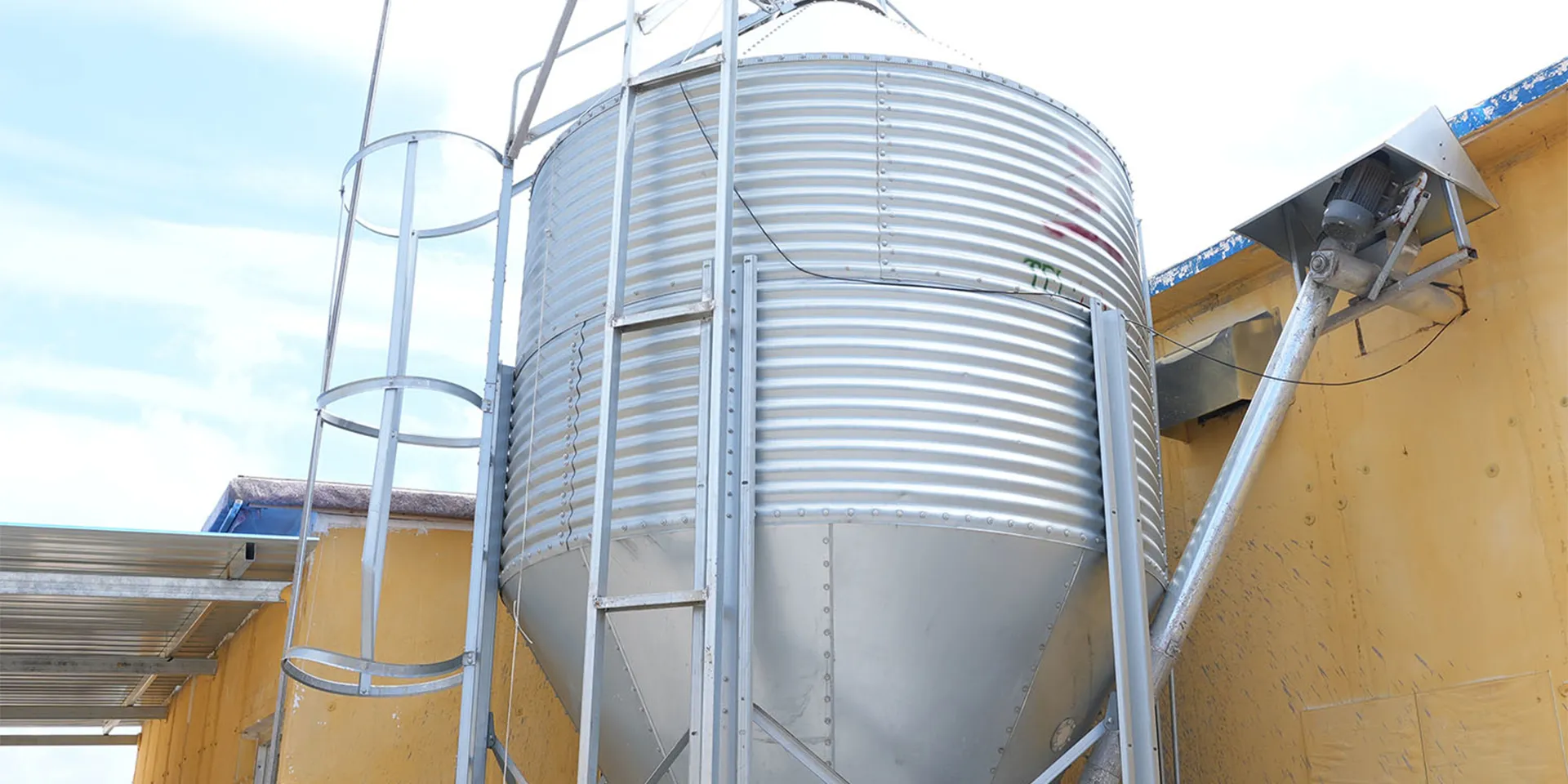
On poultry and rabbit projects, we usually look at the silo as part of the whole feeding process, not as a single tank standing alone. It connects with the conveyor, feed auger, delivery line, and house equipment. If the silo is undersized, feed delivery becomes frequent and inefficient. If it is oversized without proper planning, it can increase cost or make stock rotation slower.
A well-designed silo system also supports cleaner feed handling. That matters because poor storage can expose feed to moisture, outside contamination, and pest activity. In dry grain storage, universities consistently note that good storage management protects quality by controlling moisture, insects, and temperature. The same principle applies to bulk feed on livestock projects.
Most modern storage silos are made from galvanized steel or other corrosion-resistant materials because farms need strength, weather resistance, and long service life. FAO notes that bulk storage silos for cereals and other products are commonly built from robust steel with heavy galvanization for outdoor use.
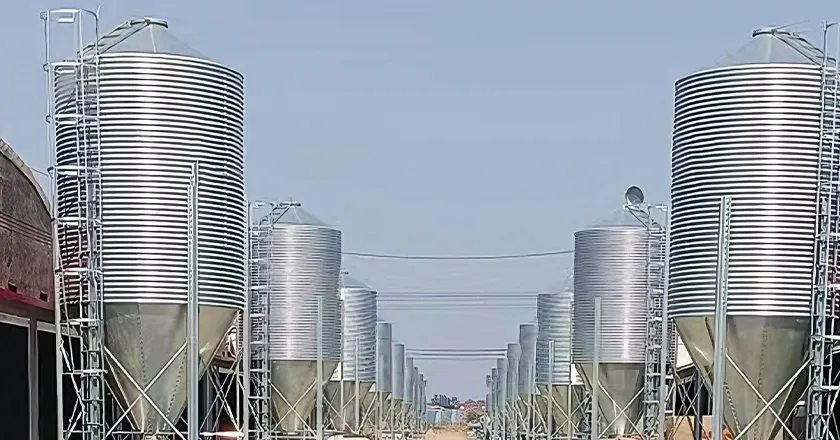
In form, the typical dry bulk silo is cylindrical, with a roof, wall rings, and a discharge outlet at the bottom. In feed projects, the common forms are hopper-bottom tanks and similar external silos. In broad agriculture, you may also see tower silos, bunker silos, bag silos, and piles, especially where forage or silage handling is involved. Oregon State highlights tower, bunker, and bag silos as widespread silo types.
This is also where buyers must separate a feed silo from a cement silo or industrial powder tank. The core idea is similar, but the design details change based on particle size, flow rate, material density, and how the product must discharge.
نظام صومعة الأعلاف
The right capacity depends on how much feed or grain the site uses, how often deliveries come, and how much reserve stock the owner wants on hand. A farm with frequent truck access may use a smaller bin. A remote site or a large integrated project may need larger storage silos to reduce supply risk.
Shape matters too. Taller silos save footprint, while wider ones may be easier to integrate in some yards. A conical or hopper-bottom design usually supports smoother discharge by using gravity to move material toward the outlet. A flat bottom design can work well for large grain bins, but it often needs other unloading arrangements. FAO’s indoor grain silo examples specifically note that a conical bottom helps complete emptying and stock rotation.
For feed projects, bottom design directly affects daily use. A hopper bottom or cone shape helps the bottom of the silo empty more fully and reduces leftover material. That can lower the risk of old feed staying behind too long and help prevent blockage when feed must move quickly into the delivery line.
Bulk storage is not just about holding material. It is about moving it well. Most silos are filled during loading from trucks, augers, blowers, or other transfer systems. Then the material moves out through an outlet where a conveyor, auger, elevator, or chute system carries it onward.
Dry grain facilities often use grain elevators, drag conveyors, and bin unload systems. Feed sites may rely on a feed auger, flexible spiral line, or a gravity-fed transfer point. The exact method depends on the size of the farm, the feed format, and the distance between the silo and the house.
The ideal design creates steady flow. If the outlet is too small, the wall angle is poor, or the material bridges, the system may not unload well. That leads to slow feeding, hand labor, or the need for a vibrator or other flow aid. In feed handling, smooth discharge is just as important as nominal storage volume.
The biggest enemies of stored feed and grain are moisture, insects, spoilage, and safety failures. University extension sources on stored grain repeatedly point to the same risks: moisture migration, mold, insect activity, and uneven temperature. Aeration helps keep grain cool and uniform and reduces mold development and insect activity.
A second issue is contamination. If the roof leaks, the seams fail, or the fill and outlet areas are poorly protected, moisture can contaminate the feed. That increases the chance of caking, reduced flow, and quality loss. In feed systems, this can be especially harmful because feed must move cleanly and predictably.
Then there is safety. OSHA identifies grain handling as a high-hazard area, with risks including dust fires and explosions, falls, and engulfment in grain bins. That is a serious reminder that a silo is not just a passive tank. It is a piece of agricultural machinery and storage infrastructure that must be managed carefully.
The first step is choosing a safe and secure structure with proper materials and sound installation. Purdue Extension notes that when old silos are adapted for dry grain storage, the structure must be in sound condition, properly reinforced, roofed, and built on a good floor.
The second step is management. Good farms inspect the roof, joints, ladder and outlet area, clean handling lines, and watch for moisture or insect signs. For dry grain systems, extension resources emphasize aeration, sanitation, and regular checks to protect grain quality and limit insect growth. Proper bin sanitation, level filling, and airflow management all matter.
The third step is designing the right flow path. Good durability is not only about thicker steel structures. It is also about making sure the silo, chute, conveyor, and outlet geometry match the real material being stored. Feed meal, pellet, granule, and powder products do not all move the same way.
Before installation, buyers should confirm six things: material type, wall thickness, bottom form, storage capacity, feed outlet layout, and future expansion needs. A silo that works today but cannot match the next production phase will create cost later.
I also recommend checking the following:
| البند | ما أهمية ذلك |
|---|---|
| Storage capacity | Matches feed use and delivery cycle |
| Bottom design | Affects discharge and stock rotation |
| Outlet and chute | Determines whether material can unload smoothly |
| Galvanization and sealing | Helps resist weather and corrosion |
| Loading method | Must match truck or auger delivery |
| Support structure | Keeps the silo stable on site |
For poultry and rabbit projects, the side of the silo, access point, fill pipe position, and bottom silo outlet height all affect how easy it is to connect the silo to التغذية التلقائية. If the engineering is wrong, the owner will feel the problem every day.
In a livestock project, feed storage is not separate from production. It is part of production. A well-sized feed silo supports stable daily rations, cleaner feed handling, lower labor demand, and easier automation. On a poultry site, it keeps feed close to the house and ready for transfer. On a rabbit or other livestock project, it supports accurate feeding and simpler stock control.
This is why we usually treat feed storage silos as part of a turnkey engineering solution. The silo must work with steel house design, feed line layout, controller logic, and feed delivery planning. A silo that is too small, poorly located, or hard to unload can reduce the value of the whole system.
From a B2B view, the real value is operational stability. A farm that can store feed safely, rotate stock cleanly, and protect material from weather and pest pressure is in a better position to maintain flock performance and control cost.
What is a feed silo?
A feed silo is a bulk storage structure used to store dry feed ingredients or finished feed for farms, especially livestock and poultry projects. It is designed to hold material safely and release it in a controlled way.
Are silos and grain bins the same thing?
Not always. In practice, people often mix the terms, but grain bins are usually associated with dry grain storage, while a silo may refer more broadly to a storage unit for grain, feed, or even silage depending on the application.
What can a grain silo store?
A grain silo can store grain such as corn, wheat, soybean, and other dry commodities. In some agricultural settings, silo systems are also used for fermented feed materials.
Why do farms use hopper-bottom silos?
A hopper or conical bottom helps material move down by gravity, which improves discharge and makes it easier to empty the bottom of the silo more completely.
What are the biggest risks in grain bins and silos?
The main risks include spoilage from moisture, insect or pest activity, bridging or blockage, and worker safety hazards such as engulfment and dust explosions in grain bins.
How do farms protect feed and grain quality in storage?
They use clean bins, good sealing, regular inspection, proper aeration where needed, and well-planned handling equipment to keep materials dry, cool, and moving correctly.
A feed silo is a bulk structure used to store feed or other dry materials close to farm operations.
A silo can refer to different agricultural storage types, while grain bins are commonly used for dry grain storage.
Good storage protects grain, feed, and other stored materials from moisture, pests, and handling loss.
Hopper-bottom or conical designs often improve discharge and stock rotation.
Safety matters: OSHA identifies major hazards around grain handling and grain bins, including engulfment and dust explosions.
The best silo choice depends on material type, capacity, unloading method, and full-site engineering.
For poultry and rabbit projects, silo planning works best when it is integrated with the house, feed line, and automation layout.
Choosing the wrong housing can quietly drain profit. A cheap building may raise losses thr…
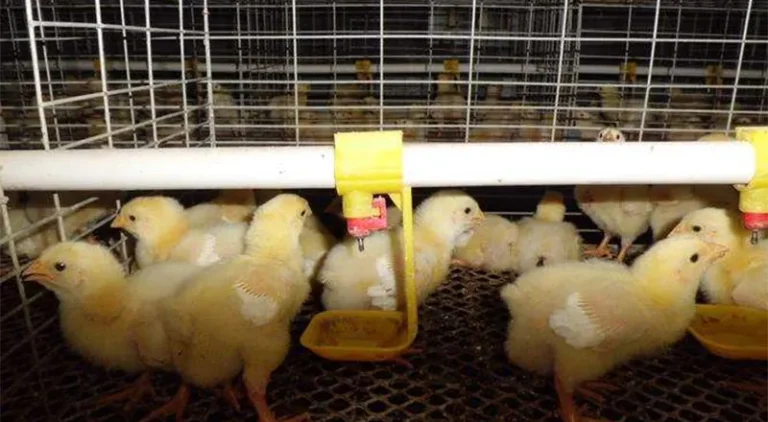
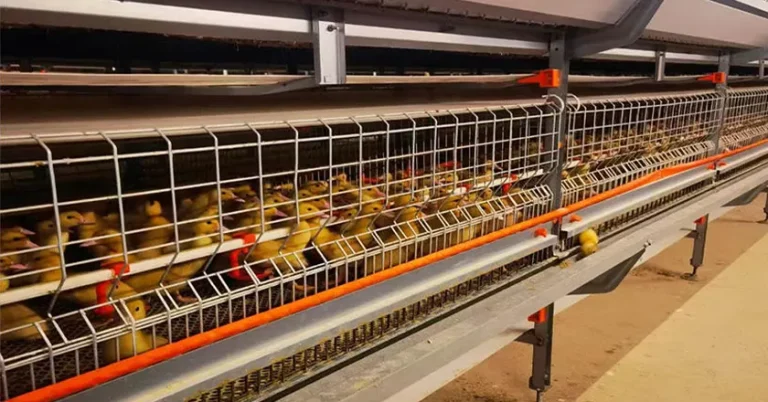
يرغب الكثير من الناس في تربية دجاج التسمين، ولكن سوء التخطيط قد يؤدي إلى بطء النمو، مما يؤدي إلى...
سنرد على استفسارك في غضون 24 ساعة. للاستفسارات العاجلة، يرجى الاتصال بنا عبر WhatsApp: +86 133 6144 9578 أو الاتصال بنا مباشرة.
*نحن نحترم خصوصيتك. جميع المعلومات المقدمة سرية للغاية.
سيتم استخدام بياناتك فقط للرد على استفسارك. نحن لا نرسل أبدًا رسائل بريد إلكتروني أو رسائل ترويجية غير مرغوب فيها.