










Sourcing Poultry Equipment Manufacturers in China: Buyer Guide
Sourcing poultry equipment from a Chinese manufacturer means controlling four variables di…


Xem tin tức mới nhất của chúng tôi,
 09:51
09:51 coop
Một thiết kế chuồng gà không hợp lý có thể dẫn đến tình trạng đệm lót ẩm ướt, trứng vỡ, máng ăn bẩn, lưu thông không khí kém và gây căng thẳng cho đàn gà. Điều này ảnh hưởng tiêu cực đến sự thoải mái, vệ sinh và năng suất đẻ trứng. Giải pháp tối ưu là một thiết kế chuồng gà đơn giản, được phân khu hợp lý, đảm bảo cho gà có không gian an toàn, tổ ấm sạch sẽ, chỗ đậu thoải mái và thuận tiện cho việc chăm sóc hàng ngày.
Cách bố trí chuồng gà lý tưởng là phải phân chia rõ ràng các khu vực dành cho thức ăn, nước uống, làm tổ, ngủ đêm, thông gió và vệ sinh. Trong hầu hết các trường hợp, thiết kế chuồng gà lý tưởng bao gồm sàn khô ráo, thanh đậu cao, mỗi vài con gà mái có một ổ đẻ, máng ăn và máng uống dễ tiếp cận, hệ thống bảo vệ chống thú săn mồi chắc chắn, và đủ không gian cho mỗi con gà tùy theo quy mô đàn. Các hướng dẫn mở rộng thường khuyến nghị đặt các hộp làm tổ thấp hơn thanh đậu, duy trì thông gió tốt mà không có gió lùa, và cung cấp đủ không gian trong nhà và ngoài trời cho mỗi con gà.
Điều gì tạo nên một thiết kế chuồng gà tốt?
Mỗi con gà cần bao nhiêu không gian bên trong chuồng?
Nên đặt chỗ ngủ và thanh đậu ở đâu?
Nơi nào là thích hợp nhất để đặt hộp làm tổ?
Nên bố trí máng ăn và máng uống như thế nào?
Tại sao cách bố trí sàn nhà, giường ngủ và chất độn chuồng lại quan trọng?
Việc bố trí hệ thống thông gió, mái nhà và tường có tầm quan trọng như thế nào?
Nên đặt chuồng gà cao hơn mặt đất hay đặt trực tiếp xuống sàn?
Thiết kế chuồng trại cho gà nuôi trong sân nhà có những điểm khác biệt nào so với các dự án chăn nuôi gia cầm quy mô thương mại?
Bạn nên lên kế hoạch bố trí chuồng gà, luồng di chuyển của đàn gà và lối vào để vệ sinh như thế nào?
Một thiết kế chuồng gà hợp lý phải đảm bảo thuận tiện cho gà sử dụng và dễ dàng cho người chăn nuôi quản lý. Điều đó có nghĩa là chuồng phải có các khu vực riêng biệt rõ ràng: khu ngủ, khu đẻ trứng, khu cho ăn, khu uống nước, cùng với lối vào dành cho việc vệ sinh và thu hoạch trứng. Nếu các khu vực này bị trộn lẫn với nhau, bên trong chuồng sẽ nhanh bẩn hơn, gà sẽ cạnh tranh nhau nhiều hơn và công việc cũng trở nên vất vả hơn. Các khuyến nghị cơ bản về mở rộng chuồng trại cho đàn gà nhỏ luôn nhấn mạnh các yếu tố cốt lõi trong thiết kế như cành đậu, tổ đẻ, hệ thống thông gió, vị trí đặt máng ăn và máng uống, cùng với lối vào thuận tiện để vệ sinh.
Thiết kế chuồng gà tối ưu còn phụ thuộc vào quy mô chăn nuôi mà bạn dự định thực hiện. Một chuồng gà nhỏ trong sân sau dành cho sáu con gà sẽ rất khác so với một trại gia cầm quy mô lớn dành cho hàng trăm hoặc hàng nghìn con. Đối với đàn gà nhỏ, bố trí thường tập trung vào khu vực làm tổ, nơi ngủ, khu vực cho ăn và khu vực chạy chơi cho gà. Đối với các trang trại quy mô lớn hơn, bố trí trở thành một phần của hệ thống kỹ thuật tổng thể, có thể bao gồm trại chăn nuôi gia cầm kết cấu thép, dây chuyền tự động, hệ thống thông gió và xử lý phân gia cầm. Nguyên tắc trong cả hai trường hợp đều giống nhau: luồng di chuyển thông thoáng, dễ tiếp cận, vệ sinh tốt và đảm bảo sự thoải mái cho gia cầm.
Nói một cách đơn giản, cách bố trí tốt nhất là cách giúp đàn gà luôn bình tĩnh, khô ráo, an toàn và năng suất cao, đồng thời giúp người chăn nuôi làm việc nhanh hơn mỗi ngày. Đó chính là những gì một chuồng gà tốt nên mang lại cho đàn gà của bạn.
Một trong những vấn đề đầu tiên cần quan tâm khi xây dựng chuồng gà là diện tích. Nếu diện tích chuồng quá hẹp, gà sẽ chen chúc nhau, chất độn chuồng bị ẩm ướt và mức độ căng thẳng tăng cao. Trung tâm Hợp tác Nông nghiệp Cornell khuyến nghị bạn nên đảm bảo mỗi con gà có ít nhất khoảng 2,5 đến 3,5 feet vuông không gian bên trong chuồng và thêm 4 đến 5 feet vuông trong khu vực ngoài trời có hàng rào. Trung tâm Hợp tác Nông nghiệp Hạt Boulder đưa ra một ví dụ tương tự về bố trí chuồng gà và đề xuất khoảng 6 đến 10 feet vuông không gian trong khu vực chạy ngoài trời cho mỗi con gà, tùy thuộc vào kích thước giống gà.
Điều đó có nghĩa là một đàn gà nhỏ gồm sáu con cần nhiều không gian hơn so với những gì nhiều kế hoạch dành cho người mới bắt đầu thường giả định. Một đàn 10 con gà lại cần nhiều không gian hơn nữa, đặc biệt là khi gà phải ở trong chuồng trong thời gian dài khi thời tiết xấu. Diện tích phù hợp cho mỗi con gà còn phụ thuộc vào việc gà chủ yếu được nuôi nhốt hay được thả rông một phần. Nếu gà có thể ra ngoài thường xuyên, không gian trong nhà đôi khi có thể hiệu quả hơn so với hệ thống hoàn toàn kín, nhưng chuồng vẫn không được chật chội.
Đối với các dự án chăn nuôi gia cầm quy mô lớn, việc quy hoạch không gian sẽ chuyển từ tư duy “chuồng trại nhỏ xinh” sang thiết kế sản xuất. Trong những trường hợp đó, người mua thường chuyển từ các bản thiết kế chuồng trại đơn giản sang các hệ thống tích hợp như Hệ thống lồng nuôi theo tầng hoặc mô hình chăn nuôi giống, nơi diện tích chuồng trại, mật độ thả đàn, chế độ cho ăn, cấp nước và lưu lượng phân đều phối hợp hài hòa với nhau.
Chỗ ngủ là một trong những phần quan trọng nhất bên trong chuồng gà, bởi vì gà có bản năng muốn ngủ ở nơi cao hơn mặt đất. Trung tâm Khuyến nông Bang Oregon khuyến cáo rằng các hộp làm tổ không nên được đặt thấp hơn các thanh đậu, trong khi Trung tâm Khuyến nông Bang Maryland cho biết các thanh đậu nên được đặt cách sàn khoảng 24 inch, với khoảng 6 inch không gian đậu cho mỗi con gà. Đại học Bang Pennsylvania khuyến nghị đặt các thanh đậu cách nhau khoảng một foot và cao từ 18 đến 24 inch so với sàn.
Điều này có nghĩa là các thanh đậu thường nên được đặt phía trên khu vực tổ, nhưng không được quá cao để tránh trường hợp gà bị thương khi nhảy xuống. Chúng cũng cần được đặt cách xa máng ăn và máng uống để phân không rơi vào thức ăn hoặc nước uống. Một thanh đậu tốt phải tạo cảm giác vững chắc dưới chân gà mái và dễ dàng vệ sinh phần bên dưới. Nhiều người nuôi gà lắp thêm một tấm ván hứng phân dưới thanh đậu để việc vệ sinh chuồng trại trở nên dễ dàng hơn. Mặc dù các nguồn tư vấn có thể khác nhau về hình dạng cụ thể của thanh đậu, nhưng họ đều nhất quán khuyến nghị sử dụng các thanh đậu được bố trí cách đều nhau và nâng cao, giúp giữ gà không tiếp xúc với sàn chuồng vào ban đêm.
Trong thiết kế thực tế, hãy bố trí khu vực đậu ngủ ở một bên chuồng hoặc gần tường phía sau. Nên đặt khu vực này cách xa cửa nếu có gió lùa, đồng thời đảm bảo bạn có thể dễ dàng tiếp cận để dọn dẹp bên dưới. Điều này giúp duy trì sức khỏe cho đàn gà và giữ cho chuồng luôn thoải mái trong mọi mùa.
Hộp làm tổ nên được đặt ở khu vực tối hơn, yên tĩnh hơn và sạch sẽ hơn trong chuồng gà. Trường Đại học Bang Oregon khuyến nghị nên xây dựng khoảng một hộp làm tổ cho mỗi bốn con gà và đề xuất kích thước hộp khoảng 12 x 12 x 12 inch dành cho gà đẻ. Trường cũng khuyến cáo không nên đặt hộp làm tổ trực tiếp trên mặt đất hoặc thấp hơn các thanh đậu, vì điều này có thể khiến chúng bẩn hơn.
Vị trí lý tưởng nhất thường là dọc theo một bên chuồng gà, cách xa máng ăn chính và xa lối đi đông đúc nhất. Nếu con gà mái cảm thấy an toàn và yên tĩnh, nó sẽ có xu hướng đẻ trứng trong hộp thay vì trên sàn. Mái dốc phía trên hộp đẻ trứng có thể giúp ngăn chim đậu ở đó và làm bẩn không gian làm tổ. Hướng dẫn chăn nuôi đàn gà nhỏ của Hạt Boulder đặc biệt lưu ý rằng việc làm dốc phần trên của hộp đẻ trứng giúp ngăn chim đậu trên đó và đại tiện trong hộp.
Nhiều phương án thiết kế chuồng gà hiệu quả đều bao gồm các ô đẻ trứng có lối vào từ bên ngoài, giúp chủ nuôi có thể thu hoạch trứng từ bên ngoài. Đây là một giải pháp thông minh vì giúp giảm thiểu sự xáo trộn bên trong chuồng. Trong các dự án chìa khóa trao tay quy mô lớn hơn, ý tưởng này cũng được áp dụng trên quy mô lớn hơn: luồng di chuyển thuận lợi cho gia cầm và lối vào thuận tiện cho con người giúp tiết kiệm thời gian hàng ngày.
Máng ăn và máng uống phải được đặt ở vị trí mà mọi con gà đều có thể dễ dàng tiếp cận mà không gây ra tình trạng chen chúc, lãng phí hoặc làm ướt lớp lót chuồng. Đại học Virginia Tech khuyến nghị nên đặt máng ăn và máng uống ở độ cao ngang lưng gà khi chúng lớn lên, vì điều này giúp giảm thiểu nguy cơ nhiễm bẩn và lãng phí. Trường cũng lưu ý rằng cần thường xuyên kiểm tra và giữ cho máng uống luôn sạch sẽ.
Trong một chuồng gà nhỏ, cách làm tốt nhất là đặt máng ăn và máng uống cho gà ở phía đối diện với tổ đẻ, nếu có thể. Điều này giúp giữ cho khu vực đẻ trứng sạch sẽ hơn. Nếu bạn đặt chúng ngay dưới thanh đậu, phân gà sẽ làm bẩn chúng. Nếu bạn đặt chúng ở nơi chật hẹp, đàn gà có thể chen chúc và đánh nhau. Hãy đặt chúng ở nơi mà gà có thể di chuyển thoải mái xung quanh.
Đối với các trang trại quy mô lớn, việc bố trí hệ thống thức ăn và nước uống trở thành một vấn đề kỹ thuật toàn diện. Một trại chăn nuôi gia cầm chuyên nghiệp có thể tích hợp hệ thống cho ăn tự động, các đường ống cấp nước qua đầu vòi, bộ điều áp và bộ lọc vào thiết kế chuồng trại. Đối với các dự án quy mô trung bình và lớn, hệ thống cấp nước và hệ thống nước uống cần được tích hợp hài hòa với hệ thống thông gió, hệ thống xử lý phân và công tác quản lý hàng ngày, chứ không phải là những yếu tố riêng lẻ được bổ sung sau này.
Sàn chuồng chính là nơi khởi nguồn của nhiều vấn đề trong chuồng gà. Nếu sàn chuồng luôn ẩm ướt, chất lót chuồng sẽ bị bẩn, nồng độ amoniac tăng cao và đàn gà sẽ kém khỏe mạnh hơn. Quản lý chất lót chuồng hiệu quả là yếu tố cốt lõi trong bất kỳ thiết kế chuồng gà thực tiễn nào. Trung tâm Khuyến nông Đại học Minnesota khuyến cáo nên đảm bảo thông gió cho chuồng gà và quản lý phân gà cùng chất lót chuồng trong thời tiết lạnh để chuồng gà luôn trong tình trạng vệ sinh tốt hơn.
Một bố trí sàn hợp lý sẽ giúp chuồng gà dễ dàng vệ sinh. Nhiều người nuôi đàn gà nhỏ thường sử dụng mùn cưa thông hoặc các loại chất độn khô tương tự và thường xuyên loại bỏ các vùng ẩm ướt. Chất độn phải luôn khô ráo dưới khay thức ăn và xung quanh khay nước. Đó là lý do tại sao độ dốc sàn, kiểm soát độ ẩm và luồng di chuyển của gà lại quan trọng. Nếu bố trí sàn buộc tất cả gà phải đi qua một khu vực ẩm ướt, toàn bộ bên trong chuồng sẽ nhanh chóng trở nên bẩn hơn.
Trong chăn nuôi gia cầm thương mại, chiến lược bố trí sàn có thể thay đổi hoàn toàn tùy thuộc vào hệ thống. Một số dự án áp dụng hình thức chăn nuôi trên sàn, trong khi những dự án khác sử dụng hệ thống lồng hoặc bố trí sàn nâng. Những người mua khi so sánh hệ thống chuồng lót rơm dày và hệ thống lồng thường tập trung vào độ sạch của trứng, việc xử lý phân gia cầm và nhân công. Những quyết định này có mối liên hệ chặt chẽ với bố trí tổng thể của chuồng trại, chứ không chỉ riêng về đàn gia cầm.
Hệ thống thông gió hợp lý là một trong những yếu tố quan trọng nhất trong thiết kế bất kỳ chuồng gà nào. Đại học Virginia Tech cho biết, luồng không khí lưu thông dồi dào mà không gây gió lùa là điều cần thiết, bởi vì không khí trong lành giúp loại bỏ độ ẩm, amoniac và carbon dioxide. Trường cũng lưu ý rằng các cửa sổ hoặc lỗ thông gió ở một bên chuồng thường đảm bảo đủ thông gió cho các chuồng gà nhỏ nếu được thiết kế hợp lý.
Điều này có nghĩa là mái và tường không chỉ đơn thuần ngăn mưa xâm nhập. Chúng còn phải giúp không khí lưu thông đúng cách. Các khe hở gần đỉnh chuồng giúp không khí ấm và ẩm thoát ra ngoài. Mái nhà phải có khả năng thoát nước tốt. Tường phải bảo vệ gia cầm khỏi những luồng gió lùa mạnh nhưng vẫn đảm bảo sự trao đổi không khí. Trong điều kiện thời tiết lạnh, Trung tâm Khuyến nông Minnesota khuyến nghị xử lý vấn đề gió lùa tách biệt với việc cách nhiệt: bịt kín các khe hở gây ra luồng không khí lạnh buốt, nhưng vẫn đảm bảo chuồng gia cầm được thông gió.
Trong các dự án quy mô lớn, hệ thống thông gió trở thành một hệ thống kỹ thuật hoàn chỉnh. Các chuồng trại được kiểm soát có thể sử dụng luồng không khí dựa trên quạt, hệ thống thông gió kiểu đường hầm và hệ thống điều khiển tự động. Cẩm nang ngành chăn nuôi gia cầm của Bộ Nông nghiệp Hoa Kỳ (USDA) nêu rõ rằng thông gió là phương tiện chính để kiểm soát môi trường trong chuồng gà và mô tả cả hệ thống thông gió tự nhiên lẫn hệ thống thông gió cơ giới. Đối với thiết kế chuồng trại trọn gói, người mua thường kết hợp chuồng trại với các hệ thống hỗ trợ trang trại và hệ thống phụ trợ để đảm bảo chuồng trại duy trì sự ổn định qua các mùa.
Nhiều người ưa chuộng kiểu chuồng gà được nâng cao so với mặt đất vì điều này giúp cải thiện khả năng thoát nước, có thể giảm bớt các lối vào của động vật săn mồi và giúp sàn chuồng khô ráo hơn. Ngoài ra, nếu cần, kiểu thiết kế này còn có thể tạo ra một khu vực râm mát bên dưới chuồng. Ở những nơi ẩm ướt, việc nâng cao kết cấu chuồng khỏi mặt đất có thể giúp giảm bớt các vấn đề về độ ẩm xung quanh phần chân chuồng.
Tuy nhiên, không phải chuồng gà nào cũng cần phải được xây cao. Một chuồng gà đặt trực tiếp trên mặt đất vẫn có thể hoạt động hiệu quả nếu hệ thống thoát nước tốt, sàn luôn khô ráo và kết cấu có khả năng bảo vệ chắc chắn khỏi các loài săn mồi. Điều quan trọng nhất không phải là chuồng gà cao hay thấp, mà là nền chuồng có luôn khô ráo, an toàn và dễ bảo trì hay không. Hệ thống thoát nước tốt và kết cấu chống thú săn mồi quan trọng hơn nhiều so với chỉ riêng kiểu dáng. Các hướng dẫn về chăn nuôi gia cầm tại nhà và khu vườn luôn nhấn mạnh rằng sự khô ráo, an toàn trước thú săn mồi và lưu thông không khí là những mục tiêu thiết kế chính.
Đối với các hệ thống quy mô lớn hơn, việc quyết định độ cao phụ thuộc vào cách xử lý phân, kiểu chuồng trại và điều kiện khí hậu. Một dự án chăn nuôi gà giống hoặc gà đẻ thương mại có thể tập trung vào tính ổn định kết cấu, khả năng tiếp cận để thu gom phân và vị trí bố trí thiết bị, thay vì những ý tưởng truyền thống về “chuồng trại xinh xắn”.
Một chuồng gà nuôi trong sân sau thường được thiết kế nhằm đảm bảo sự thoải mái cho gà, thuận tiện cho việc thu hoạch trứng và dễ dàng chăm sóc hàng ngày. Chuồng có thể bao gồm một vài ổ đẻ, thanh đậu, máng ăn, máng uống, chất lót chuồng và một khu vực chăn thả nhỏ. Chủ nuôi cũng có thể cho gà tự do đi lại trong sân vào ban ngày. Điều này thường thấy ở những đàn gà nhỏ hoặc các dự án nuôi gà lấy trứng tại gia đình.
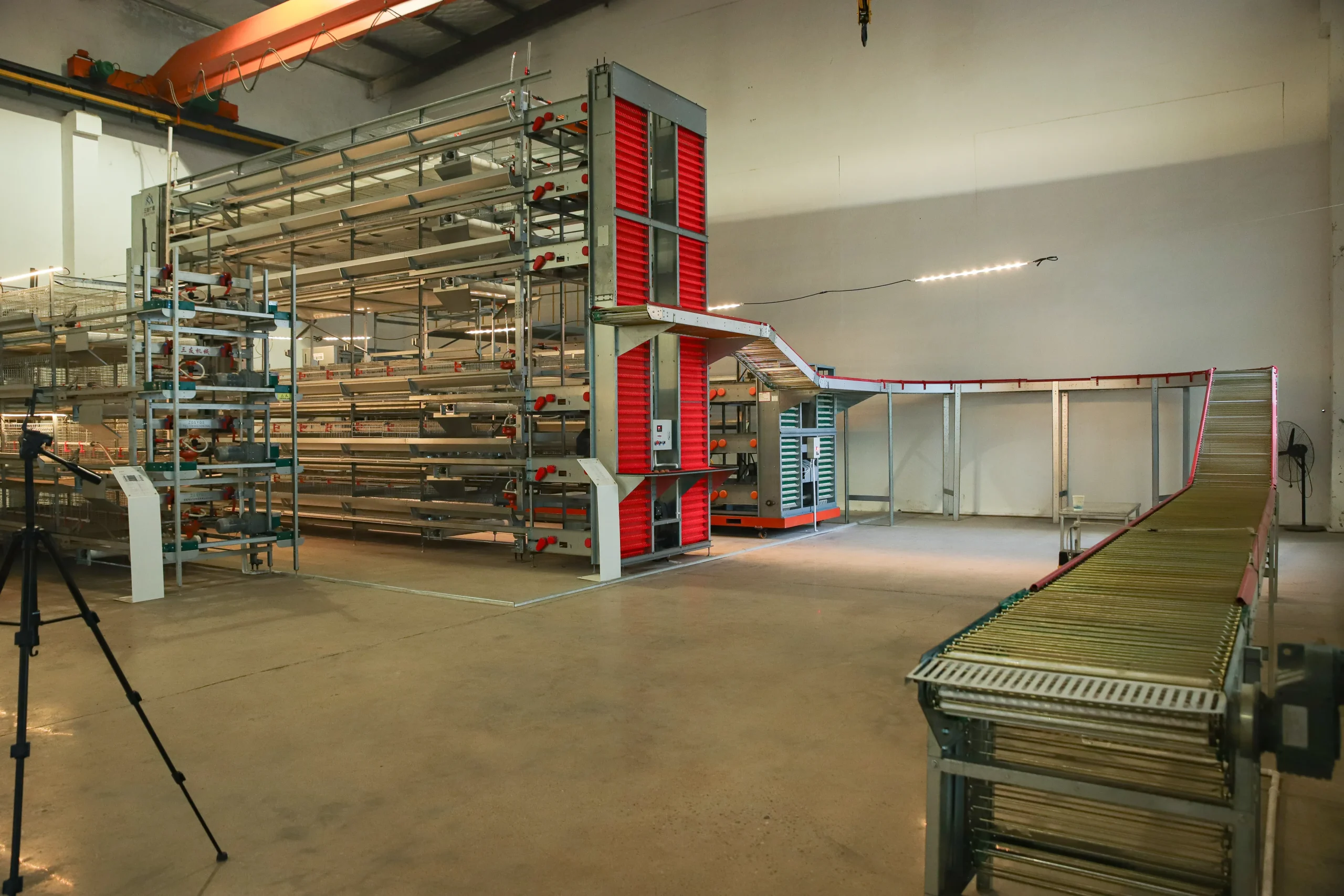
Một trang trại chăn nuôi do doanh nghiệp hoặc nhà đầu tư điều hành thì khác. Mục tiêu không chỉ là nuôi một vài con gà mái. Mục tiêu là tạo ra một hệ thống sản xuất đáng tin cậy. Điều đó có thể bao gồm lồng nuôi gà giống, lồng ấp, lồng nuôi gà đẻ, hệ thống thu gom phân, hệ thống cho ăn tự động và hệ thống kiểm soát môi trường trong chuồng. Ví dụ, một giải pháp trọn gói có thể kết nối chuồng gà với một hệ thống lồng nuôi tự động hoặc hệ thống ấp trứng và nuôi ấp, tùy thuộc vào giai đoạn sản xuất.
Vì vậy, khi ai đó hỏi: “Kiểu bố trí nào là tốt nhất cho chuồng gà?”, câu trả lời trung thực là: điều đó phụ thuộc vào mục đích của bạn. Một chuồng gà gia đình dành cho sáu con gà là một vấn đề thiết kế. Một nhà chăn nuôi dành cho mô hình chăn nuôi gia cầm tích hợp lại là một vấn đề khác.
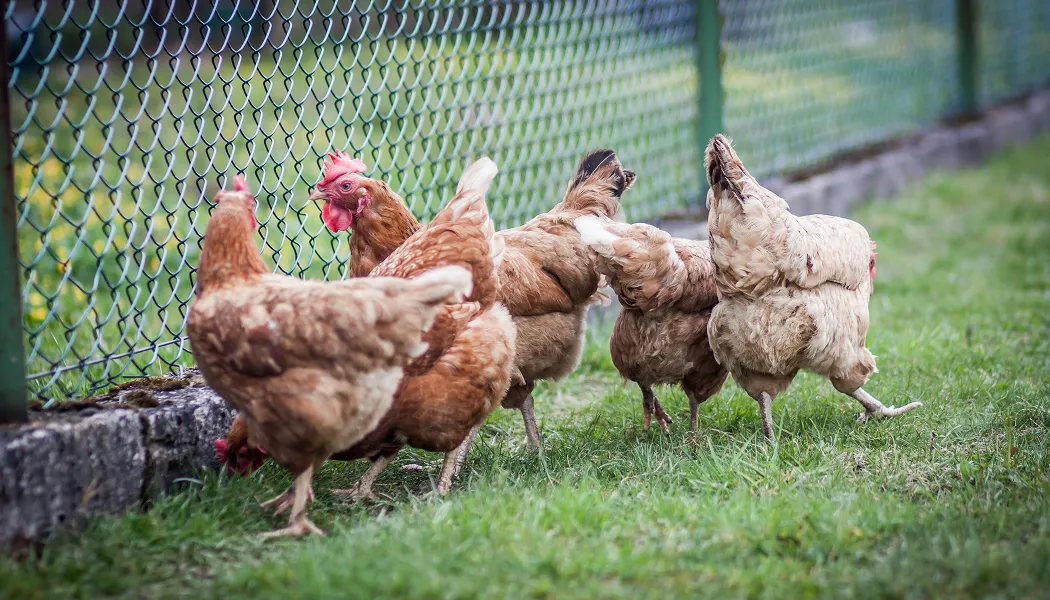
Một khu chuồng gà ngoài trời tốt cần phải nối liền mạch với cửa chuồng, cho phép gà ra vào an toàn và cung cấp đủ không gian ngoài trời. Đại học Cornell khuyến nghị diện tích khu vực ngoài trời có hàng rào tối thiểu từ 4 đến 5 feet vuông cho mỗi con gà, trong khi Hạt Boulder đề xuất từ 6 đến 10 feet vuông tùy thuộc vào kích thước giống gà.
Trong thiết kế chuồng, hãy cân nhắc đến luồng di chuyển của đàn gà. Gà phải có thể di chuyển từ cửa vào đến máng ăn, từ máng ăn đến máng uống, và từ các khu vực hoạt động ban ngày sang các khu vực làm tổ yên tĩnh hơn mà không bị chen chúc. Đó là lý do tại sao mặt có cửa của chuồng, mặt có các hộp làm tổ và các lỗ thông gió trên đỉnh chuồng đều có vai trò quan trọng. Một bố trí hợp lý là bố trí mà trong đó chim và người chăn nuôi không liên tục cản trở lẫn nhau.
Việc tiếp cận để vệ sinh cũng rất quan trọng. Nếu bạn không thể với tới góc sau, lau chùi dưới thanh đậu, đổ đầy máng ăn hoặc dọn dẹp chất độn chuồng cũ một cách dễ dàng, thiết kế đó sẽ nhanh chóng khiến bạn cảm thấy bực bội. Việc xây dựng chuồng gà tốt không chỉ dừng lại ở những bản vẽ đẹp mắt. Điều quan trọng là sự thuận tiện trong sinh hoạt hàng ngày, an toàn và hiệu quả lao động. Đối với các trang trại hiện đại quy mô lớn, nguyên tắc này cũng được áp dụng vào việc quy hoạch các khu vực thu gom phân, cho ăn, cấp nước và các lối đi phục vụ.
Dưới đây là một cách bố trí đơn giản nhưng rất hiệu quả cho nhiều đàn gia cầm nhỏ:
| Khu vực hợp tác | Vị trí tốt nhất | Tại sao nó lại hiệu quả |
|---|---|---|
| Cửa ra vào | Mặt trước hoặc mặt bên, thuận tiện cho người sử dụng | Giúp cho việc cho ăn và vệ sinh |
| Hàng lồng chim | Tường bên yên tĩnh | Việc đẻ trứng và thu hoạch trứng trở nên dễ dàng hơn |
| Thanh đậu | Tường phía sau hoặc phía đối diện với các hộp làm tổ | Giữ khu vực ngủ riêng biệt |
| Máy cấp liệu | Bên hông giữa hoặc bên hông đối diện của hộp làm tổ | Dễ dàng tiếp cận mà không bị chen lấn |
| Thiết bị tưới nước | Gần nơi kiếm ăn nhưng không ở dưới nơi ngủ | Giúp duy trì dòng chảy, mang lại nguồn nước sạch hơn |
| Các lỗ thông gió | Ở vị trí cao trên tường / dọc theo đường mái | Giúp điều hòa luồng không khí và kiểm soát độ ẩm |
| Sàn lót giường / sàn lót chuồng | Tổng diện tích sàn bên trong | Sự thoải mái và khả năng hấp thụ phân |
| Cửa chuồng gà | Lối vào phía dưới | Di chuyển dễ dàng ngoài trời |
| Vệ sinh cửa sập | Dưới gầm giường hoặc tường phía sau | Tăng tốc độ thu gom phân |
Đây không phải là phương án duy nhất, nhưng nó là một điểm khởi đầu đáng tin cậy cho nhiều đàn gia cầm.
Cách bố trí chuồng gà nào là tốt nhất?
Cách bố trí hợp lý nhất là tách biệt các khu vực ngủ, nghỉ ngơi, cho ăn, cho uống và vệ sinh. Nơi đậu của gà nên cao hơn chuồng đẻ, thức ăn và nước uống phải được đặt xa phân gà, đồng thời chuồng gà phải đảm bảo đủ thông gió và không gian cho mỗi con.
Tôi cần bao nhiêu chiếc lồng làm tổ cho một đàn chim?
Một nguyên tắc phổ biến là cứ bốn con gà mái thì nên có một chiếc lồng đẻ trứng. Các lồng đẻ trứng phải sạch sẽ, yên tĩnh và được đặt ở vị trí thấp hơn so với chỗ đậu.
Nên đặt thanh đậu ở đâu trong chuồng gà?
Các thanh đậu nên được đặt cao hơn mặt sàn và thường cao hơn các hộp làm tổ, đồng thời vẫn đảm bảo an toàn cho chim khi nhảy lên và nhảy xuống. Chúng không nên được đặt ngay phía trên khay thức ăn hoặc khay nước.
Gà có cần chuồng cao không?
Không phải lúc nào cũng vậy, nhưng chuồng gà được nâng cao có thể giúp thoát nước tốt hơn và bảo vệ gà khỏi thú săn mồi. Điều quan trọng hơn là phải giữ cho chuồng gà luôn khô ráo, an toàn và dễ bảo trì.
Sáu con gà cần bao nhiêu diện tích trong chuồng?
Một mức tham khảo hợp lý là khoảng 2,5 đến 3,5 feet vuông cho mỗi con gà trong chuồng, và nếu có thể thì nên có thêm không gian chạy nhảy ngoài trời. Vì vậy, sáu con gà thường cần nhiều không gian hơn so với những thiết kế chuồng nhỏ thường cung cấp.
Tôi có nên cách nhiệt chuồng gà không?
Ở những vùng có khí hậu lạnh hơn, bạn có thể cách nhiệt một số phần của chuồng gà, nhưng vẫn cần đảm bảo thông gió. Mục đích là để giảm bớt những luồng gió lùa mạnh mà không làm không khí ẩm bị ứ đọng.
Việc thả rông có đủ để chuồng gà có thể nhỏ hơn không?
Việc thả rông có ích, nhưng chuồng vẫn cần có đủ không gian bên trong để phòng khi thời tiết xấu, cho gà ngủ đêm và quản lý đàn gà một cách an toàn.
Cách bố trí chuồng gà hợp lý nhất là phân chia rõ ràng các khu vực đậu, làm tổ, cho ăn, cho uống và vệ sinh.
Các hộp làm tổ nên yên tĩnh, sạch sẽ và thường được đặt ở vị trí thấp hơn so với nơi ngủ.
Các thanh đậu phải được đặt ở vị trí cao, vững chắc và cách xa thức ăn và nước uống.
Hệ thống thông gió tốt cũng quan trọng không kém gì tường và mái nhà, bởi vì độ ẩm và amoniac tích tụ rất nhanh trong chuồng kín.
Việc bố trí không gian cần phù hợp với quy mô đàn; chuồng chật chội sẽ gây căng thẳng và làm môi trường sống trở nên bẩn thỉu hơn.
Cách bố trí chuồng gà trong sân nhà và cách bố trí chuồng gia cầm thương mại đều tuân theo cùng một nguyên tắc cơ bản: đảm bảo luồng di chuyển an toàn cho gia cầm, quản lý vệ sinh và thuận tiện cho công việc hàng ngày.
Sourcing poultry equipment from a Chinese manufacturer means controlling four variables di…
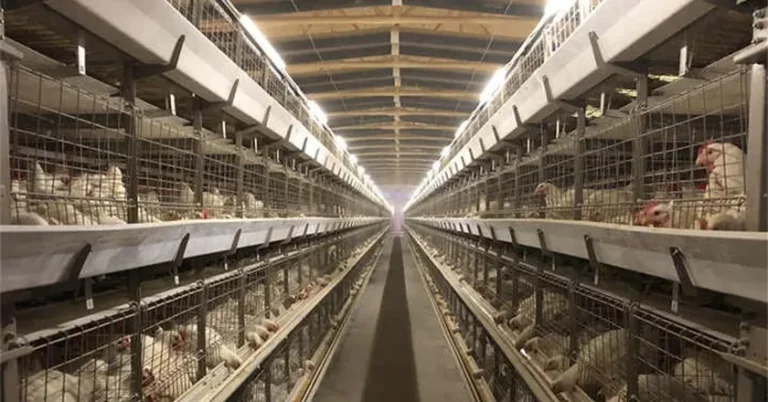
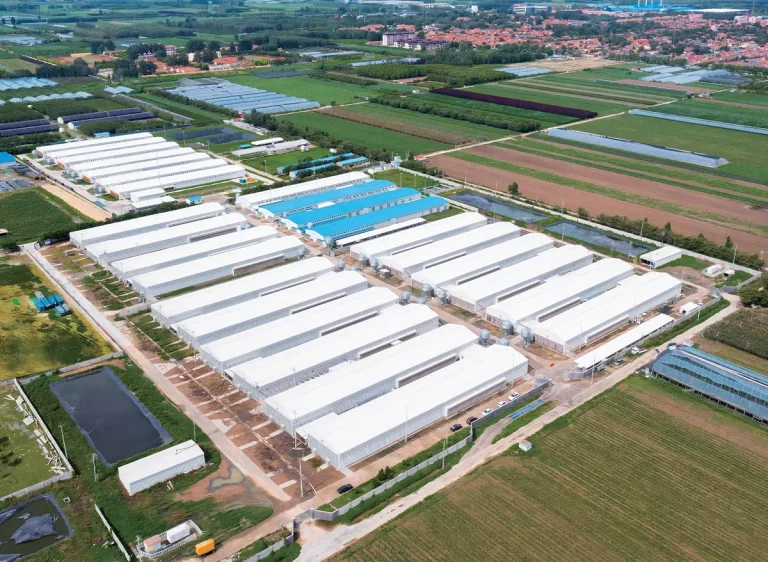
A steel structure poultry house is a prefabricated steel building designed for layer, broi…
Chúng tôi sẽ trả lời yêu cầu của quý khách trong vòng 24 giờ. Đối với các yêu cầu khẩn cấp, vui lòng liên hệ với chúng tôi qua WhatsApp: +86 133 6144 9578 hoặc gọi trực tiếp cho chúng tôi.
*Chúng tôi tôn trọng quyền riêng tư của bạn. Tất cả thông tin được cung cấp đều được bảo mật tuyệt đối.
Thông tin của bạn chỉ được sử dụng để trả lời câu hỏi của bạn. Chúng tôi không bao giờ gửi email hoặc tin nhắn quảng cáo không mong muốn.