










Sourcing Poultry Equipment Manufacturers in China: Buyer Guide
Sourcing poultry equipment from a Chinese manufacturer means controlling four variables di…


Xem tin tức mới nhất của chúng tôi,
 16:21
16:21 Việc kiểm soát nhiệt độ kém trong chăn nuôi gia cầm có thể âm thầm làm giảm hiệu quả chăn nuôi. Gia cầm ăn ít hơn, phát triển không đồng đều, bị căng thẳng do nhiệt độ cao và gây thất thoát lợi nhuận. Giải pháp nghe thì đơn giản nhưng thực hiện lại không dễ: cần quản lý đồng bộ nhiệt độ, độ ẩm và thông gió để gia cầm luôn cảm thấy thoải mái và duy trì năng suất cao.
Kiểm soát nhiệt độ trong các trang trại chăn nuôi gia cầm có nghĩa là quản lý toàn bộ môi trường trong chuồng, chứ không chỉ dựa vào chỉ số trên một chiếc nhiệt kế treo tường. Một chuồng gia cầm được quản lý tốt phải duy trì nhiệt độ không khí, độ ẩm tương đối, tỷ lệ trao đổi không khí tươi và chất lượng không khí phù hợp với độ tuổi và giai đoạn sản xuất của đàn gia cầm. Nếu được thực hiện đúng cách, điều này sẽ góp phần thúc đẩy sự tăng trưởng, đảm bảo phúc lợi cho gia cầm, nâng cao tỷ lệ chuyển hóa thức ăn và mang lại lợi nhuận lâu dài.
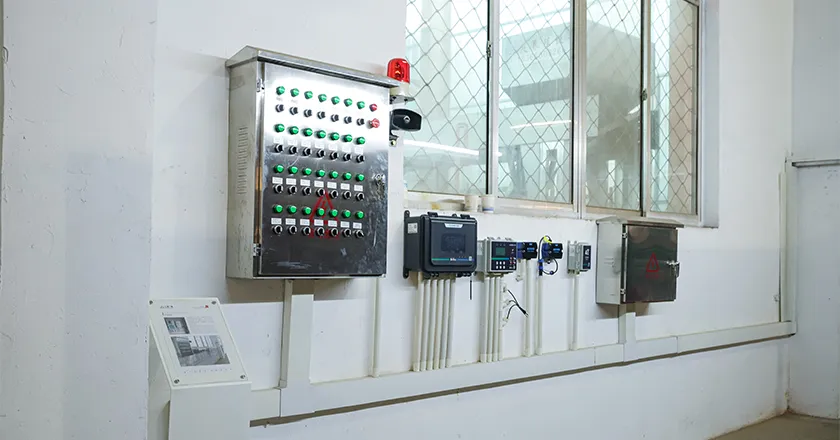
Kiểm soát viên môi trường
1. Kiểm soát nhiệt độ trong chăn nuôi gia cầm thực sự có ý nghĩa gì?
2. Tại sao môi trường trong chuồng gia cầm không chỉ đơn thuần là nhiệt độ không khí?
3. Phạm vi nhiệt độ lý tưởng nhất cho gà con, gà thịt và gà đẻ là bao nhiêu?
4. Độ ẩm và nhiệt độ tương tác với nhau như thế nào trong một trang trại chăn nuôi gia cầm?
5. Tại sao thông gió lại là yếu tố cốt lõi trong việc kiểm soát khí hậu cho gia cầm?
6. Điều gì xảy ra khi gia cầm bị căng thẳng do nhiệt?
7. Hệ thống làm mát có tác dụng gì trong thời tiết nắng nóng?
8. Người chăn nuôi gia cầm nên điều chỉnh hệ thống thông gió như thế nào trong thời tiết lạnh?
9. Hệ thống điều khiển chuồng gia cầm hiệu quả cần giám sát những yếu tố nào?
10. Việc kiểm soát nhiệt độ tốt hơn giúp cải thiện tỷ lệ chuyển hóa thức ăn và lợi nhuận như thế nào?
Trong thực tiễn quản lý trang trại, việc kiểm soát nhiệt độ có nghĩa là giúp gia cầm duy trì ở mức nhiệt độ thoải mái, nơi chúng có thể phát triển, đẻ trứng và duy trì sức khỏe mà không phải tiêu tốn quá nhiều năng lượng chỉ để sinh tồn. Điều này không chỉ đơn thuần là sưởi ấm hay làm mát, mà còn là việc duy trì toàn bộ Nhà nuôi gia cầm luôn ổn định từ ngày sang đêm và từ mùa này sang mùa khác.
Nhiệt độ cơ thể bình thường của chim khá cao. Nhiệt độ cơ thể gà thường dao động trong khoảng 40–43°C, và nhiều tài liệu khoa học mô tả phạm vi hoạt động bình thường nằm gần mức 41°C và 42,2°C. Do nhiệt độ cơ thể tự nhiên vốn đã cao, chim sẽ nhanh chóng gặp khó khăn khi nhiệt độ môi trường tăng lên và chúng không thể tỏa nhiệt đủ.
Đó là lý do tại sao việc kiểm soát khí hậu trong chăn nuôi gia cầm phải xem xét các điều kiện thực tế xung quanh đàn gia cầm: nhiệt độ bên trong, nhiệt độ bên ngoài, độ ẩm, luồng không khí và hành vi của gia cầm. Một người quản lý giỏi không chỉ đơn thuần nhìn vào các con số. Một người quản lý giỏi phải quan sát và hiểu rõ gia cầm.
Nhiệt độ không khí là yếu tố quan trọng, nhưng chim không chỉ cảm nhận riêng nhiệt độ. Chúng cảm nhận sự kết hợp của độ ẩm, sự chuyển động của không khí, tình trạng lớp lót chuồng và nồng độ khí. Một chuồng chim có thể trông đủ ấm trên giấy tờ nhưng vẫn hoạt động kém hiệu quả nếu bên trong cảm thấy ngột ngạt hoặc ẩm ướt.
Ví dụ, hướng dẫn chính thức về gà thịt nêu rõ rằng các chất gây ô nhiễm chính trong chuồng nuôi bao gồm bụi, amoniac, carbon dioxide, carbon monoxide và hơi nước dư thừa. Hướng dẫn chăn nuôi gà thịt gần đây của Aviagen cho biết nồng độ amoniac lý tưởng là dưới 10 ppm và nồng độ carbon dioxide lý tưởng là dưới 3.000 ppm, với độ ẩm trong chuồng thường được duy trì ở mức khoảng 50–60% sau giai đoạn ấp.
Đó là lý do tại sao chúng tôi luôn nhấn mạnh với các khách hàng rằng một trang trại chăn nuôi gia cầm hiện đại cần có một giải pháp toàn diện về môi trường, chứ không chỉ đơn thuần là máy sưởi hay quạt. Kết cấu thép, vật liệu cách nhiệt, các cửa hút gió, cách bố trí quạt, hệ thống xử lý phân gia cầm và vị trí lắp đặt đường ống cấp nước uống đều ảnh hưởng đến nhiệt độ bên trong chuồng gia cầm.
Gà con cần được chăm sóc kỹ lưỡng hơn vì chúng chưa thể điều tiết sự mất nhiệt hiệu quả. Cẩm nang bỏ túi về gà thịt hiện tại của Aviagen khuyến nghị nhiệt độ không khí khoảng 30°C cho giai đoạn ấp toàn chuồng khi thả gà con, nhiệt độ sàn 28–30°C và độ ẩm tương đối 60–70%. Khi gà lớn lên, nhiệt độ mục tiêu sẽ giảm xuống, và sau khoảng 27 ngày, nhiệt độ trong chuồng thường được điều chỉnh xuống khoảng 20°C hoặc cao hơn một chút, tùy thuộc vào hành vi của gà và tình trạng đàn.
Đối với gia cầm trưởng thành nói chung, vùng nhiệt độ trung tính của hầu hết các loài chim thường được mô tả là khoảng 60–75°F hoặc khoảng 15,6–23,9°C, trong khi Sổ tay Thú y Merck đưa ra khoảng nhiệt độ lý tưởng cho gia cầm là khoảng 18,3–23,8°C. Điều đó không có nghĩa là mọi con gà thịt, gà mái non hay gà mái trưởng thành đều phải được quản lý theo cùng một cách. Tuổi, lớp lông, mật độ nuôi và mức độ sản xuất đều là những yếu tố quan trọng.
Đối với gà đẻ trứng, việc kiểm soát nhiệt độ tốt sẽ giúp duy trì sản lượng trứng, độ bền vỏ trứng và sự thoải mái cho gà. Đối với gà thịt, nhiệt độ phù hợp giúp gà thịt duy trì tốc độ tăng trưởng mà không lãng phí năng lượng. Tóm lại, phạm vi nhiệt độ thích hợp thay đổi theo độ tuổi, nhưng mục tiêu vẫn không thay đổi: giữ cho gà khỏe mạnh và năng suất cao.
Đây chính là nguyên nhân khiến nhiều trang trại gặp vấn đề về hiệu suất. Độ ẩm và nhiệt độ phải được kiểm soát đồng bộ. Nếu trong chuồng quá ẩm ướt, gia cầm sẽ khó tỏa nhiệt. Ngược lại, nếu trong chuồng quá khô trong giai đoạn ấp, gà con có thể bị mất nước. Trung tâm Khuyến nông Minnesota lưu ý rằng khi nhiệt độ tăng lên gần 85°F, gia cầm sẽ giảm lượng thức ăn tiêu thụ và năng suất, và khi nhiệt độ gần 100°F, chúng có thể phải đối mặt với mức nhiệt độ gây tử vong nếu không được cung cấp biện pháp làm mát.
Độ ẩm tương đối cao đặc biệt nguy hiểm trong điều kiện thời tiết ấm áp vì chim phụ thuộc vào quá trình làm mát bằng cách bay hơi qua hệ hô hấp. Khi không khí đã ẩm ướt, quá trình làm mát này trở nên kém hiệu quả hơn. Chim bắt đầu thở hổn hển, uống nhiều nước hơn và xòe cánh ra để tản nhiệt.
Đó là lý do tại sao một trang trại phải theo dõi cả nhiệt độ và độ ẩm, chứ không chỉ riêng nhiệt độ khô. Một trong những bài học thực tiễn nhất trong lĩnh vực này rất đơn giản: nếu gia cầm có vẻ nóng nực, lượng chất độn chuồng ẩm ướt đang tăng lên và trong chuồng có mùi nồng nặc, thì điều kiện khí hậu đã không còn phù hợp, ngay cả khi một cảm biến cho thấy con số hiển thị vẫn ở mức chấp nhận được.
Tốt thông gió là “trái tim” của chuồng nuôi. Hệ thống này giúp loại bỏ độ ẩm dư thừa, không khí tù đọng và các loại khí, đồng thời góp phần điều hòa nhiệt độ. Aviagen khẳng định rõ ràng rằng thông gió là công cụ quan trọng nhất để quản lý môi trường bên trong chuồng nuôi, bởi vì nó hỗ trợ việc kiểm soát nhiệt độ, độ ẩm và chất lượng không khí cùng một lúc.
Một hệ thống thông gió hợp lý cần đưa không khí tươi vào, dẫn luồng không khí này đi đúng cách dọc theo trần nhà hoặc xuyên suốt ngôi nhà, đồng thời thải không khí đã qua sử dụng ra ngoài mà không gây ra những luồng gió lùa có hại. Trong ngôi nhà được thông gió tự nhiên, hệ thống này phụ thuộc nhiều hơn vào thiết kế các lỗ thông gió và điều kiện gió. Trong các ngôi nhà được thông gió kiểu đường hầm hoặc thông gió cơ học, quạt, cửa hút gió và bộ điều khiển sẽ đảm nhận phần lớn công việc.
Chìa khóa nằm ở sự cân bằng. Nếu thông gió quá ít sẽ làm tăng độ ẩm trong chuồng, nồng độ amoniac và khí carbon dioxide. Ngược lại, nếu có quá nhiều không khí lạnh ở độ cao ngang với gia cầm sẽ làm tăng thất thoát nhiệt, gây hại cho gà con và đẩy chi phí sưởi ấm lên cao. Do đó, trang trại cần điều chỉnh hệ thống thông gió dựa trên độ tuổi của gia cầm, điều kiện thời tiết và phản ứng của chúng.
Căng thẳng do nhiệt bắt đầu khi gia cầm không thể giải phóng đủ nhiệt bên trong cơ thể để duy trì nhiệt độ cơ thể ở mức an toàn. Các dấu hiệu ban đầu thường rất đơn giản: gia cầm tản ra, xòe cánh, uống nhiều nước hơn, ăn ít hơn và thở hổn hển. Nếu tình trạng này tiếp diễn, năng suất sẽ giảm nhanh chóng và tỷ lệ tử vong có thể tăng cao.
Khi nhiệt độ môi trường tăng cao làm thu hẹp khoảng cách giữa nhiệt độ cơ thể chim và nhiệt độ không khí xung quanh, quá trình tỏa nhiệt cảm ứng trở nên kém hiệu quả hơn. Lúc này, chim phải dựa nhiều hơn vào quá trình tỏa nhiệt bằng cách bay hơi thông qua hô hấp. Đó là lý do tại sao phản ứng hô hấp trở nên rất rõ rệt vào mùa hè.
Đối với đàn gà thịt thương phẩm, chi phí phải gánh chịu là rất lớn. Lượng thức ăn tiêu thụ giảm, tốc độ tăng trưởng chậm lại và hệ số chuyển đổi thức ăn trở nên kém hơn. Đối với trại gà đẻ, nhiệt độ cao kéo dài có thể ảnh hưởng tiêu cực đến sản lượng trứng và thậm chí cả chất lượng vỏ trứng. Trong trường hợp xấu nhất, gia cầm không chỉ tăng trưởng chậm lại mà còn đồng thời mất đi giá trị thương phẩm và chất lượng cuộc sống.
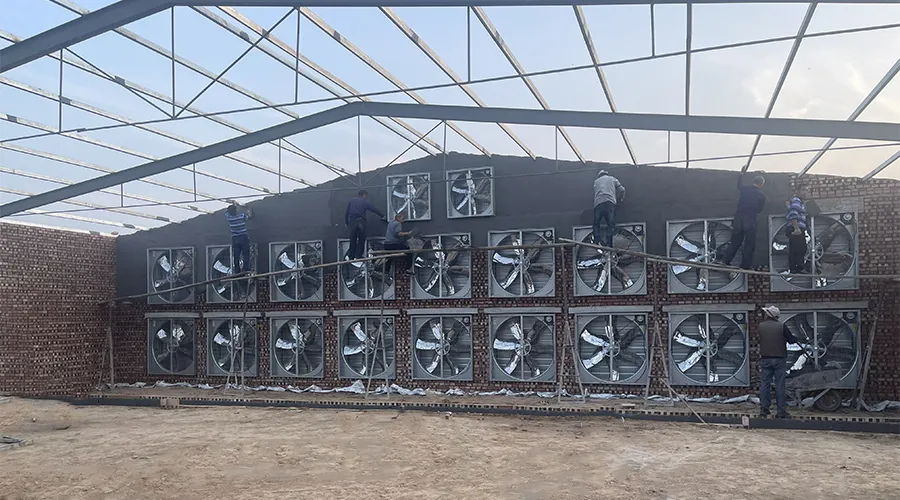
Trong thời tiết nóng bức, việc làm mát không chỉ đơn thuần là giảm con số hiển thị trên màn hình. Điều quan trọng là phải tạo cho gia cầm cơ hội thực sự để giải phóng nhiệt. Các giải pháp hiệu quả bao gồm thông gió kiểu đường hầm, tăng tốc độ gió, cách nhiệt mái nhà, và làm mát bằng bốc hơi kết hợp với phun sương hoặc tấm làm mát bốc hơi khi độ ẩm tại địa phương cho phép. Aviagen lưu ý rằng các trang trại hiện đại thường kết hợp làm mát bằng hiệu ứng gió lạnh từ tốc độ gió trong đường hầm cùng với làm mát bằng bốc hơi để bảo vệ hiệu suất đàn gia cầm trong những giai đoạn nắng nóng.
Tuy nhiên, việc làm mát cần được thực hiện một cách cẩn thận. Nếu bạn bổ sung quá nhiều nước mà không đảm bảo lượng khí thải đủ, có thể dẫn đến độ ẩm cao và khiến chim cảm thấy khó chịu hơn. Đó là lý do tại sao chúng tôi ưu tiên cách tiếp cận tổng thể: quạt, tấm làm mát, cảm biến, các lỗ hút khí ở vách bên và thuật toán điều khiển phải hoạt động phối hợp với nhau.
Một nguyên tắc cơ bản trong chăn nuôi là: khi nhiệt độ trong chuồng đạt 32°C trở lên, đặc biệt là trong các chuồng chăn nuôi đông đúc hoặc nuôi gia cầm cỡ lớn, mỗi phút không kiểm soát được điều kiện khí hậu đều ảnh hưởng tiêu cực đến năng suất. Khi nhiệt độ lên đến 35°C, đàn gia cầm cần được hỗ trợ kịp thời, luồng gió mạnh và nguồn nước ổn định.
Việc quản lý trong mùa đông khá phức tạp vì các trang trại thường giảm thời gian hoạt động của quạt để tiết kiệm nhiên liệu. Tuy nhiên, khi giảm tần suất thông gió quá mức, độ ẩm sẽ tăng cao, chất độn chuồng bị vón cục và khí độc tích tụ. Cả các nguồn thông tin từ cơ quan khuyến nông lẫn ngành thú y đều cảnh báo rằng chất độn chuồng ẩm ướt và khí amoniac bị giữ lại có thể gây kích ứng đường hô hấp và các vấn đề sức khỏe khác.
Đó là lý do tại sao mức thông gió tối thiểu vẫn rất quan trọng trong thời tiết lạnh. Aviagen khẳng định rằng không nên giảm mức thông gió xuống dưới mức tối thiểu cần thiết để kiểm soát độ ẩm, amoniac, CO₂ và CO, ngay cả khi các nhà chăn nuôi muốn cắt giảm chi phí sưởi ấm.
Trên thực tế, mục tiêu rất đơn giản: giữ ấm cho đàn gia cầm nhưng vẫn đảm bảo không khí trong lành. Vật liệu lót chuồng khô ráo, luồng gió vào tốt và thời gian hoạt động ổn định của quạt giúp đàn gia cầm duy trì môi trường sống tối ưu mà không bị gió lùa lạnh. Quản lý mùa đông đúng cách là một trong những cách nhanh nhất để bảo vệ sức khỏe gia cầm và giảm thiểu tổn thất tiềm ẩn.
Một hệ thống điều khiển hiện đại không nên chỉ theo dõi nhiệt độ. Hệ thống này cần kết nối các cảm biến và thiết bị để trang trại có thể phản ứng kịp thời, chứ không phải chậm trễ. Ít nhất, chúng tôi khuyến nghị nên theo dõi nhiệt độ, độ ẩm tương đối (RH), các cấp độ quạt, lượng nước sử dụng và các tình trạng báo động. Đối với các dự án quy mô lớn hơn, mức khí, áp suất và trạng thái thiết bị cũng cần được hiển thị.
Một hệ thống mạnh mẽ phải có khả năng trả lời các câu hỏi cơ bản chỉ trong vài giây:
| Tham số | Tại sao điều này lại quan trọng |
|---|---|
| Nhiệt độ không khí | Giúp chim duy trì mức độ thoải mái phù hợp |
| Độ ẩm tương đối | Ảnh hưởng đến sự thất thoát nhiệt, chất lượng chất độn chuồng và nguy cơ dịch bệnh |
| Amoniac | Nồng độ cao có thể gây hại cho mắt và đường hô hấp |
| Khí carbon dioxide | Cho thấy sự trao đổi không khí kém và không khí ngột ngạt |
| Sử dụng nước | Các giọt nước có thể là dấu hiệu của tình trạng căng thẳng hoặc sự cố thiết bị |
| Tình trạng quạt và cửa hút | Xác nhận rằng ngôi nhà thực sự có thể thông gió |
Trong các dự án “chìa khóa trao tay” của chúng tôi, chúng tôi nhận thấy kết quả tốt nhất khi hệ thống kiểm soát khí hậu được lên kế hoạch như một phần của toàn bộ công trình: thiết kế chuồng trại, hệ thống lồng hoặc sàn, hệ thống cấp nước, hệ thống cho ăn, xử lý phân chuồng và tự động hóa. Đó chính là cách các trang trại xây dựng một môi trường thoải mái và lành mạnh, thay vì phải chạy theo giải quyết các vấn đề mỗi buổi chiều.
Điều kiện khí hậu tốt hơn giúp gia cầm sử dụng nhiều chất dinh dưỡng hơn cho quá trình sản xuất và ít hơn cho việc sinh tồn. Khi điều kiện trong chuồng gần với mức tối ưu, gia cầm sẽ tiêu thụ nhiều thức ăn hơn vào những thời điểm thích hợp, lãng phí ít năng lượng hơn và thể hiện hiệu suất tổng thể tốt hơn. Khi nhiệt độ cao hoặc không khí ẩm ướt trở thành tình trạng kéo dài, lượng thức ăn tiêu thụ giảm và kết quả tăng trưởng hoặc đẻ trứng cũng sụt giảm.
Đối với gà thịt, điều này đồng nghĩa với việc tăng trọng tốt hơn và tỷ lệ chuyển đổi thức ăn ổn định hơn. Đối với gà đẻ, điều này đồng nghĩa với sản lượng trứng ổn định hơn, điều kiện chăn nuôi thoải mái hơn và năng suất ổn định hơn. Đối với các nhà đầu tư và chủ trang trại, điều này có liên quan trực tiếp đến lợi nhuận.
Đó là lý do tại sao những người chăn nuôi gia cầm chuyên nghiệp không coi nhiệt độ là một chi tiết nhỏ nhặt. Họ coi đó là một trong những hệ thống sản xuất cốt lõi của toàn bộ trang trại gia cầm. Những sai lầm trong việc kiểm soát khí hậu sẽ gây tốn kém. Còn việc tuân thủ nghiêm ngặt các quy định về khí hậu sẽ mang lại lợi ích.
Nhiệt độ lý tưởng cho chuồng gia cầm là bao nhiêu?
Điều này phụ thuộc vào độ tuổi và loại gia cầm. Gà thịt một ngày tuổi thường được nuôi ở nhiệt độ khoảng 30°C, trong khi những con lớn hơn sẽ dần được chuyển sang môi trường có nhiệt độ thấp hơn, thường là khoảng 20°C sau giai đoạn ấp.
Tại sao độ ẩm lại quan trọng trong các trại chăn nuôi gia cầm?
Bởi vì chim mất nhiệt kém hiệu quả hơn khi độ ẩm tương đối cao. Không khí ấm và ẩm làm tăng nguy cơ căng thẳng do nhiệt, chất lượng chất độn chuồng kém và các vấn đề về chất lượng không khí.
Các dấu hiệu của tình trạng căng thẳng do nhiệt ở gia cầm là gì?
Các triệu chứng thường gặp bao gồm chim thở hổn hển, uống nhiều nước hơn, giảm hoạt động, ăn ít hơn và giang cánh ra xa cơ thể. Các trường hợp nặng có thể dẫn đến tử vong.
Hệ thống thông gió giúp điều chỉnh nhiệt độ như thế nào?
Hệ thống thông gió giúp loại bỏ không khí ấm, ẩm và ngột ngạt, đồng thời đưa không khí trong lành vào. Hệ thống này còn giúp kiểm soát độ ẩm, amoniac và CO₂, chính vì vậy mà nó đóng vai trò then chốt trong việc điều hòa môi trường.
Việc kiểm soát nhiệt độ kém có thể ảnh hưởng đến hiệu suất chuyển hóa thức ăn không?
Đúng vậy. Khi chim bị nóng quá hoặc lạnh quá, chúng sẽ dành nhiều năng lượng hơn cho việc sinh tồn và ít năng lượng hơn cho sự phát triển hoặc đẻ trứng, điều này có thể làm giảm hiệu suất chuyển hóa thức ăn và làm giảm lợi nhuận.
Những yếu tố nào mà người chăn nuôi gia cầm cần theo dõi hàng ngày?
Ít nhất phải kiểm tra: nhiệt độ bên trong, độ ẩm tương đối (RH), độ ẩm của chất độn chuồng, lượng nước sử dụng, hoạt động của quạt và hành vi của gia cầm. Tại các trang trại quy mô lớn, cũng cần kiểm tra nồng độ khí và các cảnh báo từ bộ điều khiển.
Việc kiểm soát nhiệt độ trong chăn nuôi gia cầm liên quan đến toàn bộ môi trường trong chuồng, chứ không chỉ dựa vào một chỉ số nhiệt độ duy nhất.
Một trại chăn nuôi gia cầm hiện đại cần phải kiểm soát đồng thời nhiệt độ không khí, độ ẩm, các loại khí và luồng không khí.
Gà thịt một ngày tuổi thường được nuôi trong điều kiện nhiệt độ khoảng 30°C, và nhiệt độ mục tiêu sẽ được điều chỉnh giảm dần khi gà lớn lên.
Độ ẩm tương đối cao có thể khiến thời tiết ấm áp trở nên nguy hiểm hơn rất nhiều đối với các loài chim.
Hệ thống thông gió tốt giúp loại bỏ độ ẩm dư thừa, amoniac và khí carbon dioxide, đồng thời góp phần mang lại sự thoải mái và tốt cho sức khỏe.
Căng thẳng do nhiệt làm giảm lượng thức ăn tiêu thụ, ảnh hưởng tiêu cực đến tốc độ tăng trưởng và năng suất đẻ trứng, đồng thời có thể làm tăng tỷ lệ tử vong.
Việc kiểm soát khí hậu hiệu quả hơn sẽ giúp cải thiện điều kiện chăn nuôi, tỷ lệ chuyển hóa thức ăn và lợi nhuận tổng thể.
Sourcing poultry equipment from a Chinese manufacturer means controlling four variables di…
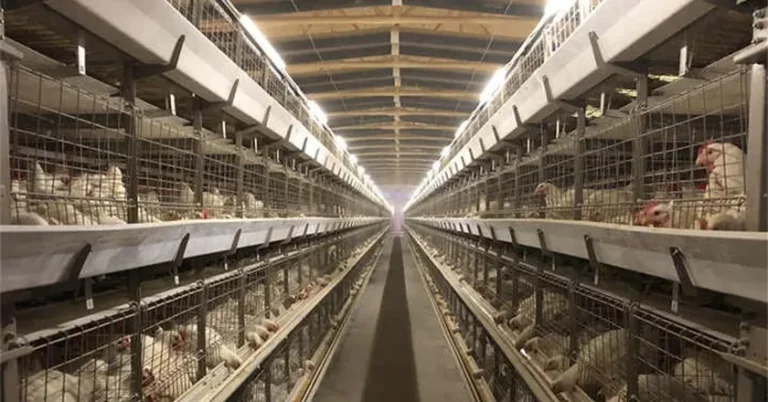
A steel structure poultry house is a prefabricated steel building designed for layer, broi…
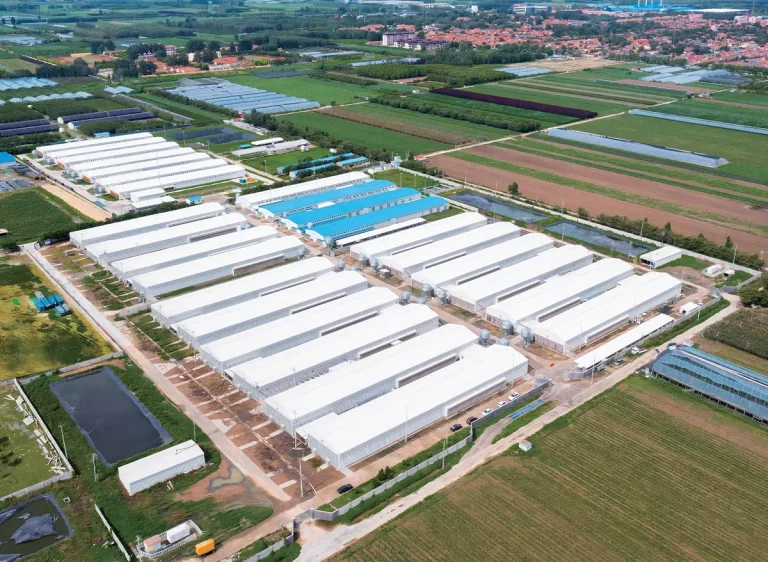
Chúng tôi sẽ trả lời yêu cầu của quý khách trong vòng 24 giờ. Đối với các yêu cầu khẩn cấp, vui lòng liên hệ với chúng tôi qua WhatsApp: +86 133 6144 9578 hoặc gọi trực tiếp cho chúng tôi.
*Chúng tôi tôn trọng quyền riêng tư của bạn. Tất cả thông tin được cung cấp đều được bảo mật tuyệt đối.
Thông tin của bạn chỉ được sử dụng để trả lời câu hỏi của bạn. Chúng tôi không bao giờ gửi email hoặc tin nhắn quảng cáo không mong muốn.