










Innovations in Poultry Shed Construction: How Modern Building Techniques Are Reshaping the Poultry Industry
Poultry Shed Construction: Modern Building Innovations Explore how modern poultry shed con…


En son haberlerimize göz atın,
 08:47
08:47 Poor lighting in a chicken coop can quietly reduce egg numbers, stress birds, and make winter management harder. Many farms guess with lighting, then wonder why performance drops. The right lighting plan solves that problem with better consistency, safer bird behavior, and stronger flock results.
The best light for chickens is usually a warm or neutral-white LED chicken coop light used with a timer to deliver a steady day length. For most laying hens, the goal is about 14–16 hours of light per day, added mainly in the morning, with even light intensity and no sudden changes.
Why does light matter so much in a chicken coop?
What type of light is best for chickens?
How many hours of light do laying hens need?
Should you use artificial light or natural light?
Is red light, white light, blue light, or green light better?
What light intensity is right for backyard poultry and commercial poultry?
Where should you place a chicken coop light and timer?
Why should you avoid heat lamps as a main light source?
What does an effective lighting plan look like for modern poultry projects?
How can the right lighting system improve farm design and project value?
Light affects more than visibility. A chicken does not just see the lamp. It uses light through their eyes and body systems as a biological signal. In simple terms, light stimulates feeding patterns, daily movement, and reproductive timing. That is why understanding how light affects flock behavior matters for both a small backyard chicken setup and a large poultry project.
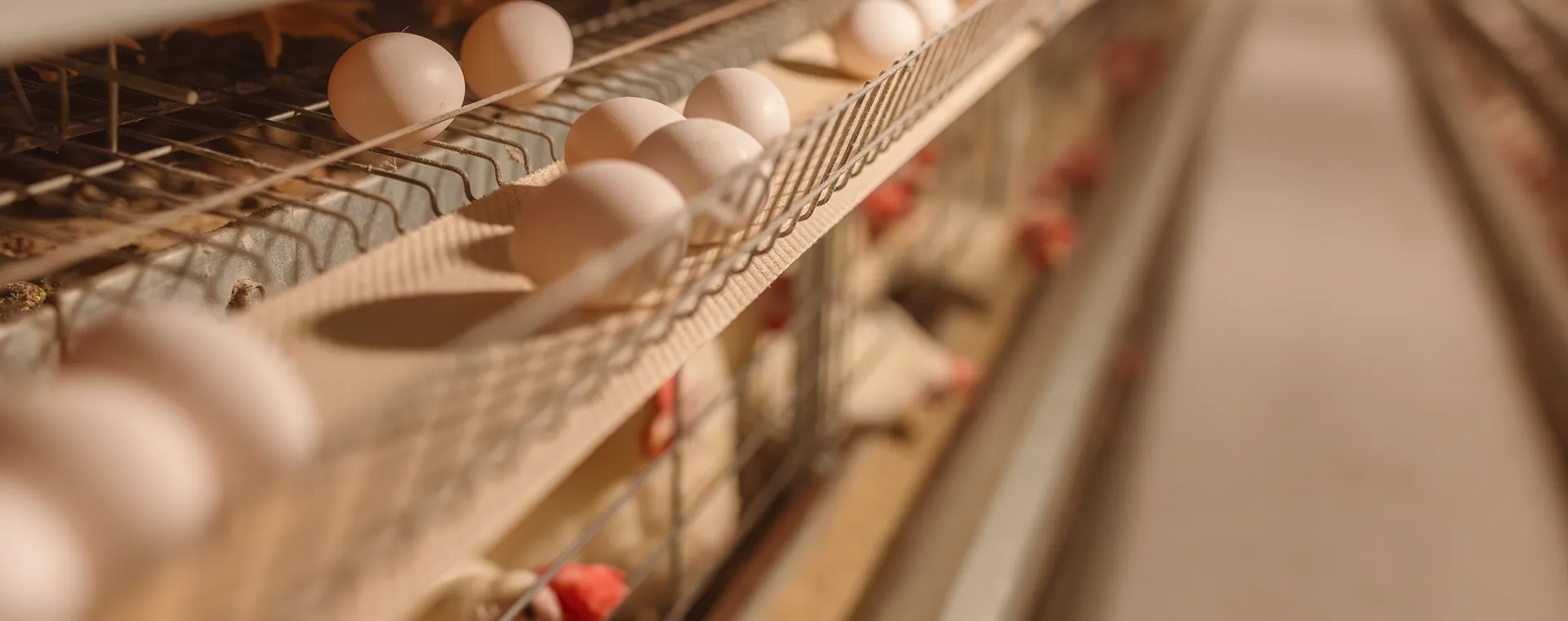
For egg production, the main factor is not only the bulb itself. It is the total light, including daylight plus any supplemental light. When day length drops in the winter months, many chicken keepers notice hens slow down or stop laying. That response to light is normal. Birds are sensitive to light, and declining day length tells their bodies to reduce output.
From our project experience, farms that treat lighting as part of housing design get better long-term results. A well-planned chicken coop, good ventilation, feeding lines, cage layout, and manure handling all work better when the amount of light is stable and easy to manage.
For most farms, the best light is an LED bulb or LED lamp that provides steady, even white light with low energy use. LED lighting is efficient, durable, and easy to pair with a timer. It can produce light consistently without the frequent replacement needs seen in older bulb types. That makes it practical for lighting for poultry and especially useful in lighting for small and backyard flocks.
A modern chicken coop light should be reliable, easy to clean, and safe around dust and moisture. The light output should not be harsh, and the lighting system should avoid flicker or sudden on-off changes. Many chicken keeper operations still use a basic light bulb, but an LED chicken coop light usually gives better efficiency and longer service life than compact fluorescent light bulbs or older incandescent options.
Here is a simple comparison:
| Light source | En uygun kullanım | Main advantage | Main caution |
|---|---|---|---|
| LED bulb | Most coops and poultry houses | Low power use, stable light output, long life | Choose good-quality light fixtures |
| Incandescent lamp | Small temporary setup | Cheap and simple | Higher energy use |
| Compact fluorescent light bulbs | Older systems | Moderate efficiency | More fragile, less favored today |
| Heat lamp | Brooding only, limited use | Gives heat and light for a chick | Fire risk if misused |
Most laying hens perform best with around 14–16 hours of light per day. For peak egg production, many extension and veterinary sources recommend that range, while also advising against sudden reductions once birds are in production. In practice, 16 hours of light is often treated as an upper target, not a number to exceed casually.
That does not mean you should jump from short winter days to a very long schedule overnight. Increasing light gradually is the safer path. A timer makes that easy. Many chicken keepers find that adding light in the morning works better than running a light late at night, because birds can still settle naturally at sunset and find the roost before dark.
A practical guide looks like this:
Natural light is ideal as the base. It supports a normal daily rhythm and costs nothing. But when daylight becomes short, especially in the winter months, using artificial light is often necessary if you want to maintain stable laying and reduce seasonal drops. That is why supplemental light is common in both backyard poultry and commercial poultry systems.
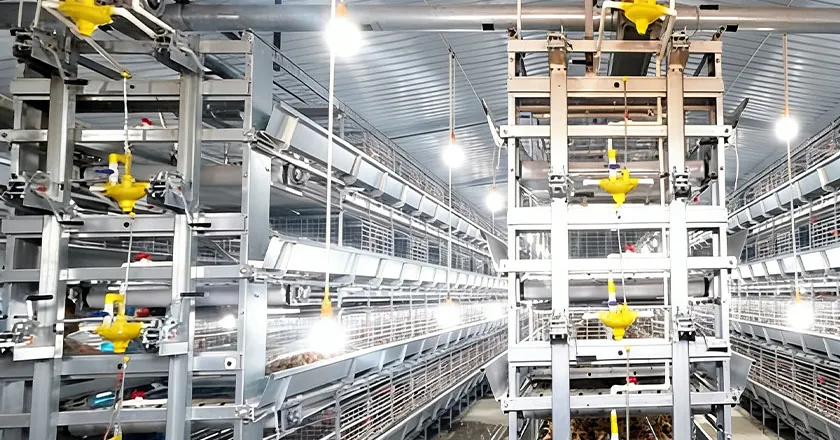
The key is balance. Do not replace every natural pattern. Instead, provide artificial light to support the flock’s light needs. In a basic chicken coop, you may only need one lamp and a timer. In a larger steel-structure house, you may need a full lighting system integrated with iklim kontrolü, feeders, drinkers, and cage zones. We often tell customers that lighting is not a separate accessory. It is part of the house engineering.
The color of light matters, but not in a magical way. What matters most is stability, visibility, and how the spectrum of light fits the production goal. For general laying performance, white light from a quality LED bulb is the most practical choice because it is easy to manage, easy to source, and comfortable for routine work inside the coop.
You will also hear about red light, blue light, green light, and blue-green light. These terms relate to different parts of the visible light spectrum. In simple science terms, light is electromagnetic radiation, and wavelength determines the color of light. Different light produced by different lamps may influence behavior differently, but for most farmers, the first goal is still effective lighting, not chasing special colors.
A sensible summary:
So, what’s the best option for most farms? A steady white or warm-neutral LED lamp with correct timing.
Brightness matters too. Too little light creates a low light environment where birds eat less, move less, and become harder to inspect. Too much high light can increase stress, feather pecking, or nervous behavior in some systems. Veterinary and extension guidance often points to roughly 10 lux or about 1 foot-candle at the feed trough as a useful benchmark for laying flocks.
That said, light intensity should match the housing type. A backyard chicken coop with a few birds does not need the same light levels as a large cage house. The amount of light should be even, with no extreme dark corners near feeders, drinkers, or nest zones. Good light fixtures help keep the coop workable for both birds and staff.
Here is a simple rule:
| Farm type | Suggested approach |
|---|---|
| Small coop | One or two evenly placed lamps, soft but clear light |
| Medium house | Uniform coverage over feed, water, and walking lanes |
| Large poultry house | Engineered lighting plan with measured zones and timer control |
Placement can make or break a good system. Put the lamp high enough to spread light evenly, but not so high that light output is wasted. Avoid aiming the light straight into birds’ eyes at roost height. Keep the coop door, feeder line, and water line visible without making one area too bright and another too dark.
A timer is essential. Using an automatic timer removes guesswork and gives birds the same schedule every day. That consistency is one of the simplest ways to improve flock management. Many backyard chicken keepers add light in the morning before sunrise rather than after dusk, because chickens need to be able to roost naturally at night.
A basic lighting plan might be:
Many people confuse heat and light. A heat lamp is not the best general light for chickens. It has a role for a young chick during brooding, but it is not the ideal everyday light source for a laying flock. Brooding guidance commonly uses warm supplemental heat for early life stages, then reduces that extra heat as chicks feather out.
The real issue is safety. Farms should not use heat lamps casually in dusty poultry housing. Use heat lamps only when needed and with proper mounting, protection, and supervision. For mature birds, focus on a safe lamp for visibility and schedule control, not on using heat as a lighting solution.
In everyday terms:
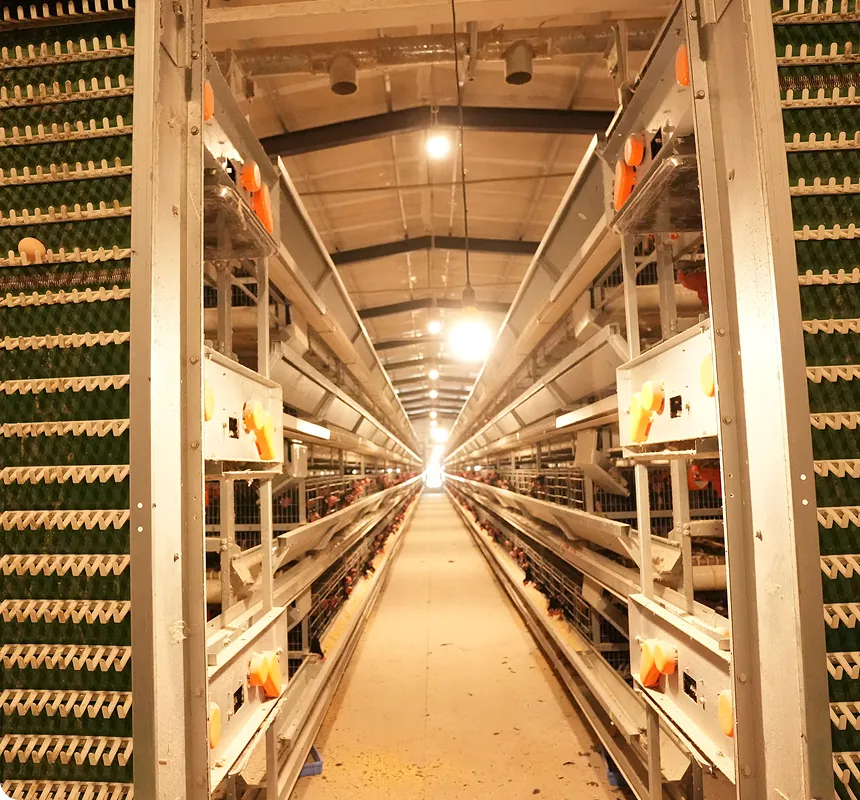
An effective lighting plan is simple on paper but powerful in practice. It should define the type of lamp, timer schedule, light levels, maintenance routine, and flock stage. It should also match the wider housing system. That is especially important when you raise chickens in medium or large-scale operations.
Here is an example project logic we often recommend:
This is where turnkey engineering adds value. A lighting system works better when it is designed together with the steel structure, cage rows, electrical layout, cooling pads, fans, and service paths. For investors and distributors, this creates a clearer project standard. For farm owners, it creates easier daily management.
This is where desire turns into action. If you are a farm owner, integrated poultry company, investor, or equipment distributor, the right light for chickens is not only a bird-care question. It is also an engineering and ROI question. Better lighting can support egg production, inspection efficiency, labor control, and house consistency.
We work with customers who want more than one lamp and one switch. They want a complete, customizable poultry solution: steel-structure houses, cages, feeding, drinking, climate control, and manure treatment equipment that work together. In those projects, lighting can also support easier expansion, cleaner house management, and more predictable operating conditions.
Mini case example
A medium-scale layer farm may start with a simple question: “What light should we install?” But the better question is broader:
That is why professional poultry engineering matters. The best chicken coop is not the one with the fanciest bulb. It is the one where light, airflow, feeding, water, and manure flow all support the same production goal.
What type of light is best for chickens in a coop?
For most farms, an LED bulb or LED lamp that gives steady white light is the best choice. It is efficient, long-lasting, and easy to control with a timer.
Tavukların yumurta bırakabilmesi için kaç saat ışığa ihtiyaçları vardır?
Most laying hens do best with about 14–16 hours of light per day when natural daylight and supplemental light are counted together.
Is red light better than white light for chickens?
Red light has special uses in some management situations, but white light is usually the most practical and balanced option for everyday coop and poultry house lighting.
Should I add light at night or in the morning?
Morning is usually better. Extension guidance often recommends adding light in the morning so birds can still go to roost naturally at sunset.
Can I use a heat lamp for adult chickens?
It is better not to use a heat lamp as the main light source for adult birds. Heat lamps are mainly for brooding and require careful fire-safe use.
Does lighting really affect egg production?
Yes. Declining day length can reduce laying, and consistent supplemental lighting can help maintain production in the winter months.
LED lighting is usually the best all-around choice for a chicken coop light.
Most laying hens need about 14–16 hours of light for stable egg production.
Add supplemental light in the morning, not just after sunset.
Use a timer to keep the schedule consistent.
Avoid using a heat lamp as the main light for adult birds.
The right lighting plan should match the whole poultry house, not just the bulb.
For large and medium-scale farms, lighting works best when integrated with steel houses, cages, feeding, drinking, climate control, and manure treatment systems.
Poultry Shed Construction: Modern Building Innovations Explore how modern poultry shed con…
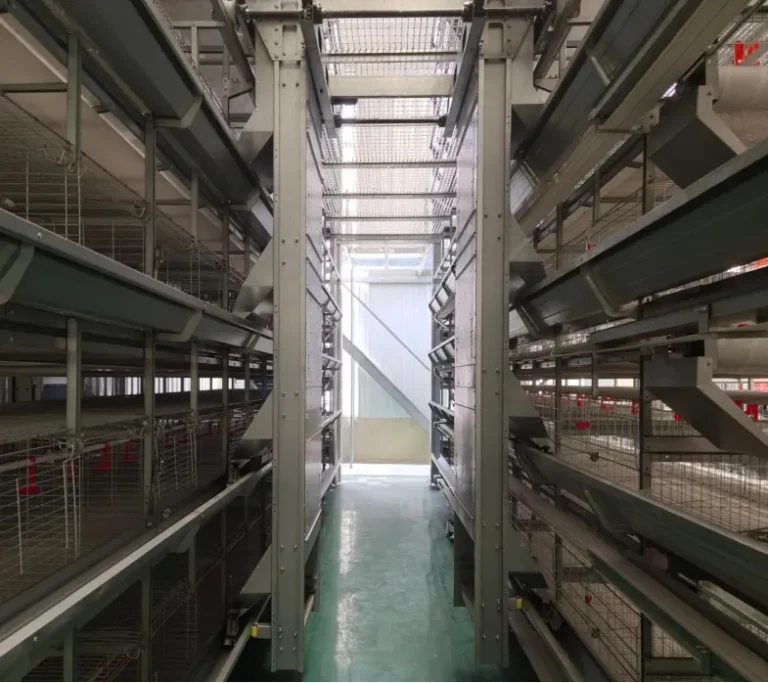
Learn how to plan a modern poultry house with steel structures, ventilation, cooling, heat…
Sorunuza 24 saat içinde cevap vereceğiz. Acil sorularınız için lütfen WhatsApp üzerinden +86 133 6144 9578 numaralı telefondan bize ulaşın veya doğrudan bizi arayın.
*Gizliliğinize saygı duyuyoruz. Gönderilen tüm bilgiler kesinlikle gizlidir.
Bilgileriniz yalnızca sorunuzu yanıtlamak için kullanılacaktır. İstenmeyen e-postalar veya promosyon mesajları asla göndermiyoruz.