












What Is the Best Layout for a Chicken Coop? A Practical Chicken Coop Design Guide for Healthy Flocks and Easy Management
A bad coop layout can lead to wet bedding, broken eggs, dirty feeders, poor airflow, and s…

 09:50
09:50 A hatchery can lose output fast when one key machine is missing or poorly planned. Bad egg handling, weak incubation control, poor sanitation, or slow chick processing can hurt hatch results. The answer is a complete hatchery equipment layout built around egg flow, chick quality, and biosecurity.
The main equipment in a hatchery includes egg storage and pre-warming systems, setters, incubators, hatchers, candlers, trays, trolleys, chick processing equipment, sanitation tools, chick boxes, climate control systems, and backup power. The exact list depends on hatchery size, bird type, capacity, automation level, and whether the project is for chicken, quail, or other poultry.
What Is Hatchery Equipment and Why Does It Matter?
What Equipment Is Used Before Eggs Enter the Incubator?
What Do Setters and Incubators Do in the Hatchery?
Why Are Trays, Setter Trolleys, Racks, and Candlers Important?
What Happens in the Hatcher Stage?
What Chick Processing Equipment Is Used After Hatch?
What Sanitation and Biosecurity Equipment Does a Hatchery Need?
Do You Need a Brooder, Generator, and Other Support Accessories?
How Important Are Hatchery Building, Ventilation, and Control Systems?
How Should Buyers Choose a Turnkey Hatchery Solution?
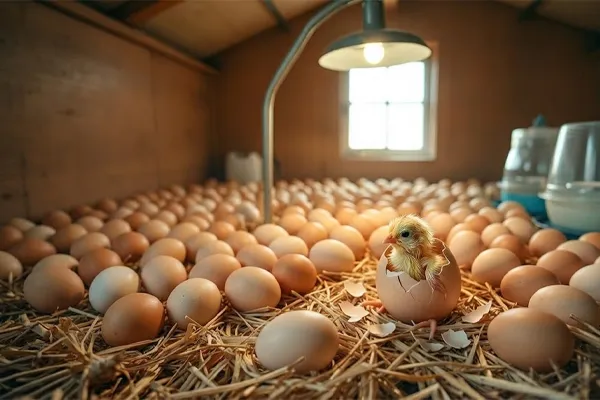
Hatchery equipment is the full group of machines, tools, and support systems used to move a fertile egg from storage to incubation, hatch, chick processing, holding, and transport. In a modern hatchery, the flow usually starts with egg collection and storage, then moves to pre-warming, the setter, the hatcher, chick grading, vaccination, boxing, and dispatch. USDA guidance for commercial poultry hatcheries describes this same step-by-step flow and notes that automation can also connect grading, candling, in ovo vaccination, transfer, chick counting, and boxing.
The real goal is not just to hatch eggs. The goal is to produce strong, uniform chicks with good health and good output while keeping labor, disease risk, and handling stress under control. Mississippi State Extension notes that successful incubation depends on controlling temperature, humidity, ventilation, egg turning, and sanitation, which is why the right machine list matters from the first day of design.
As a professional manufacturer and engineering supplier of turnkey poultry and rabbit farming systems, we look at the hatchery as one part of a larger poultry project. The hatchery must connect smoothly with breeding, rearing, feed supply, climate control, manure treatment, and bird transport. Large and medium-scale farm owners and equipment distributors usually do better when they buy a coordinated solution rather than separate machines that do not match each other.
Before a fertile egg enters the incubator, the hatchery needs equipment for receiving, selection, storage, and pre-warming. Texas A&M notes that successful hatching starts with fresh, clean, fertile eggs and careful storage; it recommends storing fertile eggs less than 10 days, at about 55–65°F and around 75% relative humidity. USDA also notes that a dedicated pre-warming room should provide good air circulation, about 73°F, and about 45% relative humidity to avoid egg sweating before setting.
That means the first equipment group often includes egg receiving tables, storage racks, an egg room, pre-warming room equipment, temperature and humidity control, and carts or trolley systems for moving trays without rough handling. In smaller operations, this may also include simple storage shelves, a thermometer, a thermostat, and manual checking tools. In larger projects, it often includes automatic room control, alarms, and airflow management.
A practical pre-incubation list often includes:
| Equipment | Main Job |
|---|---|
| Egg receiving table | Sorting and visual checking |
| Storage rack | Holding eggs safely before set |
| Egg tray | Protecting eggs during handling |
| Pre-warming room | Bringing eggs to set temperature gradually |
| Trolley | Moving trays with less shock |
| Thermometer / sensors | Checking room conditions |
| Humidity and air control | Reducing stress on embryos |
| Washer / sanitation tools | Cleaning dirty contact equipment, not dirty eggs for set |
| Backup generator | Protecting eggs during power loss |
Poor handling at this early stage can damage the embryo before incubation even begins, so the hatchery’s first machines are just as important as the setter itself.
The setter is the main machine used for the first stage of artificial incubation. USDA describes the setter as the place where eggs are held under precise temperature control and turned regularly; in modern hatcheries, turning devices rotate eggs 90 degrees, often every hour, and eggs should be placed large end up. Mississippi State also emphasizes that a well-designed incubator is essential if good hatchability is expected.
In practice, the setter must control temperature, airflow, and turning with high accuracy. Mississippi State’s hatchery management guide lists the five major hatchery functions as temperature, humidity, ventilation, egg turning, and sanitation. If one function drifts, hatch results may drop; if two or more go wrong at the same time, losses can become serious.
In small systems, the incubator may use a lamp, water pan, thermostat, and manual turning. FAO notes that many commercial artificial incubators use electricity, while some use gas or kerosene, all with thermostatic control and water surface area to maintain humidity. In commercial systems, buyers usually want cabinet setters with automatic control, easy-to-clean chambers, better capacity, and data monitoring.
This is also where buyers start comparing brands and machine types. In the global market, many poultry buyers recognize names such as Petersime, Jamesway, Chick Master, and the legacy NatureForm brand when comparing incubation lines, but the best choice still depends on egg capacity, hatchery flow, service support, and project size.
A hatchery does not run on cabinet machines alone. Supporting tools such as the tray, basket, rack, and setter trolleys are critical because they affect egg positioning, transfer speed, sanitation, and labor efficiency. USDA notes that automated hatcheries can use machines to grade eggs, candle eggs, perform in ovo vaccination, and transfer eggs to the hatcher at about day 18 of incubation.
Candlers are especially important because they help identify infertile eggs and dead embryos before hatch. FAO explains that eggs can be tested for fertility by holding them to a bright light and that a candling box works best; infertile “clears” can then be removed. FAO also notes that candling during days 5–7 and later again can improve the economic value of the process by separating non-viable eggs earlier.
These items look simple, but they save labor, reduce breakage, and help the hatchery maintain a cleaner, faster, and more automatic process.
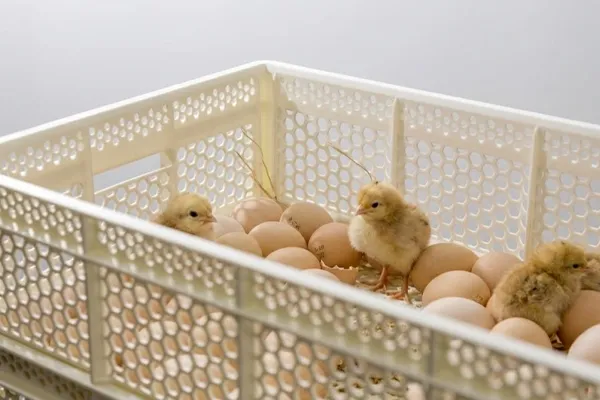
The hatcher is used for the final stage of development, when the egg is no longer turned and the embryo prepares to hatch. USDA says hatchers are kept in a separate room to isolate down, egg debris, and microorganisms generated during hatching from the rest of the hatchery. The eggs are moved from the setter into chick-holding trays or hatching baskets so the chicks can emerge safely.
Mississippi State likewise explains that separate hatching units allow better sanitation and disease control between batches of chicks and let the chicks hatch without disturbing the younger eggs still in the setters. That is why commercial hatcheries commonly use separate setters and hatchers rather than one all-purpose machine.
A typical hatcher-stage equipment list includes:
The hatcher stage is also time-sensitive. USDA notes that chicks should be removed when most are dry and fluffed but before they remain too long, because removing chicks too early or too late can both hurt chick quality.
After hatch, the next big group is processing equipment for the day-old chick. USDA says chicks are separated from hatching debris, graded into first quality or culls, and then may be sexed, vaccinated, sorted, counted, and packed into chick boxes before moving to the holding area. It also notes that spray vaccination is common for day-old chicks and that automated systems can count, weigh, vaccinate, and box chicks.
That means common chick processing equipment includes:
In more advanced lines, buyers may also consider live embryo detection, transfer automation, in ovo vaccine equipment, and in-line spray systems. USDA and commercial hatchery automation suppliers both describe these steps as part of modern hatchery automation, especially in large chicken operations.
For large farms, integrated poultry companies, and distributors, this is where labor savings become very visible. Faster, gentler processing can improve chick quality, reduce handling damage, and make output more consistent.
Sanitation is not one machine. It is a system. Mississippi State says incubators and hatchers should be thoroughly cleaned and disinfected before each use and that a strong cleaning job can improve disease control dramatically. USDA also lists routine cleanup, microbiological monitoring, and safe use of disinfectants as critical parts of commercial hatchery management.
UC ANR’s hatchery biosecurity guidance adds that staff should wash hands before handling eggs or chicks, use dedicated outerwear and boots, and maintain rodent and insect control in the hatchery. That means biosecurity equipment often includes boot dips, handwash stations, protective clothing, pest-control tools, and room-by-room separation.
Common sanitation equipment includes:
A hatchery building should also separate clean egg flow from dirty chick-debris flow as much as possible. That one-way movement is a basic rule for good hatchery operations.
A brooder is not always part of the hatchery room itself, but it is often part of the full project solution because newly hatched chicks need heat, water, and feed soon after placement. Extension sources note that chicks cannot regulate body temperature well in the first weeks and need a brooder or heat source, plus easy access to feed and water.
A generator is also essential in many hatcheries because incubation cannot stop when electricity fails. Even short power loss can damage embryo development, especially in large setter rooms. That is why serious hatchery planning usually includes generator backup, electrical control panels, alarm systems, and emergency response procedures.
Other useful support accessory items may include:
In short, the hatchery’s “small” equipment often decides whether the “big” machines perform well every day.
The hatchery building itself is part of the equipment plan. Mississippi State and USDA both stress that incubation depends on proper temperature, humidity, and ventilation, and USDA specifically notes that modern computer-controlled machines can monitor temperature, humidity, carbon dioxide, and egg turning in each setter.
That means a hatchery needs more than incubators. It also needs:
USDA also notes that chicks are delivered to farms in specialized vehicles with heating, cooling, and ventilation systems, and that the chick-holding room should keep chicks close to their thermo-neutral zone before dispatch. In practical terms, a hatchery is part of a full logistics chain, not only a room with cabinets.
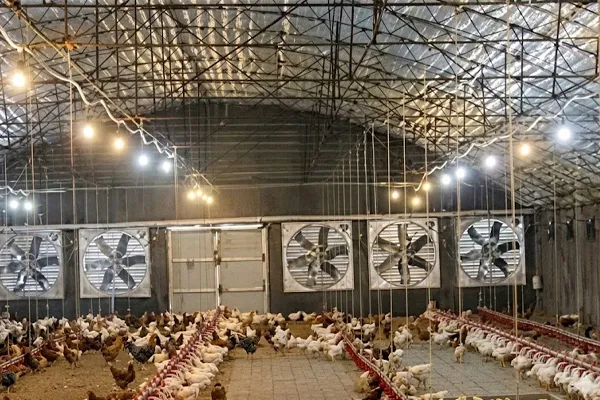
The right solution depends on target output, bird species, automation level, and how the hatchery connects to the farm. A chicken hatchery for hundreds of thousands of eggs needs a very different machine layout from a quail project, a research unit, or a medium-scale breeder farm. Mississippi State notes that the same basic incubation principles apply across domestic fowl, including chicken, turkey, waterfowl, and game birds, but operating details change by species.
When buyers compare suppliers, they should ask:
As a turnkey supplier, we usually recommend buyers plan the hatchery together with steel-structure houses, feeding, drinking, climate control, manure treatment, and later rearing systems. That gives large and medium-scale farm owners a more stable long-term result than buying hatchery machines in isolation.
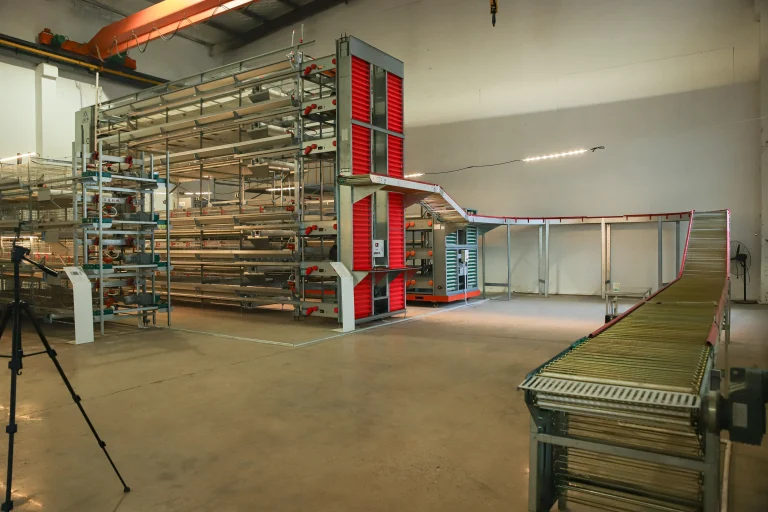
The list below combines the most common commercial and project-level items mentioned by extension, USDA, and hatchery references.
| Equipment Group | Typical Items |
|---|---|
| Egg receiving | tables, racks, tray handling, inspection lights |
| Egg storage | storage room, rack, thermometer, humidity control |
| Pre-setting | pre-warming room, trolley, tray staging |
| Incubation | setter, incubator chamber, turning system, control panel |
| Transfer | candlers, transfer tables, setter trays, setter trolleys |
| Hatch | hatcher, baskets, hatcher trays, hatch room controls |
| Chick processing | graders, counters, vaccination units, chick boxes |
| Chick holding | chick room, climate control, staging racks |
| Sanitation | washer, disinfectant tools, filter systems, waste bins |
| Utilities | generator, electrical panels, water line, valve, alarm |
What is the main equipment in a hatchery?
The main equipment usually includes egg storage systems, pre-warming equipment, setters, incubators, hatchers, candlers, trays, trolleys, chick processing equipment, sanitation tools, chick holding systems, and backup utilities such as a generator.
What is the difference between a setter and a hatcher?
A setter is used for the early and middle stage of incubation, when eggs are turned and environmental conditions are tightly controlled. A hatcher is used for the final stage, when eggs are no longer turned and chicks emerge in a separate, more isolated area.
Why do hatcheries use separate setters and hatchers?
Separate units improve sanitation and disease control and keep hatching debris away from younger eggs. They also let hatchery staff manage transfer and hatch timing more accurately.
Is candling equipment necessary in a hatchery?
Yes. Candling helps remove infertile eggs and dead embryos before hatch, which improves hygiene, space use, and process control. In automated hatcheries, candling is often built into transfer systems.
What equipment is used after chicks hatch?
After hatch, common equipment includes separators, grading tables, sexing stations, vaccine sprayers or in-ovo systems, counting units, weighing units, and chick boxes for transport.
Do small hatcheries need the same equipment as large hatcheries?
They need the same basic functions, but not always the same machine size or automation level. Small hatcheries may use simpler incubators, manual turning, or basic candling tools, while large hatcheries use automated cabinets, transfer lines, and chick processing systems.
Is a brooder part of hatchery equipment?
Sometimes. A brooder is more often part of the post-hatch chick care area, but many turnkey poultry projects include brooders, feed, and drink systems because chicks need heat and quick access to water and feed after placement.
Hatchery equipment is a full system, not just an incubator.
The core flow is egg receiving, storage, pre-warming, setter, hatcher, chick processing, holding, cleaning, and transport.
The five core incubation functions are temperature, humidity, ventilation, egg turning, and sanitation.
Setters and hatchers should usually be separated for better hygiene and control.
Candlers, trays, baskets, trolleys, and washers are small items with a big effect on hatchery efficiency.
Modern hatcheries often include chick grading, vaccination, counting, and boxing lines.
Sanitation, biosecurity, and airflow are just as important as machine capacity.
Backup generator, electrical control, and building ventilation should be planned from the start.
The best hatchery solution is the one that matches bird type, output target, automation level, and the rest of the farm system.
A bad coop layout can lead to wet bedding, broken eggs, dirty feeders, poor airflow, and s…
A hatchery can lose output fast when one key machine is missing or poorly planned. Bad egg…
Sorunuza 24 saat içinde cevap vereceğiz. Acil sorularınız için lütfen WhatsApp üzerinden +86 133 6144 9578 numaralı telefondan bize ulaşın veya doğrudan bizi arayın.
*Gizliliğinize saygı duyuyoruz. Gönderilen tüm bilgiler kesinlikle gizlidir.
Bilgileriniz yalnızca sorunuzu yanıtlamak için kullanılacaktır. İstenmeyen e-postalar veya promosyon mesajları asla göndermiyoruz.