










Sourcing Poultry Equipment Manufacturers in China: Buyer Guide
Sourcing poultry equipment from a Chinese manufacturer means controlling four variables di…


En son haberlerimize göz atın,
 09:50
09:50 Bir kuluçkahane, önemli bir makine eksik olduğunda veya kötü planlandığında üretimini hızla kaybedebilir. Kötü yumurta işleme, zayıf kuluçka kontrolü, kötü sanitasyon veya yavaş civciv işleme, kuluçka sonuçlarına zarar verebilir. Çözüm, yumurta akışı, civciv kalitesi ve biyogüvenlik üzerine kurulu eksiksiz bir kuluçkahane ekipmanı düzenidir.
Bir kuluçkahanedeki ana ekipmanlar arasında yumurta depolama ve ön ısıtma sistemleri, ayarlayıcılar, kuluçka makineleri, kuluçka makineleri, şekerleyiciler, tepsiler, arabalar, civciv işleme ekipmanları, sanitasyon araçları, civciv kutuları, iklim kontrol sistemleri ve yedek güç bulunur. Kesin liste, kuluçkahanenin büyüklüğüne, piliç türüne, kapasitesine, otomasyon seviyesine ve projenin tavuk, bıldırcın veya diğer kümes hayvanları için olup olmadığına bağlıdır.
Kuluçkahane Ekipmanı Nedir ve Neden Önemlidir?
Yumurtalar Kuluçka Makinesine Girmeden Önce Hangi Ekipmanlar Kullanılır?
Setterler ve Kuluçka Makineleri Kuluçkahanede Ne Yapar?
Tepsiler, Setter Arabaları, Raflar ve Mumluklar Neden Önemlidir?
Hatcher Aşamasında Ne Olur?
Kuluçkadan Sonra Hangi Civciv İşleme Ekipmanları Kullanılır?
Bir Kuluçkahanenin Hangi Sanitasyon ve Biyogüvenlik Ekipmanlarına İhtiyacı Vardır?
Kuluçka Makinesi, Jeneratör ve Diğer Destek Aksesuarlarına İhtiyacınız Var mı?
Kuluçkahane Bina, Havalandırma ve Kontrol Sistemleri Ne Kadar Önemli?
Alıcılar Anahtar Teslim Kuluçkahane Çözümünü Nasıl Seçmeli?
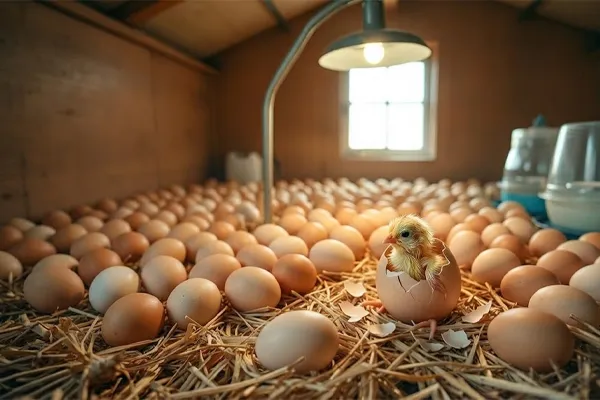
Kuluçkahane ekipmanları Döllü bir yumurtayı depodan kuluçkaya, kuluçkadan civciv işlemeye, bekletmeye ve nakliyeye taşımak için kullanılan makineler, aletler ve destek sistemlerinin tamamıdır. Modern bir kuluçkahanede akış genellikle yumurta toplama ve depolama ile başlar, ardından ön ısıtma, setter, kuluçka makinesi, civciv sınıflandırma, aşılama, kutulama ve sevkiyata geçer. Ticari kümes hayvanı kuluçkahaneleri için USDA kılavuzu aynı adım adım akışı tanımlar ve otomasyonun sınıflandırma, mumlama, in ovo aşılama, transfer, civciv sayımı ve kutulamayı da birbirine bağlayabileceğini belirtir.
Asıl amaç sadece yumurtadan çıkmak değildir. Amaç, işçilik, hastalık riski ve taşıma stresini kontrol altında tutarken, iyi sağlık ve iyi verim ile güçlü, tek tip civcivler üretmektir. Mississippi State Extension, başarılı kuluçkanın sıcaklık, nem, havalandırma, yumurta çevirme ve sanitasyonun kontrolüne bağlı olduğunu, bu nedenle doğru makine listesinin tasarımın ilk gününden itibaren önemli olduğunu belirtiyor.
Anahtar teslim kümes hayvanı ve tavşan yetiştirme sistemlerinin profesyonel üreticisi ve mühendislik tedarikçisi olarak, kuluçkahaneye daha büyük bir kümes hayvanı projesinin bir parçası olarak bakıyoruz. Kuluçkahane, yetiştirme, yem tedariki, iklim kontrolü, gübre işleme ve kanatlı nakliyesi ile sorunsuz bir şekilde bağlantılı olmalıdır. Büyük ve orta ölçekli çiftlik sahipleri ve ekipman distribütörleri, birbiriyle uyuşmayan ayrı makineler yerine koordineli bir çözüm satın aldıklarında genellikle daha başarılı olurlar.
Döllü bir yumurta kuluçka makinesine girmeden önce, kuluçkahanenin yumurta alımı, seçimi, depolanması ve ön ısıtması için ekipmana ihtiyacı vardır. Texas A&M, başarılı kuluçkanın taze, temiz, verimli yumurtalar ve dikkatli depolama ile başladığını belirtiyor; verimli yumurtaların 10 günden az, yaklaşık 55-65 ° F ve yaklaşık 75% bağıl nemde saklanmasını öneriyor. USDA ayrıca, özel bir ön ısıtma odasının iyi hava sirkülasyonu, yaklaşık 73°F ve yaklaşık 45% bağıl nem sağlaması gerektiğini belirtmektedir.
Bu, ilk ekipman grubunun genellikle yumurta kabul masaları, depolama rafları, bir yumurta odası, ön ısıtma odası ekipmanı, sıcaklık ve nem kontrolü ve tepsileri kaba kullanmadan taşımak için arabalar veya el arabası sistemleri içerdiği anlamına gelir. Daha küçük operasyonlarda, basit depolama rafları, bir termometre, bir termostat ve manuel kontrol araçlarını da içerebilir. Daha büyük projelerde, genellikle otomatik oda kontrolü, alarmlar ve hava akışı yönetimini içerir.
Pratik bir ön inkübasyon listesi genellikle şunları içerir:
| Ekipman | Ana İş |
|---|---|
| Yumurta alma masası | Sıralama ve görsel kontrol |
| Depolama rafı | Setten önce yumurtaların güvenli bir şekilde tutulması |
| Yumurta tepsisi | Taşıma sırasında yumurtaların korunması |
| Ön ısıtma odası | Yumurtaları kademeli olarak ayarlanan sıcaklığa getirme |
| El Arabası | Tepsileri daha az şokla taşıma |
| Termometre / sensörler | Oda koşullarının kontrol edilmesi |
| Nem ve hava kontrolü | Embriyolar üzerindeki stresin azaltılması |
| Yıkayıcı / sanitasyon araçları | Kirli temas ekipmanlarının temizlenmesi, set için kirli yumurtaların değil |
| Yedek jeneratör | Güç kaybı sırasında yumurtaların korunması |
Bu erken aşamada kötü muamele embriyoya daha kuluçka başlamadan zarar verebilir, bu nedenle kuluçkahanenin ilk makineleri en az setterin kendisi kadar önemlidir.
Setter, yapay kuluçkanın ilk aşaması için kullanılan ana makinedir. USDA kuluçka makinesini yumurtaların hassas sıcaklık kontrolü altında tutulduğu ve düzenli olarak döndürüldüğü yer olarak tanımlamaktadır; modern kuluçkahanelerde döndürme cihazları yumurtaları genellikle her saat 90 derece döndürür ve yumurtalar büyük uçları yukarı gelecek şekilde yerleştirilmelidir. Mississippi Eyaleti ayrıca iyi bir kuluçka kabiliyeti bekleniyorsa iyi tasarlanmış bir kuluçka makinesinin şart olduğunu vurgulamaktadır.
Uygulamada, ayarlayıcı sıcaklığı, hava akışını ve dönüşü yüksek doğrulukla kontrol etmelidir. Mississippi Eyaleti'nin kuluçkahane yönetim kılavuzu, beş ana kuluçkahane işlevini sıcaklık, nem, havalandırma, yumurta çevirme ve sanitasyon olarak listeler. İşlevlerden biri aksarsa, kuluçka sonuçları düşebilir; iki veya daha fazlası aynı anda ters giderse, kayıplar ciddi hale gelebilir.
Küçük sistemlerde inkübatör bir lamba, su kabı, termostat ve manuel çevirme kullanabilir. FAO, birçok ticari yapay inkübatörün elektrik kullandığını, bazılarının ise gaz veya gazyağı kullandığını, hepsinin termostatik kontrol ve nemi korumak için su yüzey alanına sahip olduğunu belirtmektedir. Ticari sistemlerde, alıcılar genellikle otomatik kontrollü kabin ayarlayıcıları, kolay temizlenebilir bölmeler, daha iyi kapasite ve veri izleme isterler.
Bu aynı zamanda alıcıların markaları ve makine tiplerini karşılaştırmaya başladığı yerdir. Küresel pazarda, birçok kümes hayvanı alıcısı kuluçka hatlarını karşılaştırırken Petersime, Jamesway, Chick Master ve eski NatureForm markası gibi isimleri tanır, ancak en iyi seçim yine de yumurta kapasitesi, kuluçkahane akışı, hizmet desteği ve proje boyutuna bağlıdır.
Bir kuluçkahane yalnızca kabin makineleriyle çalışmaz. Tepsi, sepet, raf ve ayar arabaları gibi destekleyici araçlar, yumurta konumlandırma, transfer hızı, sanitasyon ve işgücü verimliliğini etkiledikleri için kritik öneme sahiptir. USDA, otomatik kuluçkahanelerin yumurtaları sınıflandırmak, mumlamak, in ovo aşılama yapmak ve kuluçkanın yaklaşık 18. gününde yumurtaları kuluçka makinesine aktarmak için makineleri kullanabileceğini belirtmektedir.
Mumlayıcılar özellikle önemlidir çünkü kısır yumurtaların ve ölü embriyoların yumurtadan çıkmadan önce tespit edilmesine yardımcı olurlar. FAO, yumurtaların parlak bir ışığa tutularak doğurganlık açısından test edilebileceğini ve bir mumlama kutusunun en iyi sonucu verdiğini açıklamaktadır; kısır “temizler” daha sonra çıkarılabilir. FAO ayrıca 5-7. günlerde ve daha sonra tekrar mumlamanın, canlı olmayan yumurtaları daha erken ayırarak sürecin ekonomik değerini artırabileceğini belirtiyor.
Bu öğeler basit görünmekle birlikte işçilikten tasarruf sağlar, kırılmaları azaltır ve kuluçkahanenin daha temiz, daha hızlı ve daha otomatik bir süreç sürdürmesine yardımcı olur.
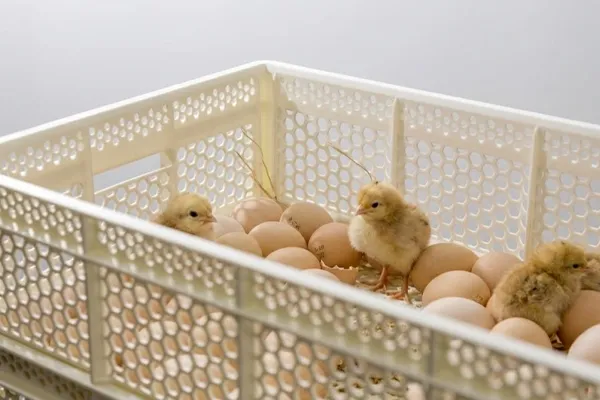
Kuluçka makinesi, yumurtanın artık döndürülmediği ve embriyonun yumurtadan çıkmaya hazırlandığı gelişimin son aşaması için kullanılır. USDA, kuluçka makinelerinin, kuluçka sırasında oluşan tüy, yumurta kalıntıları ve mikroorganizmaları kuluçkahanenin geri kalanından izole etmek için ayrı bir odada tutulduğunu söylüyor. Yumurtalar kuluçka makinesinden civciv tutma tepsilerine veya kuluçka sepetlerine taşınır, böylece civcivler güvenli bir şekilde çıkabilir.
Mississippi Eyaleti de aynı şekilde, ayrı kuluçka ünitelerinin civciv grupları arasında daha iyi sanitasyon ve hastalık kontrolü sağladığını ve civcivlerin hala setterlerde bulunan genç yumurtaları rahatsız etmeden çıkmasına izin verdiğini açıklamaktadır. Bu nedenle ticari kuluçkahaneler genellikle çok amaçlı tek bir makine yerine ayrı setter ve kuluçka makineleri kullanmaktadır.
Tipik bir kuluçka aşaması ekipman listesi şunları içerir:
Kuluçka aşaması da zamana duyarlıdır. USDA, civcivlerin çoğu kuruduğunda ve kabardığında ancak çok uzun süre kalmadan çıkarılması gerektiğini, çünkü civcivlerin çok erken veya çok geç çıkarılmasının her ikisinin de civciv kalitesine zarar verebileceğini belirtmektedir.
Kuluçkadan çıktıktan sonra, bir sonraki büyük grup günlük civciv için işleme ekipmanıdır. USDA, civcivlerin kuluçka artıklarından ayrıldığını, birinci kalite veya itlaf olarak sınıflandırıldığını ve daha sonra bekletme alanına taşınmadan önce cinsiyetlendirilebileceğini, aşılanabileceğini, sınıflandırılabileceğini, sayılabileceğini ve civciv kutularına paketlenebileceğini söylüyor. Ayrıca, sprey aşılamanın günlük civcivler için yaygın olduğunu ve otomatik sistemlerin civcivleri sayabildiğini, tartabildiğini, aşılayabildiğini ve kutulayabildiğini belirtmektedir.
Bu, yaygın piliç işleme ekipmanının aşağıdakileri içerdiği anlamına gelir:
Daha gelişmiş hatlarda, alıcılar canlı embriyo tespiti, transfer otomasyonu, in ovo aşı ekipmanı ve hat içi sprey sistemlerini de düşünebilir. USDA ve ticari kuluçkahane otomasyonu tedarikçileri, bu adımları özellikle büyük tavuk işletmelerinde modern kuluçkahane otomasyonunun bir parçası olarak tanımlamaktadır.
Büyük çiftlikler, entegre kümes hayvanı şirketleri ve distribütörler için işgücü tasarrufu bu noktada çok görünür hale gelir. Daha hızlı, daha nazik işleme civciv kalitesini artırabilir, taşıma hasarını azaltabilir ve çıktıyı daha tutarlı hale getirebilir.
Sanitasyon tek bir makine değildir. Bu bir sistemdir. Mississippi Eyaleti, kuluçka makineleri ve kuluçka makinelerinin her kullanımdan önce iyice temizlenmesi ve dezenfekte edilmesi gerektiğini ve güçlü bir temizlik işinin hastalık kontrolünü önemli ölçüde artırabileceğini söylüyor. USDA da rutin temizlik, mikrobiyolojik izleme ve dezenfektanların güvenli kullanımını ticari kuluçkahane yönetiminin kritik parçaları olarak listeliyor.
UC ANR'nin kuluçkahane biyogüvenlik kılavuzu, personelin yumurta veya civcivlere dokunmadan önce ellerini yıkaması, özel dış giyim ve bot kullanması ve kuluçkahanede kemirgen ve böcek kontrolünü sürdürmesi gerektiğini ekliyor. Bu, biyogüvenlik ekipmanlarının genellikle çizme daldırma, el yıkama istasyonları, koruyucu giysiler, haşere kontrol araçları ve oda oda ayırmayı içerdiği anlamına gelir.
Yaygın sanitasyon ekipmanları şunları içerir:
Bir kuluçkahane binası aynı zamanda temiz yumurta akışını kirli civciv döküntü akışından mümkün olduğunca ayırmalıdır. Bu tek yönlü hareket, iyi kuluçkahane operasyonları için temel bir kuraldır.
Kuluçka makinesi her zaman kuluçka odasının bir parçası değildir, ancak genellikle tam proje çözümünün bir parçasıdır, çünkü yumurtadan yeni çıkan civcivler yerleştirildikten hemen sonra ısıya, suya ve yeme ihtiyaç duyar. Yayım kaynakları, civcivlerin ilk haftalarda vücut ısısını iyi ayarlayamadıklarını ve bir kuluçka makinesine veya ısı kaynağına, ayrıca yem ve suya kolay erişime ihtiyaç duyduklarını belirtmektedir.
Elektrik kesildiğinde kuluçka işlemi duramayacağı için birçok kuluçkahanede jeneratör de gereklidir. Kısa süreli elektrik kesintileri bile özellikle büyük kuluçka odalarında embriyo gelişimine zarar verebilir. Bu nedenle ciddi kuluçkahane planlaması genellikle jeneratör yedeklemesi, elektrik kontrol panelleri, alarm sistemleri ve acil durum müdahale prosedürlerini içerir.
Diğer faydalı destek aksesuarı öğeleri şunları içerebilir:
Kısacası, kuluçkahanenin “küçük” ekipmanı genellikle “büyük” makinelerin her gün iyi performans gösterip göstermeyeceğine karar verir.
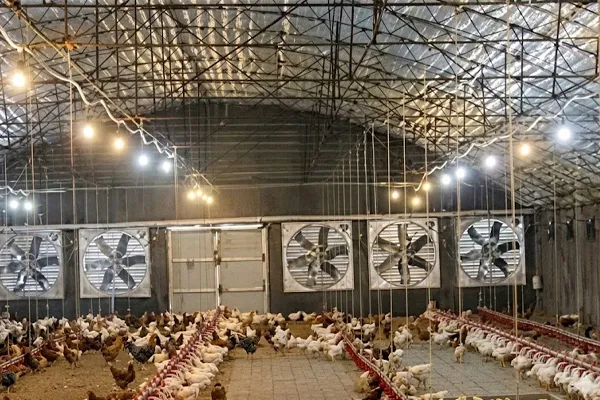
Kuluçkahane binasının kendisi de ekipman planının bir parçasıdır. Mississippi Eyaleti ve USDA kuluçka işleminin uygun sıcaklık, nem ve havalandırmaya bağlı olduğunu vurgulamakta ve USDA özellikle modern bilgisayar kontrollü makinelerin sıcaklık, nem, karbondioksit ve her bir setterdeki yumurta dönüşünü izleyebildiğini belirtmektedir.
Bu da bir kuluçkahanenin kuluçka makinelerinden daha fazlasına ihtiyacı olduğu anlamına gelir. Aynı zamanda:
USDA ayrıca civcivlerin çiftliklere ısıtma, soğutma ve havalandırma sistemlerine sahip özel araçlarla teslim edildiğini ve civciv bekletme odasının civcivleri sevkiyattan önce termo-nötr bölgelerine yakın tutması gerektiğini belirtmektedir. Pratik anlamda, kuluçkahane sadece dolapları olan bir oda değil, tam bir lojistik zincirinin parçasıdır.
Doğru çözüm, hedef çıktıya, kuş türlerine, otomasyon seviyesine ve kuluçkahanenin çiftliğe nasıl bağlandığına bağlıdır. Yüz binlerce yumurtalık bir tavuk kuluçkahanesi, bir bıldırcın projesinden, bir araştırma biriminden veya orta ölçekli bir damızlık çiftliğinden çok farklı bir makine düzenine ihtiyaç duyar. Mississippi Eyaleti, tavuk, hindi, su kuşları ve av kuşları dahil olmak üzere evcil kümes hayvanlarında aynı temel kuluçka ilkelerinin geçerli olduğunu, ancak işletme ayrıntılarının türe göre değiştiğini belirtmektedir.
Alıcılar tedarikçileri karşılaştırırken şunu sormalıdır:
Anahtar teslim bir tedarikçi olarak, genellikle alıcılara kuluçkahaneyi aşağıdakilerle birlikte planlamalarını öneriyoruz çeli̇k konstrüksi̇yonlu evler, besleme, içme, iklim kontrolü, gübre arıtma ve daha sonra yetiştirme sistemleri. Bu da büyük ve orta ölçekli çiftlik sahiplerine, kuluçka makinelerini tek başına satın almaktan daha istikrarlı bir uzun vadeli sonuç sağlar.
Aşağıdaki liste, genişletme, USDA ve kuluçkahane referansları tarafından belirtilen en yaygın ticari ve proje düzeyindeki öğeleri bir araya getirmektedir.
| Ekipman Grubu | Tipik Öğeler |
|---|---|
| Yumurta alımı | masalar, raflar, tepsi taşıma, denetim ışıkları |
| Yumurta depolama | depolama odası, raf, termometre, nem kontrolü |
| Ön ayar | ön ısıtma odası, el arabası, tepsi hazırlama |
| Kuluçka | ayarlayıcı, inkübatör odası, döndürme sistemi, kontrol paneli |
| Transfer | kandiller, transfer masaları, setter tepsileri, setter arabaları |
| Hatch | kuluçka makinesi, sepetler, kuluçka tepsileri, kuluçka odası kontrolleri |
| Civciv işleme | greyderler, sayaçlar, aşılama üniteleri, civciv kutuları |
| Civciv tutma | civciv odası, iklim kontrolü, hazırlama rafları |
| Sanitasyon | yıkayıcı, dezenfektan araçları, filtre sistemleri, atık kutuları |
| Yardımcı Programlar | jeneratör, elektrik panelleri, su hattı, vana, alarm |
Bir kuluçkahanedeki ana ekipman nedir?
Ana ekipman genellikle yumurta depolama sistemleri, ön ısıtma ekipmanları, setterler, kuluçka makineleri, kuluçka makineleri, şekerleyiciler, tepsiler, arabalar, civciv işleme ekipmanları, sanitasyon araçları, civciv tutma sistemleri ve jeneratör gibi yedek araçları içerir.
Setter ve hatcher arasındaki fark nedir?
Yumurtaların çevrildiği ve çevresel koşulların sıkı bir şekilde kontrol edildiği kuluçkanın erken ve orta aşaması için bir setter kullanılır. Kuluçka makinesi, yumurtaların artık çevrilmediği ve civcivlerin ayrı, daha izole bir alanda çıktığı son aşama için kullanılır.
Kuluçkahanelerde neden ayrı kuluçka makineleri ve kuluçka makineleri kullanılır?
Ayrı üniteler sanitasyon ve hastalık kontrolünü iyileştirir ve kuluçkalık döküntüleri genç yumurtalardan uzak tutar. Ayrıca kuluçkahane personelinin transfer ve kuluçka zamanlamasını daha doğru bir şekilde yönetmesini sağlar.
Kuluçkahanede mumlama ekipmanı gerekli midir?
Evet. Mumlama, yumurtadan çıkmadan önce kısır yumurtaların ve ölü embriyoların uzaklaştırılmasına yardımcı olarak hijyeni, alan kullanımını ve süreç kontrolünü iyileştirir. Otomatik kuluçkahanelerde mumlama genellikle transfer sistemlerine entegre edilir.
Civcivler yumurtadan çıktıktan sonra hangi ekipman kullanılır?
Kuluçkadan çıktıktan sonra, ortak ekipmanlar arasında ayırıcılar, sınıflandırma masaları, cinsiyetlendirme istasyonları, aşı püskürtücüler veya in-ovo sistemleri, sayım üniteleri, tartım üniteleri ve taşıma için civciv kutuları bulunur.
Küçük kuluçkahanelerin büyük kuluçkahanelerle aynı ekipmana ihtiyacı var mı?
Aynı temel işlevlere ihtiyaç duyarlar, ancak her zaman aynı makine boyutuna veya otomasyon seviyesine sahip değildirler. Küçük kuluçkahaneler daha basit inkübatörler, manuel tornalama veya temel mumlama araçları kullanırken, büyük kuluçkahaneler otomatik dolaplar, transfer hatları ve civciv işleme sistemleri kullanabilir.
Kuluçka makinesi kuluçkahane ekipmanının bir parçası mıdır?
Bazen. Kuluçka makinesi daha çok kuluçka sonrası civciv bakım alanının bir parçasıdır, ancak birçok anahtar teslim kümes hayvanı projesi kuluçka makinesi, yem ve içecek sistemleri içerir, çünkü civcivler yerleştirildikten sonra ısıya ve suya ve yeme hızlı erişime ihtiyaç duyar.
Kuluçkahane ekipmanı sadece bir kuluçka makinesi değil, tam bir sistemdir.
Temel akış yumurta alımı, depolama, ön ısıtma, setter, kuluçka, civciv işleme, bekletme, temizleme ve nakliyedir.
Beş temel kuluçka işlevi sıcaklık, nem, havalandırma, yumurta çevirme ve sanitasyondur.
Daha iyi hijyen ve kontrol için kuluçkacılar ve kuluçka makineleri genellikle ayrılmalıdır.
Mumluklar, tepsiler, sepetler, el arabaları ve yıkayıcılar, kuluçkahane verimliliği üzerinde büyük etkisi olan küçük öğelerdir.
Modern kuluçkahaneler genellikle civciv sınıflandırma, aşılama, sayma ve kutulama hatlarını içerir.
Sanitasyon, biyogüvenlik ve hava akışı da makine kapasitesi kadar önemlidir.
Yedek jeneratör, elektrik kontrolü ve bina havalandırması en baştan planlanmalıdır.
En iyi kuluçkahane çözümü, piliç türüne, çıktı hedefine, otomasyon seviyesine ve çiftlik sisteminin geri kalanına uyan çözümdür.
Sourcing poultry equipment from a Chinese manufacturer means controlling four variables di…
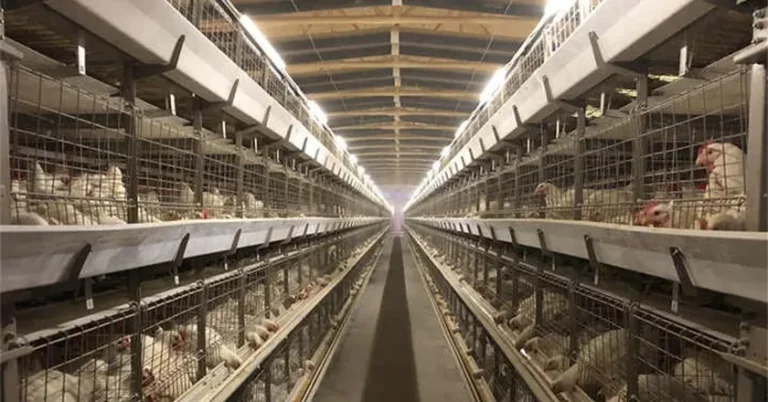
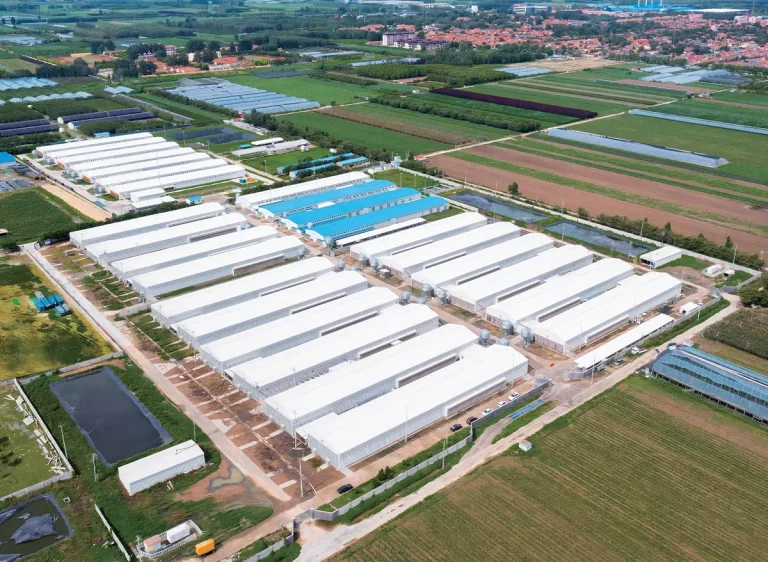
A steel structure poultry house is a prefabricated steel building designed for layer, broi…
Sorunuza 24 saat içinde cevap vereceğiz. Acil sorularınız için lütfen WhatsApp üzerinden +86 133 6144 9578 numaralı telefondan bize ulaşın veya doğrudan bizi arayın.
*Gizliliğinize saygı duyuyoruz. Gönderilen tüm bilgiler kesinlikle gizlidir.
Bilgileriniz yalnızca sorunuzu yanıtlamak için kullanılacaktır. İstenmeyen e-postalar veya promosyon mesajları asla göndermiyoruz.