










Sourcing Poultry Equipment Manufacturers in China: Buyer Guide
Sourcing poultry equipment from a Chinese manufacturer means controlling four variables di…


Ознакомьтесь с нашими последними новостями,
 17:00
17:00 Прямой ответ: что такое система «кэдж» в птицеводстве?
Клеточная система в птицеводстве — это метод интенсивного животноводства, при котором птицы, в первую очередь яйценоски (слои) и бройлеров (бройлеры), размещаются в проволочных клетках. Основная цель этой системы — обеспечить максимальную эффективность производства, повысить уровень гигиены и автоматизировать процессы управления фермой в контролируемой среде. Благодаря размещению птиц в многоярусных или расположенных в ряд клетках фермы могут добиться более высокой плотности посадки и оптимизировать такие операции, как кормление, поение и удаление отходов.
Выбор системы содержания предполагает поиск оптимального компромисса между экономической эффективностью производства и благополучием животных. Существуют три основные категории систем содержания: обычные батарейные клетки, которые обеспечивают максимальную эффективность, но значительно ограничивают возможности; оборудованные или укомплектованные клетки, которые обеспечивают больше пространства и удобств для повышения уровня жизни; и альтернативы содержанию в клетках (такие как сарай, вольер или системы свободного выгула), которые позволяют животным вести себя естественным образом, но сопряжены с более высокими производственными затратами и различными проблемами в области управления. Оптимальная система для конкретного хозяйства зависит от региональных норм, требований рынка, объема капиталовложений и опыта руководства.
Конструкция и особенности клеточной системы разработаны с учётом конкретного вида и возраста птицы. Понимание этих различий является ключом к осознанию их назначения и ограничений.
Это традиционная модель интенсивного яичного производства. Она представляет собой небольшие, без подстилки проволочные клетки, в которых содержатся несколько кур. Обычно они располагаются длинными многоярусными рядами, причем современные конструкции, такие как Автоматические многоярусные батарейные клетки типа H максимальное использование вертикального пространства в птичнике. К ключевым особенностям относятся наклонные полы, по которым яйца скатываются вперед на конвейерные ленты для сбора, а также встроенные автоматизированные линии кормления и поения. Несмотря на высокую эффективность с точки зрения экономии места и трудозатрат, эта система подвергается серьезной критике со стороны защитников прав животных из-за чрезмерно тесных условий содержания.
Разработанные в ответ на озабоченность вопросами благополучия животных и в связи с принятием таких законодательных актов, как общеевропейский запрет на использование традиционных клеток, клетки с улучшенными условиями содержания являются обязательным стандартом во многих регионах. Они обеспечивают больше пространства на одну птицу и оснащены элементами, предназначенными для удовлетворения основных природных поведенческих потребностей. К таким элементам, как правило, относятся:
Несмотря на то что эта система по-прежнему представляет собой форму содержания в замкнутом пространстве, она обеспечивает научно подтверждённое улучшение условий содержания по сравнению с традиционными клетками.
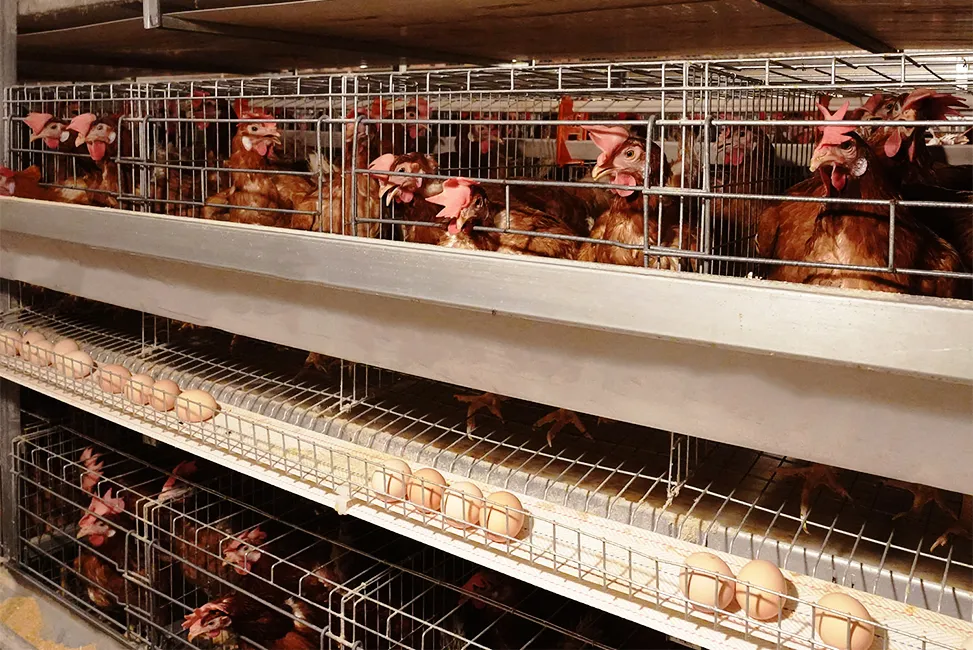
Обзор основных типов систем клеток для птицы
Широкое распространение клеточных систем было обусловлено очевидными эксплуатационными и экономическими преимуществами, которые по-прежнему остаются актуальными в дискуссиях о мировом производстве продовольствия.
Основные недостатки клеточных систем, в особенности традиционных моделей, связаны с благополучием животных и ограничением их врождённых форм поведения.
Не существует единой “лучшей” системы; каждая из них имеет свой набор преимуществ и недостатков. В приведённой ниже таблице представлен сравнительный анализ, основанный на научных исследованиях и отраслевых данных.
| Показатель | Обычные клетки | Обустроенные клетки | Системы без клеток (в сараях/вольерах) | Основные аспекты управления |
| Свобода поведения | Строго ограничено | Частично удовлетворено | Полный пакет услуг | Системы без клеток требуют обогащения среды обитания (например, тюками соломы) для предотвращения вредных форм поведения, таких как клевание перьев. |
| Прочность костей | Плохой (высокий риск развития остеопороза) | Улучшено | Хорошо (самые крепкие кости) | Повышенная активность в системах без клеток увеличивает риск переломы ключицы от столкновений с сооружениями. |
| Уровень смертности | В целом — от низкого до умеренного | В целом — от низкого до умеренного | Сильно колеблется; может быть выше | Повышенная смертность в системах без клеток часто связана с каннибализмом, вспышками заболеваний среди птенцов и хищничеством (при свободном выгуле). Огромное значение имеет опыт персонала. |
| Себестоимость продукции | Базовый уровень (наименьший) | Немного выше | Значительно выше | Более высокие затраты при безклеточном содержании обусловлены большей площадью зданий, более сложной инфраструктурой, повышенной потребностью в рабочей силе (например, для сбора яиц, отложенных на полу) и, как правило, более высоким потреблением корма. |
| Риск, связанный с безопасностью пищевых продуктов | Нижний (меньший контакт с фекалиями) | Ниже | Повышенный потенциальный риск | Яйца, полученные в системах безклеточного содержания, могут иметь более высокую микробиологическую нагрузку, если гнездовые ящики не обслуживаются надлежащим образом, поскольку яйца могут откладываться на загрязненную подстилку. |
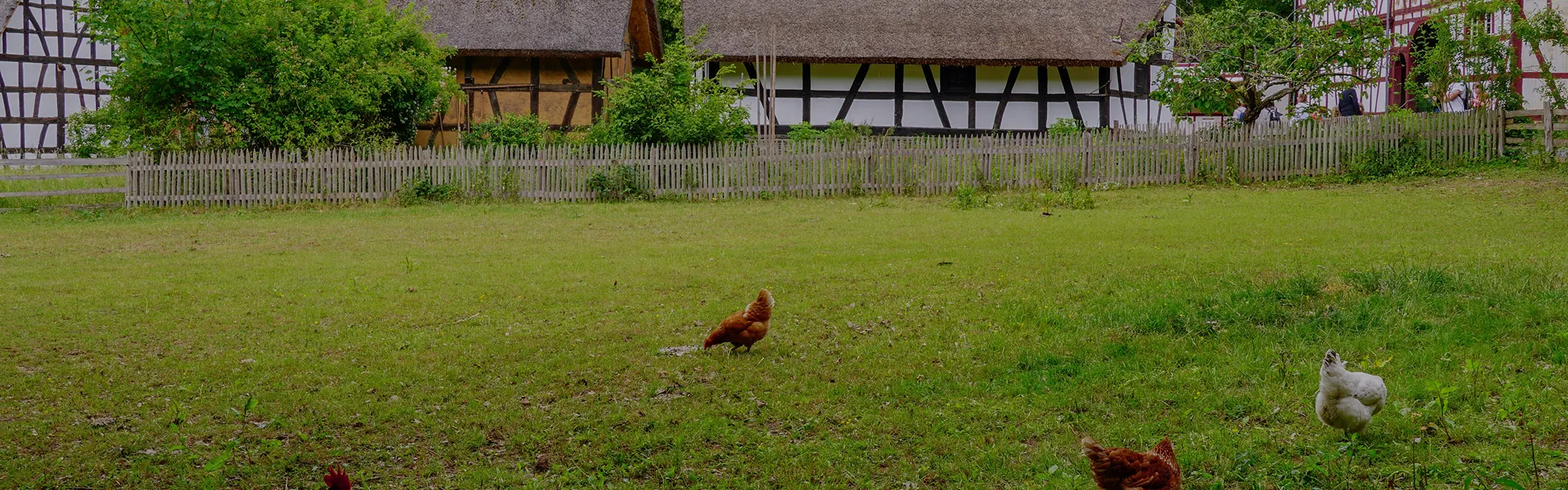
Мировая птицеводческая отрасль находится на перепутье: мощные силы подталкивают её к отказу от традиционных клеток.
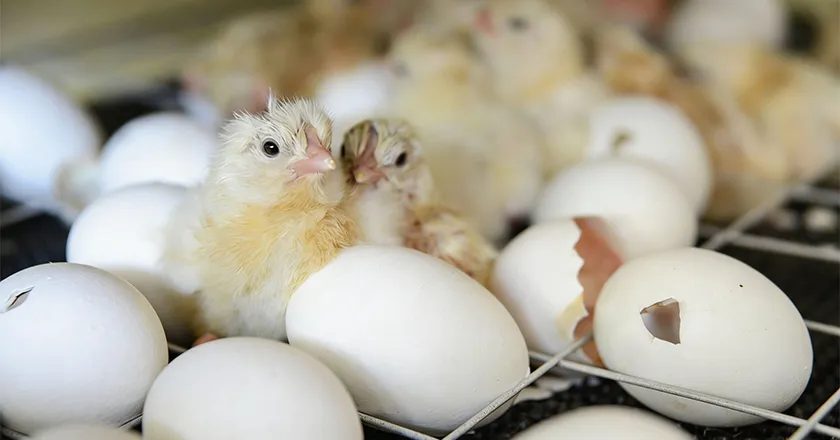
Как нормативные требования и рыночные условия определяют особенности содержания птицы
Система клеточного содержания в птицеводстве представляет собой не единое целое, а целый спектр технологий, которые по-разному влияют на производительность, благополучие животных и экономические показатели. Хотя традиционные клетки обеспечивают непревзойденную плотность содержания и простоту эксплуатации, они не соответствуют современным стандартам благополучия животных. Клетки с улучшенными условиями содержания представляют собой компромиссное решение, позволяющее повысить благополучие животных при сохранении многих преимуществ клеточного содержания.
Несомненно, мировая тенденция движется в сторону систем безклеточного содержания, чему способствуют как законодательство, так и рыночный спрос. Однако такие системы не являются простым решением; они требуют более значительных капиталовложений, более квалифицированной рабочей силы и активного управления различными проблемами, связанными со здоровьем и благополучием птиц, такими как переломы костей и наносимое клеванием повреждение. Для производителей птицы решение больше не сводится только к стоимости одного яйца, а заключается в том, чтобы ориентироваться в сложной системе нормативных требований, требований к цепочке поставок и обеспечить долгосрочную устойчивость.
Sourcing poultry equipment from a Chinese manufacturer means controlling four variables di…
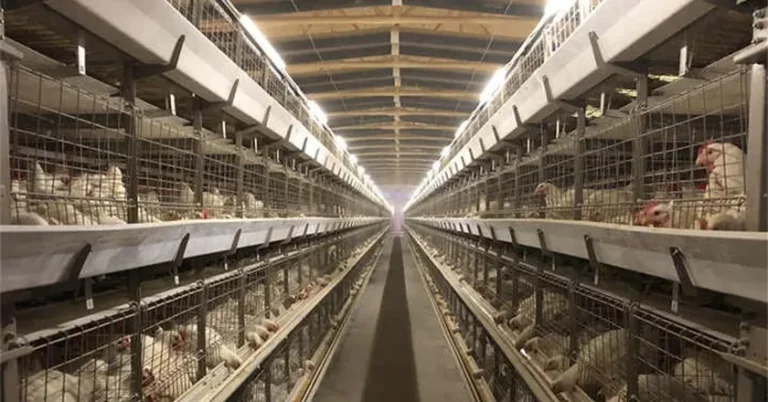
A steel structure poultry house is a prefabricated steel building designed for layer, broi…
Мы ответим на ваш запрос в течение 24 часов. По срочным вопросам свяжитесь с нами через WhatsApp: +86 133 6144 9578 или позвоните нам напрямую.
*Мы уважаем вашу конфиденциальность. Вся предоставленная информация является строго конфиденциальной.
Ваши данные будут использованы только для ответа на ваш запрос. Мы никогда не отправляем незапрошенные электронные письма или рекламные сообщения.