










Sourcing Poultry Equipment Manufacturers in China: Buyer Guide
Sourcing poultry equipment from a Chinese manufacturer means controlling four variables di…


Scoprite le nostre ultime novità,
 16:49
16:49 Wasted feed, rodents, wild birds, and uneven feeding can quietly reduce farm profit. A poor feeder makes chickens spill feed, fight for space, or eat contaminated grain. The right automatic chicken feeder helps save time, reduce waste, protect feed, and support healthier poultry management.
An automatic chicken feeder works by storing chicken feed in a hopper and releasing it through a controlled opening, trough, treadle, or timer-based feeding system. Some feeders open when chickens step on the treadle, while larger poultry farm systems use automatic feed distribution lines to deliver consistent feed across the flock.
What is an automatic chicken feeder?
Why do chicken feeders matter for poultry farming?
How does a treadle feeder work?
What are the main types of chicken feeders?
How does an automatic feeder reduce rodents and wild birds?
What feeder is best for a small coop or backyard flock?
What feeder works best for medium and large poultry farms?
How do timer feeders and feed distribution systems work?
What should you consider before choosing a feeder?
How can a turnkey poultry feeding system improve farm efficiency?
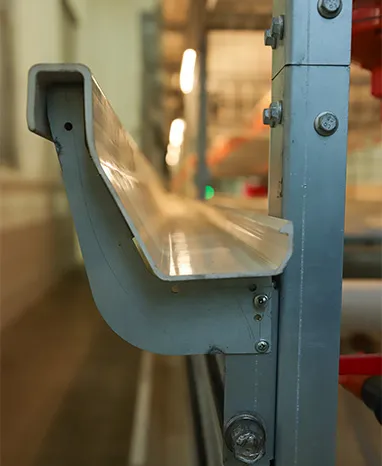
An automatic chicken feeder is a feeding device that stores chicken feed and releases it when chickens need to eat or when the system is set to deliver feed. It can be a small coop feeder with a lid, a treadle feeder that opens when a hen steps on it, or a full poultry feeding system for a commercial chicken house.
For small chicken keepers, an automatic feeder can mean less daily work. You do not need to refill the feeder many times each day. You can keep feed drier, cleaner, and harder for rodents and wild birds to reach. This helps reduce spillage, feed waste, and contamination.
For poultry farms, the feeder is not just a small accessory. It is part of the whole production system. A modern farm needs cages, feeding, drinking, climate control, manure treatment, and a well-designed chicken house. As a professional manufacturer and engineering supplier of turnkey poultry and rabbit farming systems, we design feeding solutions around the number of chickens, house layout, bird type, and project scale.
Good chicken feeders help birds eat safely and evenly. If a feeder is poorly designed, stronger birds may eat more, weaker birds may eat less, and feed may fall onto the floor. Once feed touches wet litter or manure, it can attract mold and bacteria. It can also invite mice, rats, sparrows, and other wild birds.
Feed is one of the biggest daily costs in poultry farming. Even small feed waste becomes expensive when the flock is large. A feeder that reduces waste can support better feed savings over time. Less waste also means a cleaner coop, lower rodent pressure, and easier farm management.
For large and medium-scale farm owners, the goal is not only “put feed in front of chickens.” The real goal is consistent nutrition, stable growth, less waste, lower labor, and better flock performance. That is why the feeding system must match the farm size and production goal.
A treadle feeder is a popular automatic chicken feeder for backyard flocks and small farms. It has a platform, called a treadle. When a chicken steps on the treadle, the lid opens and the bird can eat from the trough. When the chicken steps away, the lid closes again.
This design helps protect chicken feed from rodents and wild birds. Rats, mice, and small sparrows usually do not have enough weight to open the lid. The feed stays covered when chickens are not eating. That makes the feeder useful for homesteading, small coops, and outdoor chicken areas.
Training your chickens is important. At first, some birds may be afraid of the moving lid. Many chicken keepers leave the lid open for a short training period, then slowly adjust the treadle design until the flock learns to step on the treadle. Once trained, the feeder works with little daily effort.
There are many poultry feeders, and each type of feeder has its own use. The best option depends on flock size, bird age, feed type, chicken coop design, and labor needs.
| Feeder Type | Main Feature | Ideale per |
|---|---|---|
| Trough feeder | Long open feeding space | Chicks, pullets, small groups |
| Hanging feeder | Suspended feeder reduces floor contact | Backyard coop and small flock |
| Treadle feeder | Opens when birds step on platform | Rodent control and feed protection |
| PVC feeder | Simple pipe-based DIY style | Small homestead use |
| Automatic chicken feeder | Hopper or system-controlled feed release | Small to medium flock |
| Timer feeder | Releases feed at set times | Controlled feeding schedule |
| Chain feeding system | Moves feed along a trough line | Layer cages and poultry houses |
| Pan feeding system | Delivers feed to round pans | Broiler and breeder houses |
A hanging feeder is simple and common. A treadle feeder is better when rodents and wild birds are a problem. A commercial automatic feeder is better when the farm needs automation, labor saving, and uniform feed distribution.
An open feeder invites problems. Rodents eat chicken feed, spread disease risk, and damage farm structures. Wild birds may carry parasites or pathogens into the coop. In some regions, wild birds are also a concern because of bird flu risk. Good feeder design helps reduce open feed exposure.
An automatic feeder can help in several ways:
A weatherproof feeder is especially useful for outdoor coops. Wet feed can spoil quickly. Moldy feed is not safe for chickens. A covered feeder helps prevent mold, but it still needs regular cleaning. “Automatic” does not mean “never inspect.” It means less daily labor and better control.
For a small coop, the best feeder is usually simple, easy to clean, weatherproof, and sized for the number of chickens. A backyard flock may only need a hanging feeder, treadle feeder, or small automatic chicken feeder with a hopper.
If the main problem is feed waste, choose a feeder with a narrow trough or anti-scratch design. If the main problem is rodents and wild birds, use a treadle feeder or covered feeder. If the main problem is time, choose a larger hopper feeder that can hold more chicken feed.
For bantam chickens, feeder height and treadle weight matter. Bantam birds are smaller and lighter than standard galline ovaiole. A heavy treadle may not open easily for them. Before buying, check whether the feeder works for the bird size, flock behavior, and coop space.
Medium and large poultry farms need more than a single coop feeder. They need a complete feeding system. The goal is to move feed from storage to each feeding point in a stable, clean, and labor-saving way.
A commercial chicken farm feeding system may include:
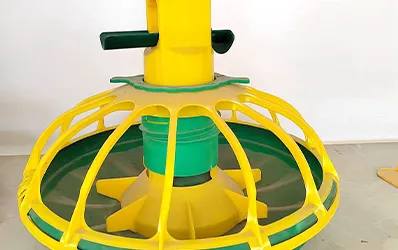
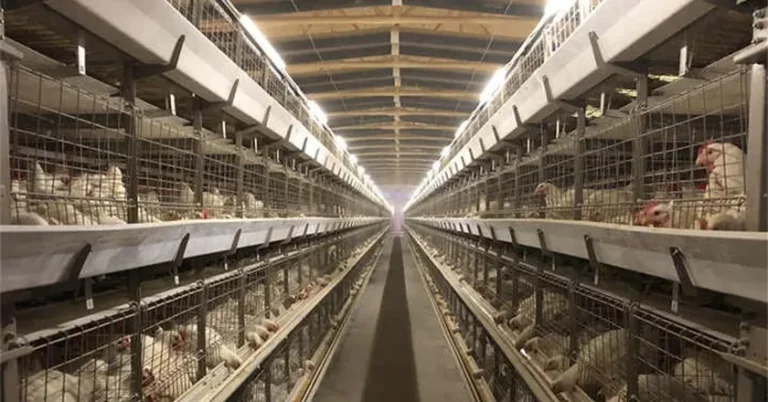
For laying hens, cage feeding lines can deliver feed evenly along each row. For broilers, pan feeding systems allow birds to eat from multiple points inside the chicken house. For breeders, feed control is especially important because overfeeding can affect production results.
In commercial poultry farming, feed distribution must be stable. If some birds get more feed and others get less, the flock becomes uneven. A well-planned feeder system supports consistent feeding, uniform growth, and better farm management.
A timer feeder releases feed at set times. This can be useful when farmers want controlled feeding instead of free feeding. The timer may open a gate, run a motor, or start a feed line. In small coops, timer feeders are often simple. In commercial poultry houses, the timer connects with a larger control system.
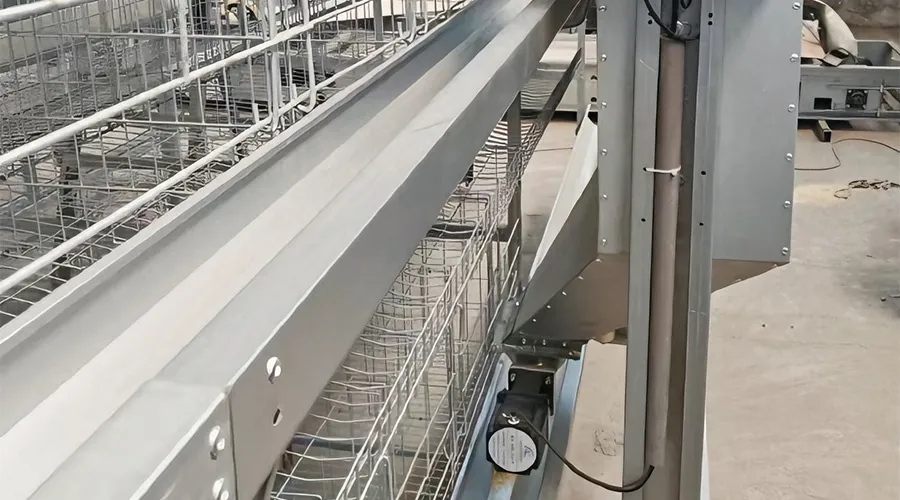
A feed distribution system moves feed through pipes, chains, augers, or lines. The system can deliver feed to troughs, pans, or cage feeding channels. Sensors may help stop the system when the feed line is full. This prevents overflow and reduces feed waste.
Automation helps farms streamline daily work. Instead of workers carrying feed by hand, the system delivers feed across the house. This saves time and reduces labor intensity. For integrated poultry companies and agricultural investors, automation is often essential for large-scale projects.
Choosing the right feeder starts with the flock. A feeder for 10 backyard hens is very different from a feeder for 50,000 commercial chickens. Before choosing, think about bird type, feed type, house layout, management style, and long-term labor cost.
Important questions include:
| Domanda | Perché è importante |
|---|---|
| How many chickens do you have? | Decides feeder capacity and feeding points |
| Are they chicks, bantams, layers, broilers, or breeders? | Different birds need different feeder height and access |
| Is the coop indoor or outdoor? | Outdoor feeders need weatherproof protection |
| Do you have rodents or wild birds? | Covered or treadle feeders may help |
| Do you use pellet, mash, or crumble feed? | Feed type affects flow and spillage |
| How often can workers refill feed? | Larger hoppers or automatic systems save labor |
| Is the system easy to clean? | Clean feeders reduce mold and bacteria risk |
| Will the farm expand later? | Scalable systems support future growth |
A good feeder should be strong, safe, easy to clean, and suitable for the bird. Special features such as anti-waste lips, adjustable feed flow, removable covers, and strong galvanized or plastic materials can improve long-term use.
A turnkey feeding solution connects feeder design with the whole farm. Feeding does not work alone. It must integrate with cages, drinking nipple lines, ventilation, climate control, lighting, manure removal, and farm workflow.
For example, in a layer cage house, the feeder line must match cage row length, bird density, aisle width, and feed delivery schedule. In a broiler house, pan feeder height must match bird growth stage. In a breeder house, feeding control must support uniform body weight and production goals.
As a professional manufacturer and engineering supplier of turnkey poultry and rabbit farming systems, we help large and medium-scale farm owners, integrated poultry companies, agricultural investors, and equipment distributors design reliable and customizable solutions. Our work can include steel-structure houses, cages, automatic feeding, drinking, climate control, and manure treatment equipment.
The result is not just a feeder. It is a complete farm system that helps reduce labor, improve feed management, and support stable poultry production.
A medium-scale poultry farm had a common problem. Feed was dropping under the cages. Workers cleaned often, but waste kept returning. Rodents appeared near the chicken house. The flock still produced eggs, but feed cost was rising.
After checking the system, the problem was clear. The feed trough was too open, the feeding schedule was not stable, and the feed distribution line was not adjusted well. Some birds scratched too much feed out of the trough.
The solution included:
| Problem | Improvement |
|---|---|
| High feed waste | Adjusted feeder height and feed level |
| Rodent activity | Reduced floor spillage and improved cleaning plan |
| Uneven feeding | Improved feed distribution timing |
| Labor pressure | Added more automatic control |
| Dirty feeding area | Improved manure and floor management |
| Future expansion | Planned scalable feeding line layout |
After adjustment, the farm had less spillage, cleaner aisles, and easier daily management. This shows why the best automatic chicken feeder is not always the most expensive one. It is the one that fits the farm correctly.
Equipment distributors need products that are reliable, easy to explain, and suitable for local farming habits. Some markets need simple treadle feeders for backyard chicken keepers. Other markets need automatic feeding systems for poultry houses.
A distributor should consider:
For export projects, product structure and packing matter. A feeder should be strong enough for transport, easy to assemble, and clear to install. For engineering projects, design drawings and technical guidance are also important.
Many buyers choose a feeder only by price. That can lead to problems. A cheap feeder may waste more feed than it saves. A feeder that is too small needs constant refilling. A feeder that is hard to clean can create health risks.
Common mistakes include:
A well-chosen feeder saves time, reduces waste, and supports healthier birds. A poorly chosen feeder creates daily trouble.
What is the best automatic chicken feeder?
The best automatic chicken feeder depends on flock size, coop design, feed type, and the main problem you want to solve. For backyard coops, a treadle feeder is useful for rodent control. For large farms, an automatic feeding line is usually better.
How does a treadle feeder work?
A treadle feeder opens when chickens step on the treadle platform. Their weight opens the lid and gives access to feed. When they step away, the lid closes to protect the feed from rodents and wild birds.
Can an automatic feeder stop rats and mice?
An automatic feeder can help reduce access to feed, especially if it has a covered or treadle design. However, it should be used together with good cleaning, feed storage, coop sealing, and rodent control.
How many feeders do I need for my flock?
The number of feeders depends on the number of chickens, bird size, feeder length, feeder capacity, and management system. Commercial farms should calculate feeding space carefully to avoid competition and uneven growth.
Are timer feeders good for chickens?
Timer feeders can be useful when farmers want controlled feeding at set times. They are more common in managed systems where feed intake and schedule matter. For some small flocks, free-access feeders may be simpler.
What feeder is best for bantam chickens?
Bantam chickens need a feeder that is low enough, easy to access, and not too heavy to operate. If using a treadle feeder, make sure the treadle opens under bantam weight.
How often should chicken feeders be cleaned?
Chicken feeders should be checked often and cleaned regularly. If feed becomes wet, moldy, or dirty, clean the feeder immediately. Clean feeding areas help reduce mold, bacteria, rodents, and wild birds.
An automatic chicken feeder stores feed and releases it through a hopper, trough, treadle, timer, or feed line.
A good feeder helps reduce feed waste, rodent access, wild bird problems, and daily labor.
A treadle feeder opens when chickens step on the treadle and closes when they leave.
Small coops can use hanging feeders, treadle feeders, PVC feeders, or compact automatic feeders.
Medium and large poultry farms usually need automatic feed distribution systems.
Timer feeders help control feeding schedules.
Feeder size, bird type, feed type, coop layout, weatherproof design, and cleaning all matter.
Feed savings come from better design, less spillage, cleaner storage, and consistent feeding.
A complete poultry system should integrate feeding, drinking, cages, climate control, manure treatment, and house design.
For modern poultry farming, the right feeder is not just a container. It is part of a smarter farm management system.
Sourcing poultry equipment from a Chinese manufacturer means controlling four variables di…
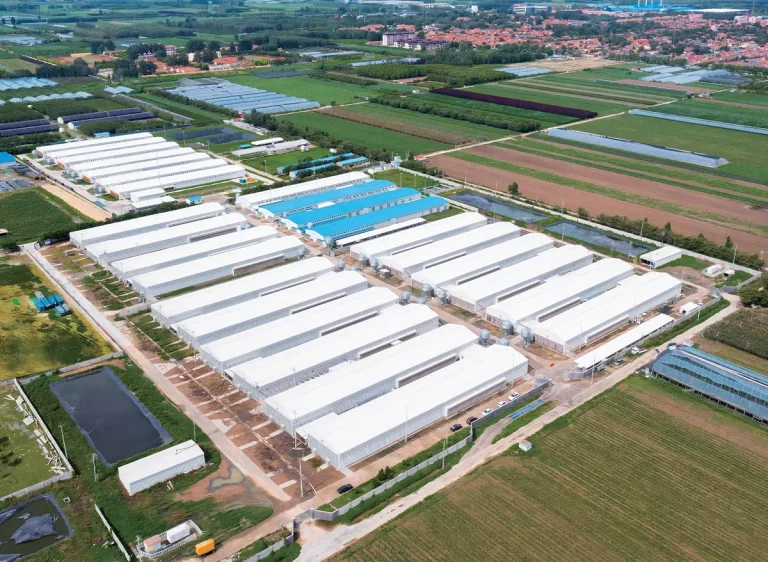
A steel structure poultry house is a prefabricated steel building designed for layer, broi…
Risponderemo alla vostra richiesta entro 24 ore. Per richieste urgenti, contattateci via WhatsApp: +86 133 6144 9578 o chiamateci direttamente.
*Rispettiamo la vostra privacy. Tutte le informazioni inviate sono strettamente confidenziali.
I vostri dati saranno utilizzati solo per rispondere alla vostra richiesta. Non inviamo mai e-mail non richieste o messaggi promozionali.