










A-Type vs H-Type Battery Cage: What’s the Difference (and Which One Fits Your Poultry Farm)?
Choosing the wrong battery cage layout can lock your poultry farm into high labor, poor ai…
 17:23
17:23 Running a poultry farm can feel like a constant trade-off: cost, space, egg production, and animal welfare all pull you in different directions. Pick the wrong housing system and you may fight feed wastage, disease, and low egg production rate for months. The good news? With the right design, both systems can work—if you match the system to your farm goals.
Deep litter vs battery cage: which is better? In most commercial egg projects, a well-designed battery cage system usually delivers higher egg collection efficiency, lower egg breakage, and tighter control of feed and water. A good deep litter system often wins on lower startup cost, simpler local repairs, and some welfare-friendly behaviors. The “best” choice depends on your budget, land, labor skill, climate, and target egg market.
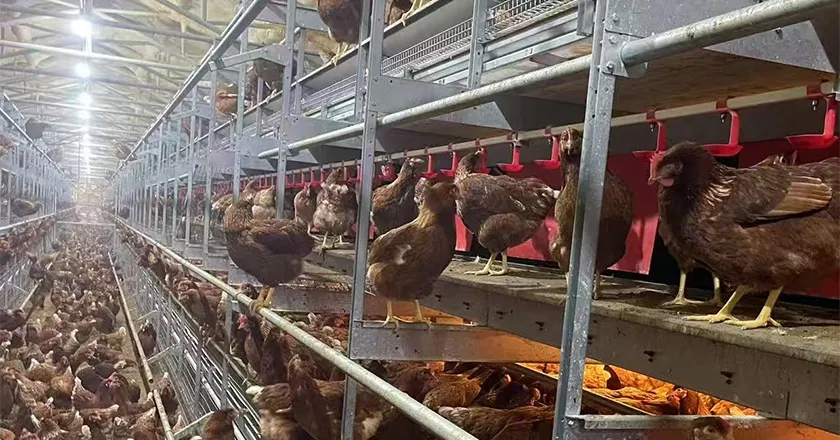
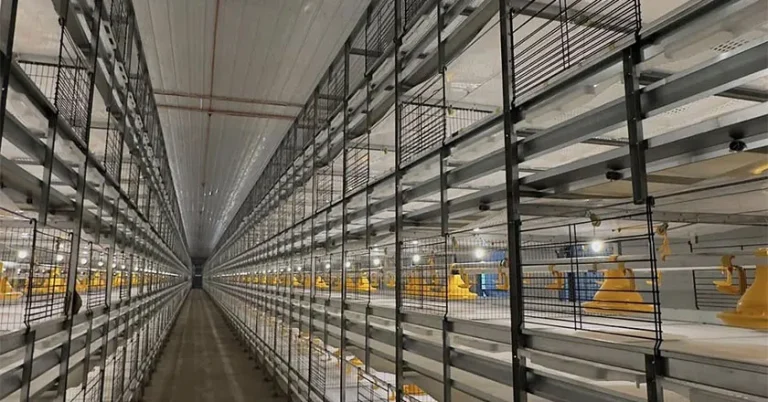
A battery cage system is a structured housing system where each hen (or a small group of laying hens) stays in a cage made from wire cages and wire mesh, usually arranged in rows and tiers. In modern projects, these are often cages connected together in long lines with shared frames, automatic feeder lines, and controlled feed and water delivery.
On a large poultry farm, this cage approach makes daily work predictable. Eggs roll to a collection point, so you reduce breakage during laying eggs. You also gain direct access to birds for inspection, vaccination checks, and grading. In our turnkey projects, we integrate the battery cage system with ventilation, cooling pads, inlets, lighting programs, and manure removal so the house behaves like a controlled production unit—not just a shed with cages.
From an engineering view, a cage house performs best when the “system for poultry” is complete: steel-structure building, climate control, water pressure stability (often nipple drinking), and manure belts or scraping. When these pieces align, the cage method supports consistent animal production and stable output.
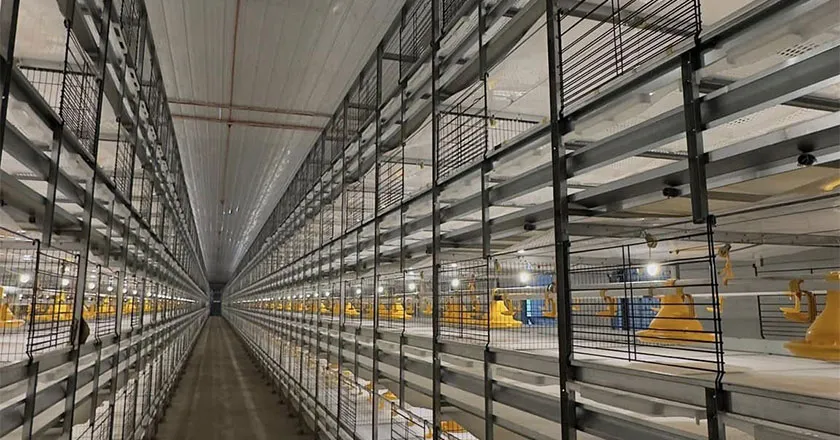
Sistema automático de jaulas en batería para pollos de engorde tipo H
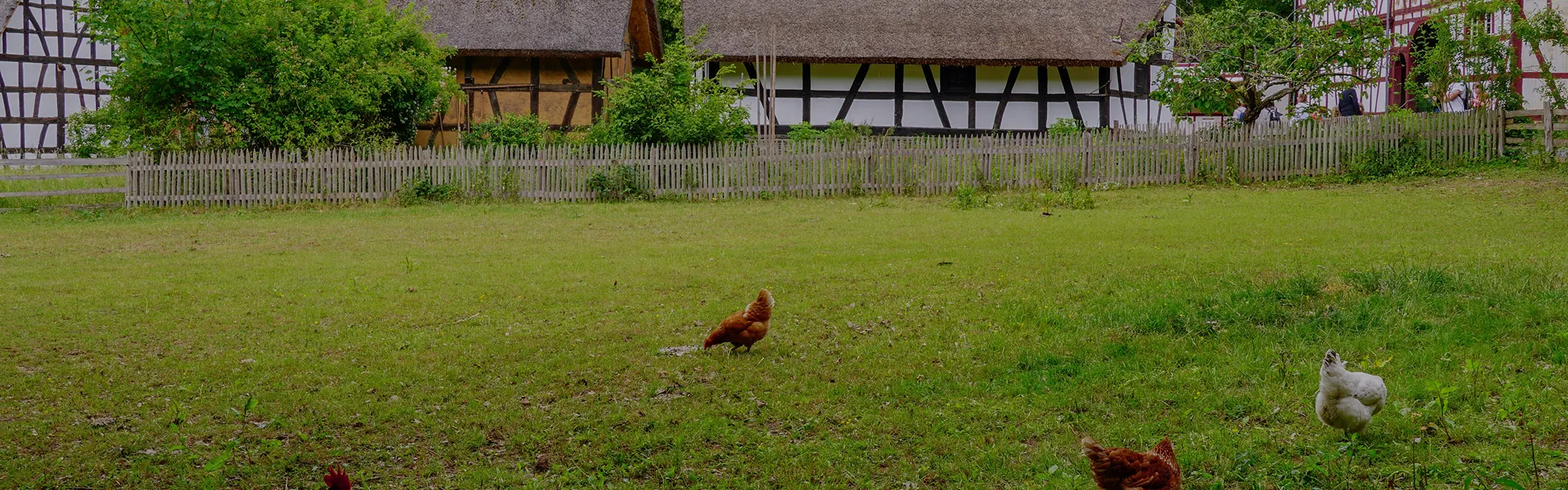
A deep litter system is a floor-based housing system. Birds live on bedding material such as wood shavings, sawdust, or rice hulls. Over time, bedding mixes with dropping, feathers, and spilled feed, forming “litter.” This is why people call it deep litter: the litter layer builds up and must stay dry and well-managed.
Here’s the key sentence many new poultry farmers miss: deep litter system requires discipline. You must manage moisture, keep ventilation steady, and prevent caking. If litter gets wet, you invite high ammonia, foot issues, flies, and more disease pressure. University extension guidance consistently stresses keeping litter dry because litter conditions affect bird performance and profit.
Deep litter can be a good fit when you want simpler local construction, you have adequate floor area, and your team can handle daily litter observation. It’s also common for small-scale starts and for farms where repairs and spare parts must be locally sourced fast. But once you scale, management needs rise quickly—especially in humid seasons.
If your core goal is egg production with stable outputs, the battery cage system often has an advantage. Why? It controls variables: feed intake per bird, water delivery, egg collection, and bird-to-bird contact. Many farms see higher egg production consistency and cleaner eggs because eggs do not touch litter.
Deep litter can still deliver strong performance, but the spread is wider. When chickens move freely, they may burn more energy. Some birds hide eggs, some step on eggs, and the risk of egg contamination is higher if litter moisture is not controlled. That can reduce sellable egg percentage even when birds are laying well.
A simple way to think about egg production rate is “how many eggs you produce” minus “how many eggs you lose.” Battery cage reduces egg loss from cracking, trampling, and soiling. Deep litter may have slightly lower technical efficiency unless management is excellent.
| Factor | Battery cage system | Sistema de lecho profundo |
|---|---|---|
| Egg cleanliness | Más alto | Medium (depends on litter) |
| Egg breakage | Baja | Higher risk |
| Disease spread | Lower contact between birds | More contact, higher spread risk |
| Daily data control | Strong (easy monitoring) | Medium (harder individual tracking) |
Also note: egg markets increasingly ask about welfare. Some buyers prefer “cage-free.” So “better” can mean higher price, not just more eggs.
This is where many investors decide fast.
FAO training materials show how stocking density and space planning are central in housing decisions, including deep litter examples with specific space allowances.
If you are expanding from a medium farm to an integrated poultry company model, the cage route often fits better because production methods become standardized and repeatable.
Feed is the biggest cost line in most egg projects. So small differences matter.
In cages, birds have controlled access to the trough and drinkers. That usually reduces spillage and wastage. It also makes it easier to measure consumption and adjust formulations. Many farms report better feed conversion because birds spend less energy walking, scratching, and competing for feeders.
In deep litter, birds move more. That can be good for behavior, but it can increase feed use per egg. You also face more feed loss from scratching and mixing feed into litter, especially if feeder height and design are off.
Practical tip: in both systems, set the feeder lip height properly and keep feed and water quality stable. A small leak can turn litter wet; a blocked drinker can cut intake and drop eggs fast.
Let’s be blunt: manure management is where many farms win or lose.
High ammonia harms birds and workers. Extension and university research consistently links poor litter conditions and higher ammonia to worse performance and health outcomes.
In our system design, we treat ventilation and manure removal as one package. If you only buy cages without matching house airflow, you don’t get the full benefit.
“Keeping litter dry is a critical part of overall management on every poultry farm.”
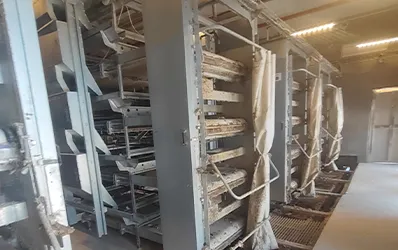
Discharge end of the manure line, exporting manure directly for outside collection.
This topic has become a purchase requirement for many distributors and integrated poultry brands.
In the EU, non-enriched cage systems have been prohibited since January 1, 2012, and enriched cages or alternative systems are required under the laying hen welfare directive framework.
That does not mean all cages are banned everywhere. It means welfare standards are changing, and buyers may ask:
Deep litter can appear more welfare-friendly because birds can scratch and move freely. But welfare also includes health outcomes. Wet litter, parasites, and high mortality are welfare failures too. So animal welfare is not “floor = good, cage = bad.” It’s “design + management + outcomes.”
If your market includes exports or premium brands, the decision may be driven by customer demands, not your personal preference. This is why we always map animal welfare requirements early in project design.
Yes—and this is where many new investors mix things up.
For broilers vs layers, the housing goal differs:
Deep litter is common for broilers because floor rearing fits growth behavior, and litter can be managed in cycles. Research and extension resources focus heavily on litter quality because it affects broiler performance and welfare outcomes.
For layer chickens, cage systems are still widely used globally because they fit high-density egg production. But alternative systems are increasing in some markets due to welfare standards.
So when you plan “housing system in poultry farming,” define your business model first: egg brand requirements, target customers, and whether you plan to sell manure, compost, or processed fertilizer.
Here are field-tested management tips we use when training farm teams (this is where many farms improve fastest):
In deep litter, focus on litter dryness, turning, and adding bedding if needed. In cage, focus on drinker leaks, manure removal timing, and cage line alignment so eggs roll properly.
When management is weak, both systems can face higher mortality. When management is strong, both systems can be profitable and stable.
Let’s answer “one is best” the way a serious buyer would: with a checklist that fits your farm reality.
In Nigeria, many medium farms compare both systems mainly on labor and feed loss. Some farm studies and reports show both can be profitable, with differences depending on scale and management quality.
In our experience supporting projects in West Africa, the winning farms do two things:
Also, if you’ve read training blogs like Shambani College, you’ll notice the discussion often comes back to practical pros and cons and “which one is best for your layer chickens.” That’s the right mindset—context matters.
We are a professional manufacturer and engineering supplier of turnkey poultry and rabbit farming systems. That means we integrate:
Whether you chose deep litter or a multi-tier cage layout, we design the house as one working system. We size ventilation for your climate, balance water pressure, select equipment for your bird count, and build a manure plan that fits your local handling and transport options.
A simple promise: we don’t sell “parts.” We deliver a housing system used in real farms—designed for predictable results.
Not always, but it often delivers more consistent egg handling and lower egg loss. Deep litter can perform well when management is strong, litter stays dry, and your team follows strict routines.
Many farms use wood shavings or sawdust. The best bedding stays dry, absorbs moisture, and is locally available at stable cost. Litter management and ventilation matter as much as material choice.
For small-scale startups, deep litter can be simpler to build and repair. But it still needs daily skill. If labor is limited and you want easier monitoring, a small cage setup may work better.
Keep litter dry, fix drinker leaks fast, maintain steady ventilation, and consider litter amendments when needed. High ammonia reduces bird health and performance.
Yes. Some farms use deep litter for brooding and early growth, then move birds into cages for laying. Your design must plan movement, biosecurity, and house scheduling.
Start with structured training resources in poultry science and extension materials, then work with an engineering supplier who can convert theory into a practical build plan. Even short guides (including sources like FAO materials) help you understand spacing, ventilation, and routine needs.
If you tell me your bird capacity, land size, climate, and whether you’re producing for commodity eggs or a welfare-driven market, I can map a practical housing system recommendation and a turnkey equipment list that fits your project.
Choosing the wrong battery cage layout can lock your poultry farm into high labor, poor ai…
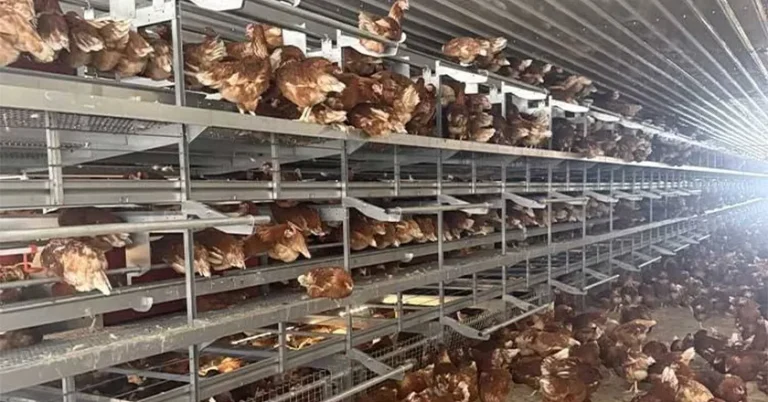
Sistema de yacija profunda frente a jaula en batería para la producción de huevos en una granja avícola moderna: Explore qué...
Responderemos a su consulta en un plazo de 24 horas. Para consultas urgentes, póngase en contacto con nosotros a través de WhatsApp: +86 133 6144 9578 o llámenos directamente.
*Respetamos su privacidad. Toda la información enviada es estrictamente confidencial.
Sus datos solo se utilizarán para responder a su consulta. Nunca enviamos correos electrónicos no solicitados ni mensajes promocionales.