










Innovations in Poultry Shed Construction: How Modern Building Techniques Are Reshaping the Poultry Industry
Poultry Shed Construction: Modern Building Innovations Explore how modern poultry shed con…



Echa un vistazo a nuestras últimas noticias.,
 11:02
11:02 June 26, 2026 – As global poultry industries continue to evolve, modern chicken rearing equipment is undergoing a significant transformation, with enriched welfare cages emerging as the gold standard for responsible and efficient poultry production. This shift represents a fundamental rethinking of how cages for poultry can balance animal welfare, biosecurity, and operational productivity.
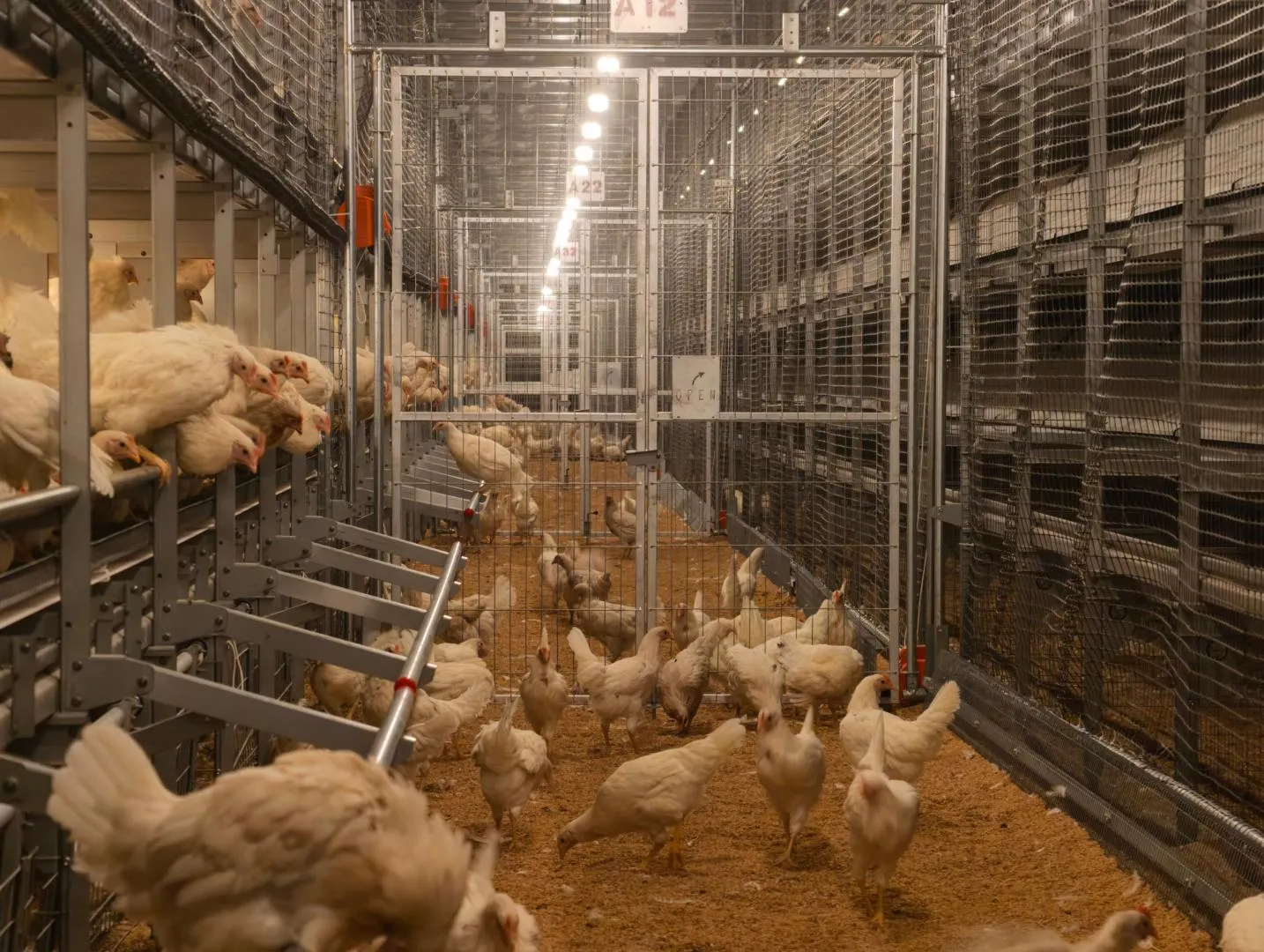
The adoption of enriched welfare systems represents more than just a regulatory response—it’s a strategic investment in long-term poultry farm sustainability. Leading poultry farm equipment suppliers have developed systems that address the limitations of conventional cages while retaining the biosecurity and management advantages that made cage systems popular in the first place.
“Poultry house construction today must account for evolving consumer expectations and regulatory landscapes,” explained a senior poultry farm consultant specializing in welfare-compliant designs. “Welfare cages aren’t just about meeting standards—they’re about future-proofing your investment.”
A comprehensive poultry farm feasibility study comparing different housing systems consistently shows that enriched cages deliver the best balance of welfare outcomes and production efficiency. This is particularly important for operations looking to access premium markets or secure long-term retail partnerships.
The primary benefit of modern welfare cage systems is the significant improvement in bird living conditions. Unlike conventional battery cages, enriched systems provide:
•Nesting areas where hens can exhibit natural nesting behaviors
•Perches that allow roosting and reduce foot health issues
•Litter areas for dust bathing and foraging behaviors
•Increased space allowance per bird
These features enable birds to express more of their natural behaviors while still maintaining the health benefits of cage systems, such as reduced feather pecking and lower parasite transmission rates.
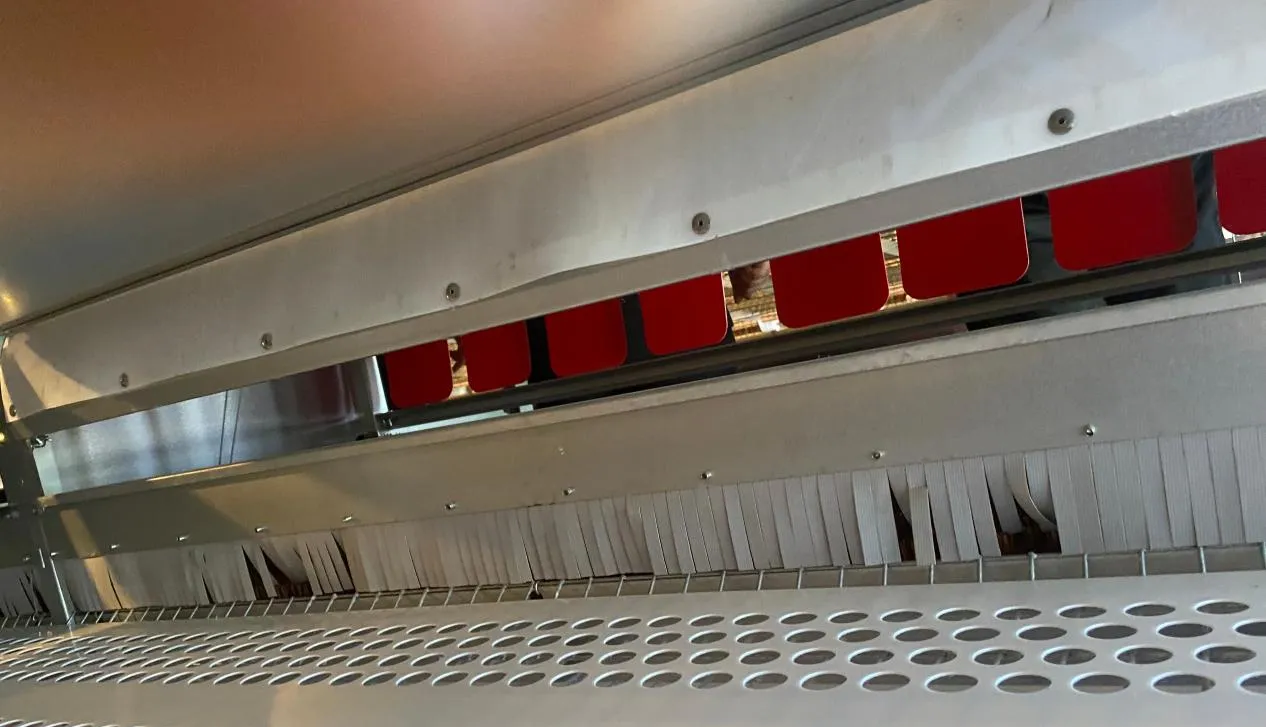
Contrary to common misconceptions, well-designed welfare cage systems often deliver equal or better production metrics compared to alternative systems. The controlled environment supported by integrated poultry ventilation system technology ensures consistent air quality and temperature, directly impacting bird health and egg production rates.
“Quality equipment in poultry production should support both welfare and performance,” noted an operations manager at a leading integrator. “Our welfare cage installations have shown 3-5% better hen-day production rates, along with lower mortality and better egg quality.”
En broiler chicken farming equipment sector has also seen similar innovations, with enriched broiler housing systems that provide more space and environmental enrichment while maintaining the biosecurity benefits of controlled environments.
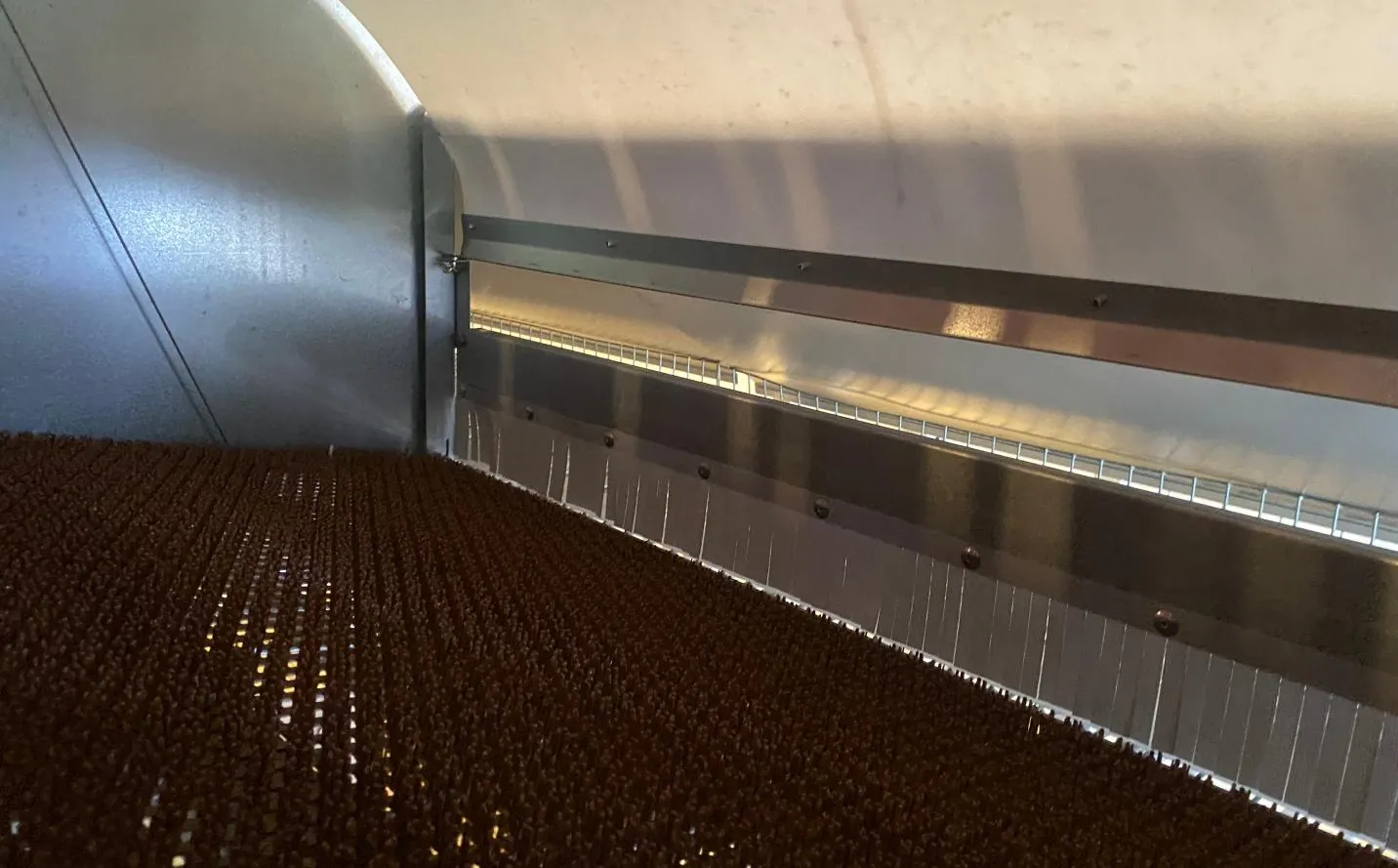
Welfare cages retain one of the most significant advantages of cage systems: excellent biosecurity control. Birds are separated from their manure, reducing the risk of disease transmission and parasitic infections. This separation also enables easier manure management and reduces ammonia levels in the house.
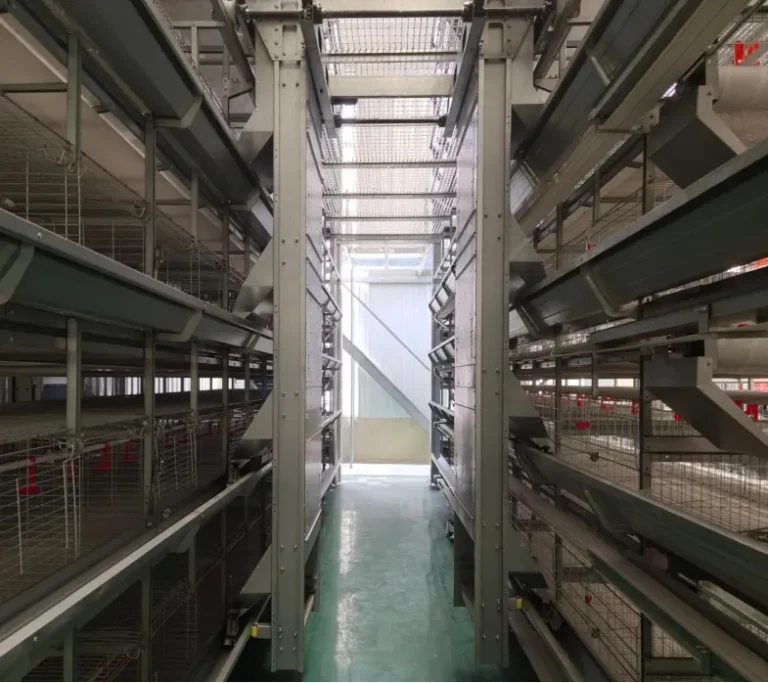
When integrated into modern poultry shed construction, welfare cage systems allow for automated cleaning, feeding, and egg collection—reducing human contact with the flock and minimizing biosecurity risks.
Modern welfare cage systems are designed with worker ergonomics in mind. Automated systems reduce manual labor requirements and physical strain on farm workers. The structured layout of cage rows also improves visibility and access for daily flock inspections.
Successful integration of welfare cages requires careful broiler farm design planning. Key considerations include:
1.House dimensions: Welfare cages require more vertical and horizontal space than conventional systems
2.Ventilation capacity: The poultry ventilation system must handle the increased air volume requirements of larger house footprints
3.Manure handling: Automated manure removal systems are essential for maintaining air quality
4.Lighting programs: Proper lighting is crucial for supporting natural behaviors and production performance
Leading poultry farm equipment suppliers offer turnkey solutions that include everything from initial poultry farm construction planning to final equipment commissioning and staff training.
As consumer awareness of animal welfare continues to grow globally, the demand for welfare-compliant chicken rearing equipment is expected to accelerate. Producers who invest in these systems now are positioning themselves to meet future market requirements and access higher-value market segments.
“The transition to welfare cages isn’t a question of if—it’s a question of when and how smoothly,” observed an industry analyst. “Producers who work with experienced poultry farm consultants and invest in quality systems are finding that the transition can be both ethically rewarding and economically beneficial.”
For operations considering upgrading their housing systems, experts recommend starting with a thorough assessment of current poultry house construction, production goals, and market positioning to determine the optimal welfare cage solution for their specific needs.
Poultry Shed Construction: Modern Building Innovations Explore how modern poultry shed con…
Learn how to plan a modern poultry house with steel structures, ventilation, cooling, heat…
Responderemos a su consulta en un plazo de 24 horas. Para consultas urgentes, póngase en contacto con nosotros a través de WhatsApp: +86 133 6144 9578 o llámenos directamente.
*Respetamos su privacidad. Toda la información enviada es estrictamente confidencial.
Sus datos solo se utilizarán para responder a su consulta. Nunca enviamos correos electrónicos no solicitados ni mensajes promocionales.