










Sourcing Poultry Equipment Manufacturers in China: Buyer Guide
Sourcing poultry equipment from a Chinese manufacturer means controlling four variables di…



Echa un vistazo a nuestras últimas noticias.,
 13:46
13:46 For many beginners, starting a chicken farm sounds simple — buy chickens, feed them, and wait for eggs or meat.
In reality, successful poultry farming is a system, not just feeding birds.
This guide is written for people with no prior experience, helping you understand how a chicken farm really works, what decisions matter most, and how to avoid common beginner mistakes.
Step 1: Decide Your Farming Goal (Eggs or Meat)
Before spending any money, you must answer one key question:
Do you want to sell eggs or chicken meat?
Option 1: Laying Hens (Egg Production)
Chickens start laying eggs at around 18–20 weeks
Eggs are produced daily
Suitable for long-term, stable income
Requires more attention to environment and management
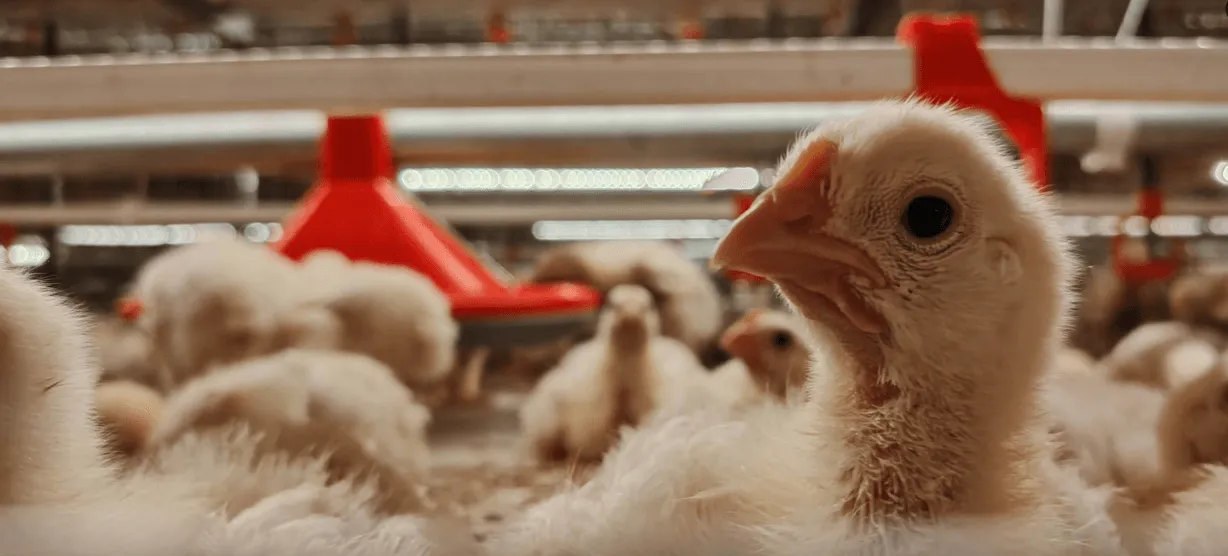
Option 2: Broilers (Meat Production)
Grow fast, usually 35–45 days per cycle
Short investment return cycle
Easier for beginners to manage
Popular choice for first-time farmers
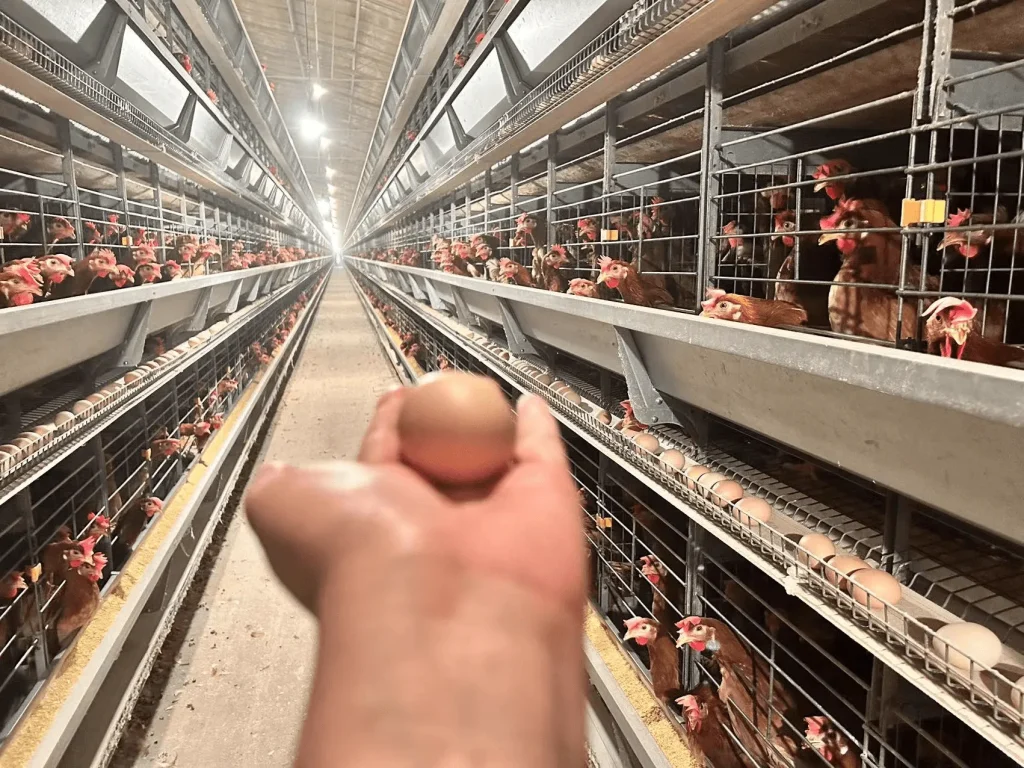
Beginner advice:
If this is your first poultry project, broilers are often easier to start with. Once you gain experience, you can expand into egg production.
Step 2: Choose a Reasonable Starting Scale
Many beginners ask:
“How many chickens should I start with?”
Starting too small makes it hard to cover fixed costs.
Starting too large increases financial and management risks.
In real projects, a starting scale of 5,000–10,000 chickens is common because it:
Matches commercial feed and equipment efficiency
Allows you to learn real farm management
Keeps risk controllable
Makes future expansion easier
Poultry farming is a business — not a hobby.
The goal is learning + sustainability, not guessing.
Step 3: Understand the Chicken House (This Is Critical)
A chicken house is not just a shelter.
It directly affects growth rate, egg production, disease risk, and mortality.
Key factors every chicken house must have:
Good ventilation
Removes heat, moisture, and harmful gases (like ammonia)
Temperature control
Too hot → chickens eat less
Too cold → chickens waste energy to stay warm
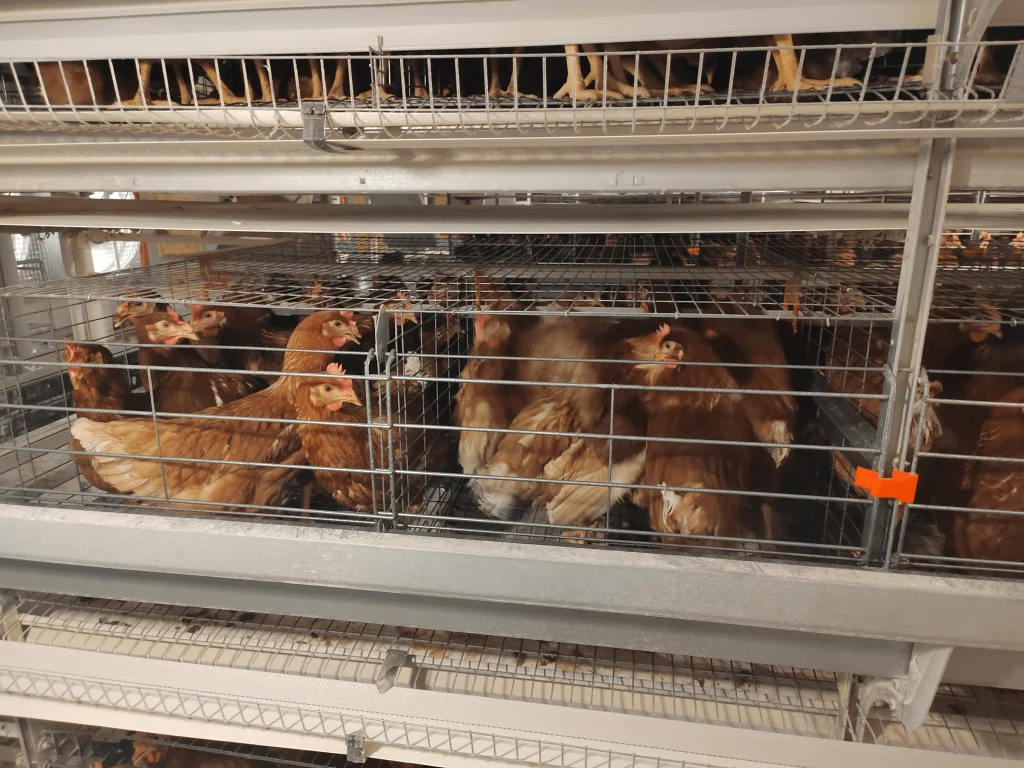
Enough space per bird
Overcrowding causes stress, disease, and fighting
Modern solution:
Many farms now use H-type automated cage systems, which:
Save space
Improve hygiene
Reduce labor
Allow better environmental control
For beginners, this means less daily manual work and more stable results.
Step 4: Feeding and Watering (Daily Basics)
Chickens cannot grow or lay eggs properly without correct nutrition.
Feeding basics:
Use commercial feed designed for each growth stage
Do not mix feeds randomly
Avoid sudden feed changes
Drinking water:
Must be clean and always available
Poor water quality = disease risk
Automated feeding and drinking systems help beginners:
Avoid underfeeding or overfeeding
Reduce labor
Keep feeding consistent every day
Step 5: Disease Prevention (More Important Than Treatment)
New farmers often focus on treatment.
Professional farmers focus on prevention.
Basic prevention rules:
Follow vaccination schedules
Keep the chicken house clean and dry
Remove manure regularly
Observe chickens every day (behavior tells you a lot)
Automated manure removal systems reduce:
Bacteria growth
Ammonia smell
Respiratory problems
This directly improves survival rate and productivity.
Step 6: Automation — When and Why It Matters
Automation does not mean “expensive” — it means efficient.
For beginners:
Start with basic automation (feeding, drinking, manure removal)
Add egg collection and environmental control as you expand
Automation helps you:
Reducir la dependencia de la mano de obra
Improve consistency
Manage larger flocks with fewer people
Lower long-term operating costs
Step 7: Expand Gradually and Safely
After one or two successful production cycles, you will:
Understand real costs
Know your local market
Identify bottlenecks
At this stage, expansion becomes a business decision, not a guess.
Good farms grow step by step, not overnight.
Final Thoughts for Beginners
Starting a chicken farm is not difficult, but starting correctly is crucial.
Start with a clear goal
Choose a reasonable scale
Focus on environment and management
Use suitable equipment, not just cheap equipment
Learn from each production cycle
With proper planning and professional guidance, poultry farming can become a stable and scalable agricultural business.
If you are planning to start a chicken farm and are unsure about farm layout, equipment selection, or starting scale, professional consultation can help you avoid costly mistakes and move forward with confidence.
Sourcing poultry equipment from a Chinese manufacturer means controlling four variables di…
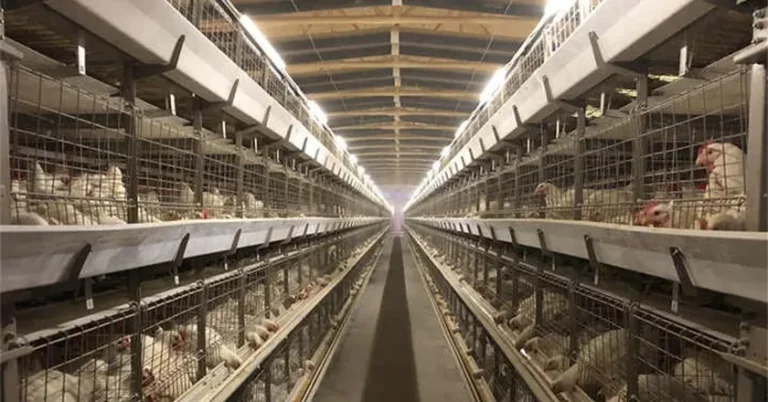
A steel structure poultry house is a prefabricated steel building designed for layer, broi…
Responderemos a su consulta en un plazo de 24 horas. Para consultas urgentes, póngase en contacto con nosotros a través de WhatsApp: +86 133 6144 9578 o llámenos directamente.
*Respetamos su privacidad. Toda la información enviada es estrictamente confidencial.
Sus datos solo se utilizarán para responder a su consulta. Nunca enviamos correos electrónicos no solicitados ni mensajes promocionales.