











Sourcing Poultry Equipment Manufacturers in China: Buyer Guide
Sourcing poultry equipment from a Chinese manufacturer means controlling four variables di…

আমাদের সর্বশেষ খবর দেখুন,
 13:46
13:46 অনেক নবীনদের জন্য মুরগির খামার শুরু করা সহজ মনে হয় — মুরগি কিনে, খাওয়িয়ে, ডিম বা মাংসের জন্য অপেক্ষা করা।.
বাস্তবে, সফল পোল্ট্রি পালন একটি ব্যবস্থা, শুধু পাখিদের খাওয়ানো নয়।.
এই গাইডটি তাদের জন্য লেখা হয়েছে যাদের পূর্ব অভিজ্ঞতা নেই, যাতে আপনি বুঝতে পারেন একটি মুরগির খামার আসলে কীভাবে চলে, কোন সিদ্ধান্তগুলো সবচেয়ে গুরুত্বপূর্ণ, এবং কীভাবে সাধারণ নবীনদের ভুলগুলো এড়ানো যায়।.
ধাপ ১: আপনার খামার করার লক্ষ্য নির্ধারণ করুন (ডিম বা মাংস)
কোনো টাকা খরচ করার আগে আপনাকে একটি গুরুত্বপূর্ণ প্রশ্নের উত্তর দিতে হবে:
আপনি কি ডিম বিক্রি করতে চান নাকি মুরগির মাংস বিক্রি করতে চান?
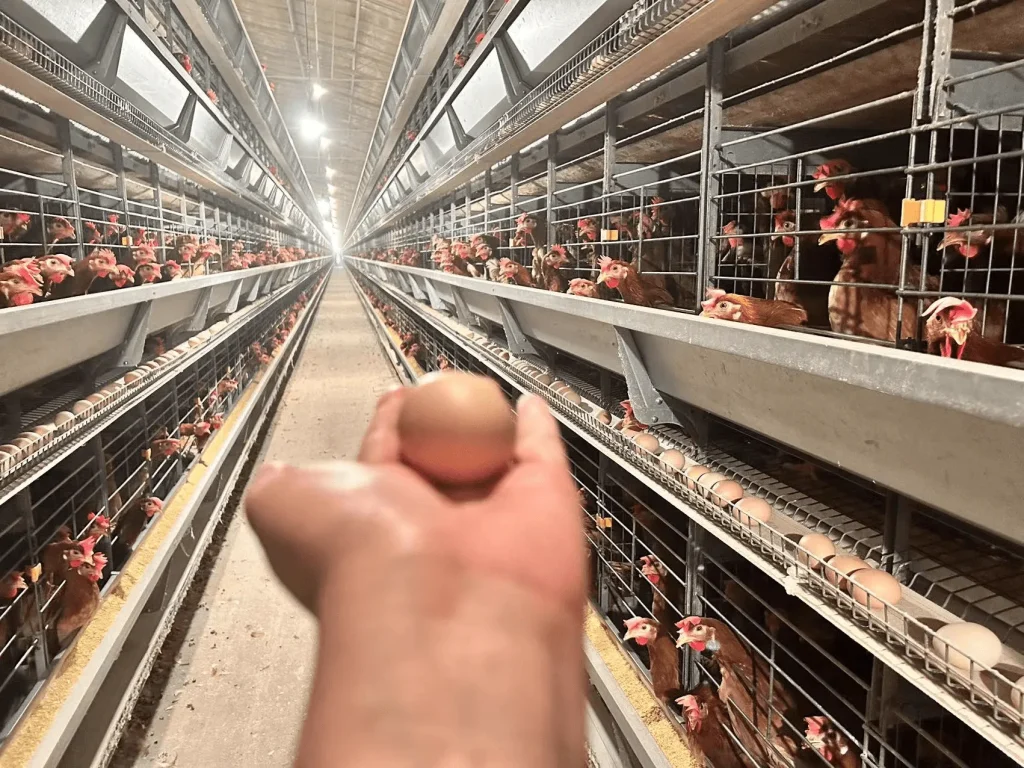
বিকল্প ১: ডিম পাড়া মুরগি (ডিম উৎপাদন)
মুরগিগুলো প্রায় ১৮–২০ সপ্তাহ বয়সে ডিম পাড়া শুরু করে।
ডিম প্রতিদিন উৎপাদিত হয়।
দীর্ঘমেয়াদী, স্থিতিশীল আয়ের জন্য উপযুক্ত
পরিবেশ ও ব্যবস্থাপনার প্রতি আরও মনোযোগ প্রয়োজন।
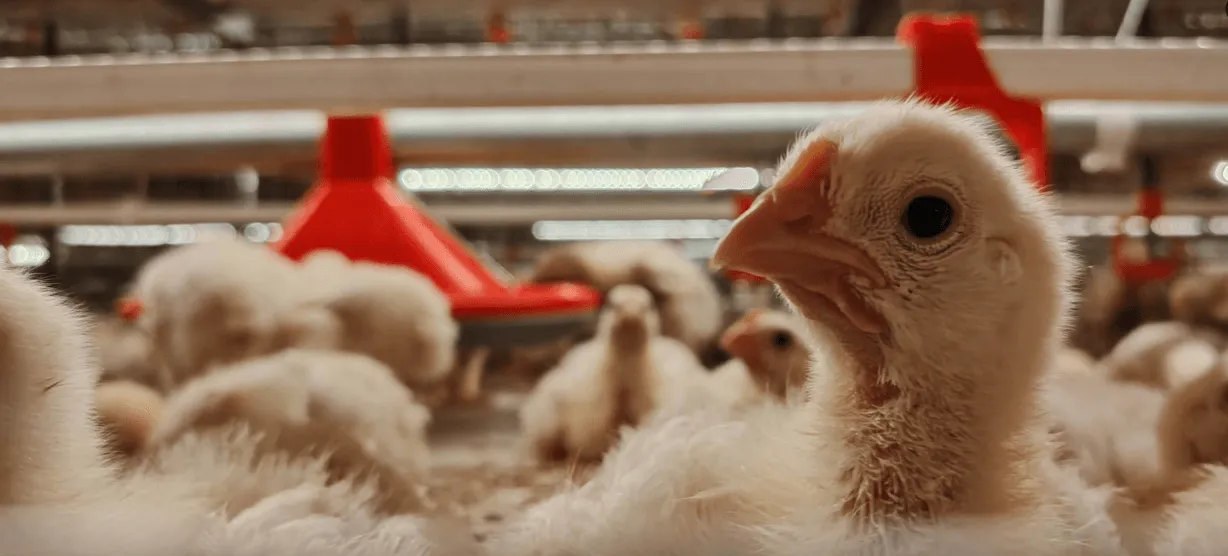
বিকল্প ২: ব্রয়লার (মাংস উৎপাদন)
দ্রুত বৃদ্ধি পায়, সাধারণত প্রতি চক্রে ৩৫–৪৫ দিন লাগে।
স্বল্প বিনিয়োগ রিটার্ন চক্র
নবীনদের জন্য পরিচালনা করা সহজ
প্রথমবারের কৃষকদের জন্য জনপ্রিয় পছন্দ
নবীনদের পরামর্শ:
যদি এটি আপনার প্রথম পোল্ট্রি প্রকল্প হয়, ব্রয়লার দিয়ে শুরু করা প্রায়শই সহজ। একবার আপনি অভিজ্ঞতা অর্জন করলে, আপনি ডিম উৎপাদন বাড়াতে পারেন।.
ধাপ ২: একটি যুক্তিসঙ্গত শুরু স্কেল নির্বাচন করুন
অনেক নবীন জিজ্ঞাসা করেন:
“আমি কতটি মুরগি দিয়ে শুরু করব?”
খুবই ছোট করে শুরু করলে স্থায়ী খরচ মেটানো কঠিন হয়ে যায়।.
অতি বড় আকারে শুরু করা আর্থিক ও ব্যবস্থাপনাগত ঝুঁকি বৃদ্ধি করে।.
বাস্তব প্রকল্পগুলোতে ৫,০০০–১০,০০০ মুরগি দিয়ে শুরু করা সাধারণ, কারণ এটি:
বাণিজ্যিক ফিড ও সরঞ্জামের দক্ষতার সাথে সামঞ্জস্য
আপনাকে প্রকৃত খামার ব্যবস্থাপনা শিখতে দেয়।
ঝুঁকি নিয়ন্ত্রণযোগ্য রাখে
ভবিষ্যতে সম্প্রসারণকে সহজ করে
পোল্ট্রি পালন একটি ব্যবসা — শখ নয়।.
লক্ষ্য হল শেখা এবং টেকসইতা, অনুমান নয়।.
ধাপ ৩: চিকেন হাউস বুঝুন (এটি অত্যন্ত গুরুত্বপূর্ণ)
মুরগির ঘর শুধু আশ্রয়স্থল নয়।.
এটি সরাসরি বৃদ্ধির হার, ডিম উৎপাদন, রোগের ঝুঁকি এবং মৃত্যুহারকে প্রভাবিত করে।.
প্রতিটি মুরগির খামারে থাকা উচিত এমন মূল উপাদানসমূহ:
ভাল বায়ু চলাচল
তাপ, আর্দ্রতা এবং ক্ষতিকর গ্যাস (যেমন অ্যামোনিয়া) অপসারণ করে।
তাপমাত্রা নিয়ন্ত্রণ
খুব গরম → মুরগি কম খায়
খুব ঠান্ডা → মুরগিরা উষ্ণ থাকতে শক্তি অপচয় করে
প্রতি পাখির জন্য পর্যাপ্ত স্থান
অতিরিক্ত ভিড় চাপ, রোগ এবং মারামারির কারণ হয়।
আধুনিক সমাধান:
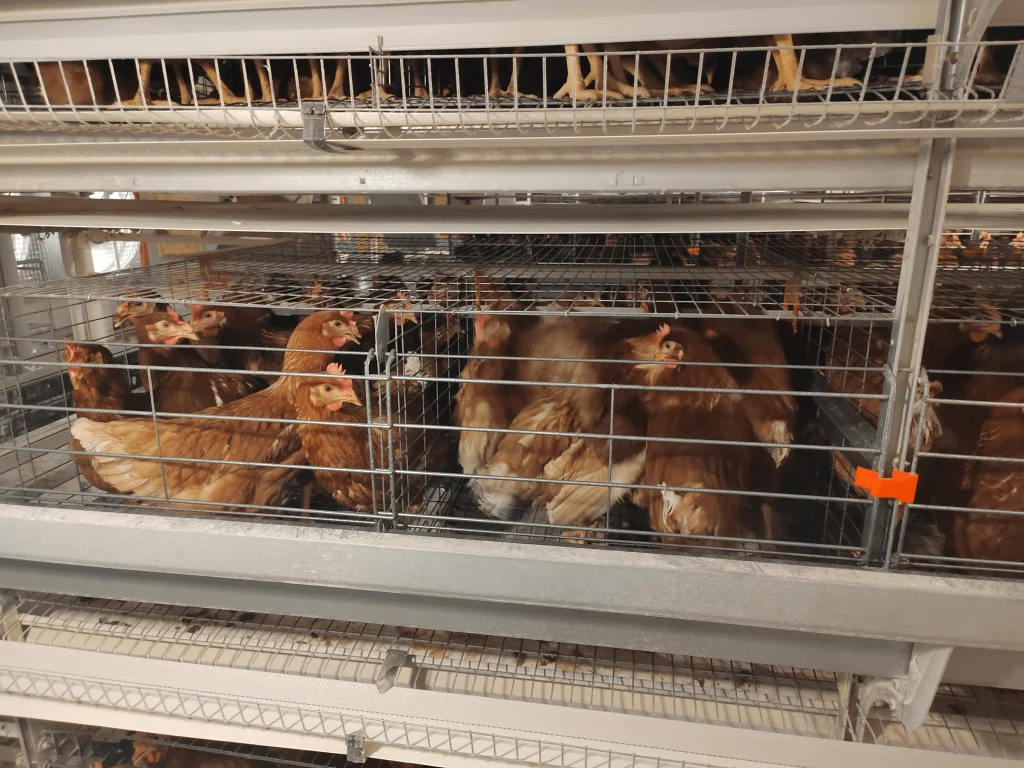
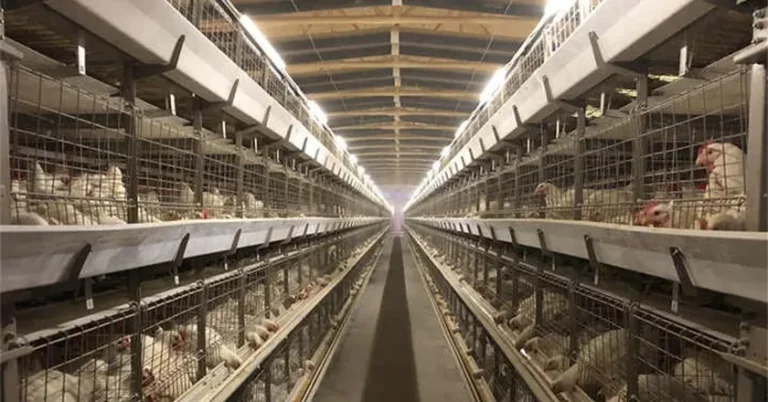
অনেক খামার এখন H-প্রকারের স্বয়ংক্রিয় খাঁচা ব্যবস্থা ব্যবহার করে, যা:
স্থান বাঁচান
স্বাস্থ্যবিধি উন্নত করুন
শ্রম কমানো
ভাল পরিবেশগত নিয়ন্ত্রণ সম্ভব করুন
নবীনদের জন্য এর মানে হল প্রতিদিনের ম্যানুয়াল কাজ কম এবং আরও স্থিতিশীল ফলাফল।.
ধাপ ৪: খাওয়ানো ও জল দেওয়া (দৈনন্দিন মৌলিক বিষয়)
সঠিক পুষ্টি ছাড়া মুরগিগুলো সঠিকভাবে বেড়ে উঠতে বা ডিম পাড়তে পারে না।.
খাদ্য প্রদানের মৌলিক বিষয়:
প্রতিটি বৃদ্ধির ধাপের জন্য তৈরি বাণিজ্যিক খাবার ব্যবহার করুন।
খাবারগুলো এলোমেলোভাবে মিশাবেন না।
হঠাৎ করে খাদ্যাভ্যাস পরিবর্তন করা এড়িয়ে চলুন
পানীয় জল:
পরিষ্কার থাকতে হবে এবং সবসময় উপলব্ধ থাকতে হবে।
খারাপ জলমান = রোগের ঝুঁকি
স্বয়ংক্রিয় খাওয়ানো ও পানীয় ব্যবস্থা নবীনদের সাহায্য করে:
অপুষ্টি বা অতিরিক্ত পুষ্টি এড়িয়ে চলুন
শ্রম কমানো
প্রতিদিন নিয়মিত খাওয়ানো চালিয়ে যান।
ধাপ ৫: রোগ প্রতিরোধ (চিকিৎসার চেয়ে বেশি গুরুত্বপূর্ণ)
নতুন কৃষকরা প্রায়ই চিকিৎসায় মনোযোগ দেয়।.
পেশাদার কৃষকরা প্রতিরোধে মনোনিবেশ করেন।.
মৌলিক প্রতিরোধের নিয়মাবলী:
টিকা গ্রহণের সময়সূচি অনুসরণ করুন
মুরগির খামার পরিষ্কার ও শুকনো রাখুন।
নিয়মিত গোবর সরান
প্রতিদিন মুরগিগুলো পর্যবেক্ষণ করুন (তাদের আচরণ অনেক কিছু বলে)
স্বয়ংক্রিয় গোবর অপসারণ ব্যবস্থা হ্রাস করে:
ব্যাকটেরিয়ার বৃদ্ধি
অ্যামোনিয়ার গন্ধ
শ্বাস-প্রশ্বাসজনিত সমস্যা
এটি সরাসরি বেঁচে থাকার হার এবং উৎপাদনশীলতা উন্নত করে।.
ধাপ ৬: অটোমেশন — কখন এবং কেন এটি গুরুত্বপূর্ণ
অটোমেশন মানে “ব্যয়বহুল” নয় — এটি মানে দক্ষ।.
নবীনদের জন্য:
মৌলিক স্বয়ংক্রিয়করণ দিয়ে শুরু করুন (খাবার দেওয়া, পানি পান করা, গোবর অপসারণ)
আপনার সম্প্রসারণের সাথে সাথে ডিম সংগ্রহ এবং পরিবেশগত নিয়ন্ত্রণ যোগ করুন।
অটোমেশন আপনাকে সাহায্য করে:
শ্রমিক নির্ভরতা হ্রাস করুন
সামঞ্জস্য উন্নত করুন
কম মানুষ দিয়ে বড় পালগুলো পরিচালনা করুন
দীর্ঘমেয়াদী পরিচালন ব্যয় হ্রাস করুন
ধাপ ৭: ধীরে ধীরে এবং নিরাপদে প্রসারিত করুন
এক বা দুইটি সফল উৎপাদন চক্রের পর, আপনি:
বাস্তব খরচগুলো বুঝুন
আপনার স্থানীয় বাজার জানুন
বাধাগুলো চিহ্নিত করুন
এই পর্যায়ে, সম্প্রসারণ একটি অনুমান নয়, বরং একটি ব্যবসায়িক সিদ্ধান্ত।.
ভাল খামার ধাপে ধাপে গড়ে ওঠে, একরাতে নয়।.
নবীনদের জন্য চূড়ান্ত ভাবনা
মুরগির খামার শুরু করা কঠিন নয়, তবে সঠিকভাবে শুরু করা অত্যন্ত গুরুত্বপূর্ণ।.
একটি স্পষ্ট লক্ষ্য দিয়ে শুরু করুন
যুক্তিসঙ্গত স্কেল নির্বাচন করুন
পরিবেশ ও ব্যবস্থাপনার উপর ফোকাস করুন
উপযুক্ত সরঞ্জাম ব্যবহার করুন, শুধুমাত্র সস্তা সরঞ্জাম নয়।
প্রতিটি উৎপাদন চক্র থেকে শিখুন
সঠিক পরিকল্পনা ও পেশাদার দিকনির্দেশনার মাধ্যমে, পোল্ট্রি পালন একটি স্থিতিশীল ও সম্প্রসারণযোগ্য কৃষি ব্যবসা হতে পারে।.
যদি আপনি একটি মুরগির খামার শুরু করার পরিকল্পনা করেন এবং খামারের বিন্যাস, সরঞ্জাম নির্বাচন বা শুরু করার পরিসীমা সম্পর্কে অনিশ্চিত থাকেন, তবে পেশাদার পরামর্শ আপনাকে ব্যয়বহুল ভুল এড়াতে এবং আত্মবিশ্বাসের সঙ্গে এগিয়ে যেতে সাহায্য করবে।.
Sourcing poultry equipment from a Chinese manufacturer means controlling four variables di…
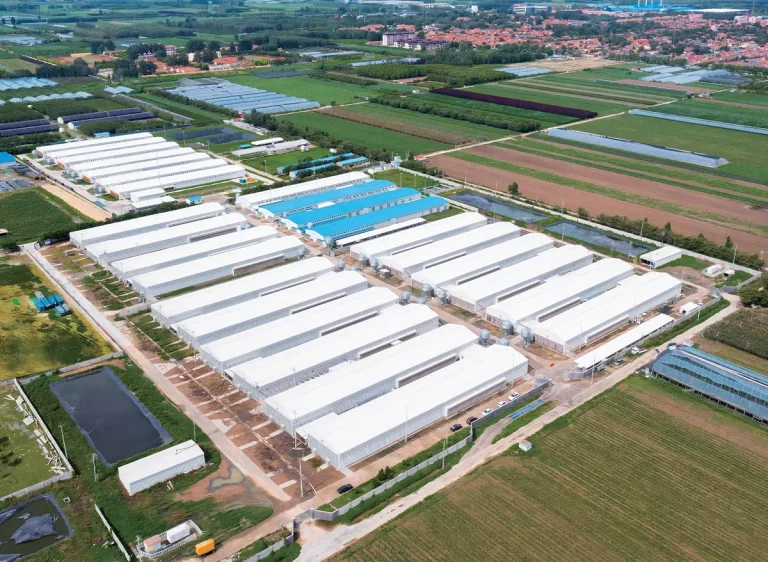
A steel structure poultry house is a prefabricated steel building designed for layer, broi…
আমরা ২৪ ঘণ্টার মধ্যে আপনার অনুসন্ধানে উত্তর দেব। জরুরি অনুসন্ধানের জন্য অনুগ্রহ করে WhatsApp-এ +86 133 6144 9578 নম্বরে যোগাযোগ করুন অথবা সরাসরি কল করুন।.
*আমরা আপনার গোপনীয়তাকে সম্মান করি। জমা দেওয়া সমস্ত তথ্য সম্পূর্ণরূপে গোপনীয়।.
আপনার বিবরণ শুধুমাত্র আপনার অনুসন্ধানে উত্তর দেওয়ার জন্য ব্যবহার করা হবে। আমরা কখনোই অনাকাঙ্ক্ষিত ইমেইল বা প্রচারমূলক বার্তা পাঠাই না।.