










Sourcing Poultry Equipment Manufacturers in China: Buyer Guide
Sourcing poultry equipment from a Chinese manufacturer means controlling four variables di…



Sehen Sie sich unsere neuesten Nachrichten an,
 11:45
11:45 Eine unzureichende Luftzirkulation führt in jedem Innenraum zu Hitze, Feuchtigkeit, muffigem Geruch und langfristigen Schäden. Viele Käufer wählen den falschen Ventilator und haben dann mit schwachem Luftstrom, hohen Geräuschpegeln und schlechten Ergebnissen zu kämpfen. Der richtige Lüftungsventilator löst diese Probleme, indem er Leistung, Kanalauslegung und Einsatzzweck aufeinander abstimmt.
Ein guter Lüfter leitet Wärme, Feuchtigkeit, Staub und unerwünschte Luft aus einem Raum oder Arbeitsbereich ab. Die beste Wahl hängt vom Raum, dem benötigten Luftdurchsatz, der Befestigungsart, der Kanalgröße sowie davon ab, ob Sie einen Abluftventilator für ein Badezimmer, eine Garage, einen Dachboden, ein Gewächshaus oder einen anderen gewerblichen Bereich benötigen.

Warum ist die Belüftung so wichtig?
Was macht ein Lüftungsventilator eigentlich?
Wie wählt man den richtigen Abluftventilator für verschiedene Räume aus?
Was ist der Unterschied zwischen Inline-Ventilatoren und Abluftventilatoren mit Klappen?
Wie wirken sich CFM, Kanalquerschnitt und Luftdurchsatz auf die Leistung aus?
Welche Eigenschaften machen einen Ventilator effizienter und zuverlässiger?
Was sollten Sie bei der Auswahl eines Badentlüfters und eines Badventilators beachten?
Unterscheiden sich Ventilatoren für den Dachboden, die Garage, den Keller und das Gewächshaus voneinander?
Was ist bei gewerblichen Anwendungen am wichtigsten?
Inwiefern kann eine schlüsselfertige Lüftungslösung landwirtschaftliche und tierhaltungsbezogene Projekte verbessern?
Gut Belüftung Es geht nicht nur um Komfort. Sie schützt Gebäude, Anlagen und den täglichen Betrieb. In einem Wohnhaus können sich bei unzureichender Luftzirkulation Feuchtigkeit, Gerüche und Wärme stauen. In einem landwirtschaftlichen oder industriellen Gebäude kann eine unzureichende Abluftleistung zu einem Temperaturanstieg, erhöhter Luftfeuchtigkeit und einer Verschlechterung der allgemeinen Luftqualität führen.
Wenn abgestandene Luft zu lange im Raum verbleibt, entstehen schnell Probleme. Schimmel kann sich ausbreiten. Metallteile können korrodieren. Staub kann sich ansammeln. Hitzestress kann Menschen, Tiere und Maschinen beeinträchtigen. Ein richtig dimensionierter Abluftventilator trägt dazu bei, Schadstoffe aus der Luft zu entfernen, Gerüche zu reduzieren und die Raumluftbedingungen stabiler zu halten.
Aufgrund unserer Erfahrung als professioneller Hersteller und technischer Ausrüster von schlüsselfertigen Geflügel- und Kaninchenhaltungssystemen sehen wir jeden Tag, wie wichtig eine ordnungsgemäße Luftzirkulation ist. In modernen Tierhaltungsprojekten ist die Belüftung kein Nebenaspekt. Sie gehört zu den Schlüsselsystemen, die die Gesundheit der Tiere, die Langlebigkeit der Ställe und die Produktionseffizienz gewährleisten.
Ein Lüftungsventilator saugt abgestandene oder heiße Luft aus einem Gebäude ab und sorgt dafür, dass frische Luft hereinkommt. Manche Systeme sind einfach aufgebaut. Andere sind mit Rollläden, Steuerungen und größeren Klimamanagementsystemen integriert. Der Zweck ist jedoch immer derselbe: den Luftstrom in der richtigen Menge und zum richtigen Zeitpunkt zu steuern.
Ein einfacher Abluftventilator kann dabei helfen, Folgendes zu entfernen:
Hitze
Rauch
Geruch
Staub
Dampf
übermäßige Luftfeuchtigkeit
abgestandene Raumluft
In kleinen Räumen kann ein Badventilator oder ein Badabluftventilator ausreichen. In größeren Gebäuden sind möglicherweise ein Inline-Ventilator, ein Wandventilator oder ein Ventilator mit Klappe die bessere Wahl. Manche Käufer setzen Lüftungsventilatoren in Werkstätten, Lagergebäuden und Tierställen ein, um den Komfort zu verbessern und Geräte zu schützen.
Ein moderner Ventilator ist zudem Teil eines umfassenderen Gebäudemanagementsystems. Er kann an ein Steuergerät, Feuchtigkeitssensor oder Temperaturmesssystem. In anspruchsvollen Projekten trägt diese Art der automatischen Reaktion dazu bei, Verschwendung zu reduzieren und die Zuverlässigkeit zu verbessern.
Welcher Abluftventilator am besten geeignet ist, hängt von der Größe des Gebäudes, der Wärme- oder Feuchtigkeitsbelastung sowie davon ab, wie die Luft durch den Raum strömen soll. Ein kleines Badezimmer erfordert etwas ganz anderes als ein Geflügelstall, Gewächshaus oder Produktionsraum.
Hier ein praktischer Vergleich:
| Raum | Gängiger Lüftertyp | Hauptziel |
|---|---|---|
| Badezimmer | Decken-Abluftventilator | Dampf und Gerüche beseitigen |
| Küche oder Waschküche | Wand- oder Deckenabzug | Warme, feuchte Luft abführen |
| Garage | Wandmontierter Abluftventilator | Dämpfe und Hitze beseitigen |
| Dachboden | Dach- oder Giebel-Abluftventilator | Eingeschlossene heiße Luft reduzieren |
| Keller | Einbau- oder Wand-Abluftventilator | Feuchtigkeit regulieren |
| Gewächshaus | Klappe oder Umwälzventilator | Temperatur regeln |
| Stall | Hochleistungs-Belüftungssystem | Regelung von Klima und Luftqualität |
Bei einem Badentlüftungsgerät stehen oft Luftfeuchtigkeit und geräuscharmer Betrieb im Vordergrund. Ein Gerät für die Garage oder den Dachboden muss möglicherweise eine höhere Luftleistung und Witterungsbeständigkeit aufweisen. Im gewerblichen Bereich muss der Ventilator oft länger laufen, einen größeren Raum abdecken und mit anderen HLK- oder Klimasystemen zusammenarbeiten.
Das Prinzip ist ganz einfach: Kaufen Sie nicht nur nach dem Aussehen. Passen Sie zuerst den Verwendungszweck an und wählen Sie dann das Modell aus.
Ein Inline-Ventilator wird in das Kanalsystem eingebaut. Er sorgt für den Luftstrom durch geschlossene Kanalwege und ist besonders dann sinnvoll, wenn der Motor außerhalb des sichtbaren Raumbereichs angebracht werden soll. Diese Bauweise eignet sich gut für lange Kanalstrecken, Anbauräume, Hauswirtschaftsräume und bestimmte landwirtschaftliche Gebäude.
Ein Abluftventilator mit Klappen wird an der Wand montiert und leitet die Luft direkt nach außen ab. Er verfügt in der Regel über Ventilatoren mit Klappen, die sich öffnen, wenn das Gerät läuft, und schließen, wenn es steht. Diese Bauweise ist in Werkstätten, Gewächshäusern, landwirtschaftlichen Gebäuden und vielen gewerblichen Einrichtungen sehr verbreitet.
Vorteile von Inline-Lüftern
gut für die verdeckte Installation geeignet
nützlich bei längeren Rohrleitungen
kann sichtbares Durcheinander verringern
funktioniert gut in Anlagen mit kontrolliertem Luftstrom
Vorteile von Abluftventilatoren mit Klappe
starke direkte Luftabsaugung
einfache Wandmontage
gut geeignet für größere, offene Konstruktionen
einfach für den industriellen und landwirtschaftlichen Einsatz
Wenn Sie eine unauffällige Deckenmontage wünschen, ist möglicherweise eine Inline-Lösung besser geeignet. Wenn Sie in einem in Betrieb befindlichen Gebäude eine Wandabluftanlage mit hohem Luftdurchsatz benötigen, ist ein Absperrklappen-Abluftventilator oft die bessere Wahl.
Die wichtigste Leistungsgröße für einen Lüfter ist der Luftdurchsatz. Dieser wird häufig in cfm gemessen, was für „Kubikfuß pro Minute“ steht. Einfach ausgedrückt gibt er an, wie viel Luft der Lüfter bewegen kann.
Ein kleiner Raum benötigt möglicherweise nur 80 cfm oder 110 cfm. Einige Produkte für den Hausgebrauch bieten Optionen mit 50–80–100 cfm, 50–80–110 cfm oder sogar 110–130–150 cfm, was bedeutet, dass der Luftstrom wählbar ist. Das ist praktisch, da ein Gerät für Räume unterschiedlicher Größe eingesetzt werden kann.
Auch die Größe des Luftkanals spielt eine Rolle. Ein 4-Zoll-Luftkanal ist zwar für den Einsatz in kompakten Wohnräumen üblich, ein 6-Zoll-Luftkanal kann jedoch ein höheres Luftvolumen bewältigen. Ist der Luftkanal zu klein, kann der Ventilator die Luft nicht ausreichend umwälzen. Ist der Luftkanalverlauf zu lang oder schlecht geplant, nimmt der Luftstrom ab.
| CFM-Reihe | Typische Anwendung |
|---|---|
| 50–80–100 CFM | Kleines Bad oder Hauswirtschaftsraum |
| 50–80–110 CFM | Flexible Wohnräume |
| 110 CFM | Standard-Badezimmer (größer) |
| 110–130–150 CFM | Größere Räume oder eine wirksamere Feuchtigkeitsregulierung |
Wenn Käufer also Produkte vergleichen, sollten sie nicht nur fragen: “Wie groß ist der Ventilator?”, sondern vielmehr: “Welche Lüftungsleistung in cfm benötigt dieser Raum, und wie wirkt sich der Luftkanal auf den tatsächlichen Luftstrom aus?”
Ein leistungsstarker Ventilator sollte nicht nur Luft bewegen. Er sollte dies effizient, leise und langfristig zuverlässig tun. Deshalb achten Käufer mittlerweile nicht mehr nur auf den Luftdurchsatz, sondern erkundigen sich auch nach Effizienz, Motorkonstruktion, Zertifizierungen und langfristiger Haltbarkeit.
Zu den nützlichen Funktionen gehören häufig:
Energy Star-zertifiziert oder Energy Star Performance
niedrige Sone-Werte oder niedrige Sone-Angabe für einen leisen Betrieb
Wechselstrommotor oder Gleichstrommotor für einen effizienten Betrieb
Sicherheit durch thermischen Motorschutz
korrosionsbeständiges Gehäuse
robuste Klingenkonstruktion
integrierter Feuchtigkeits- oder Bewegungsregler
leicht zu reinigendes Gitter
ETL- oder UL-Zulassung je nach Marktanforderungen
Manche Käufer vergleichen bekannte Marken wie Panasonic, Broan-Nutone, WhisperGreen Select, WhisperValue, AC Infinity oder Fantech, da diese Namen auf dem Markt weit verbreitet sind. Doch die Marke allein entscheidet nicht über den Erfolg. Das beste Produkt ist dasjenige, das optimal zum jeweiligen Raum, zum Nutzungsrhythmus und zu den Betriebsbedingungen passt.
Bei großen Gebäuden und Tierhaltungsanlagen legen wir mehr Wert auf eine zuverlässige Leistung als auf Markenbildung beim Verbraucher. Unseren Kunden sind ein hoher Luftdurchsatz, eine geringe Ausfallrate und eine einfache Integration in das Gesamtsystem wichtig. Klimaregelung Layouts.
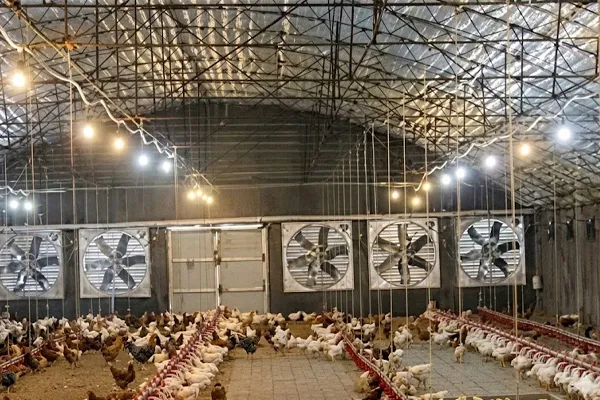
Ein Badventilator mag zwar einfach aussehen, muss aber dennoch die richtigen technischen Daten aufweisen. Ist er zu schwach, bleibt der Dampf im Raum. Ist er zu laut, vermeiden die Nutzer es, ihn einzuschalten. Wird er mit einer ungünstigen Kanalführung installiert, sinkt die Leistung drastisch.
Ein gutes Badentlüftungsgerät sollte auf die Raumgröße, die zu erwartende Feuchtigkeitsbelastung und die Anforderungen an die Geräuschentwicklung abgestimmt sein. So ist beispielsweise ein leiser Badventilator mit geringem Geräuschpegel und mäßigem Luftstrom oft ideal für eine normale Wohn- oder Haushaltsumgebung.
Checkliste für Badventilatoren
Wählen Sie die richtige CFM-Stufe aus
Größe und Verlauf des Kanals prüfen
Art der Decken- oder Wandmontage bestätigen
Wählen Sie einen niedrigen Schallpegel in Sones aus
Entscheiden Sie sich für ein pflegeleichtes Design
Verwenden Sie, sofern erforderlich, zertifizierte Produkte
Auch die Beleuchtung kann eine Rolle spielen. Manche Geräte für den Hausgebrauch vereinen Beleuchtung und Belüftung in einem Produkt. Das kann in einem kleinen Badezimmer oder Hauswirtschaftsraum hilfreich sein. In anspruchsvolleren Räumen bieten separate Systeme jedoch oft langfristig eine bessere Leistung.
Ja, das tun sie. Ein Dachventilator sorgt dafür, dass die unter dem Dach gestaute Wärme abgeführt wird. Ein Garagenmodell kann Abgase, Hitze oder leichten Staub beseitigen. Im Keller muss oft feuchte Luft und muffiger Geruch beseitigt werden. Ein Gewächshaus benötigt eine Temperaturregelung, die gleichzeitig die Wachstumsbedingungen der Pflanzen schützt.
Das bedeutet, dass nicht jedes Modell für jeden Raum geeignet ist. Der Motor, der Luftstromverlauf, die Art der Jalousie und der Wetterschutz müssen auf die jeweilige Anwendung abgestimmt sein.
Hier ist eine kurze Anleitung:
| Fläche | Hauptproblem | Fan-Priorität |
|---|---|---|
| Dachboden | gespeicherte Wärme | hohe Abgasmenge |
| Garage | Dämpfe und heiße Luft | langlebige Wandabsaugung |
| Keller | feuchte, abgestandene Luft | Feuchtigkeitsregulierung |
| Gewächshaus | Hitze und Luftfeuchtigkeit | starke Luftzirkulation und Entlüftung |
Für diese Bereiche ist eine robustere Konstruktion oft besser geeignet als ein einfacher, dekorativer Haushaltsventilator. In manchen Fällen kann auch ein Verstärkungsventilator eingesetzt werden, um eine lange Luftleitung zu unterstützen. Auch hier gilt: Entscheidend ist, das System an die tatsächlichen Anforderungen anzupassen.
Bei gewerblichen Anwendungen legen Käufer nicht nur Wert auf den Luftstrom. Sie legen Wert auf Langlebigkeit, Sicherheit, einfache Installation und einen stabilen Langzeitbetrieb. Diese Systeme sind oft länger in Betrieb und müssen härteren Bedingungen standhalten als herkömmliche Produkte für den privaten Gebrauch.
Sowohl für Käufer von Wohn- als auch von Gewerbeimmobilien gehören folgende Fragen zu den wichtigsten:
Ist der Motor auch bei langen Betriebszeiten zuverlässig?
Lässt sich der Ventilator nach der Installation leicht warten?
Entspricht die Planung dem Lüftungskanalplan des Gebäudes?
Ist es für Hitze, Staub und reale Betriebsbedingungen geeignet?
Lässt sich das System in die Klima- oder HLK-Steuerung integrieren?
Bei größeren Projekten, insbesondere in Tierhaltungsanlagen, hängt die Belüftung direkt mit der Produktionsleistung zusammen. Eine unzureichende Luftzirkulation kann die Leistung beeinträchtigen und gesundheitliche Risiken mit sich bringen. Eine gute Luftzirkulation schützt die Tiere, die Mitarbeiter und die Gebäude.
Aus diesem Grund ziehen Händler, Investoren und integrierte Agrarunternehmen oft maßgeschneiderte Systeme dem Einzelkauf einzelner Produkte vor. Ein besseres System senkt das Risiko.
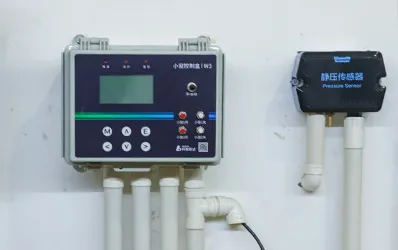
Bedienfeld mit Multifunktionstasten für die Einstellungen von Belüftung, Temperatur und Alarm.
Bei Geflügel- und Kaninchenzuchtprojekten ist die Belüftung kein eigenständiges Zubehör. Sie ist vielmehr ein Bestandteil eines kompletten Betriebsgebäudes, das die baulichen Einrichtungen, die Futter- und Tränkeversorgung, die Klimaregulierung sowie die Gülleaufbereitung umfasst. Genau hier schafft die schlüsselfertige Planung einen echten Mehrwert.
Wir arbeiten mit Besitzern großer und mittelgroßer landwirtschaftlicher Betriebe, integrierten Geflügelunternehmen, Investoren im Agrarbereich und Maschinenhändlern zusammen, die zuverlässige und individuell anpassbare Lösungen benötigen. Bei diesen Projekten werden die Ventilatoren entsprechend der Stalllänge, der Besatzdichte, den örtlichen klimatischen Bedingungen und der Steuerungsstrategie ausgewählt. Dies führt zu besseren Ergebnissen als die Auswahl eines Ventilators allein anhand eines Katalogfotos oder einer einfachen Leistungsangabe.
Was für ein integrierte Lösung kann verbessern
konstantere Raumtemperatur
besserer Luftaustausch
geringere Luftfeuchtigkeit und weniger Geruch
höherer Komfort für die Vögel
verlängerte Lebensdauer der Ausrüstung
einfachere Steuerung und geringerer Personalbedarf
Kurz gesagt, ein gutes Lüftungsventilator Das ist wichtig. Aber ein gutes System ist noch wichtiger. Wenn Ventilatoren, Lufteinlässe, Steuerungen und die Konstruktion zusammenwirken, erzielt die gesamte Anlage eine bessere Leistung.
Welcher Ventilator eignet sich am besten für ein Badezimmer?
Der beste Ventilator für ein Badezimmer ist ein Modell, das auf die Raumgröße abgestimmt ist, den richtigen Kanalquerschnitt aufweist und einen niedrigen Geräuschpegel hat. Leise Modelle mit zuverlässigem Luftstrom eignen sich in der Regel am besten für den täglichen Gebrauch im Haushalt.
Ist ein Inline-Ventilator besser als ein Wandabluftventilator?
Das hängt von der Anordnung ab. Ein Inline-Ventilator eignet sich besser für verdeckte Kanalsysteme oder lange Kanalstrecken. Ein Wandventilator ist oft die bessere Wahl für die direkte Abluftführung in Werkstätten, Gewächshäusern und landwirtschaftlichen Gebäuden.
Was bedeutet „CFM“ bei einem Ventilator?
CFM steht für „Cubic Feet per Minute“ (Kubikfuß pro Minute). Dieser Wert gibt an, wie viel Luft der Ventilator fördert. Ein höherer CFM-Wert bedeutet in der Regel eine stärkere Luftabfuhr, doch der richtige Wert hängt vom jeweiligen Raum ab.
Eignen sich Abluftventilatoren mit Jalousie für landwirtschaftliche Gebäude?
Ja. Ein Abluftventilator mit Klappe wird häufig in landwirtschaftlichen und industriellen Gebäuden eingesetzt, da er große Luftmengen direkt durch die Wand leiten kann und wartungsfreundlich ist.
Warum scheint mein Abluftventilator nach dem Einbau nicht richtig zu funktionieren?
Das Problem kann in einem mangelhaften Kanalsystem, einer falschen Kanalgröße, langen Biegungen oder der Wahl eines Ventilators mit zu geringem Luftdurchsatz für den jeweiligen Raum liegen. Die Auslegung der Anlage beeinflusst die Leistung ebenso stark wie der Ventilator selbst.
Müssen gewerbliche Ventilatoren zertifiziert sein?
In vielen Märkten achten Käufer je nach Projekt auf UL-, ETL- oder andere anerkannte Zertifizierungen. Eine Zertifizierung trägt dazu bei, die Sicherheit und die Markteignung zu bestätigen.
Ein guter Lüftungsventilator leitet Wärme, abgestandene Luft, Feuchtigkeit und Gerüche ab.
Welcher Abluftventilator am besten geeignet ist, hängt vom Raum, dem benötigten Luftdurchsatz und der Kanalisierungsplanung ab.
Inline-Ventilatoren und Abluftventilatoren mit Klappe erfüllen unterschiedliche Anforderungen im Bauwesen.
CFM, Kanalgröße und Befestigungsart wirken sich direkt auf die tatsächliche Leistung aus.
Effiziente Motoren, geringe Geräuschentwicklung und robuste Materialien steigern den langfristigen Wert.
Ein Badventilator sollte leise sein, die richtige Leistung haben und leicht zu warten sein.
Die Belüftungsanforderungen für Dachboden, Garage, Keller und Gewächshaus sind unterschiedlich.
In landwirtschaftlichen und industriellen Projekten hat sich eine integrierte Lüftungsplanung als effektiver erwiesen als die Auswahl einzelner Produkte.
Bei großen Geflügel- und Kaninchenställen sind Klimaregelung und Luftströmungsplanung von entscheidender Bedeutung für die Gesundheit und Produktivität der Tiere.
Sourcing poultry equipment from a Chinese manufacturer means controlling four variables di…
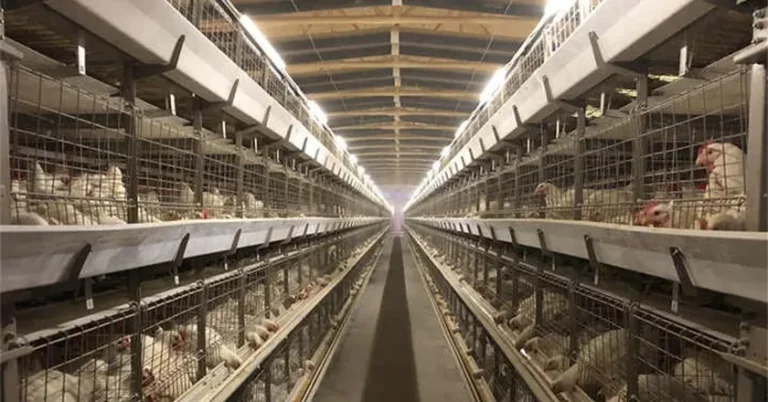
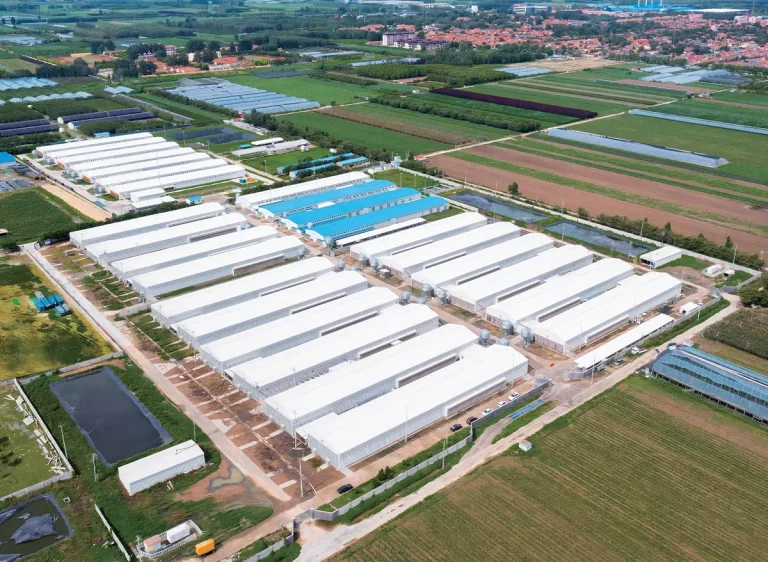
A steel structure poultry house is a prefabricated steel building designed for layer, broi…
Wir werden Ihre Anfrage innerhalb von 24 Stunden beantworten. Für dringende Anfragen kontaktieren Sie uns bitte per WhatsApp: +86 133 6144 9578 oder rufen Sie uns direkt an.
*Wir respektieren Ihre Privatsphäre. Alle übermittelten Informationen werden streng vertraulich behandelt.
Ihre Angaben werden nur zur Beantwortung Ihrer Anfrage verwendet. Wir senden niemals unaufgefordert E-Mails oder Werbenachrichten.