











Sourcing Poultry Equipment Manufacturers in China: Buyer Guide
Sourcing poultry equipment from a Chinese manufacturer means controlling four variables di…

اطّلع على آخر أخبارنا,
 11:52
11:52 قد تؤدي الخيارات السيئة في مجال الإسكان إلى استنزاف أرباح مزرعتك بشكل خفي — من خلال انخفاض إنتاج البيض، وارتفاع معدل الوفيات، وتلوث البيض، وتذمر العمال. ويزداد الأمر سوءًا عندما تستثمر في تصميم أقفاص غير مناسب ولا تتمكن من تحديثه لاحقًا. ويكمن الحل في الفهم الواضح والتدريجي لنظام الأقفاص المتراصة والبدائل الحديثة قبل الشروع في البناء.
نظام الأقفاص البطارية في تربية الدواجن هو نظام إيواء قائم على الأقفاص، حيث تعيش قطعان الدجاج البياض في صفوف من الأقفاص المتصلة ببعضها (والتي غالبًا ما تكون مكدسة في طبقات) مصممة لضمان كفاءة إنتاج البيض، والتحكم في العلف والماء، والتعامل مع الروث بطريقة أكثر نظافة. واليوم، تستخدم العديد من المشاريع تصميمات محسّنة مثل أنظمة الأقفاص المُحسّنة أو أنظمة الأقفاص الجماعية، في حين تتجه بعض الأسواق نحو تربية الدجاج في المراعي المفتوحة أو أنظمة بديلة أخرى بسبب سياسات رعاية الحيوانات.
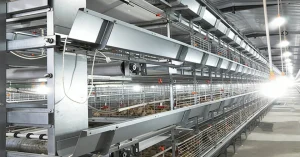
نظام أقفاص تربية الدجاج الأوتوماتيكي من النوع H
ما هو نظام أقفاص البطاريات ولماذا يُستخدم في مزارع الدواجن؟
كيف يعمل نظام أقفاص البطاريات في إنتاج بيض الدجاج البياض؟
ما الذي يحتويه قفص الدجاج الحديث: ميزات العلف والماء والعش وجثم الدجاج
الأقفاص التقليدية التي تعمل بالبطاريات مقابل الأقفاص المُحسَّنة مقابل الأقفاص الجماعية: ما الفرق بينها؟
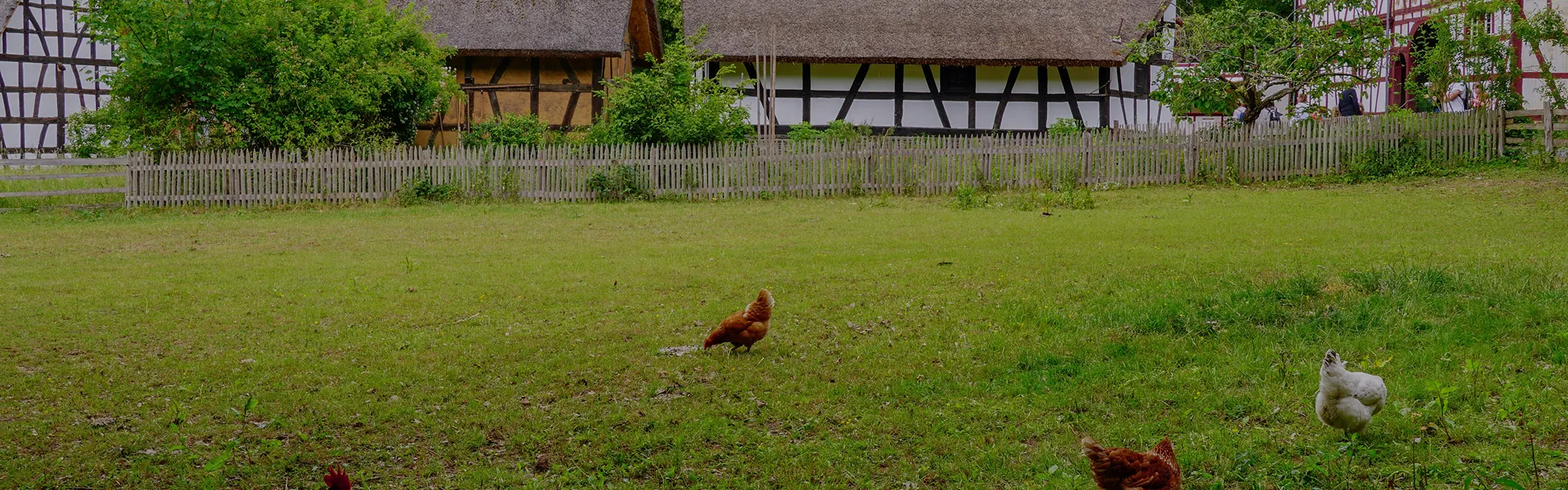
هل نظام التربية الحرة أفضل من نظام التربية في الأقفاص بالنسبة لجميع المزارع؟
رفاهية الحيوانات: لماذا تُعد “أقفاص التربية المكثفة المحظورة” موضوعًا مهمًّا في أوروبا وخارجها؟
السماد الطبيعي وإزالته: كيف يساهم تصميم الأقفاص في تحقيق إنتاج أنظف
التهوية والتحكم في درجة الحرارة: كيف يحمي حظيرة الدواجن المغلقة صحة القطيع
كفاءة الإنتاج وتكاليف العمالة: كيف تؤثر أنظمة الأقفاص على سير العمل اليومي
كيفية اختيار نظام الأقفاص في تربية الدواجن: قائمة مرجعية للمستثمرين والموزعين
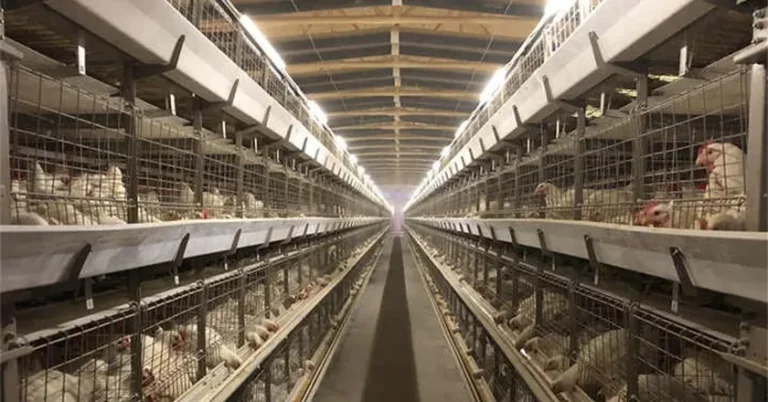
A نظام قفص البطارية هي طريقة منظمة لتربية الطيور — ولا سيما قطعان الدجاج البياض — في نظام أقفاص موحد. يمكنك تصورها على أنها شبكة: العديد من الأقفاص المتصلة في خط واحد، وعادةً ما تُرتب في صفوف طويلة داخل حظيرة الدجاج. ويستوعب كل قفص مجموعة صغيرة من الدجاجات، مع وصول مُحكَم إلى العلف والماء، وأرضية مائلة تسمح للبيض بالتدحرج إلى الأمام لتجميعه.
لماذا تختار العديد من المشاريع هذا النظام في تربية الدواجن؟ لأنه يجعل إنتاج البيض أكثر قابلية للتنبؤ. فهذا النظام يتيح سهولة الإدارة، ووضوح عملية عد الطيور، واستقرار “المدخلات” مثل العلف والماء. كما أنه يقلل من ملامسة البيض للروث، حيث يتدحرج البيض إلى مقدمة القفص.
من الناحية الهندسية، لا يقتصر نظام أقفاص البطاريات على “القفص” فحسب، بل هو نظام إيواء متكامل يشمل عادةً الهيكل الفولاذي، ونظام التهوية، وخطوط التغذية، ونظام الشرب، والإضاءة، ومعدات إزالة الروث. وهنا تكمن أهمية التخطيط الشامل «الجاهز للتشغيل».
بصفتنا شركة متخصصة في التصنيع والهندسة وموردة لأنظمة تربية الدواجن والأرانب الجاهزة للتشغيل، فإننا ندمج بين الحظائر ذات الهياكل الفولاذية، والأقفاص، وأنظمة التغذية والشرب، والتحكم في المناخ، ومعالجة الروث — لأن نظام الأقفاص في تربية الدواجن لا ينجح في المشاريع الفعلية إلا عندما يعمل النظام بأكمله بشكل متكامل.
في أقفاص التربية المكثفة، يكون الروتين اليومي بسيطًا ومتكررًا. تبقى كل دجاجة في القفص المخصص لها، وتتغذى من حوض طعام أمامي، وتشرب من الحلمات (أو الأكواب)، وتضع بيضها على أرضية مائلة قليلاً. يتدحرج البيض إلى الأمام نحو منطقة التجميع. يساعد هذا التصميم في الحفاظ على نظافة البيض ويقلل من كسره.
وهذا أحد الأسباب التي تجعل أنظمة البطاريات شائعة الاستخدام في مشاريع مزارع الدواجن الكبيرة: فهي تتيح توحيد الأداء. ويمكن لمديريكم تتبع استهلاك العلف، واستهلاك المياه، وعدد البيض، ومعدل الوفيات حسب الصف أو الطبقة أو الحظيرة. وهذا يحسّن من التحكم في أنظمة إنتاج البيض.
ولكن من المهم أيضًا توضيح التغييرات التي يحدثها هذا النظام. فالدجاجة الموجودة في قفص تقليدي لا تستطيع البحث عن الطعام أو المشي كما تفعل في نظام التربية الحرة. ولهذا السبب تكتسب متطلبات رعاية الحيوانات أهمية كبيرة، ولهذا السبب أيضًا تراعي العديد من المشاريع الجديدة تصميمات الأقفاص المُحسَّنة أو الأقفاص الجماعية التي تضيف ميزات مثل منطقة التعشيش ومكان الجلوس.
عندما يقول المشترون “أريد قفصًا للدجاج”، أطرح عليهم سؤالًا واحدًا: ما هي الميزات التي تحتاجونها لتحقيق أهدافكم المتعلقة بالسوق ورفاهية الطيور؟ يمكن أن يكون القفص عاريًا وبسيطًا، أو يمكن “تجهيزه” بأجزاء إضافية.
غالبًا ما تشتمل خطوط إنتاج أقفاص الدواجن الحديثة على ما يلي:
أنظمة التغذية: خيارات التغذية عبر الأحواض أو عبر السلاسل (حسب تصميم الحظيرة)
نظام الشرب: خط حلمات مزود بمنظمات ضغط وفلاتر
دعم جمع البويضات (يدويًا أو آليًا)
سيور إزالة السماد أو أنظمة الكشط (حسب المستوى والميزانية)
الميزات الاختيارية لأنظمة الأقفاص المُحسَّنة: منطقة التعشيش، العصا، منطقة الخدش/الفضلات
في الاتحاد الأوروبي، تميز القواعد بين أنواع الأقفاص وتحدد الحد الأدنى للمساحة والمواصفات المطلوبة للأقفاص المُحسَّنة. وتوضح المفوضية الأوروبية أن أنظمة الأقفاص غير المُحسَّنة محظورة، وأن الأقفاص المُحسَّنة يجب أن تستوفي متطلبات مثل توفير مساحة لا تقل عن 750 سم² لكل دجاجة.
تفصيل بسيط، تأثير كبير: تصميم الجزء الأمامي من القفص له أهميته. يؤثر “الجزء الأمامي من القفص” على سهولة الوصول إلى العلف، وسرعة فحص الدجاج العامل، وموثوقية خروج البيض. ولهذا السبب، فإننا لا نكتفي بتصميم القفص فحسب، بل نصمم أيضًا سير العمل المحيط به.
وهذا هو المكان الذي يحدث فيه الالتباس في العديد من المشاريع. غالبًا ما تُستخدم عبارة «أقفاص البطاريات» بشكل عام، لكن هناك تصنيفات واضحة.
| نوع النظام | الفكرة الرئيسية | السمات النموذجية | الهدف المشترك للمشتري |
|---|---|---|---|
| قفص البطاريات التقليدي (قفص خالٍ) | الإسكان الأساسي في أقفاص | مساحة محدودة، لا توجد منصة للجلوس أو عش | أقل نفقات رأسمالية، كثافة عالية |
| القفص المخصب (قفص مُؤثَّث) | قفص مزود بميزات تضمن رفاهية الحيوانات | السمك البيرش،, عش, ، منطقة القمامة/الخدش | الامتثال لمعايير الرفاهية الأكثر صرامة |
| قفص المستعمرة | نظام أقفاص جماعية أكبر حجمًا | مساحة أكبر، تصميم أفضل | التوازن بين الرفاهية والكفاءة |
| نظام التربية الحرة | تتمكن الطيور من الوصول إلى المنطقة الخارجية | المنزل الداخلي + الميدان الخارجي | العلامة التجارية للرعاية الاجتماعية، الوصول إلى الأسواق |
| أخرى أنظمة بديلة | أنظمة غير قفصية | خيارات الحظيرة/قفص الطيور | السياسة أو متطلبات المشتري |
في الاتحاد الأوروبي، تم حظر الأقفاص التقليدية (الأقفاص غير المُحسَّنة) اعتبارًا من 1 يناير 2012، في حين لا تزال الأقفاص المُحسَّنة والأنظمة البديلة قيد الاستخدام وفقًا لقواعد محددة.
كيفية الاختيار (قاعدة بسيطة):
إذا كان سوق المبيعات الخاص بك يتطلب وضع ملصقات تشير إلى أن الدجاج لم يُربَّ في أقفاص، فقد لا يكون نظام التربية في أقفاص مناسبًا.
إذا كان مشروعك يتطلب بيئة تتمتع بأقصى درجات التحكم، فإن نظام الإيواء القائم على الأقفاص غالبًا ما يكون هو الأفضل أداءً.
إذا كنت تبحث عن حل وسط، فقد يكون القفص المُحسَّن أو قفص المستعمرة خيارًا جيدًا.
ليس دائمًا. يعتبر نظام التربية في المراعي المفتوحة نظامًا إنتاجيًا صالحًا، لكنه ينطوي على تحديات إدارية مختلفة.
يمكن لنظام التربية الحرة أن يدعم سلوكيات أكثر طبيعية مثل الحركة والبحث عن العلف والاستكشاف. ويحب العديد من المستهلكين هذه الفكرة. لكن في المزارع الكبيرة، قد يؤدي نظام التربية الحرة أيضًا إلى زيادة التقلبات: مثل التغيرات المناخية، والطفيليات الخارجية، وأنماط جمع البيض غير المنتظمة.
كما يجب إدارة مخاطر الإصابة بالأمراض بعناية. فأي تعرض في الأماكن المفتوحة أو في الهواء الطلق قد يزيد من خطر انتقال الأمراض في حالة ضعف إجراءات الأمن البيولوجي. لذا، فإن السؤال ليس “التربية الحرة مقابل التربية في أقفاص”. بل السؤال الحقيقي هو: أي نظام يمكن لفريقك إدارته بشكل متسق وآمن؟
استنادًا إلى خبرتنا في هذا المجال، عادةً ما يتخذ المستثمرون وشركات الدواجن المتكاملة قراراتهم بناءً على:
الوصول إلى الأسواق (ما يطلبه المشترون)
المناخ وتوافر الأراضي
توافر اليد العاملة ومهاراتها
البنية التحتية لمعالجة البيض
الضغوط المتعلقة بسياسة رعاية الحيوانات
أصبحت رعاية الحيوانات الآن عاملاً مؤثراً في عمليات الشراء، ولم تعد مجرد موضوع نقاش عام. ويتعين على العديد من الموزعين والشركات المتكاملة الامتثال لمتطلبات تجار التجزئة أو الجهات الحكومية.
في الاتحاد الأوروبي، يبدو التغيير القانوني واضحًا: فالقواعد التي يضعها الاتحاد الأوروبي بشأن دجاجات التبويض تحظر استخدام الأقفاص غير المُحسَّنة، ويجب أن تتضمن الأقفاص المُحسَّنة شروطًا محددةً مثل المساحة المخصصة لكل دجاجة والميزات المطلوبة.
ولهذا السبب كثيراً ما يقول الناس إن “أقفاص التربية المكثفة محظورة” في أوروبا — لأن أقفاص التربية المكثفة التقليدية القديمة لم تعد مسموحة بموجب قواعد الاتحاد الأوروبي.
كما أن هناك ضغوطًا مستمرة لتقليص استخدام الأقفاص أو إنهائه بشكل أكبر. تشير صفحة المبادرة المدنية للاتحاد الأوروبي “إنهاء عصر الأقفاص” إلى نية المفوضية المعلنة لتقديم تشريع يهدف إلى التخلص التدريجي من الأقفاص الخاصة بالحيوانات المذكورة وحظرها في نهاية المطاف، استنادًا إلى آراء الهيئة الأوروبية لسلامة الأغذية (EFSA) وتقييم الأثر، مع تحديد هدف تقديم اقتراح بحلول نهاية عام 2023 (يعتمد التوقيت والقواعد النهائية على العملية التشريعية).
أما خارج أوروبا، فتختلف السياسات. فعلى سبيل المثال، حدد «الاقتراح رقم 12» في كاليفورنيا معايير دنيا لتربية الدجاج في أقفاص، وفرض قيودًا على بيع المنتجات التي لا تستوفي هذه المتطلبات، مما أثر على سلاسل توريد البيض.
نصيحة للمشتري: تأكد دائمًا من قواعد السوق المستهدفة قبل اختيار تصميم القفص. فقد يكون النظام الجيد في سوق ما غير قابل للتطبيق في سوق آخر.
السماد ليس مسألة ثانوية — بل هو عنصر أساسي في نجاح مشاريع تربية الدواجن. ويؤدي سوء التخطيط المتعلق بالسماد إلى مشاكل الأمونيا، ورطوبة الفراش، وتكاثر الذباب، وانخفاض أداء الطيور.
يساعد التصميم الجيد للأقفاص على التعامل مع الروث بطريقة نظيفة، حيث يسقط الروث بعيدًا عن البيض ويمكن إزالته بواسطة حزام ناقل أو مكشطة. أ نظام إزالة الروث يمكن أن يقلل من الجهد البدني ويحسن النظافة داخل القن. وعندما يبقى الروث لفترة طويلة تحت القفص، ترتفع نسبة الأمونيا وتتأثر الطيور سلبًا.
فيما يلي ما نخطط له عادةً في مشروع جاهز للتسليم:
أبعاد حزام السماد وسرعته
اتجاه التصريف وتصميم خزان التخزين
توازن التهوية لإزالة الرطوبة
التكامل مع خيارات تجفيف السماد الطبيعي أو معالجته
وهذا الأمر مهم لكل من إنتاج البيض وراحة العاملين. كما أنه يساهم في تحسين الالتزام بالمعايير البيئية ومعايير الروائح — لا سيما في المشاريع الكبيرة.
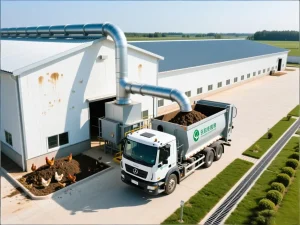
نظام إزالة السماد
حتى أفضل قفص لا يمكنه تعويض سوء الظروف المناخية. ففي قطاع تربية الدواجن الحديث، تُعد بيئة الحظيرة بمثابة “العلف الخفي”. فالدرجة الحرارة، وتدفق الهواء، والرطوبة، والأمونيا هي العوامل التي تحدد مدى جودة أداء كل دجاجة.
في منزل مغلق، فإن أنظمة التهوية التحكم:
إمداد الهواء النقي
إزالة الرطوبة
توزيع الحرارة
إزالة الغازات (الأمونيا، ثاني أكسيد الكربون)
السيطرة على الغبار
يساهم المناخ المستقر في تحسين كفاءة تحويل العلف وزيادة انتظام إنتاج البيض. كما يساعد على تقليل الإجهاد التنفسي ويحافظ على جفاف الروث، مما يعزز كفاءة عملية إزالة الروث.
بصفتنا موردًا للمعدات الهندسية، نقوم بدمج صفوف الأقفاص مع تصميم مداخل ومخارج الهواء. ويؤدي ذلك إلى تجنب المناطق الميتة التي لا يتحرك فيها الهواء. كما يحافظ ذلك على توحيد الظروف داخل “حظيرة الدجاج”، بحيث تتمتع كل مجموعة من الدجاج البياض بظروف متشابهة.
غالبًا ما يؤدي استخدام نظام قائم على الأقفاص إلى تحسين سير العمل:
فحص أسرع لكل صف
تسهيل عملية جمع البيض (خاصةً مع استخدام الأتمتة)
معالجة أكثر نظافة للبيض
توزيع محكوم للطعام والماء
ويمكن أن يؤدي ذلك إلى خفض تكاليف العمالة، لا سيما في المزارع المتوسطة إلى الكبيرة الحجم. كما أنه يحسّن عملية حفظ السجلات، وهو أمر مهم للمستثمرين والشركات المتكاملة.
ولكن هناك بعض المقايضات. يتطلب نظام الأقفاص ما يلي:
التخطيط الموثوق لتوفير الطاقة وقطع الغيار
عادات صيانة قوية (الحزام، المحرك، خطوط مياه الشرب)
تدريب العمال على اكتشاف المشكلات في مرحلة مبكرة
اقتباس قصير نشاركه غالبًا مع المستثمرين الجدد:
“مشروع القفص هو مشروع إداري. ولا تحقق المعدات النتائج المرجوة إلا عندما يقوم فريقك بتشغيلها بنفس الطريقة كل يوم.”
إذا كنت بصدد إنشاء مزرعة دواجن جديدة أو تحديث مزرعة قائمة، فاستخدم قائمة المراجعة هذه لاختيار نظام الإيواء المناسب الذي يتوافق مع أهدافك.
متطلبات السوق: بيض مربى في أقفاص، أم في حظائر، أم من دجاج مربى في الهواء الطلق؟
الهدف المتعلق برفاهية الحيوانات: أقفاص تقليدية، أم أقفاص مُحسَّنة، أم أقفاص جماعية؟
حجم المزرعة: عدد الحظائر، عدد الطيور في كل حظيرة، خطة التوسع
المناخ: حار، بارد، رطب — ما مدى قوة التهوية المطلوبة؟
استراتيجية التعامل مع السماد الطبيعي: الحزام، الكاشطة، التخزين، المعالجة
خطة التشغيل الآلي: جمع البيض، التغذية، الري، إزالة الروث
الميزانية: النفقات الرأسمالية مقابل التكاليف التشغيلية طويلة الأجل
القواعد المحلية: تأكيد الامتثال (تختلف القواعد المعمول بها في الاتحاد الأوروبي عن تلك المعمول بها في المناطق الأخرى)
هل تحتاج إلى إنتاج مستقر، وكثافة عالية، وأمن بيولوجي قوي؟ → نظام تربية قائم على الأقفاص
هل تحتاج إلى تحسينات في الرعاية مع ضمان الأداء داخل المرافق؟ → قفص مُحسَّن / قفص جماعي
هل تحتاج إلى علامة تجارية متميزة في مجال الرفاهية + إمكانية الوصول إلى الهواء الطلق؟ → نظام التربية الحرة
قام مستثمر متوسط الحجم بالتخطيط لمشروع تربية دجاج البياض وطلب خط أقفاص بطارية منخفض التكلفة. وبعد مراجعة متطلبات السوق المستهدفة وخطة التوسع طويلة الأجل، أعدنا تصميم التخطيط ليصبح حلاً لأقفاص ذات معايير أعلى، مزوداً بأحزمة أفضل لنقل الروث وتكامل نظام التحكم في المناخ. وأسفر ذلك عن سلاسة أكبر في التشغيل اليومي، وبيض أنظف، ومسار أسهل للتحديثات المستقبلية — دون الحاجة إلى إعادة بناء الحظيرة بالكامل.
هذه هي قيمة نهج «التسليم الجاهز»: فأنت لا تشتري مجرد قفص دجاج، بل تبني نظام إنتاج فعال.
ما المقصود بنظام أقفاص البطاريات في تربية الدواجن؟
نظام الأقفاص البطارية هو نظام إيواء قائم على الأقفاص، حيث تعيش قطعان الدجاج البياض في صفوف من الأقفاص المصممة لضمان كفاءة التغذية والري وجمع البيض والتعامل مع الروث. وفي العديد من المشاريع الحديثة، تُستخدم أنواع محسّنة من الأقفاص، مثل الأقفاص المُحسّنة أو الأقفاص الجماعية.
هل أقفاص تربية الدجاج بالبطاريات محظورة في الاتحاد الأوروبي؟
تم حظر الأقفاص القديمة غير المُحسَّنة (التي تُعرف غالبًا باسم «أقفاص البطاريات التقليدية») في الاتحاد الأوروبي اعتبارًا من 1 يناير 2012. ولا تزال الأقفاص المُحسَّنة والأنظمة البديلة مسموحة وفقًا لمتطلبات محددة.
ما المقصود بـ«القفص المُحسَّن»؟
القفص المُحسَّن هو نوع من أنواع تربية الدجاج يتضمن ميزات تضمن رفاهية الدجاج، مثل منطقة التعشيش وجثم، ويجب أن يستوفي متطلبات المساحة المخصصة لكل دجاجة وفقًا لقواعد الاتحاد الأوروبي.
ما هو قفص المستعمرة؟
يشير مصطلح «قفص المستعمرة» عمومًا إلى أقفاص جماعية أكبر حجمًا مصممة لتحسين المساحة وإدارة الحيوانات مقارنةً بالأقفاص السلكية الصغيرة. وغالبًا ما يُعتبر خيارًا وسطًا بين الأقفاص التقليدية وأنظمة التربية بدون أقفاص.
هل تربية الدواجن في المراعي المفتوحة أفضل دائمًا من أنظمة التربية في الأقفاص؟
ليس دائمًا. فتربية الدواجن في المراعي المفتوحة قد تتيح حركة أكثر طبيعية وتناولًا للطعام البري، لكنها قد تزيد أيضًا من تعقيد الإدارة ومخاطر الأمن الحيوي إذا لم يتم التخطيط لها جيدًا. ويعتمد الخيار الأفضل على قواعد السوق، والمناخ، والأرض، وقدرة الإدارة.
ما هو العامل الأهم عند اختيار نظام أقفاص لمزرعة دواجن؟
اختر القفص المناسب وفقًا لمتطلبات السوق، وتوقعات الرفاهية، وحجم المزرعة، واستراتيجية التعامل مع الروث، وتصميم نظام التحكم في المناخ. وفي الأسواق الخاضعة للتنظيم مثل الاتحاد الأوروبي، يُعد نوع القفص المسموح به قانونًا عاملاً مهمًا.
نظام الأقفاص البطارية هو نهج تربية قائم على الأقفاص، صُمم لضمان إنتاج البيض بشكل منظم وكفاءة في العمل اليومي.
إن نظام الأقفاص الحديثة الذي يعمل بالبطاريات هو في الواقع نظام تربية متكامل: القفص + التغذية + الشرب + التخلص من الروث + التهوية.
يحظر الاتحاد الأوروبي استخدام الأقفاص غير المُحسَّنة ويضع متطلبات للأقفاص المُحسَّنة، مما يؤثر على قرارات المشاريع على الصعيد العالمي.
يمكن لأنظمة الأقفاص المُحسَّنة وأقفاص المجموعات أن تحقق التوازن بين عوامل رفاهية الحيوانات والتحكم في الإنتاج.
يمكن أن تلبي أنظمة التربية الحرة وغيرها من الأنظمة البديلة احتياجات أسواق معينة، لكنها تتطلب إجراءات أمن بيولوجي وإدارة أكثر صرامة.
تقلل الهندسة الجاهزة للاستخدام من المخاطر لأنها تربط بين تصميم الأقفاص والتحكم في المناخ ومعالجة السماد.
Sourcing poultry equipment from a Chinese manufacturer means controlling four variables di…
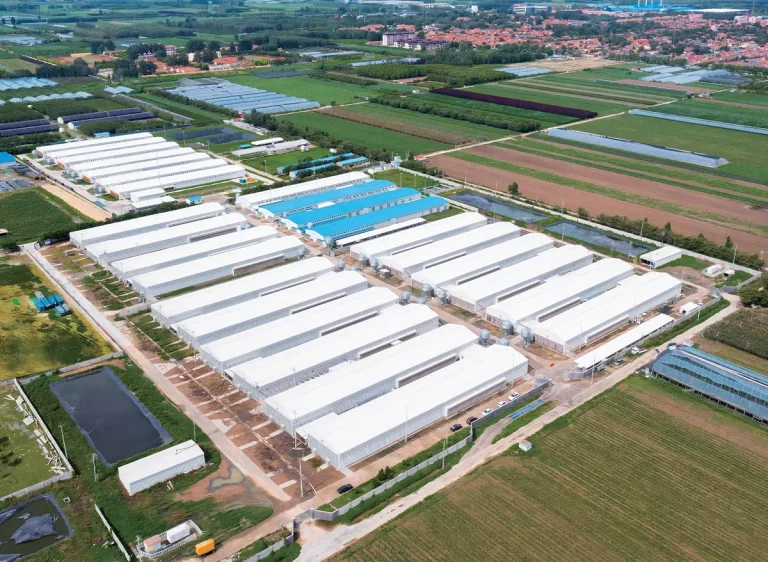
A steel structure poultry house is a prefabricated steel building designed for layer, broi…
سنرد على استفسارك في غضون 24 ساعة. للاستفسارات العاجلة، يرجى الاتصال بنا عبر WhatsApp: +86 133 6144 9578 أو الاتصال بنا مباشرة.
*نحن نحترم خصوصيتك. جميع المعلومات المقدمة سرية للغاية.
سيتم استخدام بياناتك فقط للرد على استفسارك. نحن لا نرسل أبدًا رسائل بريد إلكتروني أو رسائل ترويجية غير مرغوب فيها.