











Sourcing Poultry Equipment Manufacturers in China: Buyer Guide
Sourcing poultry equipment from a Chinese manufacturer means controlling four variables di…

اطّلع على آخر أخبارنا,
 13:44
13:44 يمكن أن يؤدي اختيار التصميم الخاطئ لقفص البطارية إلى حبس مزرعة الدواجن الخاصة بك في عمالة عالية أو ضعف تدفق الهواء أو ترقيات صعبة. التحريك: يظهر هذا الخطأ في إنتاج البيض بشكل سريع غير متساوٍ، وزيادة الإجهاد في قطيع الدجاج، والتعامل الفوضوي مع السماد. الحل: في هذا الدليل، سأقارن في هذا الدليل بين أنظمة من النوع أ وأنظمة من النوع ح بعبارات واضحة حتى تتمكن من اختيار نظام القفص المناسب بسرعة وثقة.
والفرق الرئيسي بين قفص البطارية من النوع A وقفص البطارية من النوع H هو الهيكل وسعة التشغيل الآلي. وتشكل الأقفاص من النوع A إطارا على شكل حرف “A” وعادة ما تكون أبسط وأقل تكلفة، مما يجعلها شائعة في المزارع الأصغر أو التي تركز على الميزانية. وتستخدم الأنظمة من النوع H صفوفًا عمودية مكدسة بإطارات أقوى، واستغلال أفضل للمساحة، ودمج أسهل للتغذية الآلية، وجمع البيض، وإزالة الروث، وهو ما يناسب مشاريع أنظمة أقفاص البطاريات الطبقية الحديثة الأكبر حجمًا.
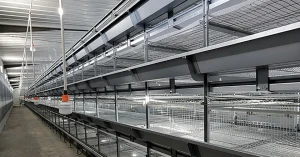
نظام أقفاص تربية الدجاج الأوتوماتيكي من النوع H
ما هو نظام أقفاص البطاريات في إنتاج الدواجن الحديثة؟
النوع A والنوع H: كيف يبدوان وكيف تتغير عمليات نوع القفص
ما نظام القفص الذي يوفر استخداماً أفضل للمساحة؟
جاهزية التشغيل الآلي: التغذية والري وجمع البيض وإزالة الروث
التهوية والتحكم في المناخ: أيهما يدعم أداء القطيع المستقر؟
العمالة وتقليل العمالة وتكاليف العمالة: ما هي التغيرات في العمل اليومي؟
رعاية الطيور وإدارتها: ما يمكنك القيام به داخل كل بيت دجاج
المتانة والجلفنة والشبكة السلكية وعمر الخدمة
التكلفة والعائد على الاستثمار: كيفية مقارنة النفقات الرأسمالية والإنتاجية
كيفية اتخاذ القرار بسرعة: قائمة مراجعة الاختيار خطوة بخطوة + الأسئلة الشائعة
إعداد قفص البطارية هو نظام قفص منظم يستخدم لإنتاج الدجاج الطبقي. تعيش كل دجاجة في مساحة قفص محددة، مع وضع خطوط تغذية وشرب في المقدمة، ومنحدر يسمح للبيض بالتدحرج على مسار تجميع البيض. في العديد من المشاريع، يصبح هذا نظام قفص طبقة كامل مع تصميم المنزل، والتهوية، والإضاءة، والمياه، والأعلاف، وإدارة الروث، والعمل معًا.
من وجهة نظر المورد الهندسي، نتعامل مع نظام أقفاص البطاريات مثل “خط مصنع” للبيض. فالدجاجة تقوم بعمل واحد - وضع البيض - بينما يحافظ إعداد قفص الدواجن على اتساق العلف والماء والهواء والنظافة. هذا الاتساق هو ما يحمي كفاءة إنتاج البيض ويجعل من السهل توسيع نطاق مزرعتك.
أقفاص من النوع A مبنية على شكل إطار على شكل حرف “A” - جانبان مائلان يلتقيان في الأعلى. وغالباً ما يستخدم هذا التصميم مواد أقل ويمكن أن يكون أسهل في التركيب في منازل أبسط. وتطلق عليه العديد من المزارع اسم أقفاص الطبقات من النوع A أو أقفاص الطبقات من النوع A. إنه حل كلاسيكي، خاصة عندما تكون الميزانية والتركيب السريع مهمين.
تصميمات من النوع H (غالبًا ما تسمى أقفاص من النوع h أو قفص بطارية من النوع h) أقفاص مكدسة في خطوط عمودية، مدعومة بإطارات “H” أقوى. هذا الهيكل أكثر صلابة، خاصة في الإعدادات متعددة الطبقات. عندما ترغب المزرعة في الحصول على أداء حديث وعالي الإنتاجية، عادةً ما تصبح أقفاص البطاريات من النوع h هي الافتراضية لأنها تتعامل مع الترقيات بشكل أفضل - خاصةً الأتمتة والبيوت الطويلة وتعداد الطيور الأعلى.
وإليك النقطة العملية: نوع القفص يغير من سير العمل اليومي. فهو يؤثر على كيفية تحرك الهواء في بيت الدجاج، وكيفية التعامل مع إزالة الروث، ومدى سلاسة انتقال البيض إلى التجميع والتعبئة.
إذا كنت تعاني من ضيق في مساحة الأرض، يصبح استخدام المساحة هو العامل الحاسم. في كثير من الحالات، تفوز الأنظمة من النوع H في التكديس الرأسي لأنها يمكن أن تدير المزيد من الطبقات في إطار ثابت. وهذا يعني المزيد من الطيور لكل مساحة بناء - وهو أمر مفيد للمزارع الكبيرة أو المستثمرين الذين يهدفون إلى تحقيق إنتاجية عالية لكل منزل.
لا يزال بإمكان الأقفاص من النوع A أن توفر كثافة جيدة، ولكن هندسة الإطار A يمكن أن تحد من مدى ارتفاعها مقارنةً بتصميم الإطار H. لذلك بالنسبة لمزرعة دواجن ذات عرض محدود للمبنى أو حيث يجب عليك زيادة عدد الطيور في كل طول للمنزل، فإن النوع H غالبًا ما يمنحك مرونة أكبر.
قاعدة عامة بسيطة:
إذا كان هدف مشروعك هو “تعظيم عدد الطيور في كل منزل”، فغالباً ما يكون النوع H أسهل في القياس.
إذا كان هدفك هو “البدء سريعاً باستثمار خاضع للرقابة”، يمكن أن تكون الأقفاص من النوع A خطوة أولى عملية.
في الحديث النظام, ، الأتمتة ليست رفاهية - إنها ما يحمي هامش الربح عندما ترتفع الأجور ويصعب العثور على العمالة الماهرة. تشمل وحدات الأتمتة الرئيسية ما يلي:
جمع البيض (أنظمة الحزام أو القضيب)
التغذية التلقائية (قادوس + مثقاب/سلسلة تغذية أوتوماتيكية)
خطوط شرب الحلمة
إزالة السماد الطبيعي (حزام في الأسفل أو الكشط أو خيارات التجفيف)
عادةً ما يكون النوع H أكثر “ملاءمة للأتمتة” لأن الإطار يدعم مسارات السير في خط مستقيم والمحاذاة المتسقة عبر المستويات. في العديد من التصميمات، يجعل الحزام الموجود في أسفل كل طبقة إزالة الروث متوقعة ويقلل من تراكم الأمونيا. وهذا يساعد على التحكم في رطوبة الروث ويحسن من نظافة المنزل.
كما يمكن للأقفاص من النوع A أن تدمج الأنظمة الآلية، ولكنها قد تتطلب تصميمًا أكثر حرصًا لتوجيه الأحزمة والحفاظ على سلامة الوصول. في بعض المنازل ذات الطراز الأقدم، لا تزال الإجراءات اليدوية أو شبه الآلية مستخدمة. وهذا ليس “خطأ” - بل يعني فقط أن مسار ترقية الأتمتة قد يكون أضيق.
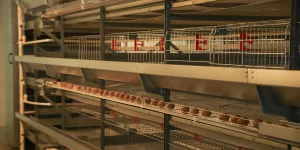
قفص بطارية أوتوماتيكي من النوع H
التهوية هي واحدة من أكثر الأجزاء التي لا تحظى بالتقدير الكافي في قرار نظام قفص البطارية. فحتى أفضل أقفاص الدجاج يمكن أن يكون أداؤها ضعيفاً في بيت حار أو رطب أو عالي الأمونيا. عندما يكون تدفق الهواء غير متساوٍ، تتجمع الطيور، ويزداد الإجهاد، ويصبح إنتاج البيض غير مستقر.
وغالبًا ما تقترن الأنظمة من النوع H بشكل جيد مع التهوية النفقية والمداخل الخاضعة للتحكم لأنه يمكن ترتيب الصفوف والطبقات للحفاظ على مسارات هواء متسقة. يساعدك هذا الاتساق على إدارة درجة الحرارة والرطوبة بشكل أكثر قابلية للتنبؤ. في المنازل ذات الكثافة العالية، يمكن أن يؤدي التحكم الأفضل في تدفق الهواء إلى تحسين الإنتاجية وتقليل ضغط الأمراض.
يمكن أن يعمل كل من النوع A والنوع H مع تصميم جيد للتهوية - ولكن النوع H يميل إلى منحك “مساحة هندسية” أكبر للمراوح والقنوات ومنصات التبريد وسادات التبريد وتجفيف حزام السماد. عندما تستهدف مزرعتك أعدادًا أكبر من الطيور، فإن هذا التحكم الإضافي مهم.
دعنا نتحدث عما يفعله فريقك بالفعل كل يوم. يتغير خيار القفص
كيفية إعادة تعبئة العلف ومراقبته
كيف يتحرك البيض وأين يحدث الكسر
عدد المرات التي تتعامل فيها مع السماد
مدى سرعة فحص الطيور
في العديد من المشاريع، تقلل الأنظمة من النوع H من مسافة المشي وتبسط طرق الفحص لأن صفوف الأقفاص تكون أكثر اتساقًا. يمكن أن يقلل ذلك من العمالة في جمع البيض وتنظيف السماد والفحوصات الروتينية. وبمرور الوقت، يقلل ذلك من تكاليف العمالة ويؤدي إلى استقرار العمالة.
يمكن أن يكون من الأسهل فهم الأقفاص من النوع A وتشغيلها مع فريق أصغر في البداية. بالنسبة للمزارع المتوسطة، تعتبر هذه البساطة ذات قيمة. إذا كنت لا تخطط لخلط أكثر من ترقيتين رئيسيتين في المرحلة الأولى، فقد يناسب النوع A إيقاعك التشغيلي الحالي.
التحقق من الواقع: إذا ارتفع حجم مزرعتك من 20,000 طائر إلى أكثر من 100,000 طائر، تصبح فجوة العمالة اليومية واضحة. وهنا يصبح النوع H غالبًا هو خيار الكفاءة على المدى الطويل.
يسأل العديد من المشترين عن رعاية الطيور - وهم محقون في ذلك. فالرعاية ليست مجرد قضية سياسية؛ فهي تؤثر على صحة القطيع، والإجهاد، والإنتاج المتسق. يمكن لكل من التصميمات من النوع A والنوع H أن تدعم الرفاهية الجيدة إذا قمت بالتحكم في الكثافة وتوفير المياه النظيفة والعلف الثابت والإضاءة المناسبة والحفاظ على جودة الهواء.
إليك أكثر ما يهم داخل نظام أقفاص الدجاج:
شبكة سلكية ناعمة لحماية القدمين
منحدر مناسب حتى يتدحرج البيض برفق
مساحة تغذية كافية ومشارب موثوق بها
مناطق الأمونيا المنخفضة والقمامة الجافة/السماد الجاف
سهولة الوصول لرصد الطيور الضعيفة وإزالتها
في عملنا الهندسي، غالبًا ما نرى أن الأنظمة من النوع H توفر ظروفًا أكثر اتساقًا عبر المستويات لأن الأتمتة والتهوية أسهل في التوحيد القياسي. وهذا يدعم الأداء المستقر لكل مجموعة دجاج بياض.
إذا كنت تورد البيض إلى أسواق ذات معايير أعلى، فستحتاج أيضًا إلى إمكانية التتبع والتحكم التشغيلي المتسق. يساعدك النظام المتكامل جيدًا على توثيق إجراءات الإدارة الروتينية والحفاظ على عمليات جاهزة للتدقيق.
عندما يقارن المشترون بين نظام أقفاص الدواجن، فإنهم يركزون في بعض الأحيان على التصميم فقط. لكن المتانة غالبًا ما تكون المتانة هي المكان الذي يوجد فيه عائد الاستثمار الحقيقي. اسأل عن:
ما إذا كانت الأجزاء الرئيسية تجلفن بشكل صحيح (الطلاء بالغمس الساخن أو طلاء الزنك العالي)
تناسق الأسلاك المجلفنة والشبكات السلكية المجلفنة
ما إذا كانت نقاط اللحام سلسة وقوية
مقاومة التآكل في البيئات الرطبة
صلابة الإطار تحت الحمل والاهتزاز
عادةً ما تكون الإطارات من النوع H أثقل وأكثر صلابة، مما يساعد على الاستقرار على المدى الطويل في الأقفاص المكدسة. إذا كان هدفك هو “تشغيل هذه المزرعة لسنوات عديدة والاستمرار في الترقية”، فإن الإطار الصلب يقلل من الصداع.
لا يزال من الممكن أن تكون الأقفاص من النوع A متينة للغاية عند بنائها بشكل جيد خاصةً للمزارع متوسطة الحجم. الشيء المهم هو التحقق من سماكة الطلاء وتشطيب اللحام والتحكم في التصنيع. وباعتبارنا موردًا جاهزًا، فإننا نبني نظام الأقفاص كجزء من حزمة معدات الزراعة بأكملها - لذلك نركز على كل من المواد وكيفية أدائها داخل البيئة المنزلية.
يجب أن يتوافق قرار القفص الخاص بك مع أهداف الإنتاج - وليس الاتجاهات. اسأل نفسك
ما هو عدد الطيور المستهدفة وعدد المنازل؟
هل تحتاج إلى تصنيف بيض ممتاز وكسر منخفض؟
هل أولويتك هي البناء السريع أم الأتمتة طويلة الأجل؟
غالبًا ما يدعم النوع H كفاءة أعلى في إنتاج البيض لأن الأنظمة مصممة لنقل البيض بسلاسة أكبر، وتغذية يمكن التنبؤ بها، والتحكم المستقر في المناخ - خاصة في المنازل الكبيرة. وهذا هو السبب في أن العديد من الشركات المتكاملة تعتمد تخطيطات أقفاص الدجاج من النوع H لتوحيد المعايير عبر مواقع متعددة.
يمكن أن يكون النوع A-type حلاً رائعًا للمزارع التي تتوسع خطوة بخطوة. إذا كانت استراتيجيتك تتمثل في بناء منزل واحد الآن، وإثبات الأداء، ثم التوسع، فقد يكون نهج الطبقة الأبسط من النوع A أكثر أمانًا.
| البند | قفص بطارية من النوع A | قفص بطارية من النوع H |
|---|---|---|
| الهيكل | “إطار ”A"، جوانب مائلة | “إطار على شكل ”H"، صفوف مكدسة رأسية |
| أفضل ملاءمة | المزارع الصغيرة والمتوسطة والتحديثات التدريجية | مزارع متوسطة الحجم، توسع موحد |
| الأتمتة | ممكن، قد يحتاج إلى مزيد من العناية في التصميم | أسهل لكامل الأتمتة الاندماج |
| استخدام المساحة | جيد، لكن الارتفاع قد يكون محدوداً | قوي استخدام المساحة بمزيد من المستويات |
| مناولة السماد الطبيعي | يدوي/شبه تلقائي شائع؛ حزام اختياري | الحزام إزالة السماد الطبيعي شائع ونظيف |
| التهوية | يعمل بشكل جيد مع تصميم جيد | غالبًا ما يكون من الأسهل تحسينها عبر المستويات |
| قابلية التوسع على المدى الطويل | معتدل | قوي لـ على نطاق واسع الأنظمة |
| نبذة عن التكلفة | أقل مقدمًا في العديد من الحالات | كفاءة أعلى مقدمًا وأقوى على المدى الطويل |
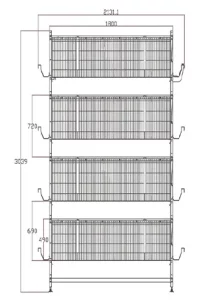
قفص بطاريات دجاج التسمين من 4 طبقات من النوع H
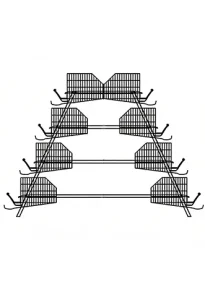
قفص طبقي من 4 طبقات من النوع A
فيما يلي صورة بسيطة لمساعدتك على اتخاذ القرار بسرعة. (شريط طويل = ملاءمة أقوى).
البناء الأول للميزانية: ██████████
عملية بسيطة: █████████
تركيب سريع: ████████
التشغيل الآلي الكامل لاحقًا: █████
ارتفاع عدد الطيور: ██████████
جاهز للتشغيل الآلي: ██████████
إدارة حزام السماد النظيف: █████████
التوحيد القياسي عبر المزارع: █████████
أراد أحد المشغلين الإقليميين البدء بمنزل واحد والنمو بعد استقرار التدفق النقدي. وقد اختاروا أقفاصًا من النوع A مع التخطيط لإجراء ترقيات أساسية للتغذية والمراقبة اليدوية في وقت لاحق. وكانت أولويتهم السرعة والتعقيد الذي يمكن التحكم فيه. والنتيجة: إنتاج مستقر، وتدريب أبسط للعمال، وتشغيل سلس في السنة الأولى - ثم ترقية الأتمتة المخطط لها في السنة الثانية.
هدفت مجموعة أكبر إلى تحقيق أداء متسق عبر بيوت متعددة. واختاروا تصميم قفص بطارية من النوع h مع التغذية الآلية والشرب وجمع البيض وإزالة الروث بالحزام. وكانت أولويتهم الإنتاجية المتوقعة وتقليل العمالة. النتيجة: إجراءات تشغيل قياسية أسهل، وبيوت أنظف، ومسار أبسط لإضافة بيوت جديدة باستخدام نفس المخطط.
بصفتنا موردًا جاهزًا، فإن مهمتنا هي مطابقة نظام الأقفاص المناسب لحجم مزرعتك ووضع العمالة وخطة التوسع المستقبلية - وليس دفع تصميم واحد للجميع.
إليك طريقة بسيطة وملائمة للمهندسين أستخدمها عندما يقول المشتري “أحتاج إلى اتخاذ قرار هذا الأسبوع.”
تأكد من حجم مزرعتك (الطيور لكل منزل + عدد المنازل)
حدد أهدافك الإنتاجية (التكلفة أولاً مقابل الكفاءة أولاً)
تحقق من قيود المنزل (العرض، الارتفاع، مواقع المروحة، أبواب الوصول)
حدد مستوى الأتمتة الآن (وما تضيفه لاحقًا)
تقييم استراتيجية إزالة السماد (حزام إزالة السماد مقابل الحزام اليدوي/شبه الآلي)
تحقق من الطلاء والمواد (الجلفنة، والشبكة السلكية، وسمك الإطار الرئيسي)
وضع خطة عمل: كم عدد العمال في كل منزل في كل وردية؟
تخطيط قطع الغيار والفترات الزمنية للخدمة
تأكد من تطابق تصميم القفص مع تصميم التهوية الخاص بك
اختر النظام الذي يلبي احتياجاتك الخاصة مع الحد الأدنى من إعادة العمل في المستقبل
هل النوع H أفضل دائمًا من النوع A؟
ليس دائمًا. غالبًا ما يكون النوع H أفضل للمزارع الكبيرة لأن الأتمتة واستغلال المساحة قويان. ولكن يمكن أن تكون الأقفاص من النوع A هي الحل المناسب للمشاريع المتوسطة التي تقدر البساطة والاستثمار المتحكم فيه.
ما نظام الأقفاص الذي يساعد على كفاءة إنتاج البيض أكثر من غيره؟
عادةً ما تكون تلك التي تحافظ على استقرار الظروف: العلف والماء والتهوية الثابتة، بالإضافة إلى التعامل النظيف مع السماد. تشهد العديد من المزارع الكبيرة كفاءة أعلى في إنتاج البيض باستخدام أقفاص من النوع h لأن الأتمتة تقلل من التباين.
هل يمكنني ترقية الأقفاص من النوع A إلى الأتمتة الكاملة لاحقاً؟
في كثير من الحالات، نعم - ولكن ذلك يعتمد على تخطيط المنزل وتصميم القفص الأصلي. إذا كنت تخطط لإجراء ترقيات، أخبر المورد الخاص بك في وقت مبكر حتى يتم بناء نظام القفص مع مسارات مستقبلية للتغذية وأحزمة البيض وإزالة الروث.
كم عدد المستويات النموذجية للنوع A والنوع H؟
يمكن أن يستخدم كلاهما عدة طبقات، ولكن النوع H عادةً ما يدعم المزيد من الطبقات بإطارات قوية. غالباً ما يحدد ارتفاع منزلك وخطة التهوية عدد الطبقات النهائية.
ما الذي يجب أن أتحقق منه لتجنب ضعف المتانة؟
اسأل عن طلاء الزنك، وما إذا كانت المكونات مجلفنة بشكل صحيح، وجودة نقاط اللحام، والتشطيبات السلكية على الشبكة السلكية. وتأكد أيضًا من أن نظام القفص مصمم للرطوبة المحلية وروتين التنظيف.
هل يقلل نظام قفص البطارية من تكاليف العمالة؟
نعم - خاصة عند دمج الأتمتة للتغذية وجمع البيض وإزالة الروث. يمكن للنظام المصمم بشكل جيد أن يقلل من العمالة ويحقق استقرار الإنتاج، ولهذا السبب تتعامل معه العديد من المزارع على أنه استثمار إنتاجي طويل الأجل.
النوع A والنوع H كلاهما حلان مثبتان لقفص البطارية - يعتمد الاختيار الأفضل على حجم المزرعة والميزانية وأهداف الأتمتة.
عادةً ما يفوز النوع H بالمشاريع الكبيرة الحجم، والاستخدام الأقوى للمساحة، والأتمتة الأسهل.
غالبًا ما تفوز الأقفاص من النوع A لسرعة بدء التشغيل والتشغيل الأبسط والتحديثات المرحلية.
إن استراتيجية التهوية + استراتيجية السماد مهمة بقدر أهمية القفص نفسه - فالتصميم الجيد للمنزل يحمي إنتاج البيض.
تحقق دائمًا من المواد والتصنيع: الشبكة السلكية المجلفنة والطلاء وجودة اللحام.
اختر على أساس أهداف الإنتاج وخطة توسع واضحة، وليس فقط التكلفة الأولية.
إذا كنت ترغب في ذلك، يمكنني تحويل مدخلات مزرعتك (حجم المنزل، والطيور المستهدفة، والمنطقة المناخية، ومستوى الأتمتة) إلى توصية من صفحة واحدة تقارن بين نوعين من تخطيطات أقفاص الطبقات جنبًا إلى جنب.
Sourcing poultry equipment from a Chinese manufacturer means controlling four variables di…
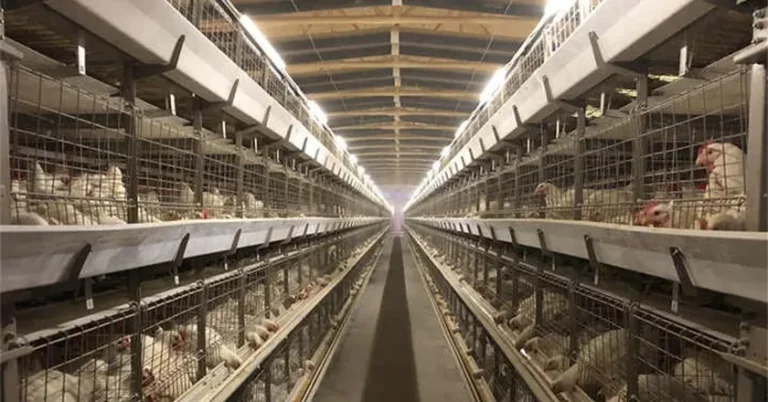
A steel structure poultry house is a prefabricated steel building designed for layer, broi…
سنرد على استفسارك في غضون 24 ساعة. للاستفسارات العاجلة، يرجى الاتصال بنا عبر WhatsApp: +86 133 6144 9578 أو الاتصال بنا مباشرة.
*نحن نحترم خصوصيتك. جميع المعلومات المقدمة سرية للغاية.
سيتم استخدام بياناتك فقط للرد على استفسارك. نحن لا نرسل أبدًا رسائل بريد إلكتروني أو رسائل ترويجية غير مرغوب فيها.