










Sourcing Poultry Equipment Manufacturers in China: Buyer Guide
Sourcing poultry equipment from a Chinese manufacturer means controlling four variables di…


Xem tin tức mới nhất của chúng tôi,
 10:30
10:30 Trong lĩnh vực chăn nuôi gia cầm thâm canh, hệ thống thông gió gia cầm được xem là một trong những yếu tố quan trọng nhất quyết định sự thành công của hoạt động chăn nuôi, song tác động của nó đối với sức khỏe gia cầm, hiệu suất sản xuất và lợi nhuận tổng thể của trang trại lại thường bị đánh giá thấp. Các chuyên gia trong ngành ngày càng nhấn mạnh rằng việc thông gió hợp lý không phải là một yếu tố tùy chọn mà là yêu cầu cơ bản đối với bất kỳ mô hình chăn nuôi gia cầm hiện đại nào.
At its core, effective thông gió serves multiple essential functions in poultry house construction. It removes excess heat, moisture, and harmful gases such as ammonia and carbon dioxide while bringing in fresh, oxygen-rich air. When these functions fail, the consequences can be severe and costly.
“Many producers don’t realize that poor ventilation is often the hidden cause of performance issues,” explained a senior poultry farm consultant with over 20 years of industry experience. “Respiratory problems, reduced feed conversion, higher mortality, and even leg issues can all trace back to inadequate air quality inside the house.”
Research consistently shows that birds raised in well-ventilated environments demonstrate 8-12% better feed conversion ratios and significantly lower mortality rates compared to poorly ventilated facilities. This is why leading poultry farm equipment suppliers consider ventilation design as the starting point of any broiler farm design, not an afterthought.
Modern poultry shed construction incorporates sophisticated ventilation strategies tailored to specific climate zones and production types. The two primary approaches are:
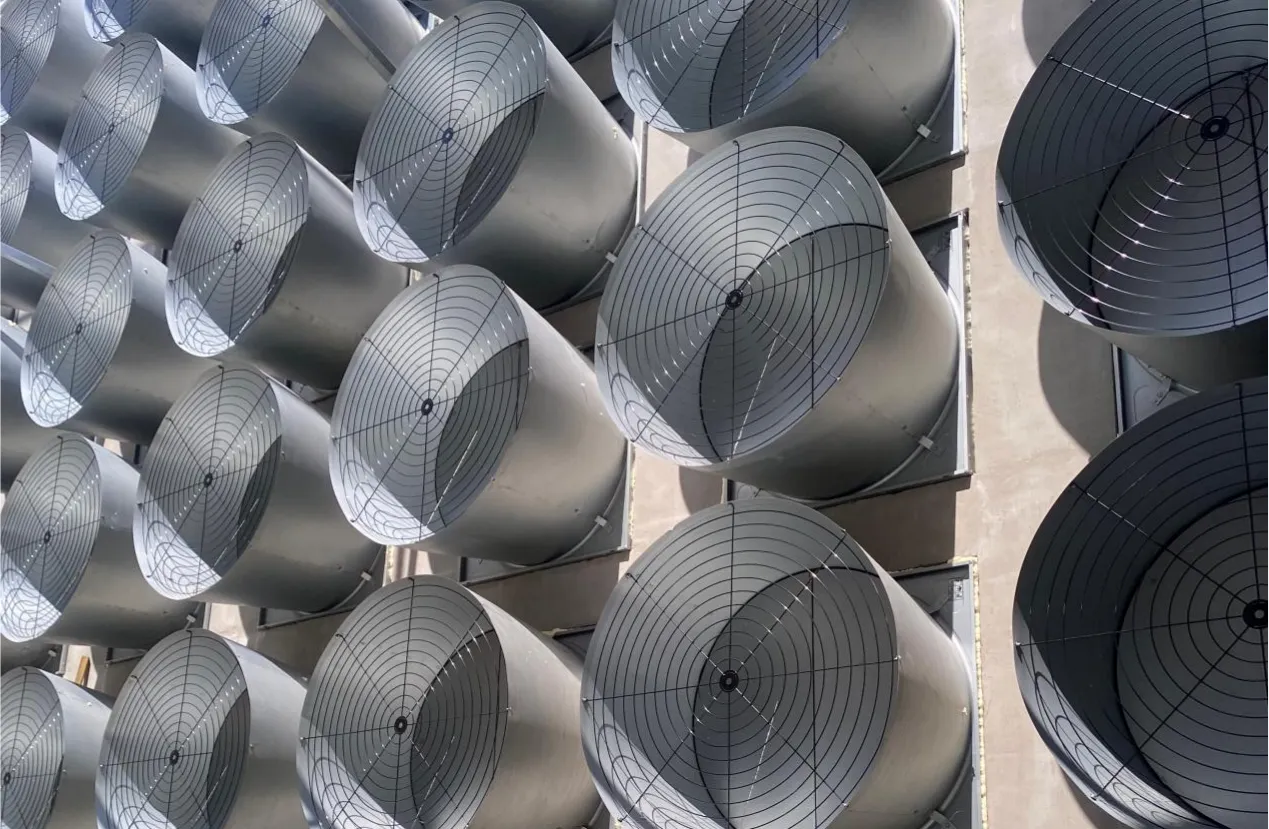
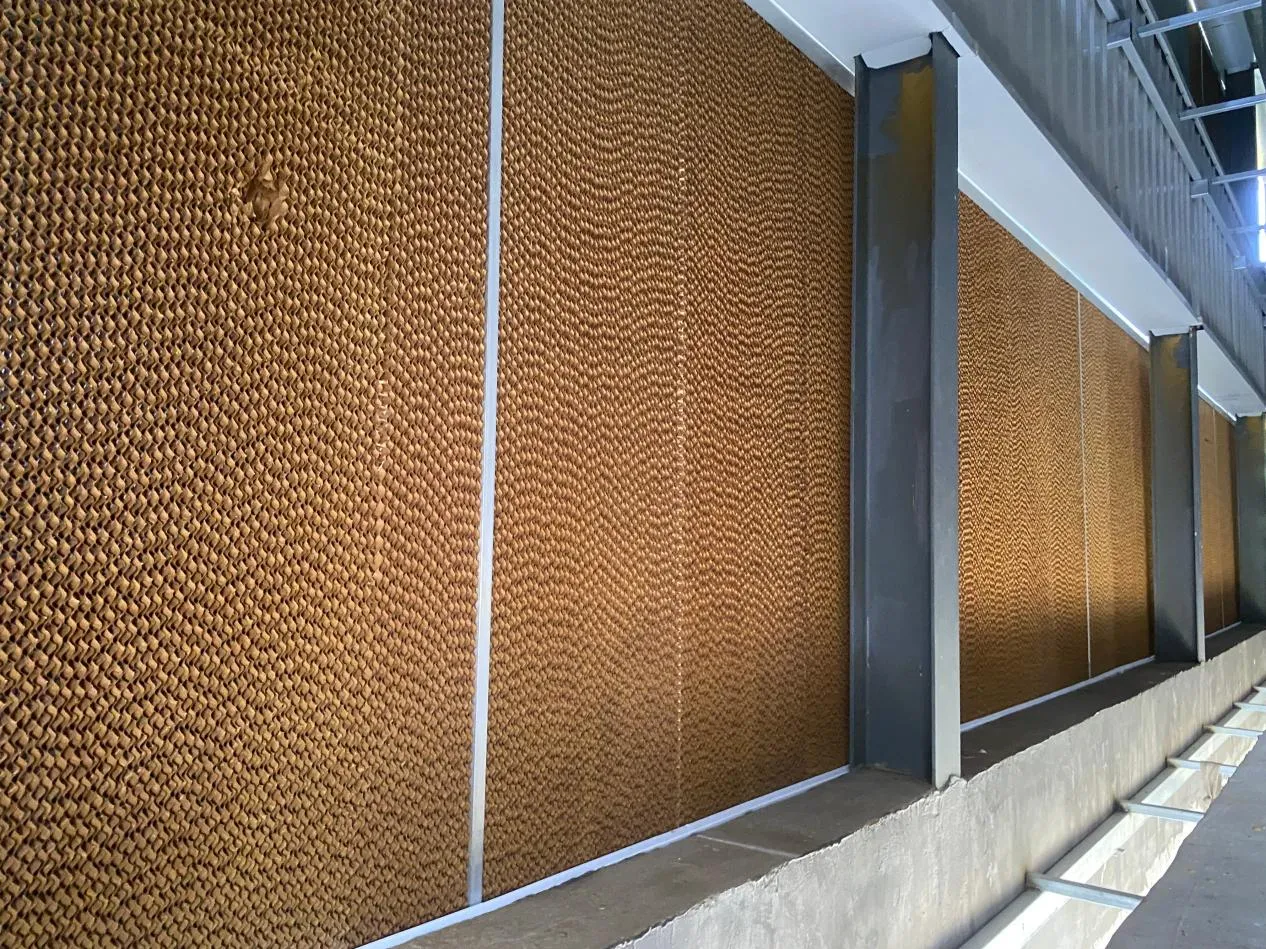
Tunnel Ventilation: Ideal for hot climates, this system pulls air rapidly through the length of the house, creating a wind-chill effect that helps birds cope with high temperatures. Combined with evaporative cooling pads, it can reduce effective temperatures by 10-15°C.
Cross Ventilation: Suitable for milder climates or layer operations, this system moves air side-to-side across the house, providing more uniform air distribution at lower velocities.
Advanced systems now feature computerized controls that automatically adjust fan speeds and inlet positions based on real-time temperature, humidity, and bird age data. This precision ensures optimal conditions throughout the entire production cycle.
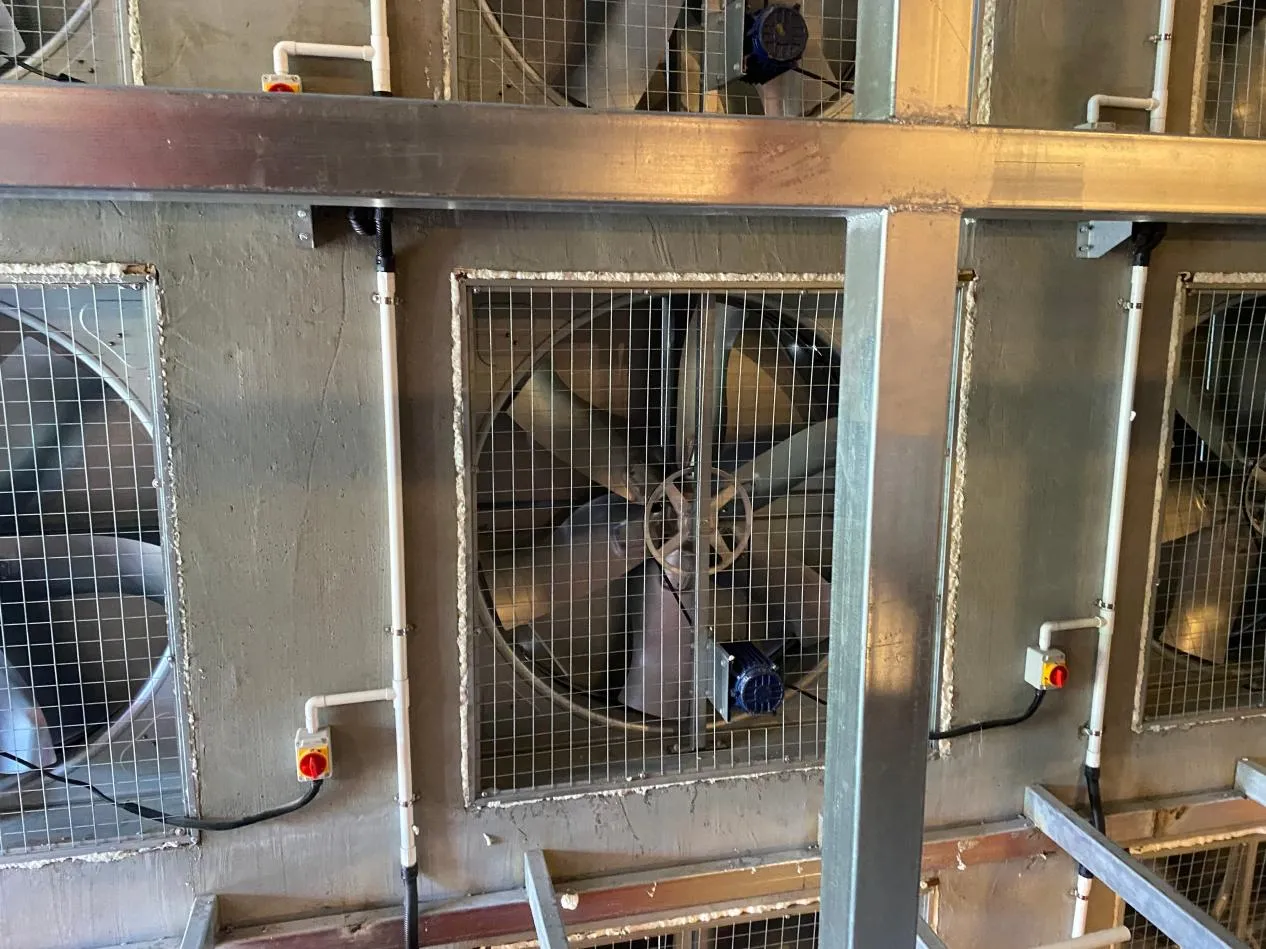
The importance of proper ventilation extends to all aspects of equipment in poultry production. For operations using cages for poultry, ventilation design becomes even more critical because birds in cage systems rely entirely on mechanical ventilation for air movement—there’s no natural convection from bird movement across litter.
“When we design broiler chicken farming equipment installations, ventilation is always the first system we specify,” said a technical director at a major equipment manufacturer. “Everything else—the feeding lines, the drinking systems, the lighting—all perform better when the air quality is right.”
The interaction between ventilation and other chicken rearing equipment is particularly important for waste management. Proper air movement helps dry manure, reducing ammonia emissions and improving overall house environment. This synergy between systems is why integrated poultry farm construction approaches deliver the best results.
A comprehensive poultry farm feasibility study conducted across 50 commercial farms revealed that operations with substandard hệ thống thông gió experienced:
•15% higher overall mortality rates
•10% longer time to market weight in broilers
•7% reduction in egg production for layers
•20% higher veterinary medication costs
“Investing in a quality ventilation system isn’t an expense—it’s insurance,” noted a farm financial analyst. “The payback period for upgrading ventilation is typically under 18 months when you factor in improved production and reduced losses.”
Experts emphasize that effective poultry ventilation system design requires careful consideration of multiple factors:
1.House dimensions and orientation: The length, width, and height of the house directly impact airflow patterns
2.Bird density and age: Younger chicks require different ventilation rates than mature birds
3.Climate conditions: Hot-humid climates need different strategies than cold-dry regions
4.Housing type: Cage systems, floor pens, and aviary systems each have unique ventilation requirements
5.Backup systems: Power failures can be catastrophic without backup generators and alarm systems
Leading poultry farm equipment suppliers now offer computational fluid dynamics (CFD) modeling to simulate airflow patterns before construction begins, ensuring that the broiler farm design will deliver uniform air distribution throughout the house.
As poultry operations continue to grow in scale and complexity, ventilation technology is evolving to meet new challenges. Innovations such as heat recovery ventilation, smart sensor networks, and AI-powered control systems are becoming more accessible and affordable.
“The next generation of poultry shed construction will see ventilation systems that are both more efficient and more precise,” predicted an industry technology expert. “We’re moving toward systems that can adjust airflow bird-by-bird, responding to real-time health and behavior data.”
For producers considering new construction or upgrades, the message from experts is clear: don’t cut corners on ventilation. A well-designed poultry ventilation system is the invisible foundation that supports every other aspect of successful poultry farming—from bird health to production efficiency to long-term profitability.
Sourcing poultry equipment from a Chinese manufacturer means controlling four variables di…
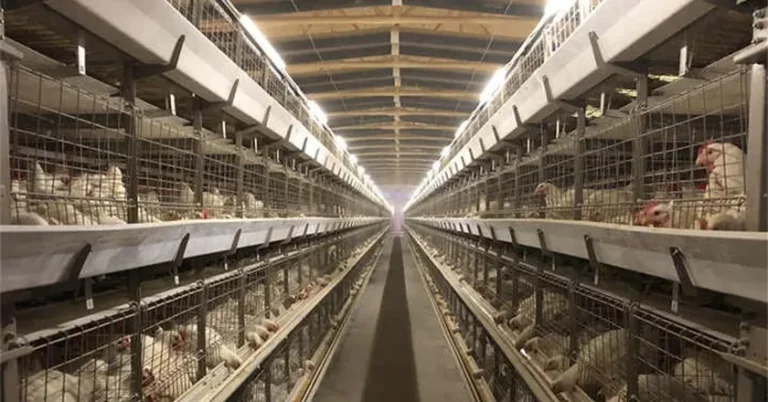
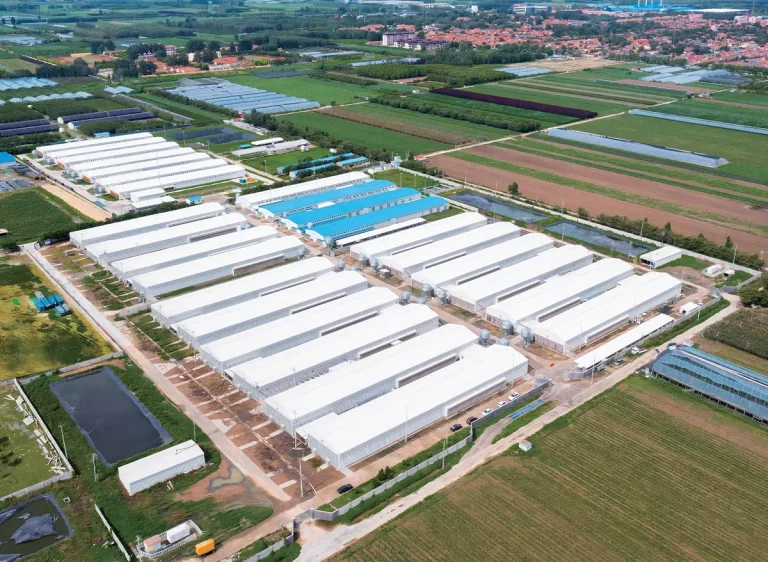
A steel structure poultry house is a prefabricated steel building designed for layer, broi…
Chúng tôi sẽ trả lời yêu cầu của quý khách trong vòng 24 giờ. Đối với các yêu cầu khẩn cấp, vui lòng liên hệ với chúng tôi qua WhatsApp: +86 133 6144 9578 hoặc gọi trực tiếp cho chúng tôi.
*Chúng tôi tôn trọng quyền riêng tư của bạn. Tất cả thông tin được cung cấp đều được bảo mật tuyệt đối.
Thông tin của bạn chỉ được sử dụng để trả lời câu hỏi của bạn. Chúng tôi không bao giờ gửi email hoặc tin nhắn quảng cáo không mong muốn.