










Sourcing Poultry Equipment Manufacturers in China: Buyer Guide
Sourcing poultry equipment from a Chinese manufacturer means controlling four variables di…



En son haberlerimize göz atın,
 16:43
16:43 Dirty eggs, mixed weights, and unclear brand marks quickly turn into customer complaints, rejected batches, and lost profit. Worse, defective eggs can slip through when the line is rushed. The solution is a fully automatic grading machine that standardizes egg cleaning, egg grading, egg printing, and disinfection—fast, consistent, and easy to manage.
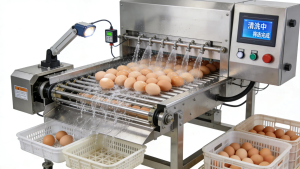
An Egg Grading / Printing / Disinfection Machine is a modular egg grading machine designed for commercial egg operations. It combines egg washing, washing and drying, weight grading (often up to ±1g grading accuracy), optional uv disinfection, and a printing module to mark eggs by brand, date, or traceability codes. Integrated conveyor flow, a control system (typically plc control with color touchscreen), and flexible tray/carton output help farms and processors boost food safety and speed.
Egg Grading
Why is egg grading essential for commercial egg quality and profit? (grading + commercial egg)
How does an egg grading machine work from egg collection to carton? (machine working + egg flow)
Egg cleaning and egg washing: what matters for food safety and eggshell protection? (egg cleaning + egg washing)
What is the grading process and how do we reach ±1g grading accuracy? (grading process + grading accuracy)
What features of egg inspection matter most: candle check, cracked eggs, and defective sorting? (features of egg + candle)
Egg printing: why add a printing machine in your grading line? (egg printing + printing machine)
UV disinfection: does optional UV disinfection really extend shelf life? (uv + disinfection)
How to size an egg processing line by eggs per hour and automation level? (eggs per hour + automation)
Case study: upgrading from manual packing to auto-packing in a medium farm (manual packing + auto-packing)
Turnkey poultry systems: how we integrate houses, cages, feeding, drinking, climate control and manure treatment (poultry + turnkey)
In large-scale operations, grading is not “extra equipment.” It’s a profit tool. When you sort eggs by weight and quality, you stabilize pricing and reduce disputes with wholesalers and retailers. A reliable egg grader also reduces returns because buyers get consistent size and fewer surprises.
From my experience supporting farm owners and distributors, the biggest hidden cost is inconsistency. Mixed weights inside one carton and unremoved broken eggs can damage your reputation fast. With a modern egg grading machine, you can ship graded eggs that match your contract spec—every day.
As a turnkey poultry and rabbit system supplier, we design lines that match the farm’s future growth, not only today’s volume. That mindset keeps your investment safe.
A well-designed machine handles eggs gently but quickly. The goal is steady egg flow, minimal breakage, and simple operation.
Typical machine working steps:
Egg loading from tray or egg trays using an egg loader or loader
Smooth transfer via conveyor and accumulator to prevent jams
Egg cleaning / egg washing in an egg washer or washing machine module
Cleaning and drying (often with drying brushes and air)
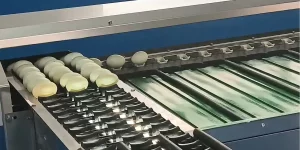
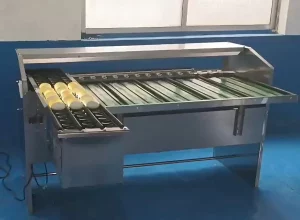
Weight grading in the grading system
Quality inspection with a candle station to catch cracked eggs, empty egg, or internal defects
Egg printing using a printing machine
Output to tray stacks or into egg packing with a packing machine or a manual packing lane
This is why buyers like an integrated grading line: you reduce hand handling and boost hygiene.
Good washing is not “more water.” It’s the right sequence and control. If you wash too aggressively, you can damage the eggshell surface and increase micro-cracks. If you wash too lightly, stains remain and the batch fails customer standards.
In a proper egg washing line, we focus on:
Stable water temperature and flow (helps avoid thermal shock)
Gentle roller design to move eggs without impact
Consistent washing and drying to prevent wet eggs entering packing
A design that is easy to clean and maintain
Strong hygiene supports sanitize goals and protects your brand in strict markets. Many buyers also care about how well the system supports traceability through printing and line records.
The grading process is the heart of your value chain. It turns raw eggs into standardized products that match your pricing system.
A typical grading machine sorts eggs by weight class. Modern designs can achieve ±1g accuracy when:
The control system is stable
Sensors are calibrated
Egg flow is steady (no bouncing on the conveyor)
The accumulator prevents sudden speed changes
I always recommend buyers look beyond the “speed” number. Ask: how stable is the grading at peak hours? Is the sorting consistent when operators change shifts? That’s where a good plc control system and touchscreen plc control make life easier.
Weight alone is not enough. Buyers want safe, clean eggs with low defect rates. This is why inspection matters.
Common defects we target:
Cracked eggs and broken eggs
Defective shells and shape issues
Defective eggs found through candling
Empty egg or abnormal internal conditions
A candle station is still one of the most practical inspection tools. It helps operators identify issues quickly, especially when combined with good lighting design and clean handling. For many farms, candling is the most cost-effective quality step before packing.
When your line removes defects early, you reduce contamination risk, improve buyer confidence, and stabilize your claim rate. That’s real money.
Egg printing is not just branding. It’s trust. It allows you to mark:
Farm brand or private label
Production date or batch code
Compliance or market-specific marks
A printing machine helps brand owners and integrated poultry companies build a consistent product identity. It also supports distributors who want OEM/ODM-ready packaging and traceability.
In my view, printing becomes even more important when you export eggs or sell into organized retail. Buyers want a clear link between product and source.
Yumurta Sınıflandırma Makinesi
Short answer: UV helps when used correctly as part of hygiene control. Uv can reduce surface contamination on shells. That supports food safety, and in many operations, it helps extend shelf life by reducing microbial load.
Important: UV is not magic. It works best when:
Eggs are already clean and dry
UV exposure is stable and the path is not blocked
The system is maintained and bulbs are replaced on schedule
That’s why many buyers choose optional uv disinfection—it’s a flexible upgrade. You can add it based on target market demands without rebuilding the entire line.
Capacity planning is where many projects fail. A line that is “too small” causes bottlenecks. A line that is “too big” wastes budget.
Here’s a practical sizing approach:
Confirm daily egg volume and peak day volume
Decide target eggs per hour (include growth buffer)
Choose automation level: basic grading vs washing + printing + UV + packing
Match upstream: collection and transport to the egg loader stage
Match downstream: packing speed and storage logistics
| Farm size | Typical goal | Recommended line logic |
| Medium farm | stable quality + lower labor | washing + grading + candling + manual packing lane |
| Large farm | speed + standardization | egg washing grading + printing + UV + auto-packing |
| Export-focused | traceability + hygiene | washing and drying + printing + optional UV disinfection |
If your team is upgrading from labor-heavy operations, even one step—like an optional automatic egg loader—can reduce manual labor and stabilize output.
A medium-scale farm owner contacted us after recurring buyer complaints about mixed sizes and inconsistent cleanliness. They used basic sorting and manual packing.
What we implemented
Added an egg washer module (similar to a 204a egg washer configuration)
Installed a grading and candling section (comparable in function to a 109 egg grader)
Added egg printing for traceability
Kept one manual packing lane temporarily, then upgraded to auto-packing
What changed
More consistent graded eggs by size
Lower defect leakage (fewer defective eggs reaching the market)
Faster packing during peak days
Better buyer confidence due to printing and hygiene steps
The biggest win was not only speed. It was stability. When your line is stable, your sales become stable too.
Yumurta Sınıflandırma Makinesi
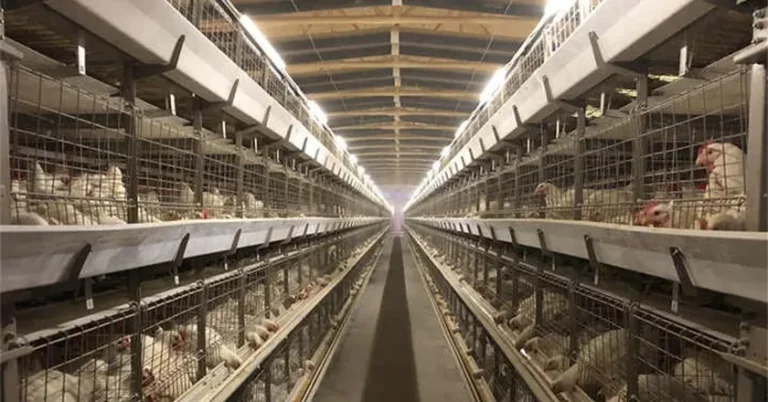
This is where we are different from a “single machine seller.” We are a turnkey supplier. We integrate:
Steel-structure houses
Cages for layers, broilers, and rabbit systems
Feeding and drinking systems
Climate control: ventilation, cooling, heating
Manure treatment equipment and waste handling
The full egg post-processing section: egg processing line and packing flow
For investors and integrated poultry companies, this matters because performance depends on the whole system. Bad climate control can raise breakage and dirty eggs. Poor manure handling can increase disease pressure. A strong turnkey approach reduces risk and makes the project easier to manage.
When distributors and farm owners compare suppliers, I recommend checking these items:
Fully automatic conveyor flow with stable accumulator
Modular egg washing line with washing and drying
Reliable candle inspection station
Clear plc control + color touchscreen interface
Easy cleaning design (easy to clean)
Upgrade path: printing, UV, auto packing
| Öğe | Neden önemli |
| Automation level | impacts labor cost and consistency |
| Eggs per hour | decides ROI and peak capacity |
| Grading accuracy | affects pricing and customer trust |
| Disinfection option | supports food safety programs |
| Packing functions | fits your logistics workflow |
contact our engineering team for a quote
What is the difference between an egg grader and an egg grading machine?
An egg grader often refers to the core sorting unit, while an egg grading machine can describe a full grading line that includes conveyors, inspection, and optional washing, printing, and disinfection modules.
Do I need egg washing before grading?
Not always. Many farms grade first, wash later, or wash only for certain markets. If you sell premium commercial egg products, adding egg washing and egg cleaning and drying can improve appearance and customer acceptance.
Does UV disinfection replace washing?
No. UV is an add-on step after cleaning and drying. It supports sanitize goals but works best when shells are already clean and dry. That’s why buyers choose optional uv disinfection.
How many eggs per hour should I target?
Choose eggs per hour based on your peak day volume, growth plan, and labor strategy. We typically size the egg processing line with a buffer so you don’t run the machine at maximum stress every day.
Can I start with manual packing and upgrade later?
Yes. Many clients begin with manual packing or a manual packing lane, then add a packing machine or auto-packing module later. We design the line so upgrades are smooth.
How do distributors benefit from working with a turnkey supplier?
Distributors get a complete, customizable solution they can sell with confidence—steel houses, cages, climate control, manure treatment, and the egg processing section. It reduces project risk and increases repeat orders.
Grading turns eggs into standardized products that sell better and create fewer disputes.
A modern egg grading machine can combine washing, inspection, egg printing, and uv disinfection for stronger food safety.
Stable conveyor design + accumulator reduces breakage and improves line flow.
Candling helps remove cracked eggs and other defects before packing.
Plan capacity by eggs per hour, not only by “farm size.”
Turnkey integration (houses + cages + climate control + manure treatment + egg line) reduces project risk.
If you tell me your target capacity (eggs/hour), egg type (layer eggs, breeder eggs), and your packing method (tray or carton), I can draft a purchase-ready configuration sheet (modules + layout + utilities + quotation checklist) that distributors and investors can use directly.
Sourcing poultry equipment from a Chinese manufacturer means controlling four variables di…
A steel structure poultry house is a prefabricated steel building designed for layer, broi…
Sorunuza 24 saat içinde cevap vereceğiz. Acil sorularınız için lütfen WhatsApp üzerinden +86 133 6144 9578 numaralı telefondan bize ulaşın veya doğrudan bizi arayın.
*Gizliliğinize saygı duyuyoruz. Gönderilen tüm bilgiler kesinlikle gizlidir.
Bilgileriniz yalnızca sorunuzu yanıtlamak için kullanılacaktır. İstenmeyen e-postalar veya promosyon mesajları asla göndermiyoruz.