










Çin’de Kanatlı Hayvan Ekipmanları Üreticileriyle İşbirliği Kurma: Alıcı Kılavuzu
Sourcing poultry equipment from a Chinese manufacturer means controlling four variables di…


En son haberlerimize göz atın,
 14:57
14:57 For any poultry farm, large or small, maximizing efficiency and ensuring flock health are primary goals. The choice of housing, specifically the katman kafes si̇stemleri̇, is a critical decision with long-term consequences. With so many types of tavukçuluk ekipmanları available, selecting the wrong system can lead to financial losses, poor bird health, and operational difficulties.
An unsuitable chicken battery cage results in inefficient space utilization and can contribute to unsanitary conditions in the kümes hayvanları kümesi. This environment increases the risk of disease, and unhealthy birds have diminished yumurta üretimi. Farm operators may find themselves overwhelmed by manual labor for tasks like manure removal, leading to high labor costs. These challenges create a significant bottleneck for any poultry farming project, hindering growth and impacting both animal welfare and the return on investment.
The path forward lies in understanding the available options. This guide provides a technical comparison of the two dominant systems: the A-type layer cage and the H-type layer chicken cage. By analyzing their core differences, farm owners can determine which system aligns with their operational scale and business objectives. A well-designed system, from the poultry house plan to the final poultry farm equipment, is the foundation of a successful and sustainable operation.
Bir A-type battery cage is characterized by its tiered, cascading structure, which resembles the letter “A” in cross-section. In this design, the cages are stacked so that each tier is offset from the one below it, creating a pyramid or stepped shape. This configuration is a common fixture in small-scale poultry farming.
Şu A type layer cage is known for its relatively simple structure, which facilitates straightforward installation.
This battery layer cage is a practical choice for many types of farms.
While this system is a functional starting point, it presents challenges. The gübre temizleme sistemi can be less efficient, as droppings may fall onto lower cages if not managed properly, potentially compromising hygiene and requiring a robust plan for waste management in poultry farms.
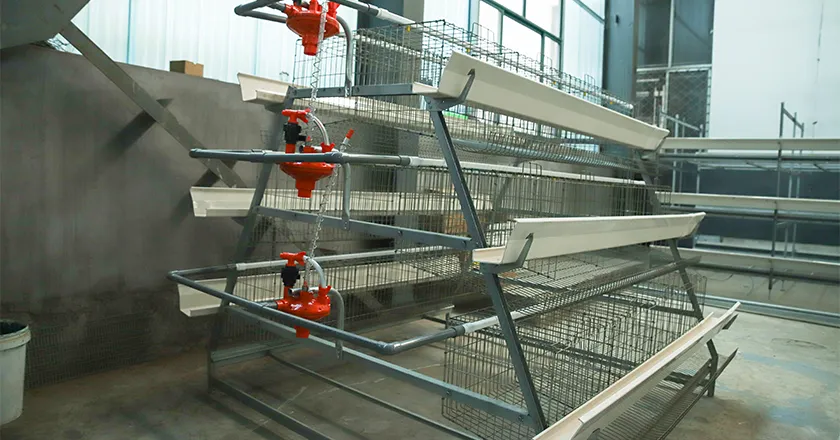
A Tipi Katman Kafesi
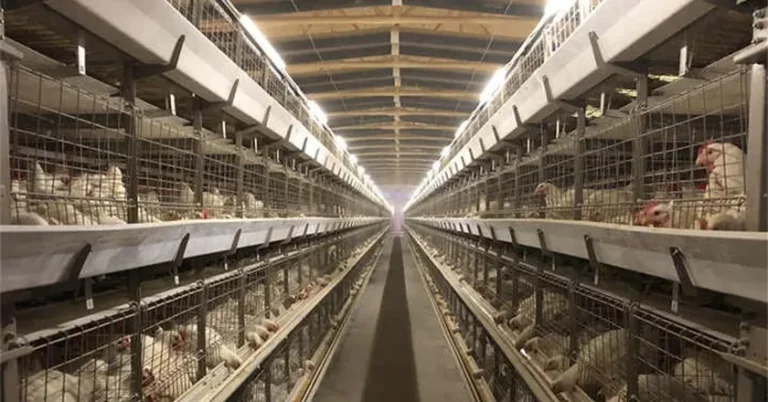
Bir H-type battery cage features a vertical design where cages are stacked directly on top of one another in columns. The cross-section resembles the letter “H,” which gives the system its name. This design, often called a vertical cage or stacked cage, is the standard for modern, large-scale poultry farming.
Şu H type layer chicken cage is engineered for industrial-scale operations.
This battery cage system for layers is defined by its advanced technology.
This system incorporates solutions to common farming problems. It features a manure belt poultry system, where a conveyor belt manure removal system runs beneath each tier. This keeps the kümes hayvanları kümesi exceptionally clean, reduces disease risk, and helps control ammonia levels, which is beneficial for hen welfare. An integrated manure drying system can process waste into valuable poultry manure fertilizer.
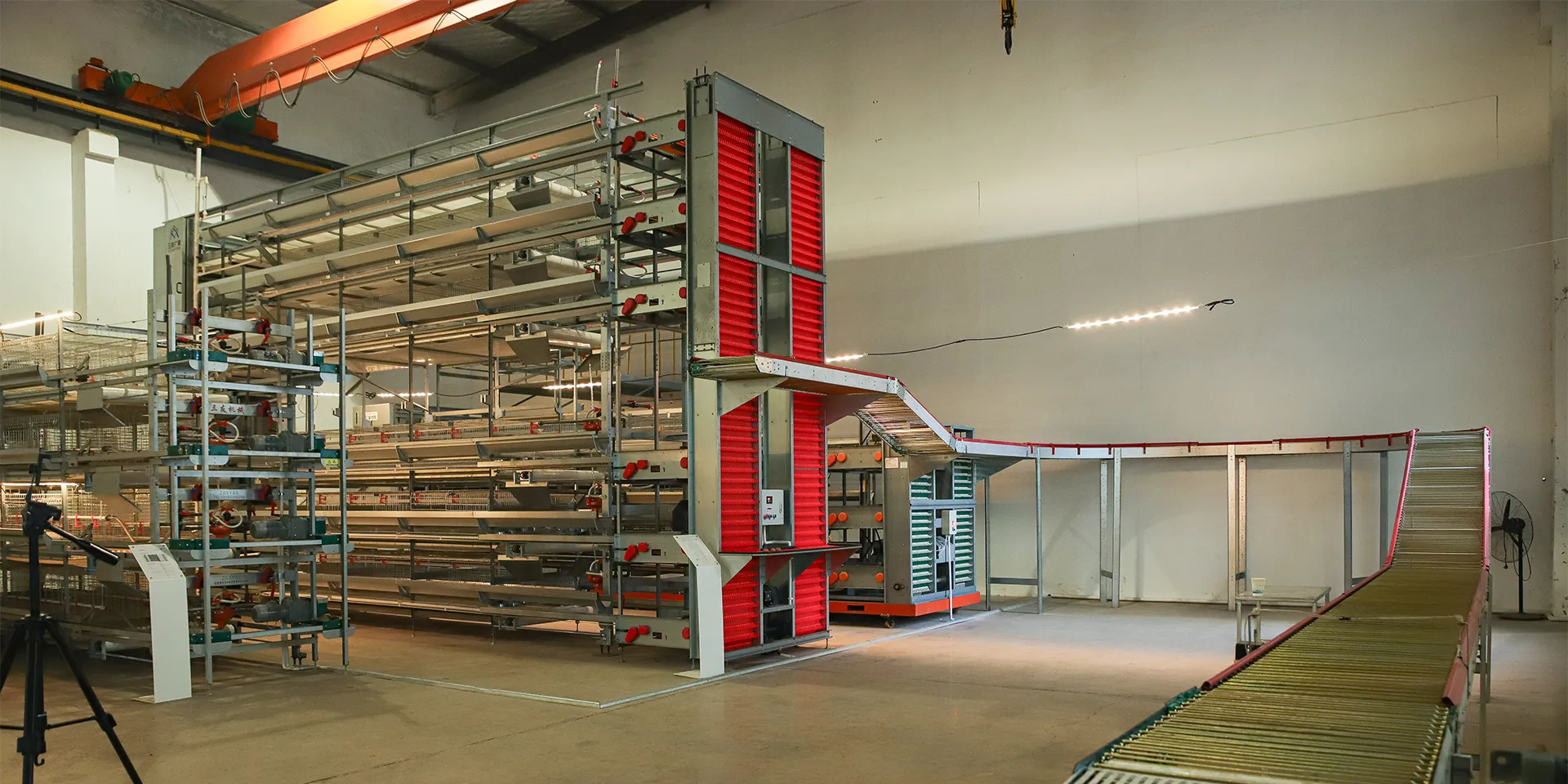
H Tipi Otomatik Katmanlı Pil Kafesi
This table provides a quantitative overview of the operational differences between the two systems, helping to clarify the trade-offs involved in selecting a poultry housing system.
| Feature | A-Tipi Akü Kafesi | H-Tipi Akü Kafesi |
| Yapı | Slanted, pyramid shape (“A” frame) | Vertically stacked (“H” frame) |
| Space Use | Horizontally oriented; requires more floor area. | Vertically oriented; maximizes land use efficiency. |
| Bird Density | Lower to medium density. | High density; more birds per unit of area. |
| Otomasyon Seviyesi | Low to medium; often manual or semi-automatic. | High; typically integrated with fully automatic systems. |
| Manure Management | Manure falls into a pit or is removed by a scraper. | Manure belt under each tier for clean, daily removal. |
| First Cost | Lower initial capital investment. | Higher initial capital investment. |
| En Uygun Olan | Small to medium farms (5,000-20,000 birds). | Large commercial farms (30,000-80,000+ birds). |
A closer examination of specific features reveals how they influence a farm’s profitability, labor requirements, and overall health outcomes. Effective animal husbandry requires careful consideration of these details.
Land is a significant expense in agriculture. Wasted space is wasted capital. The goal is to house a target number of birds safely and efficiently to optimize poultry production.
Inefficient cage dimensions lead to a larger farm footprint. An A-type system requires more floor space per bird compared to its H-type counterpart. For a large-scale operation, this translates into the need for a larger, more expensive steel frame chicken coop, potentially exceeding available land or budget.
Şu H type broiler cage and layer cage excels in space efficiency. Its vertical design achieves a much higher bird density, allowing a farm to house a larger flock on the same plot of land. This efficiency applies equally to broiler cages ve parent stock cages. A professional poultry house design is crucial to fully leverage this advantage, integrating the cage system with the building’s structure. Services offering kümes çeli̇k yapi bi̇na çözümleri̇ are designed to accommodate the specifications of H-type systems.
Farm operations are labor-intensive. Daily tasks like feeding, egg collection, and cleaning are time-consuming. Sourcing and retaining skilled labor is a persistent challenge, and these wages represent a major component of a farm’s operational costs.
Consider the daily manual labor: filling each feeding trough design, carefully collecting thousands of eggs by hand, and cleaning manure pits. This is physically demanding work that requires a large team, driving up labor costs and eating into profits. Manual processes also increase the risk of human error, which can negatively impact bird health.
Automated poultry farming provides a clear solution. The H type automatic layer battery cage is a prime example of modern agricultural technology.
This level of precision livestock farming allows a single worker to manage tens of thousands of birds, dramatically reducing labor costs and improving operational consistency.
Manure accumulation poses a significant threat to flock health. It is a breeding ground for pathogens and releases high levels of ammonia, creating a hazardous environment for both birds and staff. Maintaining a high level of biosecurity is non-negotiable.
When manure is not removed promptly, disease can spread rapidly through a flock, increasing the mortality rate and causing behavioral issues like feather pecking. Operators must implement rigorous poultry farm sanitation protocols, including frequent disinfection in poultry houses ve pest control in poultry farms. Poor hygiene can quickly derail an entire operation.
The H-type cage design incorporates a superior poultry manure removal system. The manure belt beneath each tier is a defining feature. This automatic manure scraper system cleans the house daily, maintaining a hygienic environment.
While A-type cages can be managed effectively, the integrated systems in H-type cages make maintaining high hygiene standards far more straightforward. Reliable manure cleaning systems are a cornerstone of modern poultry farming.
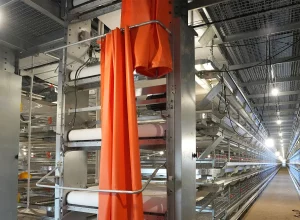
Gübre Temizleme Sistemi
All farm equipment requires capital. The decision of how to allocate funds requires a careful balance between the initial investment and the potential for long-term profit.
A high upfront cost can be intimidating. The automatic poultry feeder price and other components of an H-type system represent a significant expenditure. This might lead a farm owner to choose the cheaper A-type cage to conserve capital, a decision that could result in higher long-term costs from labor and lower production efficiency.
The focus should be on the return on investment (ROI).
An experienced equipment provider can help analyze the financial trade-offs, offering a clear poultry equipment price list and projecting the long-term ROI for different scenarios. This is a common service offered to agricultural investors and project contractors as well as government and agricultural development projects.
The decision between an A type layer cage or an H type semi-automatic broiler cage with pull-out harvesting system depends on several key factors.
The right choice aligns with the farm’s specific operational and financial goals.
The information and comparisons presented in this article are based on field experience from the design and implementation of poultry farm projects across various regions, including Africa, the Middle East, and Southeast Asia. This analysis reflects the practical application and performance of both A-type and H-type cage systems in real-world commercial farming scenarios.
This content is intended as a technical comparison to aid in decision-making, not as marketing advice. It is important to recognize that the ultimate success and profitability of any cage system are heavily influenced by several critical factors, including:
The analysis leads to a clear conclusion based on operational scale and strategic goals.
A-type battery cages are a practical and cost-effective solution for small to medium-sized farms. Their simplicity and lower initial investment make them an accessible entry point for new or expanding businesses.
H tipi pil kafesleri represent a strategic investment for large-scale, industrial poultry operations. Their high degree of automation, superior space efficiency, and integrated hygiene systems are engineered for maximizing production and minimizing long-term labor costs, reflecting current poultry industry trends.
The success of either system depends on a holistic approach. A comprehensive plan should include the design of the kümes hayvanları kümesi itself, along with its ventilation fans, soğutma pedi, ısıtma ekipmanı, and lighting system. Integrating components like feed silos and an yumurta sınıflandırma makinesi creates a complete production ecosystem.
For farms planning new layer houses or system upgrades, a cage layout and labor-ROI evaluation based on local conditions is often the most effective first step.
Sourcing poultry equipment from a Chinese manufacturer means controlling four variables di…
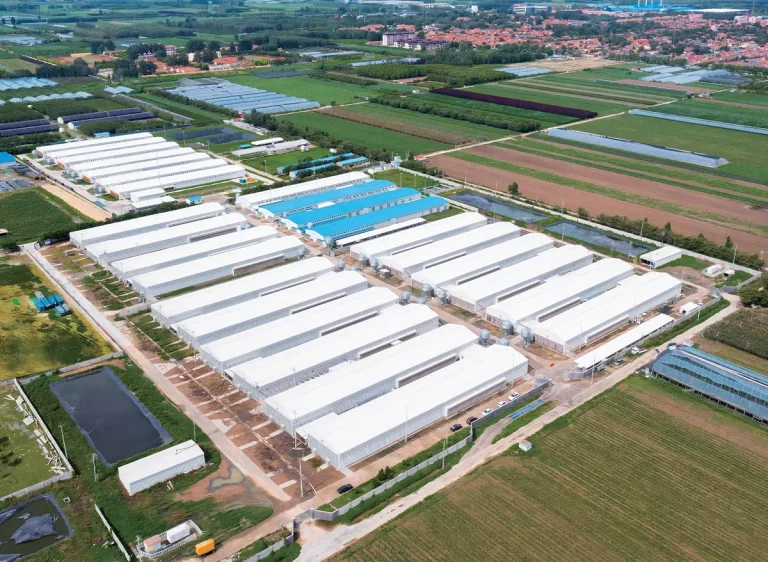
A steel structure poultry house is a prefabricated steel building designed for layer, broi…
Sorunuza 24 saat içinde cevap vereceğiz. Acil sorularınız için lütfen WhatsApp üzerinden +86 133 6144 9578 numaralı telefondan bize ulaşın veya doğrudan bizi arayın.
*Gizliliğinize saygı duyuyoruz. Gönderilen tüm bilgiler kesinlikle gizlidir.
Bilgileriniz yalnızca sorunuzu yanıtlamak için kullanılacaktır. İstenmeyen e-postalar veya promosyon mesajları asla göndermiyoruz.