










Sourcing Poultry Equipment Manufacturers in China: Buyer Guide
Sourcing poultry equipment from a Chinese manufacturer means controlling four variables di…


Veja as nossas últimas notícias,
 17:06
17:06 A battery chicken may leave the farm looking tired, thin, or missing feathers. Many people worry she will not live long. With the right care, safe housing, good feed, and quick vet support, many ex-battery hens can still enjoy a good life.
A battery chicken, more accurately called an ex-battery hen or ex-caged laying hen, may live from several months to several years after rescue or rehoming. Many are around 18 months old when they leave commercial egg production, but their final lifespan depends on breed, health, stress level, housing, nutrition, predator protection, and veterinary care.
What Is a Battery Chicken or Ex-Battery Hen?
How Long Does a Battery Chicken Usually Live?
Why Are Many Battery Hens Rehomed Around 18 Months?
Do Ex-Battery Hens Still Lay Eggs?
What Health Problems Can Affect an Ex-Battery Hen?
How Can Good Care Help Ex-Batts Live Longer?
What Coop, Feeding, and Welfare Conditions Do Ex-Battery Hens Need?
What Should Farms Learn from Battery Hen Lifespan and Welfare?
How Do Modern Poultry Farming Systems Improve Hen Health?
Should You Adopt Ex-Battery Hens?
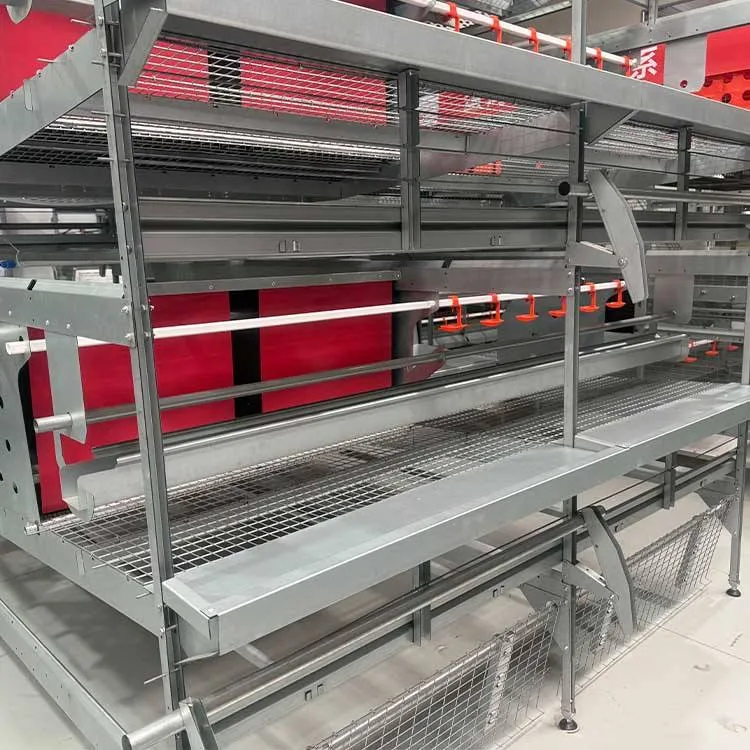
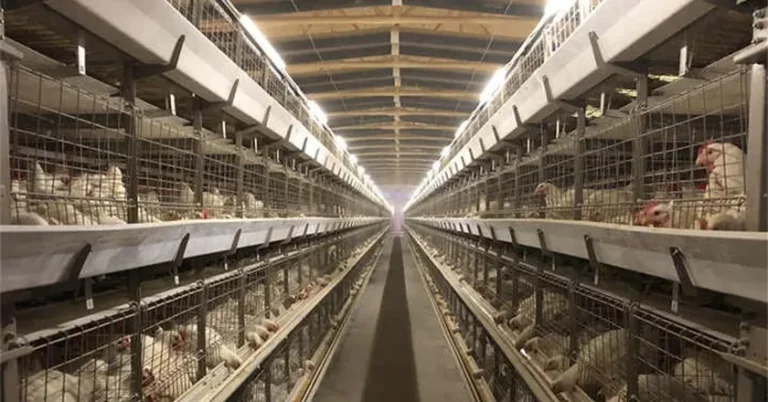
A battery chicken usually refers to a laying hen kept in a cage-based produção de ovos system. Today, many people use the term to describe ex battery hens, ex-caged hens, or rescue laying hens that have left commercial egg production and need a new home.
The word “battery” is emotional, and many modern farms now use different housing systems, including enriched cages, cage-free barns, free range systems, and aviary systems. Still, the phrase remains common among people who search for rescue hens, ex-batts, or re-homing information.
An ex-battery hen is not “finished” as a living animal. She may have worked hard in egg production, but she can still walk, scratch, dust bath, explore, develop personality, and become a friendly pet. Her future depends on how well she is managed after leaving the farm.
A battery chicken’s lifespan is hard to predict. Some ex-batts may live only a few months after rescue because of illness, stress, reproductive problems, or weak condition. Others may live 2 years, 3 years, or longer in a safe backyard flock.
For comparison, University of Wisconsin Extension says hens in backyard flocks may live 6–8 years, and most flocks produce eggs for 3–4 years. It also notes that egg production, egg size, and shell quality decrease each year.
University of Minnesota Extension says hens begin laying at about six months of age and can continue for five to 10 years, with peak production in the first two years.
However, ex-battery hens are different from backyard hens raised from chicks in a calm environment. They are often commercial hybrid layers bred for high egg-laying output. Their bodies may be tired by the time they are rehomed. So, a careful answer is this:
| Hen Type | Possible Lifespan Direction | Notas |
|---|---|---|
| Backyard heritage hen | Often several years | Can live longer with good care |
| Commercial laying hen | Managed mainly for egg production | Production declines with age |
| Ex-battery hen | Several months to several years | Health and care vary widely |
| Poorly managed rescue hen | Shorter life risk | Stress, illness, predator exposure |
| Well-cared-for ex-batt | May live longer | Good coop, feed, vet care, welfare |
So, if you adopt ex-batts, do not count only the eggs. Eggs are a bonus. Retirement, comfort, and welfare are the real goal.
Many commercial layer hens leave production when egg output drops or when flock replacement becomes more economical. The British Hen Welfare Trust explains that rehomed commercial hens have “worked hard for almost 18 months,” and although the charity does not knowingly rehome poorly hens, some hens may have shorter lifespans than others.
In commercial production, timing is not based only on whether the hen can still lay. It is based on egg numbers, egg size, shell quality, feed cost, flock uniformity, market demand, and farm planning. After peak production, a hen may still lay eggs, but less efficiently.
For a farm, this is an economic decision. For an adopter, it is a welfare and care decision. A hen that is no longer commercially efficient can still enjoy sunshine, bedding, a dust bath, safe movement, and a calmer life.
Yes, many ex-battery hens still lay after rescue. Some may lay eggs often at first. Others may slow down quickly. Egg production depends on age, breed, daylight, nutrition, stress, health, and season.
University of Florida Extension explains that chickens can live for many years and continue to lay eggs for many of those years, but after two or three years many hens significantly decline in productivity.
An ex-batt may still lay, but she should not be judged only by egg output. Her body has already done heavy work. If she stops laying, that may be normal. It can also be a health warning if she looks ill, swollen, quiet, or distressed.
Signs to watch include:
If a hen looks ill, contact a vet, ideally an avian vet, quickly.
Ex-battery hens may face health risks linked to age, high egg-laying pressure, previous living conditions, and stress after moving. Common concerns include mites, weak feathers, soft shells, crop problems, egg-binding, respiratory signs, and reproductive illness.
One serious issue is egg yolk peritonitis. Merck Veterinary Manual explains that egg peritonitis happens when yolk material enters the body cavity and causes inflammation; yolk can become a strong medium for bacterial infection, commonly involving E. coli.
This does not mean every ex-battery hen will become ill. Many recover well. The British Hen Welfare Trust notes that it is a misconception that ex-batts are unhealthy and says they receive vaccinations at chick stage.
Still, adopters should be prepared. Vet bills, medicine, antibiotic treatment when prescribed, pain relief, or an implant may sometimes be needed. If a hen passed away suddenly, it does not always mean the adopter failed. Some birds arrive with hidden health limits.
Good care cannot guarantee a long life, but it can improve comfort, reduce stress, and help a hen live longer. The first few weeks matter. A newly rehomed hen needs calm handling, safe housing, easy access to food, clean water, and time to adjust.
A rescue hen may not understand outdoor life immediately. She may need to learn how to perch, dust bath, use a coop, and move confidently in a flock. Some hens arrive with feather loss, weak muscles, or fear. Patience matters.
Practical care tips include:
| Care Area | What to Do | Why It Helps |
|---|---|---|
| Coop | Keep dry, secure, and well ventilated | Reduces illness and predator risk |
| Bedding | Use clean bedding or litter | Keeps feet and body cleaner |
| Feed | Use quality layer feed | Supports egg production and recovery |
| Calcium | Offer shell or calcium support | Helps shell strength |
| Water | Provide clean drinking water | Prevents dehydration |
| Dust bath | Provide dry soil or sand area | Supports natural behavior |
| Health checks | Check weight, crop, vent, feathers | Finds problems early |
| Vet support | Contact vet if ill | Improves treatment chances |
A calm routine helps. Feed at regular times. Avoid sudden changes. Protect the bird from predators, dogs, extreme weather, and aggressive flock members.
A good coop should be safe, dry, and easy to clean. It should protect hens from wind, rain, heat, cold, and predators. It should also offer perches, nest boxes, bedding, and enough space to move.
A hen coming from a cage may need a low perch first. High perches can cause injury if her muscles are weak. She may also need help learning to enter the coop at night.
Nutrition is also important. Layer hens need balanced feed. Virginia Cooperative Extension notes that layers need a balanced ration to sustain egg production, and inadequate energy, protein, or calcium can reduce production; it mentions 16%–18% protein layer food and oyster shell access as useful for shell strength.
Good welfare is not one single item. It includes housing, feed, water, health, behavior, climate, and gentle handling.
For farms, the question “How long does a battery chicken live?” should lead to a larger question: how can modern poultry production improve welfare, productivity, and long-term farm value at the same time?
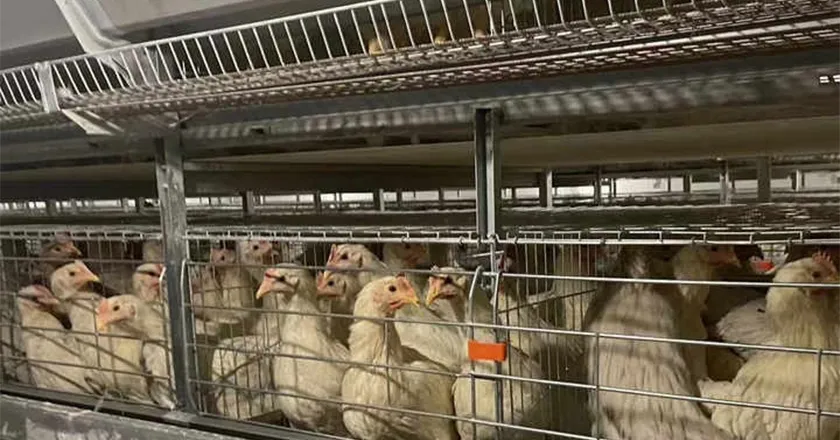
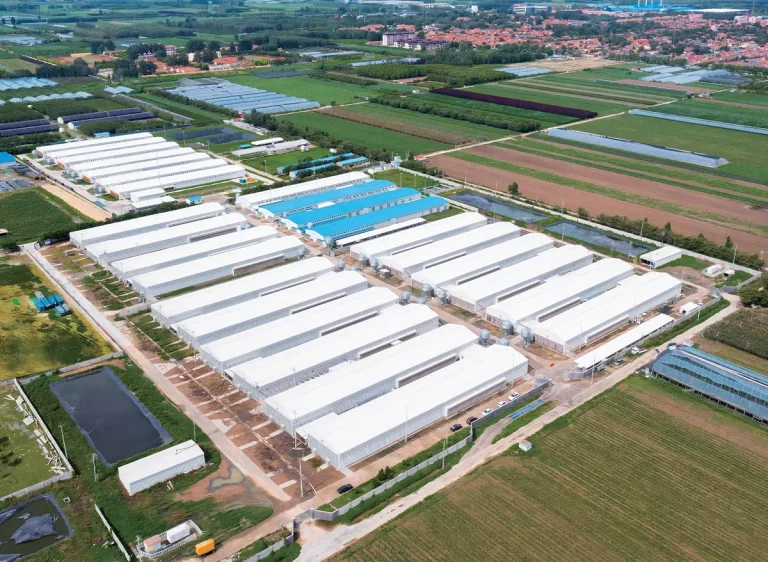
A high-performing layer project depends on more than cages. It needs a complete system: steel-structure house, layer cage or aviary design, automatic feeding, drinking, ventilation, cooling, lighting, manure treatment, egg collection, and biosecurity.
As a professional manufacturer and engineering supplier of turnkey poultry and rabbit farming systems, we understand that large and medium-scale farms need solutions that balance productivity, animal welfare, labor efficiency, and stable operation.
For modern farms, better system design can support:
A stronger farm system cannot remove every disease or risk, but it can reduce many avoidable problems.
Modern poultry systems focus on controlled housing, reliable equipment, and better daily management. Climate control is especially important because heat, cold, humidity, dust, and ammonia can affect hen health and production.
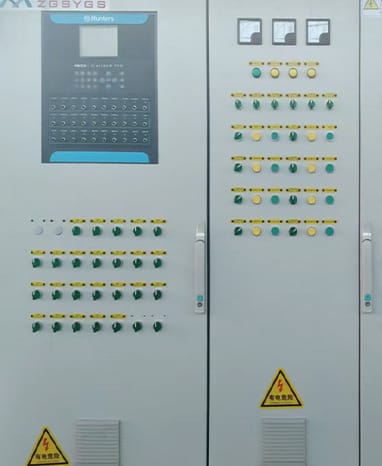
A well-designed house should match local climate, flock size, breed, and production target. Ventilation fans, cooling pads, air inlets, heaters, sensors, and control panels help maintain a safer environment. Feeding and drinking systems reduce uneven access. Manure removal systems reduce moisture and air quality problems.
For B2B buyers, turnkey planning matters. A aviário is not only a building. It is an integrated production system.
If you want a pet hen and you are ready for daily care, then adoption can be meaningful. Ex-battery hens can be sweet, funny, curious, and full of personality. Many people enjoy watching them discover grass, dust baths, sunshine, and flock life.
But do not adopt only for eggs. Ex-batts may still lay eggs, but their laying can slow at any time. They may need vet care. They may require extra patience. They may also have a shorter lifespan than hens raised from chicks.
Before you adopt, ask yourself:
| Question | Porque é que é importante |
|---|---|
| Do I have a safe coop? | Prevents predator attacks |
| Can I afford vet care? | Rescue hens may need treatment |
| Do I have time daily? | Chickens need regular care |
| Can I provide proper feed? | Supports health and laying |
| Can I manage flock introduction? | Reduces bullying and stress |
| Can I accept loss? | Some rescue hens may live only a short time |
Adoption is a kindness, but it is also a responsibility.
Rehoming and rescue programs help some hens avoid immediate slaughter and enjoy retirement. But not every hen can be rehomed. Scale is a major challenge. Commercial egg systems may involve thousands or millions of birds.
That is why welfare improvement must happen at several levels: better farm design, better management, responsible re-homing where possible, and informed consumers.
For agricultural investors and integrated poultry companies, welfare is no longer only a social topic. It affects market access, brand reputation, labor management, and long-term production stability. A farm designed for bird health and operational efficiency is easier to manage and more sustainable over time.
How long does a battery chicken live after rescue?
A battery chicken may live from a few months to several years after rescue. Some ex-battery hens live around 1.5 years, 2 years free, or even 3 years or more, while others have a shorter life because of illness, stress, or past strain.
How old are ex-battery hens when rehomed?
Many ex-battery hens are around 18 months old when they leave commercial production. This is usually when egg production starts to decline from the most profitable stage.
Do ex-battery hens still lay eggs?
Yes, many ex-battery hens still lay eggs after rehoming. However, laying may slow with age, stress, illness, season, or nutrition. Eggs should be seen as a bonus, not the main reason to rescue them.
Are ex-battery hens good pets?
Yes, many ex-battery hens become friendly pets. They can show strong personality and enjoy a good life with safe housing, proper feed, gentle handling, and flock companionship.
What health problems are common in ex-batts?
Ex-batts may face reproductive issues, egg peritonitis, mites, feather loss, weak legs, crop problems, soft-shell eggs, and stress-related illness. A vet should be contacted if the hen looks ill or distressed.
What is the best care for an ex-battery hen?
The best care includes a dry coop, clean bedding, safe outdoor space, predator protection, balanced layer feed, calcium support, clean water, dust bath access, calm handling, and quick veterinary help when needed.
Can modern poultry farms improve hen welfare?
Yes. Better housing design, climate control, feeding, drinking, manure removal, biosecurity, and flock monitoring can improve poultry welfare and farm performance. Turnkey poultry systems help farms manage these factors more consistently.
A battery chicken is usually an ex-caged or ex-battery laying hen.
Many ex battery hens are rehomed around 18 months after heavy egg-laying work.
Some ex-battery hens live only a few months; others may live 2–3 years or longer with good care.
A backyard hen raised well from a chick may live much longer than many commercial ex-batts.
Egg production may continue after rescue, but it will usually decline with age.
Common risks include stress, mites, feather loss, reproductive illness, crop issues, and predator danger.
A safe coop, good feed, clean water, bedding, dust bath area, and vet support can improve quality of life.
Rescue is meaningful, but adopters should be ready for care, costs, and possible loss.
For farms, better poultry system design can support animal welfare, production efficiency, and long-term project value.
Turnkey poultry solutions should integrate housing, cages, feeding, drinking, climate control, manure treatment, and biosecurity planning.
Sourcing poultry equipment from a Chinese manufacturer means controlling four variables di…
A steel structure poultry house is a prefabricated steel building designed for layer, broi…
Responderemos à sua consulta em até 24 horas. Para consultas urgentes, entre em contacto connosco pelo WhatsApp: +86 133 6144 9578 ou ligue diretamente para nós.
*Respeitamos a sua privacidade. Todas as informações enviadas são estritamente confidenciais.
Os seus dados serão utilizados apenas para responder à sua consulta. Nunca enviamos e-mails ou mensagens promocionais não solicitados.