










Sourcing Poultry Equipment Manufacturers in China: Buyer Guide
Sourcing poultry equipment from a Chinese manufacturer means controlling four variables di…


Veja as nossas últimas notícias,
 09:51
09:51 coop
A bad coop layout can lead to wet bedding, broken eggs, dirty feeders, poor airflow, and stress in the flock. That hurts comfort, hygiene, and egg production. The best answer is a simple, well-zoned chicken coop design that gives birds safe space, clean nesting, easy roosting, and fast daily management.
The best layout for a chicken coop keeps feed, water, nesting, roosting, ventilation, and cleaning flow clearly separated. In most cases, the ideal chicken coop design includes dry floor space, elevated roosting bars, one nest box for every few hens, easy-access feeder and waterers, strong predator protection, and enough space per chicken for the flock size. Extension guidance commonly recommends keeping nest boxes lower than roosts, maintaining good ventilation without drafts, and providing enough indoor and outdoor space for each bird.
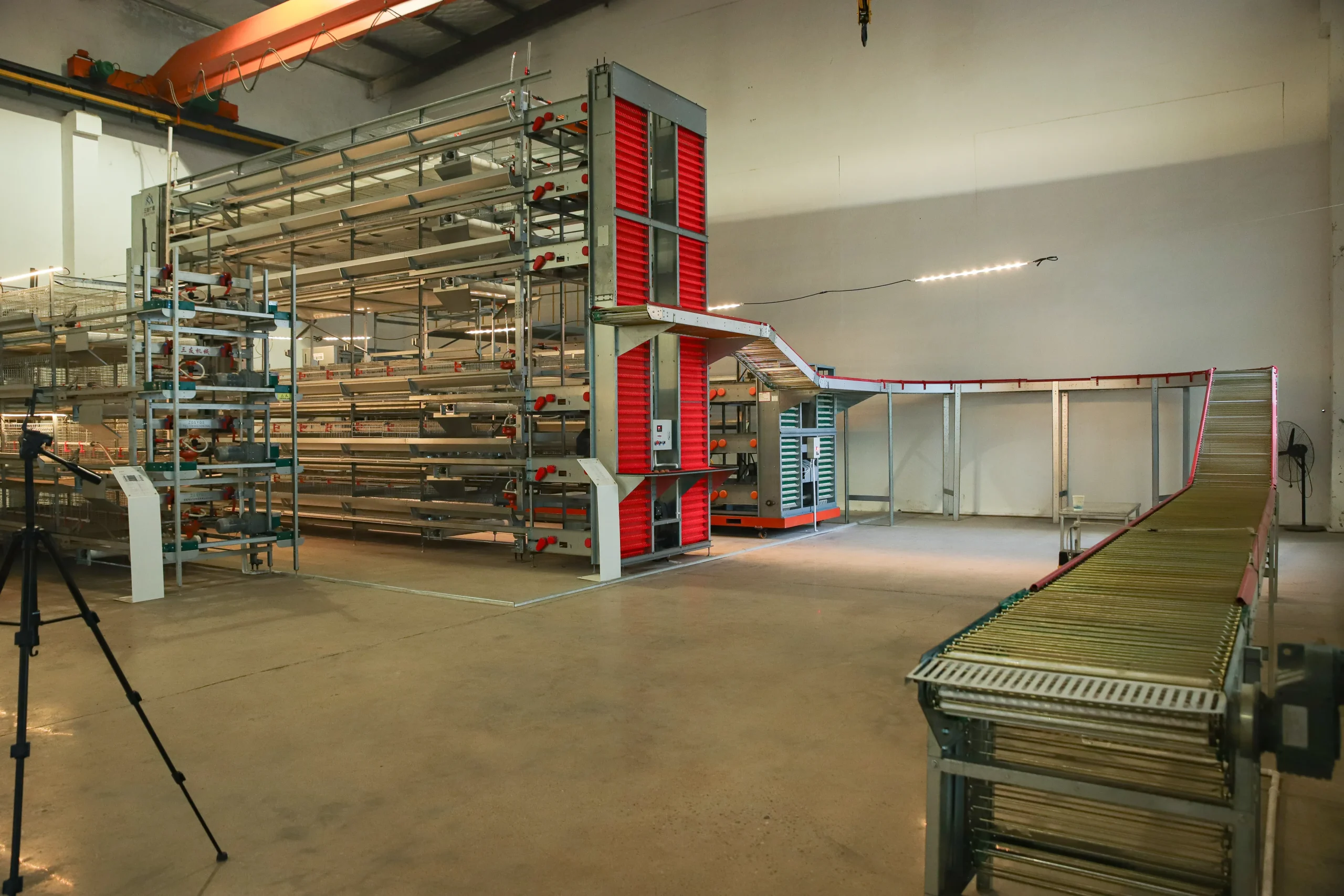
What makes a good chicken coop layout?
How much space does each chicken need inside the coop?
Where should the roost and roosting bars go?
Where is the best place for the nest box?
How should feeder and waterers be arranged?
Why does floor, bedding, and litter layout matter?
How important is ventilation, roof, and wall placement?
Should the coop be raised off the ground or placed directly on the floor?
What changes in coop design for backyard chickens vs commercial poultry projects?
How should you plan a chicken run, flock flow, and cleaning access?
A good chicken coop layout is easy for birds to use and easy for people to manage. That means the coop should have a clear sleeping zone, laying zone, feeding zone, watering zone, and access point for cleaning and egg collection. If everything is mixed together, the inside of the coop gets dirty faster, the birds compete more, and the work gets harder. Basic extension recommendations for small flock housing consistently emphasize roosts, nest boxes, ventilation, feeder and water placement, and easy cleaning access as the core layout elements.
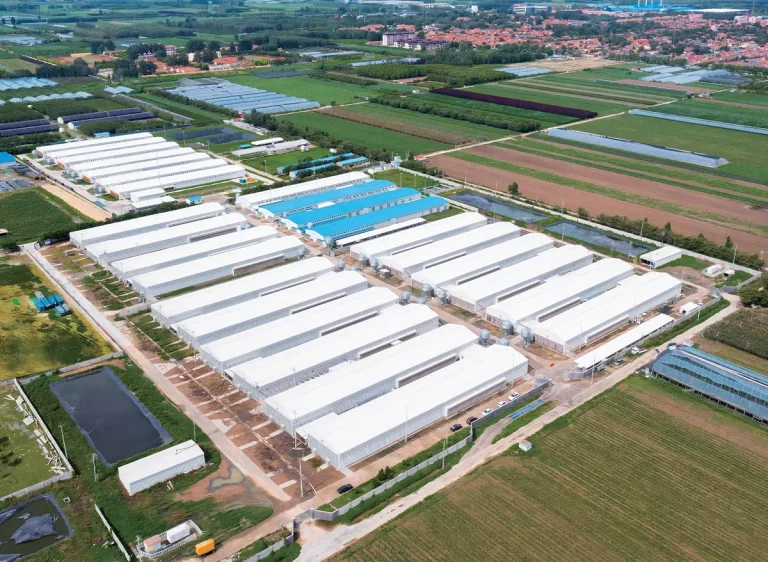
The best coop design also depends on what kind of operation you are planning. A small backyard chickens setup for six chickens is very different from a large poultry house for hundreds or thousands of birds. For a small flock, the layout often focuses on nesting, roosting, feeding, and a chicken run. For larger farms, the layout becomes part of a broader engineering system that may include a steel-structure poultry house, automated lines, ventilation, and manure handling. The principle is the same in both cases: clear movement, easy access, good hygiene, and bird comfort.
In simple terms, the best layout is the one that helps the flock of chickens stay calm, dry, safe, and productive while helping the chicken keeper work faster every day. That is what a good home for your chickens should do.
One of the first questions in building a coop is space. If the area of the coop is too small, birds crowd each other, the litter gets wet, and stress rises. Cornell Cooperative Extension says you should have a minimum of about 2.5 to 3.5 square feet per bird inside your coop and an additional 4 to 5 square feet in the fenced outside area. Boulder County Extension gives a similar example coop layout and suggests roughly 6 to 10 square feet in the run per bird depending on breed size.
That means a small flock of six chickens needs more room than many beginner plans assume. A flock of 10 chickens needs still more space, especially if birds spend long periods inside the coop in bad weather. The correct space per chicken also depends on whether the birds are mostly confined or partly free-ranging. If birds can go out often, the indoor space can sometimes work better than in a fully enclosed system, but the coop still cannot be cramped.
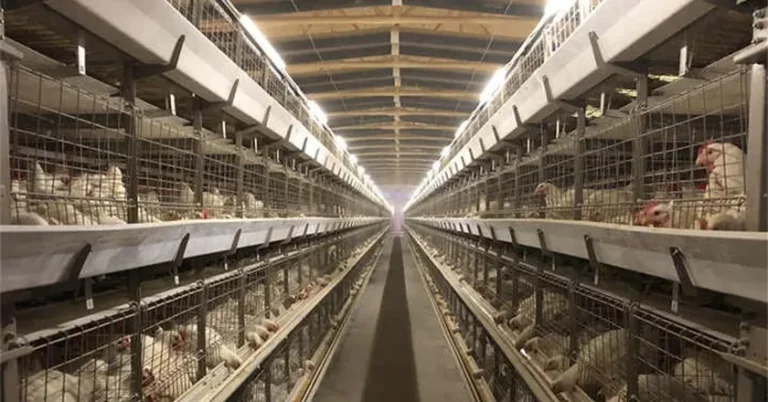
For larger poultry projects, space planning changes from “cute coop” thinking to production design. In those cases, buyers often shift from simple coop plans to integrated systems such as sistemas de gaiolas em camadas or breeder housing, where house size, stocking density, feeding, drinking, and manure flow all work together.
A roost is one of the most important parts inside a chicken coop because chickens naturally want to sleep off the ground. Oregon State Extension says nest boxes should not be placed lower than the roosting poles, and Maryland Extension says roosts should be placed about 24 inches above the floor, with about six inches of roost space per bird. Penn State recommends spacing roosts about one foot apart and 18 to 24 inches above the floor.
This means the roosting bars should usually go above the nest area, but not so high that birds injure themselves when jumping down. They should also be away from the feeder and waterer so that poop does not fall into feed or water. A good perch should feel stable under the hen’s foot and be easy to clean beneath. Many chicken keepers add a droppings board under the roost to make coop cleaning easier. While extension sources vary in exact bar shape, they consistently support well-spaced, elevated roosts that keep birds off the floor at night.
In a practical layout, put the roost area on one side of the coop or toward the back wall. Keep it away from the door if drafts are a problem, and give yourself easy access to clean under it. This supports the health of your flock and keeps the coop more comfortable in all seasons.
A nest box should be in a darker, quieter, and cleaner part of the coop. Oregon State says to build about one nest box for every four birds and recommends boxes about 12 by 12 by 12 inches for laying hens. It also says not to place nesting boxes directly on the ground or lower than roosting poles, because that can make them dirtier.
The best location is usually along one side of the coop, away from the main feeder and away from the busiest walking path. If the hen feels safe and quiet, she is more likely to lay eggs in the box instead of on the floor. A sloped roof over the top of the box can help stop birds from roosting there and dirtying the nesting space. Boulder County’s small flock guide specifically notes that sloping the nesting box top helps keep birds from roosting on it and defecating in the box.
Many good plans to build a coop include external-access nest boxes so the owner can collect eggs from outside. That is smart because it reduces disturbance inside the coop. In larger turnkey projects, the same idea scales up: good bird flow and good human access save time every day.
The feeder and waterers should be easy for every chicken to reach without causing crowding, waste, or wet litter. Virginia Tech advises placing feed troughs and drinkers at bird-back height as birds grow, because that helps reduce contamination and waste. It also notes that waterers should be checked often and kept clean.
In a small chicken coop, the best practice is to keep the chicken feeder and waterer on the opposite side from the nest box if possible. That helps keep the laying area cleaner. If you place them directly under the roost, droppings will contaminate them. If you place them where traffic is tight, the flock may bunch and fight. Keep them where birds can move around them comfortably.
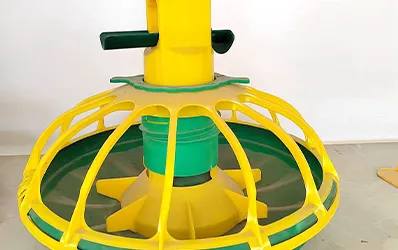
For larger farms, feed and water layout becomes a full engineering topic. A professional poultry house may integrate automatic feeding systems, nipple drinking lines, regulators, and filters into the house design. For medium and large projects, the feeder and water system should work with ventilation, manure control, and daily management, not as separate afterthoughts.
The floor is where many coop problems begin. If the floor stays wet, the bedding becomes dirty, ammonia rises, and the flock becomes less healthy. Good litter management is a core part of any practical chicken coop design. University of Minnesota Extension advises keeping coops ventilated and managing manure and bedding in cold weather so the coop stays healthier.
A good floor layout makes the coop easy to clean. Many small-flock keepers use pine shavings or similar dry litter and remove wet spots regularly. The litter should stay dry under the feeder and around the waterers. That is why floor slope, moisture control, and bird traffic matter. If the floor plan forces all birds through one wet area, the whole inside of the coop gets dirtier faster.
In commercial poultry work, floor strategy may change completely depending on the system. Some projects use floor housing, while others use cage systems or raised layouts. Buyers comparing deep litter and cage systems often focus on egg cleanliness, manure handling, and labor. Those decisions are closely linked to the full house layout, not just the birds themselves.
Proper ventilation is one of the most important parts of any coop design. Virginia Tech says ample air movement without a draft is essential, because fresh air removes moisture, ammonia, and carbon dioxide. It also notes that windows or vents on one side of the house usually provide enough ventilation for small coops when designed well.
This means the roof and walls should not just keep rain out. They should help air move correctly. Openings near the top of the coop let warm, moist air escape. The roof should shed water well. The walls should protect birds from hard drafts while still supporting air exchange. In cold conditions, Minnesota Extension recommends managing drafts separately from insulation: seal cracks that cause harsh cold airflow, but still keep the coop ventilated.
In large projects, ventilation becomes a full engineered system. Controlled houses may use fan-based airflow, tunnel ventilation, and automated control. USDA’s poultry industry manual notes that ventilation is the primary means of controlling the environment in a chicken house and describes both natural and power ventilation systems. For turnkey house design, buyers often combine housing with farm support and auxiliary systems so the coop or house remains stable across seasons.
Many people prefer a coop raised off the ground because it improves drainage, can reduce predator entry points, and may make the floor drier. It can also create a shaded area beneath the coop if needed. In wet locations, keeping the structure off soil can help reduce moisture problems around the base.
That said, not every chicken coop has to be elevated. A ground-based coop can work well if drainage is good, the floor stays dry, and the structure has strong predator protection. The most important thing is not whether the coop is high or low. It is whether the base stays dry, secure, and easy to maintain. Good drainage and predator-proof construction matter more than style alone. Extension and backyard poultry guides consistently emphasize dryness, predator security, and airflow as the key layout goals.
For larger systems, elevation decisions depend on manure handling, house type, and climate. A commercial breeder or layer project may instead focus on structural stability, manure removal access, and equipment placement rather than traditional “cute coop” ideas.
A coop for backyard chickens is usually designed around comfort, egg collection, and simple daily care. It may include a few nest boxes, roosting bars, feeder, waterers, bedding, and a small run. The owner may also allow free-ranging during the day. This is common for a small flock or household egg project.
A commercial or investor-led house is different. The goal is not only to house a few hens. The goal is to create a reliable production system. That may involve breeder cages, brooder cages, layer cages, manure removal, automated feeding, and house environment control. For example, a turnkey solution may link the coop or poultry house with an automatic breeder cage system or a hatchery and brooding system depending on the stage of production.
So when someone asks, “What is the best layout for a chicken coop?” the honest answer is: it depends on your purpose. A home coop for six chickens is one design problem. A production house for integrated poultry farming is another.
A good chicken run should connect smoothly to the coop door, let birds move in and out safely, and give enough outdoor space. Cornell recommends 4 to 5 square feet in the fenced outside area per bird at minimum, while Boulder County suggests 6 to 10 square feet depending on breed size.
Inside the layout, think about flock flow. Birds should be able to move from the door to the feeder, from the feeder to the waterer, and from active daytime zones to quieter nesting zones without crowding. That is why the side of the coop with the door, the one side of the coop with nesting boxes, and the top of the coop ventilation openings all matter together. A practical layout is one where the birds and the keeper do not block each other constantly.
Cleaning access matters too. If you cannot reach the back corner, clean under the roost, refill the feeder, or remove old litter easily, the design will become frustrating fast. Good chicken coop building is not only about pretty sketches. It is about daily movement, safety, and labor. For larger modern farms, this same logic scales into planned manure removal, feeding, drinking, and service corridors.
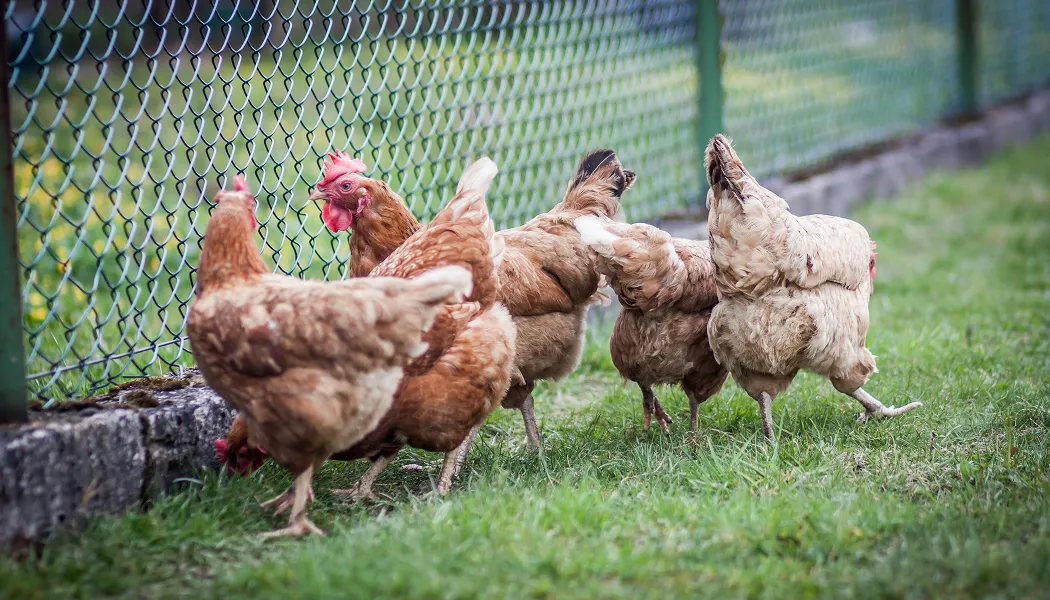
Here is a straightforward layout that works well for many small flocks:
| Coop Zone | Best Position | Why It Works |
|---|---|---|
| Entry door | Front or side with easy human access | Helps feeding and cleaning |
| Nest box row | Quiet side wall | Easier egg laying and egg collection |
| Roosting bars | Back wall or opposite nest boxes | Keeps sleeping area separate |
| Feeder | Middle or opposite nest box side | Easy access without crowding |
| Waterers | Near feeder but not under roost | Supports feeding flow, cleaner water |
| Vent openings | High on walls / roof line | Helps airflow and moisture control |
| Bedding / litter floor | Whole inside floor area | Comfort and manure absorption |
| Chicken run door | Low side access | Easy outdoor movement |
| Cleaning hatch | Under roost or rear wall | Speeds manure removal |
This is not the only good plan, but it is a reliable starting point for many flocks.
What is the best layout for a chicken coop?
The best layout separates sleeping, laying, feeding, watering, and cleaning areas. Roosts should be higher than nest boxes, feed and water should stay away from droppings, and the coop should have enough ventilation and space per bird.
How many nest boxes do I need for a flock?
A common rule is about one nest box for every four hens. Boxes should be clean, quiet, and placed lower than roosts.
Where should roosting bars go in a chicken coop?
Roosting bars should be elevated above the floor and usually above the nest boxes, while still being safe for the birds to jump to and from. They should not be directly over feed or water.
Do chickens need a raised coop?
Not always, but a raised coop can help with drainage and predator protection. The more important issue is keeping the coop dry, secure, and easy to maintain.
How much space do six chickens need inside a coop?
A useful baseline is about 2.5 to 3.5 square feet per bird inside the coop, with more outdoor run space if possible. So six chickens usually need more room than many tiny coop plans provide.
Should I insulate a chicken coop?
In colder areas, you may insulate parts of the coop, but you still need ventilation. The goal is to reduce harsh drafts without trapping damp air.
Is free-ranging enough so the coop can be smaller?
Free-ranging helps, but the coop still needs enough indoor space for bad weather, nighttime roosting, and safe flock management.
The best chicken coop layout separates roosting, nesting, feeding, watering, and cleaning zones.
Nest boxes should be quiet, clean, and usually lower than roosts.
Roosting bars should be elevated, stable, and placed away from feed and water.
Good ventilation matters as much as walls and roof because moisture and ammonia build up fast in a closed coop.
Space planning should match flock size; crowded coops create stress and dirtier conditions.
Backyard coop layouts and commercial poultry house layouts follow the same basic logic: safe bird flow, clean management, and easy daily work.
Sourcing poultry equipment from a Chinese manufacturer means controlling four variables di…
A steel structure poultry house is a prefabricated steel building designed for layer, broi…
Responderemos à sua consulta em até 24 horas. Para consultas urgentes, entre em contacto connosco pelo WhatsApp: +86 133 6144 9578 ou ligue diretamente para nós.
*Respeitamos a sua privacidade. Todas as informações enviadas são estritamente confidenciais.
Os seus dados serão utilizados apenas para responder à sua consulta. Nunca enviamos e-mails ou mensagens promocionais não solicitados.