


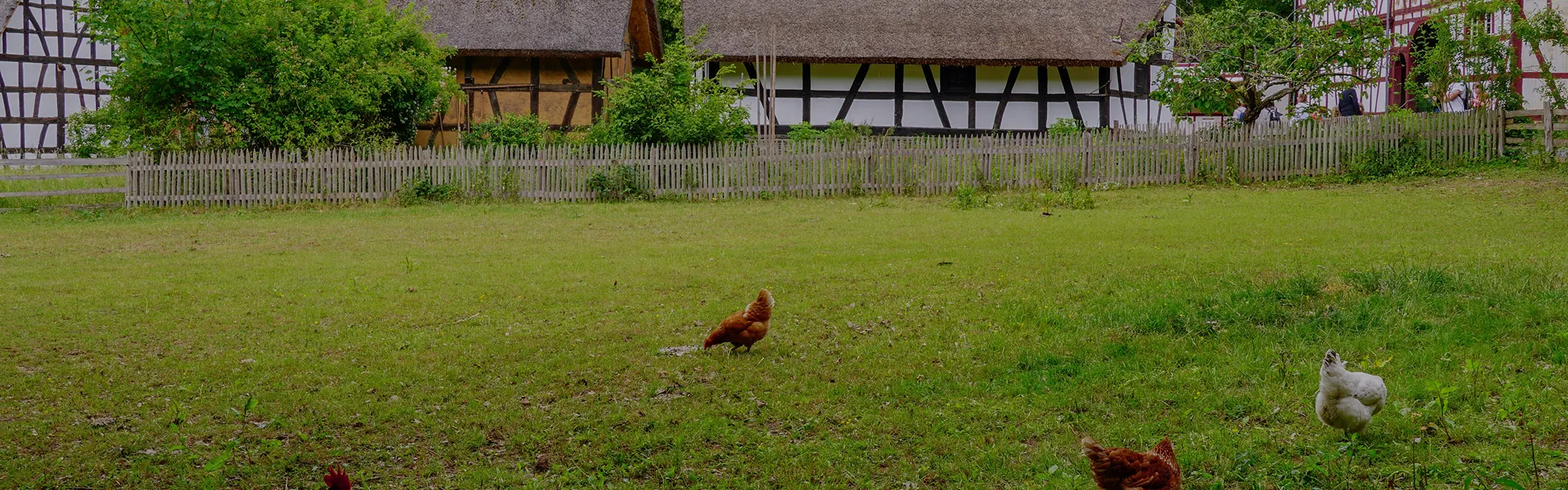
Poultry House Planning for Chicken Houses and Hen Houses: A Practical Coop Guide
A bad housing plan quietly steals your profit. Wet floo […]
 11:01
11:01 Running a poultry farm without the right housing can feel like fighting the same problems every day—dirty eggs, uneven layer chicken growth, disease pressure, and rising labor costs. It gets worse when parts don’t match, installers guess, and your manure handling falls behind. A turnkey, well-matched cage system fixes the root cause.
A layer chicken cage is a structured housing setup that keeps laying hens safe, organized, and easy to manage for steady egg production. The best results come from a complete solution—house layout, cages for layers, feeding system, drinking lines, ventilation, manure removal, and egg collection—engineered to work together and fit your budget and local rules.
When buyers say “layer chicken cage,” they usually mean more than a metal frame. In real projects, the “system” includes the row layout, aisle width, access doors, lighting plan, and daily workflow—how people feed, check birds, collect eggs, and remove manure. If you design this well, your flock stays calmer, your eggs stay cleaner, and your team finishes work faster.
From our manufacturer perspective, we treat it like an engineering puzzle. We build turnkey poultry and rabbit farming systems, so we look at steel-structure houses, cages, feeders and waterers, climate control, and manure treatment as one connected plan. If one piece is weak, the whole operation pays for it.
A practical starting point: write down your target headcount, egg grade goals, labor limit, and expansion plan. That tells you whether you need a compact multi-tier setup or a simpler arrangement that’s easier to service for your local team of poultry farmers.
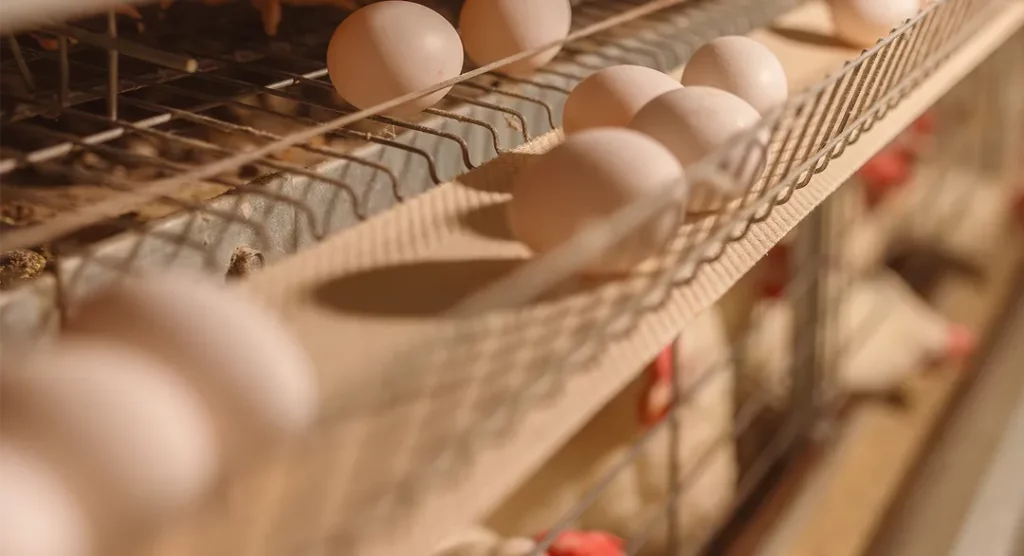
Many people still use old words like battery cage or poultry battery cage, but in many markets, regulations and buyer expectations have shifted. In the EU, for example, the European Commission notes that non-enriched cage systems have been prohibited since 1 January 2012, and enriched cages must meet minimum space and feature requirements.
Even if you don’t sell eggs into Europe, this trend affects global projects. Investors and integrators often ask about welfare features, cleaning methods, and traceability. That’s why we prefer to talk about performance-driven design: bird comfort, hygiene, airflow, and easy inspection—because those raise production stability and lower risk.
One more reason this matters: eggs are a massive global market. FAO reported global hen egg production reached about 91 million tonnes (≈1.7 trillion eggs) in 2023, with China contributing 38%.
In a market that big, small efficiency gains become big money.
Let’s use the keyword buyers often type: type layer chicken cage system. In plain English, you’re choosing the layout that best fits your house, budget, and automation level.
Here’s a quick comparison table we use in early planning:
| Decision factor | A-type layout | Multi-tier vertical layout |
| Space use | Moderate | saves land |
| Automation potential | Medium | High (egg + manure lines) |
| Expansion | Medium | High (modular tiers) |
| Labor needs | Medium | Lower with automation |
| Maintenance skill | Lower | Medium (needs training) |
If you also see the phrase type layer chicken cage in RFQs, it usually means the buyer wants a clear spec: bird capacity per module, aisle width, and what level of automation is included (feed, water, eggs, manure).
In modern commercial builds, the h type layer chicken cage layout is popular because it stacks birds vertically and supports cleaner workflows. Many buyers call it h type chicken housing, and you may also see the spelling h-type in emails—same idea, different typing habit.
The big win is density without chaos. You can keep inspection routes consistent, align drinkers and feeders, and build an egg belt route that avoids sharp turns. When we plan an efficient poultry project, we look at how workers move: fewer steps, fewer mistakes, calmer birds.
A common detail people miss is the “small stuff”: cage accessories like doors, clips, corner covers, and belt guides. If those parts are not standardized, the farm becomes a repair shop. We design these details before production, not after problems show up.
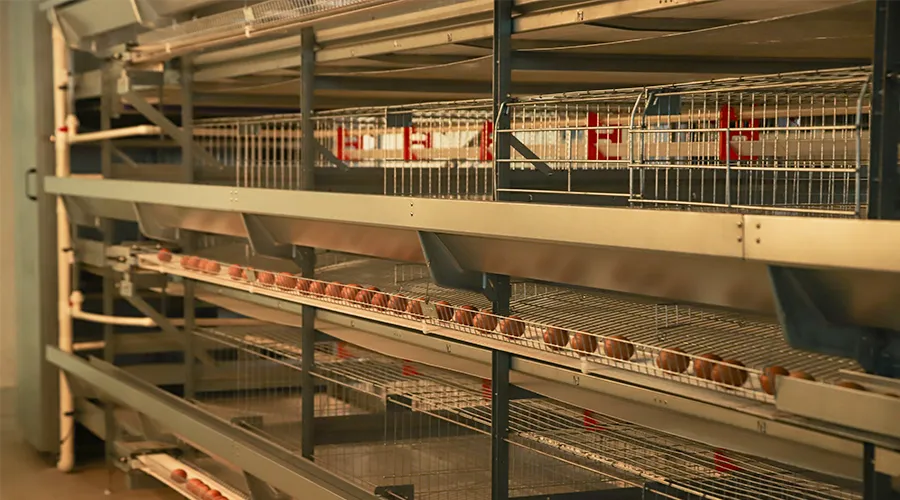
H type layer chicken cage
A chicken house is not just a building; it’s a controlled environment that protects birds and protects your profit. Good poultry house planning starts with house design: wind direction, insulation, roof height, drainage, and clean/dirty zones.
Here’s a simple checklist we use in layout drawings:
Heat is a silent killer. Hy-Line’s heat stress guidance recommends increasing ventilation rate and watching bird behavior when conditions hit alert ranges, emphasizing drinker function and airflow management.
In practice, we combine environment control, ventilation system, and temperature control so birds avoid heat stress and keep feed intake stable.
One line I repeat to investors: proper ventilation is cheaper than poor performance.
Uniform birds are money. Uneven birds create uneven egg size, uneven peak, and uneven cash flow. Your feeding system should deliver the same feed amount to each section, with the right trough shape and speed. In many designs, a chain or hopper line feeds each row, and the feeder settings control waste and competition.
Water is even more critical. We usually recommend nipple lines, because they reduce wet litter issues and keep the aisle cleaner. A properly installed nipple drinker with the right water tank height helps maintain stable pressure. You may see the word nipple in spec sheets—don’t ignore it; it’s small but important.
We also think about the bird’s life stages: the chick phase, then pullets, then production. A healthy pullet program reduces later problems. In a well-run house, even a small chicken can reach target body weight on time.
And yes, the terms matter: buyers might say “feeders and waterers,” but what they really want is fewer breakdowns and fewer wet spots.
Manure handling is where projects either look professional… or fall apart. manure buildup drives ammonia, flies, and neighbor complaints. It also hurts air quality and bird health.
A good manure removal system matches your farm rhythm. Many commercial farms use an automatic manure removal system with belts or scrapers that move waste out on schedule. You’ll also see terms like automatic manure and automatic manure removal system in bids—these usually mean the farm wants less manual handling and more predictable cleaning.
Here’s a simple “risk vs control” list:
If your plan includes composting or drying, we can integrate manure treatment equipment into the same turnkey delivery, so it doesn’t become a separate headache.

Clean eggs sell better. Cracked eggs are pure loss. A well-designed egg line reduces both.
In modern setups, egg collection typically uses an egg belt that moves eggs toward a central point. Some farms choose an automatic egg collector at the end of the line. This is where a simple conveyor route makes a big difference: fewer drops, fewer jams, easier cleaning.
Here’s a quick “visual” chart we use when explaining labor impact (example for 10,000 birds):
Daily labor time (hours) for egg handling
Manual: ██████████ 6
Semi-auto: ██████ 3
Automatic egg: ███ 1.5
The goal is not to remove people—it’s to move people to higher-value tasks like health checks and grading. If your staff can collect eggs with fewer steps, they make fewer mistakes.
This is where many buyers get tricked—photos look similar, but metal quality does not.
Ask direct questions about:
You’ll see different terms: wire mesh, galvanized wire, “hot dip,” and sometimes galfan coated finishes. The goal is simple: better rust resistance and less corrosion over time.
Also confirm what the cage is made from. Some structures use mild steel with protective coating. In some designs, we also use pvc parts, and in certain high-wear zones a pvc coating can reduce abrasion.
Finally, ask for realistic service life expectations based on your climate (humidity, coastal salt, cleaning chemicals). We prefer to give a range and explain the “why,” instead of selling a fantasy number.
If you’re comparing cages for sale, don’t start with price. Start with fit. Here are the questions we encourage buyers to ask us (and any supplier):
A short real-world note from our side: when a layer chicken cage comes as a complete engineered package—structure, feed, water, egg, manure—commissioning is smoother and performance stabilizes faster. That’s why our turnkey approach is popular with integrated poultry companies and agricultural investors.
If you’re building a multi-species site, we can also integrate rabbit lines in parallel planning so utilities and service zones stay clean and efficient.
On a recent medium-scale project, the owner wanted stable output with fewer workers. We delivered an engineered housing package: steel structure, a multi-row system, feed + drink lines, egg belts, manure belts, and a simple monitoring plan for the environment for layers.
What changed after commissioning:
That’s not magic. It’s system thinking.
Start from your market plan, not your emotions. If you have stable buyers and feed supply, build for efficient daily work and future expansion. Medium farms often win by scaling in modules instead of building one oversized house that’s hard to manage.
If labor is expensive or hard to hire, yes. Automation reduces daily repetitive work and improves consistency. It also helps management focus on bird health and egg quality instead of endless manual handling.
Prioritize airflow design, fan selection, inlet placement, and simple controls. Follow proven heat-management guidance like Hy-Line’s recommendations for increasing ventilation and ensuring drinker performance during heat events.
It depends on stocking density, climate, and your processing plan. Many farms schedule removal to prevent ammonia spikes and keep the building dry. The key is consistency—don’t wait until you smell trouble.
Rules vary by country and buyer channel. In the EU, non-enriched cages are prohibited, and enriched cages must meet minimum space requirements.
Even outside the EU, welfare expectations often influence financing and off-take agreements.
Ask for a full bill of materials, drawings, power/water needs, and an installation/training plan. Hidden costs usually come from weak after-sales support, missing accessories, and mismatched lines (feed, egg, manure) that cause downtime.
If you tell me your target bird capacity, climate, and building size, I can map a practical configuration (layout, rows/tiers, automation level, and utilities) that fits your budget and timeline.
A bad housing plan quietly steals your profit. Wet floo […]
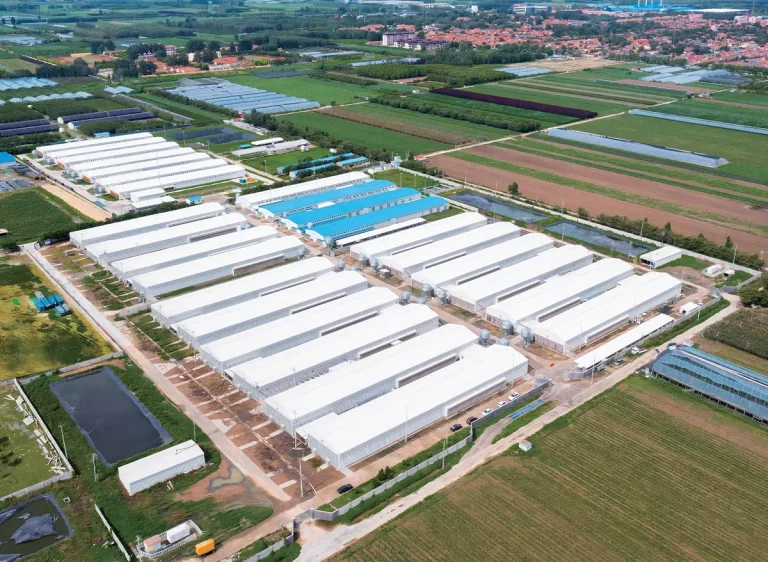
Find broiler chicken cage systems for sale! Explore battery cage options and modern chicke…
We will reply you within 24 hours. If for urgent case, please add WhatsApp/WeChat: +86 ******,. Or call +86 ****** directly.
*We respect your confidentiality and all information are protected.
We will only use your information to respond to your inquiry and will never send unsolicited emails or promotional messages.