










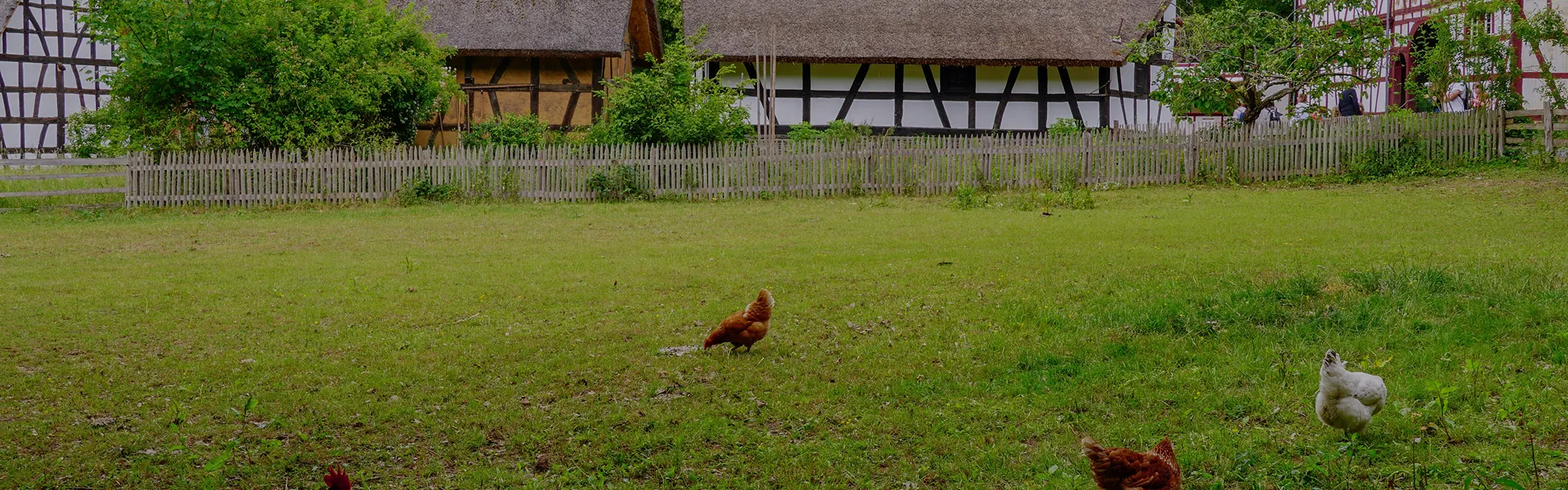
A-Type vs H-Type Battery Cage: What’s the Difference (and Which One Fits Your Poultry Farm)?
Choosing the wrong battery cage layout can lock your poultry farm into high labor, poor ai…
 14:11
14:11 A bad housing plan quietly steals your profit. Wet floors, sick birds, slow growth, more labor. It feels normal—until it doesn’t. The fix is simple: design the house around airflow, daily work, and bird behavior, then build the systems to match.
A poultry house is a purpose-built shelter that keeps birds safe, comfortable, and productive by controlling space, air, light, and protection. Whether you run a small coop or a large commercial house, the same basics apply: right layout, right equipment, and cleanable construction backed by practical engineering.
In our turnkey projects, we design and supply complete systems—steel-structure houses, cages, feeding, drinking, climate control, and manure treatment—so farms and distributors can scale faster with fewer surprises. The FAO sums up the housing basics as space, air movement, light, and protection, which matches what we see on real sites.
A poultry house is more than “a roof and walls.” It’s a working tool adapted to accommodate poultry and the people who care for them. If you’re selling eggs, raising broilers, or planning a new site, you want a layout that supports daily routines—inspection, feeding, watering, cleaning, catching, and manure handling—without wasted steps.
A coop is often the starting point for small farms, pilots, or teaching sites. Small poultry houses can still be engineered well: correct spacing, clean surfaces, and safe doors. But once you expand, the “handmade” approach turns into hidden costs—extra labor, uneven bird performance, and higher disease risk. That’s where engineered chicken houses win.
One detail many buyers overlook is the appearance of any poultry house. It matters for more than looks: roof shape affects heat, wall design affects airflow, and internal layout affects how fast you can work. If you want help building a poultry house, we usually start with a simple question: “What bird type, what capacity, what climate, what labor plan?”
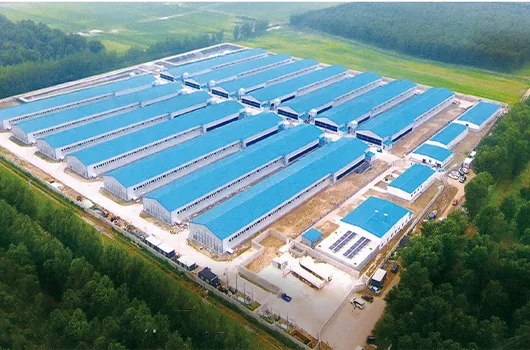
What is a poultry house
Space planning is where performance starts. If birds crowd, they stress. If they spread too much, you waste building cost. In our designs, we match space to bird type, equipment style, and labor flow—especially for laying hens where egg quality and cleanliness matter every day.
Here’s the practical rule we use: design the walking lanes, service points, and cleaning access first—then place cages or floor areas around that plan. Make sure ceiling height is appropriate for your equipment (fans, inlets, lights, suspension lines) and for the people who service it. Low ceilings often trap heat and make maintenance harder.
Also plan for chickens and turkeys differently. Turkeys are larger birds, so they need stronger floors, wider service paths, and more robust hardware. A small mistake in space planning shows up later as injuries, wet spots, and uneven growth.
Quick planning table (example ranges—final values depend on system type and local standards):
| System goal | What you plan first | What you avoid |
| Eggs | egg collection + worker flow | dead corners + hard-to-reach rows |
| Broilers | uniform floor + easy litter management | wet zones under drinkers |
| Mixed species | separation + hygiene barriers | shared tools and shared air paths |
Brooder houses succeed when the first 7–10 days are stable. You want warm chicks, dry bedding, and steady access to drinkers and feed. When chicks start well, you protect the whole batch—better uniformity, easier management, and fewer late-stage problems.
In projects where clients struggled, the “real issue” was often simple: temperature swings, wet floors near drinkers, or uneven air mixing. We usually fix this with cleaner zone planning (brooding ring or section), better heater placement, and tighter control logic—especially in cold seasons.
If you sell equipment or build farms for investors, this is where you earn trust: show how your house design keeps chicks comfortable, not just “how many birds fit.”
Colony houses (group-style systems) aim to balance bird comfort and easier daily work. When done right, you can reduce labor per bird while keeping strong production. When done wrong, you get uneven egg-laying areas, dirty eggs, and behavior issues.
The key is to treat the system like a workflow: where birds rest, where they lay, where they eat, and where people walk. That’s why we design the system as a package—structure + equipment + climate control + manure handling—rather than mixing random parts.
For distributors, this is also a sales advantage: buyers don’t want a puzzle. They want a proven configuration with clear specs, installation support, and a predictable spare-parts plan.
A perch looks simple, but it changes behavior. Birds prefer to roost, and a good perch setup reduces crowding and stress. A bad one creates fights, injuries, and dirty resting areas.
We normally place the perch with three rules: keep it stable, keep it reachable, and keep the cleaning plan in mind. If the perch blocks access or sits over wet zones, you create work and hygiene issues. If you install a perch that’s hard to service, workers avoid it—and then the system slowly fails.
In a practical coop setup, a well-placed perch makes daily checks faster too, because birds settle better at night and you can spot weak birds earlier.
Farm buyers care about cost per kg of gain and daily labor. That’s why feed and water design matters more than fancy walls. The goal is steady access, low waste, and simple maintenance.
Start by protecting feeder and water space from crowding. Then use feeders for easy access so birds don’t fight for positions. If the feeder line is hard to adjust or clean, it becomes a daily headache. In our turnkey layouts, we match feeder type, line spacing, and walking lanes so staff can refill, inspect, and repair quickly.
Checklist for feed layout (fast audit):
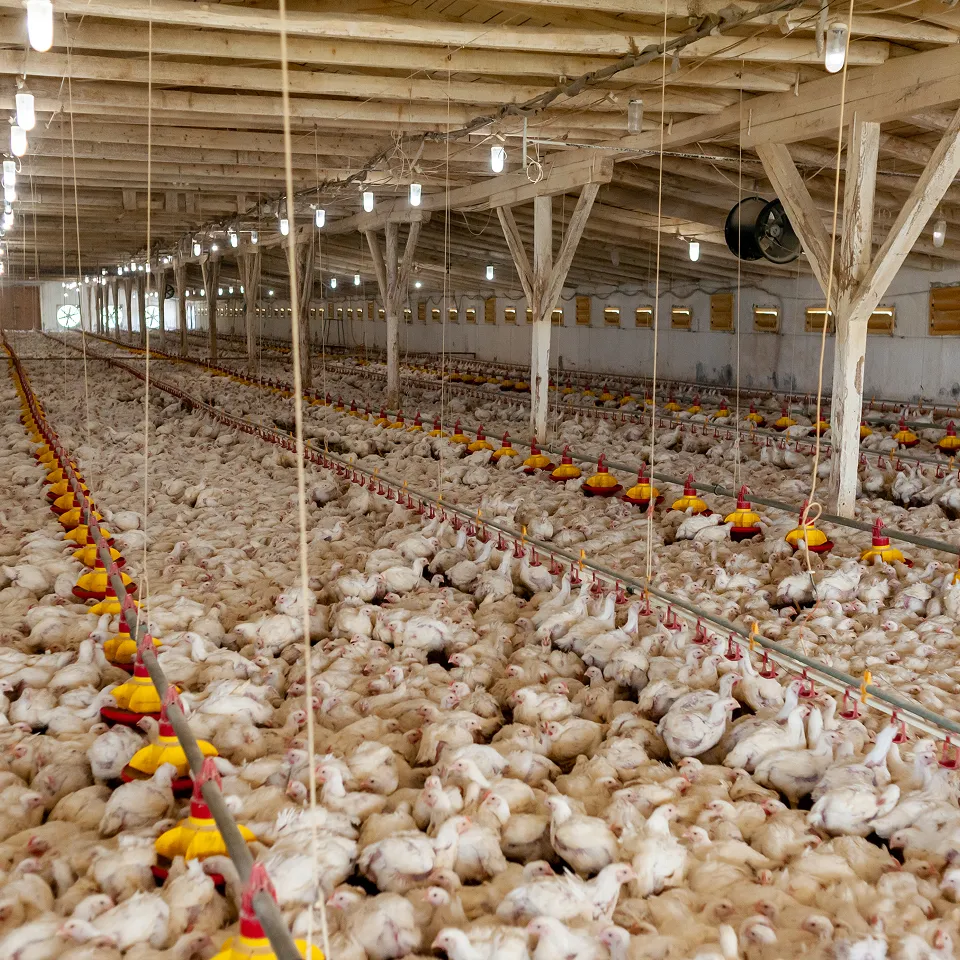
Feed and water layout
Air management is not about making the house “windy.” It’s about a draft-free house that keeps birds comfortable while pushing dirty air out. Your goal is simple: carbon dioxide are removed before they stack up, and you avoid dampness and ammonia build-up that damages lungs and litter.
Many modern guidelines recommend keeping ammonia below 25 ppm for bird and worker health. One widely used commercial guideline also notes CO₂ targets around 3,000 ppm and low ammonia thresholds.
Here’s a simple way to explain it to a buyer: if you can smell ammonia, you already waited too long. Watch the humidity level in the coop, watch litter condition, and monitor bird spread. In hot weather, side openings and airflow patterns become your source of ventilation in summer, while controlled inlets and fan staging act as a good source of ventilation in cooler seasons.
Mini “air quality” target table (common industry references):
| Item | Why it matters | Typical target |
| Ammonia (NH₃) | irritates eyes/lungs | aim < 25 ppm |
| CO₂ | displaces oxygen | keep near/below ~3,000 ppm |
| Relative humidity | drives wet litter | manage to reduce wet spots |
(See: UGA ammonia guidance; Aviagen CO₂/ammonia notes in ventilation brief.)
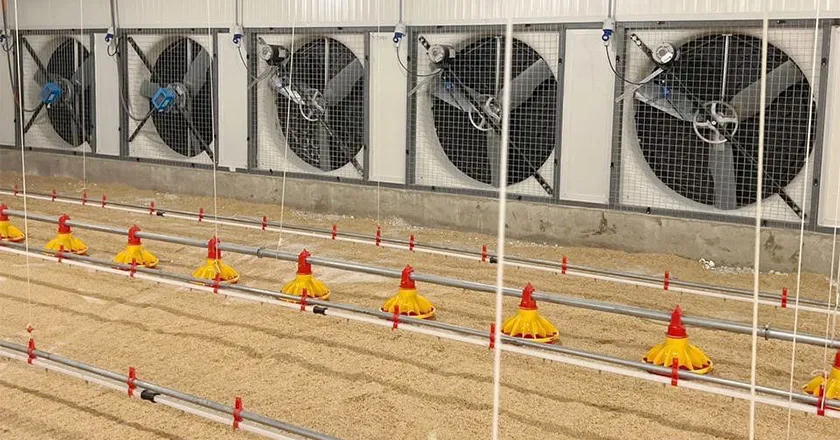
Ventilation that works
Lighting is a production tool. Most farms use a stable photoperiod because it supports egg production rhythm. Extension guidance commonly notes that hens respond strongly when daylight reaches ~14 hours, and peak laying aligns with longer day length.
For commercial designs, plan a reliable source for electric light and protect cables from dust and moisture. In the field, power quality and backups matter just as much as lamp type. A good source of light also means even distribution—dark corners create uneven feeding and uneven bird movement.
If you’re an investor or integrated company, this is an easy win: proper lighting design costs little compared to the losses caused by inconsistent schedules.
Every buyer wants lower labor cost. The fastest way is to build it easy to clean from day one. Smooth surfaces, smart slopes, and clear manure paths turn cleaning into a routine instead of a crisis.
For large projects, manure handling is not “an extra.” It’s part of the system: belts, scrapers, collection points, and treatment options. As a turnkey supplier, we integrate manure treatment equipment into the overall plan so the house stays dry and the work stays predictable.
A simple design test: if staff can’t clean it quickly, they won’t do it well. Then air quality drops, birds get sick, and profit goes with it.
Predator protection is a business decision. If you lose birds, you lose money and time. For many farms, the best protection from predators is a tight perimeter plan: strong doors, sealed openings, and smart fencing. Use mesh wire or netting where you need airflow openings but can’t risk entry.
Also set clear rules for access and traffic. For some project types, keeping poultry totally confined helps reduce disease exposure and improves control over feed and health checks. This is especially important when buyers run multiple sites or operate under strict biosecurity requirements.
If you manage small coops, don’t ignore “tiny” damage. Rodents and predators start with weak corners, then you spend money to prevent damage to the coop after the fact.
When farms scale, buyers want one thing: fewer unknowns. That’s why we deliver turnkey systems—steel-structure houses, cages, feeding, drinking, climate control, and manure treatment—designed as one working package.
What buyers usually ask us for (and what you should specify in RFQs):
Text “cost driver” chart (typical pattern):
If you’re a distributor, this package approach also makes your offer easier to sell: clear specs, clear drawings, and one accountable engineering plan.
On one retrofit project, the client’s main complaint was “we need more workers.” The real issue was layout: long walking paths, hard-to-reach service points, and wet zones near drinkers. We redesigned the paths, adjusted the feeder line plan, and improved air movement staging. The result: faster daily rounds, fewer wet spots, and better bird uniformity—without expanding the building.
This is why we focus on engineering, not just equipment sales. When structure, systems, and workflow match, farms run calmer. And calmer farms usually earn more.
How do I choose between a coop setup and a commercial house?
Start with your capacity, labor plan, and biosecurity needs. A coop works for pilots and small batches. When you scale, engineered structure and integrated systems reduce labor and stabilize production.
What air-quality targets should I monitor in my poultry building?
Track ammonia smell, litter wetness, and CO₂ risk in cold seasons. Many references recommend ammonia below 25 ppm and CO₂ around/below 3,000 ppm for good performance (see UGA and Aviagen sources linked above).
How many hours of light do hens need to keep laying well?
Many farms aim for stable schedules around 14–16 hours during the laying phase, and extension guidance explains how day length affects egg production (see the MSU Extension source linked above).
What should I prioritize to make cleaning easier?
Choose smooth, durable interior surfaces, plan drainage and manure paths, and keep service lanes wide enough for daily work. If cleaning is hard, performance drops over time.
How do I reduce predator risk without blocking airflow?
Seal structural gaps, strengthen doors, and protect openings with proper barriers like mesh where needed. Combine this with site fencing and clear traffic control for biosecurity.
What should I ask a turnkey supplier before I buy?
Ask for layout drawings, equipment lists, air and lighting plan, installation scope, lead time, spare parts plan, and training support. A serious supplier will answer these clearly.
Choosing the wrong battery cage layout can lock your poultry farm into high labor, poor ai…
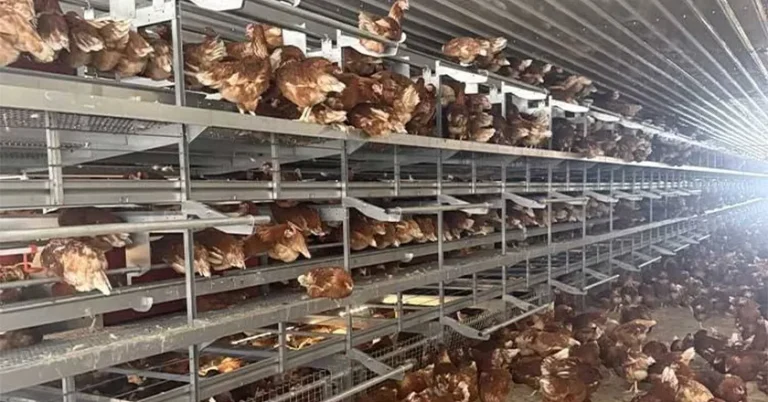
Deep litter vs battery cage system for egg production on a modern poultry farm: Explore wh…
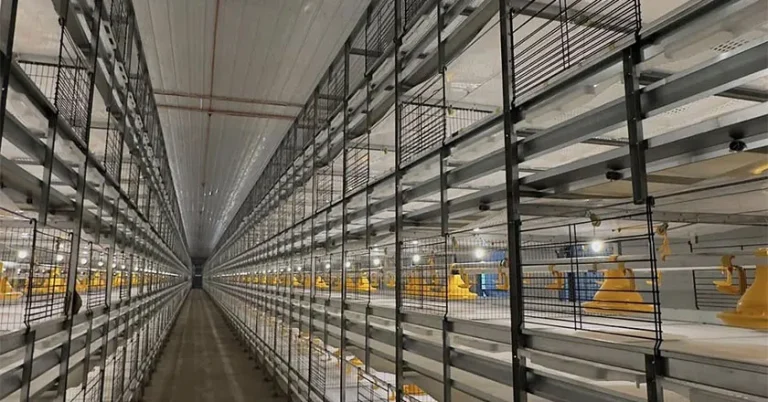
We will reply to your inquiry within 24 hours.For urgent inquiries, please contact us via WhatsApp: +86 133 6144 9578 or call us directly.
*We respect your privacy. All information submitted is strictly confidential.
Your details will only be used to respond to your inquiry. We never send unsolicited emails or promotional messages.