










A-Type vs H-Type Battery Cage: What’s the Difference (and Which One Fits Your Poultry Farm)?
Choosing the wrong battery cage layout can lock your poultry farm into high labor, poor ai…
 09:13
09:13 Broiler farming can feel like a race you’re losing: high labor intensity, uneven growth, wet litter, and manure smells that never stop. Those problems get worse as your flock grows. A well-planned broiler cage setup—matched with the right chicken house systems—can turn chaos into control.
If you’re asking whether broiler cages are worth it, the short answer is: yes—when your goal is higher productivity per unit area, cleaner manure handling, and more consistent broiler chickens performance. The best results come from a complete cage system (house design + ventilation + feeding and drinking + manure belt + automation), not “just cages.”
Broiler cages are structured housing units that hold broiler chickens in controlled groups, often arranged in multi-layer rows inside a chicken house. People sometimes call them battery cage designs, although “battery cage” historically links to layers; for broilers, the better term is a broiler chicken cage designed for fast growth, safe footing, and easy harvesting broiler cage handling.
A cage system makes the most sense when you want to centralize daily work and scale with confidence. In our turnkey projects, we combine the steel-structure house, cage lines, automatic feeding and drinking, climate control, and manure treatment so the farm runs as one connected system. That “system thinking” matters because welfare and performance depend on the housing design, not on one part alone.
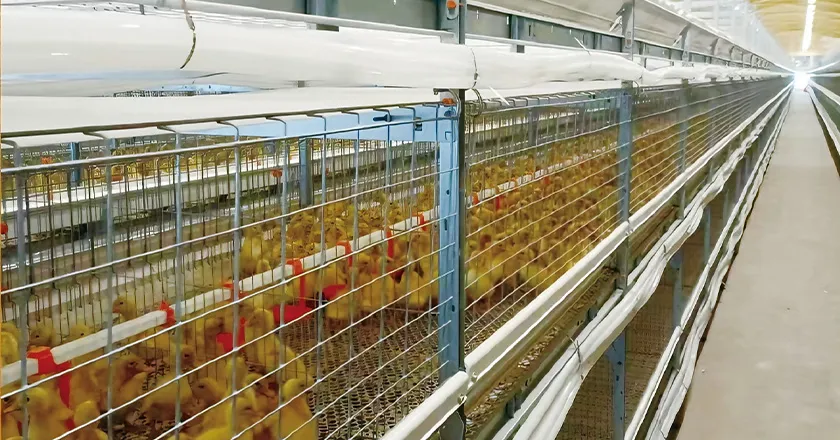
What are broiler cages
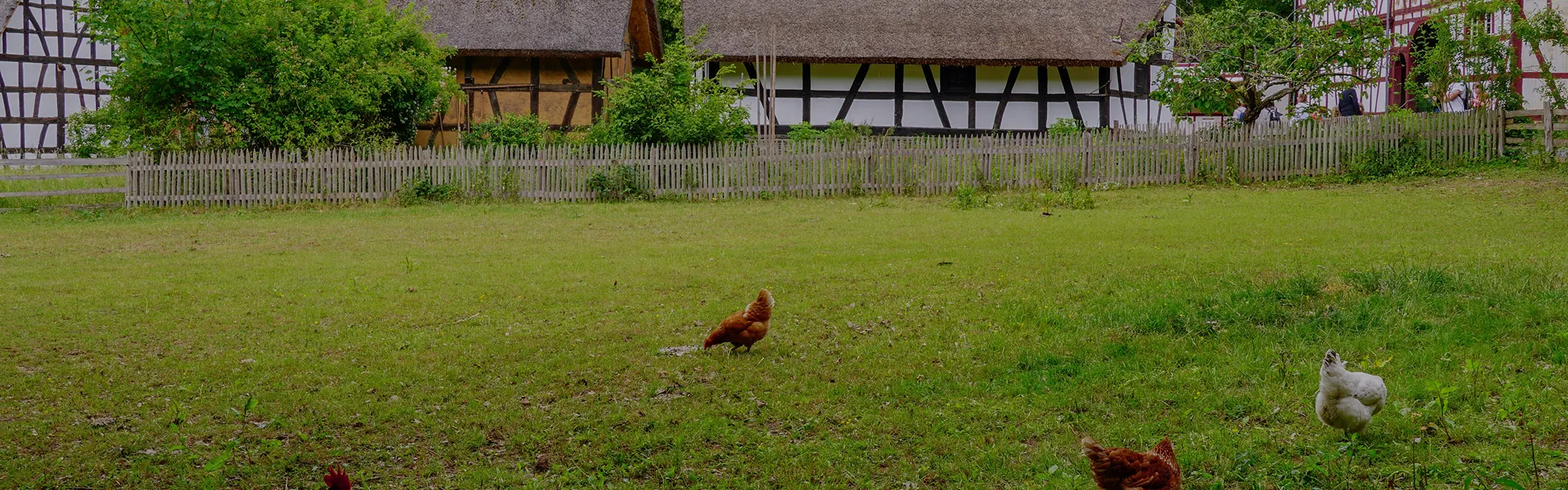
Floor rearing can work well, especially where bedding materials are cheap and labor is stable. But as farms grow, floor systems often struggle with wet areas, higher contact with manure, and more time spent walking the house to manage issues. Cage-based rearing reduces contact with manure and can simplify manure cleaning and daily observation—if you design it right.
Here’s a clear comparison you can share with an investor or farm manager:
| Topic | Broiler cage system | Floor system |
| Daily labor | Lower when you automate | Higher, more manual routines |
| Cleanliness | Manure separated faster | Litter management is constant |
| Expansion | Easier to scale in modules | Needs more floor area |
| Risk control | More stable workflow | Can vary more by litter quality |
Whatever you choose, follow welfare principles: good monitoring, proper space, and strong management practices. Global welfare guidance focuses on measurable outcomes and good system design.
Capacity depends on bird target weight, local rules, and management level. In many large farms, the reason buyers switch to an h type broiler cage is simple: more chickens per square meter of building footprint—without turning the house into a mess.
A practical way to talk about “per unit area” is to plan by modules:
Example planning table (illustrative only):
| Item | Option A | Option B |
| Tiers | 3 | 4 |
| Rows | 2–4 | 2–4 |
| Stocking approach | Conservative | Higher density (needs stronger ventilation) |
| Best fit | New farms | Mature farms with strong management |
Important: if you increase density, you must also adjust ventilation, and also check your feeder/drinker design. This is standard guidance in major broiler management references.
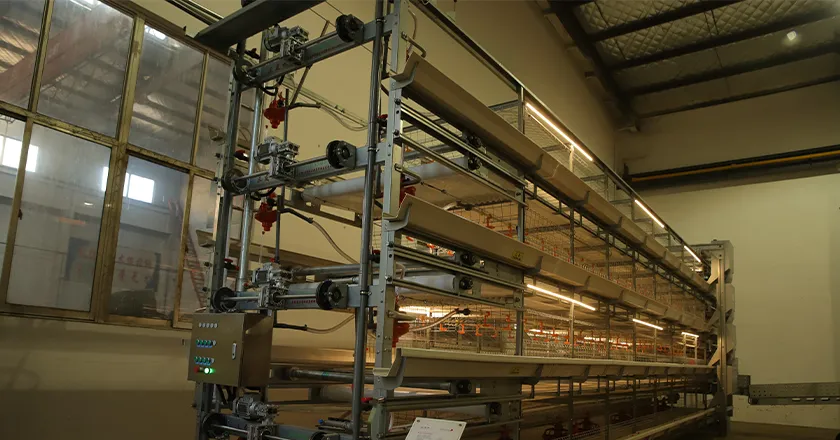
H type broiler cage
A modern broiler chicken cage performs well only when the chicken house supports it. In our engineering work, we treat the house as the “machine room” that protects the birds. A strong frame layout, correct aisle spacing, and clean utility routing matter as much as the cage itself.
Key house elements that make automation stable:
Welfare and performance are tightly linked to environment control. Many standards and guides emphasize the role of housing design, temperature control, and monitoring.
Automation should reduce stress, not create it. A good automatic feeding design delivers feed evenly, prevents long empty periods, and keeps competition low. For drinking, a reliable drinking system maintains water pressure and hygiene, especially during hot days or rapid growth phases.
When we integrate feeding and drinking into a turnkey plan, we focus on:
If you plan a semi-automatic setup first, you can still scale later. Many farms begin semi-automatic, then upgrade step-by-step toward full automation. The key is to plan utilities and space today so upgrades don’t break your house later.
Manure control is where cage systems can shine. A well-designed manure belt system separates manure quickly, helps keep the house more hygienic, and reduces odor peaks. Add automatic manure removal, and your team spends less time on heavy cleaning work.
Think about manure like this:
Simple workflow (common in large farms):
Welfare frameworks also push outcome-based checks (like footpad condition and overall health indicators). Cleaner conditions help you hit those goals.
In broiler farming, corrosion is not “a small issue.” It decides your lifespan cost. That’s why many buyers ask for hot-dip galvanized parts, especially in humid climates or where manure moisture stays high.
In our builds, we often specify:
A solid galvanize strategy also includes surface quality: good mesh, correct coating thickness, and stable welding points. With the right materials, cages are designed to stay corrosion-resistant in real farm conditions, not just in a showroom.
When people search “cages for sale,” they often compare prices first. That’s normal. But for a modern chicken farm, the smartest buying decision comes from a checklist that protects your production performance.
Buyer checklist (print this):
Red flags:
As a manufacturer and engineering supplier, we don’t just sell a broiler battery or a battery cage system part. We deliver a whole system—steel house + cage lines + climate + manure treatment—so your investment works as one project.
For large and medium-scale farms, installation quality often matters more than the catalog photo. Ask your supplier to show:
Ask these “hard questions”:
We treat after-sales service as part of the engineering package. That matters for investors and integrated poultry companies because downtime costs real money—fast.
Here’s a real-world style project snapshot (results vary by management, climate, and local rules):
Starting point: a coop, basic chicken coop layout, heavy manual work, uneven cleanliness
Goal: reduce labor intensity, stabilize rearing, and scale capacity
Solution approach (turnkey):
What changed (typical wins we target):
A simple “benefit chart” you can show a team:
Labor time per day: Manual ██████████
Upgraded █████
Manure handling: Manual █████████
Belt+conveyor ███
Process control: Manual ████
Automated chicken ████████
When you automate, keep it simple. Your goal is repeatable routines, not fancy gadgets.
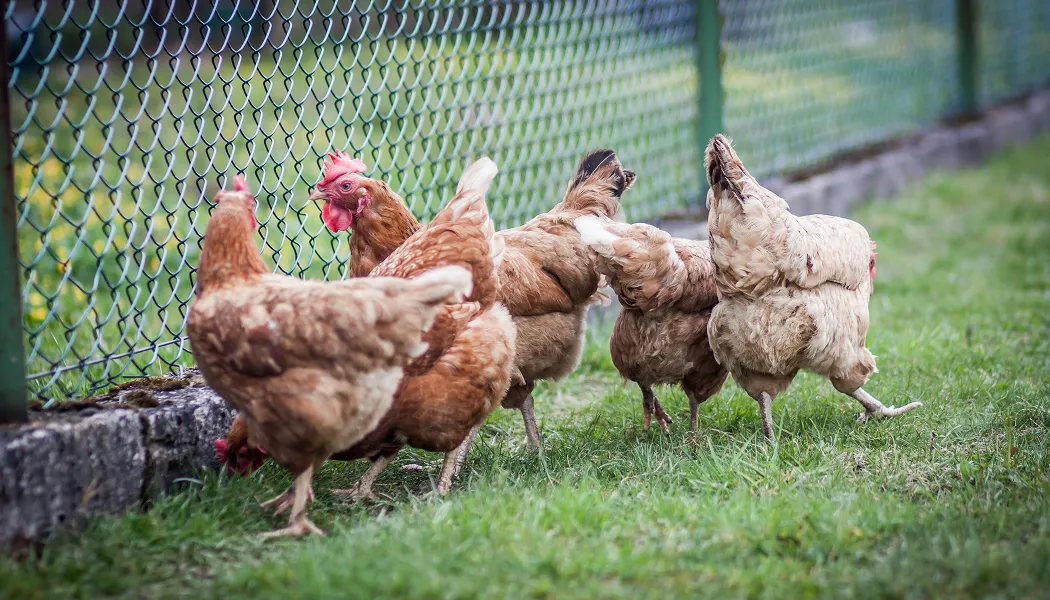
upgrading a coop chicken house into an automatic broiler cage system
Not exactly. “battery cage” is commonly linked with layer chicken systems. A broiler cage must handle faster growth, heavier birds, and different catching needs. Some people still say battery cages for broilers, but the design details should match broiler needs.
Large farms often prefer h type because it supports multi-layer layouts, stronger frames, and cleaner manure belt routing. The “best” choice depends on house width, service aisles, and your expansion plan.
Yes. Many projects begin semi-automatic and upgrade feeding, manure removal, and monitoring later. Plan utilities (power, water, space) early so upgrades stay easy.
Check coating method (hot-dip galvanized), structure strength, mesh quality, and the full cage system plan (manure belt + feeding + drinking + house airflow). Price alone can hide long-term risk.
Use routine belt schedules, clean water management, and simple daily checks. A good design reduces wet spots, improves hygiene, and supports healthy growth.
Yes, but you must align compartment size, feeder/drinker layout, and airflow plan with the bird type and target weight. We normally adjust drawings during the engineering stage.
If you tell me your target capacity, house size, climate (hot/cold/humid), and labor cost level, I can draft a practical broiler cage layout concept (tiers/rows), a system configuration list, and a buyer-ready RFQ checklist you can send to suppliers.
Choosing the wrong battery cage layout can lock your poultry farm into high labor, poor ai…
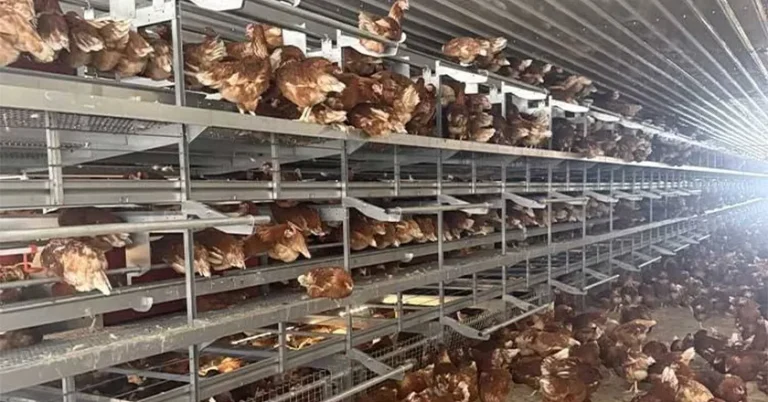
Deep litter vs battery cage system for egg production on a modern poultry farm: Explore wh…
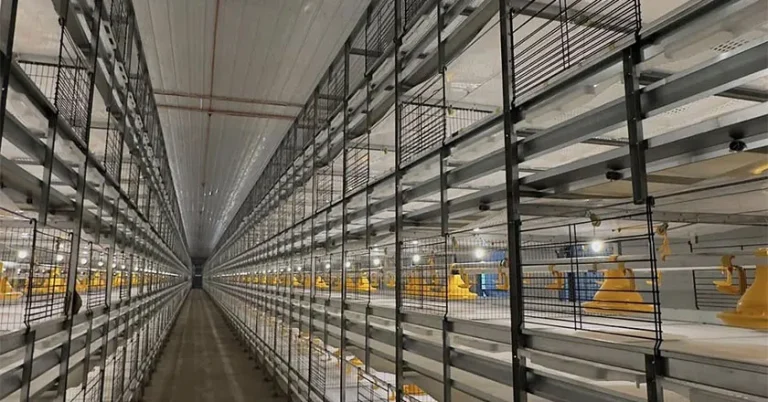
We will reply to your inquiry within 24 hours.For urgent inquiries, please contact us via WhatsApp: +86 133 6144 9578 or call us directly.
*We respect your privacy. All information submitted is strictly confidential.
Your details will only be used to respond to your inquiry. We never send unsolicited emails or promotional messages.