










A-Type vs H-Type Battery Cage: What’s the Difference (and Which One Fits Your Poultry Farm)?
Choosing the wrong battery cage layout can lock your poultry farm into high labor, poor ai…
 14:14
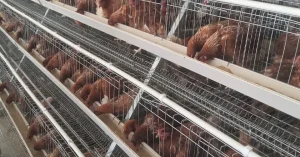
14:14 Feeding livestock by hand wastes time, feed, and money. Missed rations and uneven delivery hurt animal health and output. The solution is an automatic feeding system that automates feed delivery with precision, consistency, and real efficiency—every single day.An automatic feeding system is a smart solution that automates feed mixing, distribution, and delivery across a farm. By using automated feeding systems, farmers can improve feed efficiency, ensure precise rations, reduce labor, and increase productivity. These systems provide animals with consistent access to fresh feed throughout the day, helping optimize feed conversion and overall farm performance.
automatic feeding system
As a professional manufacturer and engineering supplier of turnkey poultry and rabbit farming systems, we design and deliver fully integrated feeding solutions for modern farms worldwide. In this guide, I’ll share practical insights—from real project experience—on how automatic feeding systems work, what components matter, and how automation helps farms scale efficiently and sustainably.
What is an automatic feeding system and how does it work?
Why automate feed delivery on modern farms?
How do feeding systems improve feed efficiency and feed conversion?
What components make up an automated feeding system?
Feeding robots and automation: hype or real productivity gains?
Precision feeding: how accurate feed distribution supports animal health
How automatic feeding systems fit different farm types
Installation, customization, and integration with existing production lines
Operational efficiency, labor savings, and long-term ROI
How to choose the right automatic feeding solution for your farm
An automatic feeding system is a fully or semi-automated setup designed to mix, transport, and distribute feed to animals with minimal manual input. Unlike traditional routines, these systems deliver feed automatically according to a programmed schedule and ration.
In practice, the system measures, mixes, and moves feed toward the feed fence or cage line automatically, ensuring consistent access to fresh feed throughout the day. On large-scale farm projects, this consistency alone can transform daily operations and reduce stress for both animals and farmers.
From our engineering perspective, automatic feeding systems are designed as part of a larger ecosystem that integrates housing, climate control, and manure handling—creating a truly automated farm solution.
Manual feeding is labor-intensive and prone to error. When feeding depends on people, results vary by routine, fatigue, and timing. By choosing to automate, farmers gain predictability and control.
Automation improves efficiency by reducing labor hours and minimizing feed waste. For large poultry and rabbit farms, this is not a small gain—it directly impacts operational costs and productivity. A reliable feeding strategy also supports animal group stability, which improves health and growth.
From my experience working with integrated poultry companies, farms that adopt automated feeding systems gain better data, smoother workflows, and more scalable operations.
Feed is the largest ongoing cost on any livestock or poultry farm. Advanced feeding systems optimize how feed is mixed, distributed, and consumed, directly improving feed conversion.
By delivering the right quantity at the right interval, automatic feeding reduces feed intake variation and supports more consistent consumption. This leads to better feed conversion and, in dairy operations, improved milk yields and milk production.
Even small improvements in feed efficiency can generate major financial returns over time—especially when scaled across a large production line.
A complete automated feed solution includes several key components working together:
Feeder units that distribute feed evenly
Central mixing units where feed ingredients mix precisely
Conveyors or tracks that deliver feed across the farm
Sensors and control software to manage timing and quantity
Structural elements made from stainless steel for hygiene and durability
Each component must be compatible and flexible enough to adapt to different shed layouts. As a manufacturer, we customize every component to match specific farm conditions and animal needs.
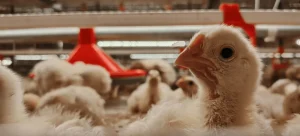
A feeding robot is one of the most visible innovations in automatic feeding. These robots move along programmed paths, distributing feed and even pushing the feed back toward animals.
In real-world farm projects, feeding robots deliver measurable productivity gains. They reduce human error, operate consistently throughout the day, and free farmers to focus on higher-value tasks. On high-capacity farms, a single robot can replace several manual feeding routines.
We’ve seen farms use feeding robots not as a novelty, but as a core tool for long-term efficiency and automation.
Precision feeding is about delivering feed precisely based on animal needs, not guesswork. An automatic feeding system enables precision by controlling ration size, mix quality, and time feeding intervals.
When feed distribution is precise, animals experience less competition, better digestion, and improved cow health or poultry performance. Consistent feed availability also supports stable health and milk outcomes in dairy operations.
Precision feeding is not just technology—it’s a smarter way to support animal welfare and maximize productivity.
Automatic feeding is not limited to one species or setup. These systems are used across poultry, rabbit, dairy cow, and even aquaculture operations.
In poultry farms, automated feed lines ensure uniform growth
In rabbit farms, precise rationing minimizes waste
In dairy cow sheds, feed robots support round-the-clock access
In fish operations, systems manage feeding your fish with high accuracy
Because systems allow flexible configuration, they can adapt to different production processes and animal group sizes.
Every farm is different. That’s why installation and customization matter as much as machinery itself. A good automatic feeding solution integrates seamlessly into existing production lines.
Our engineering team starts by analyzing shed layout, feed flow, and operational routines. From there, we customize the system to fit structural constraints while maintaining efficiency and flexibility.
This approach ensures that automation enhances operations rather than disrupting them.
One of the biggest advantages of automation is operational efficiency. Automated feeding systems reduce daily labor needs and create predictable routines.
Farmers often report lower operational stress, fewer feeding errors, and smoother daily workflows. Over time, labor savings, reduced feed waste, and improved productivity deliver strong ROI.
From a business standpoint, automation is not just a cost—it’s an investment in stability and sustainable growth.
Choosing the right solution starts with understanding your farm’s scale, animal type, and future goals. Not every system fits every operation.
Key factors to evaluate include:
Feed type and mix requirements
Desired level of automation
Compatibility with existing machinery
Long-term service and support
As a turnkey supplier, we help farmers customize solutions that grow with their farm and adapt to future innovation.
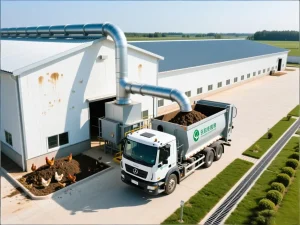
Manure removal system
What is an automatic feeding system used for?
It is used to automate feed mixing and delivery, ensuring consistent feed distribution with minimal labor.
Do automatic feeding systems really save feed?
Yes. They reduce waste, improve feed intake consistency, and support better feed conversion.
Can feeding robots replace manual labor completely?
In many cases, they significantly reduce manual work, though some supervision remains necessary.
Are automated feeding systems suitable for poultry and rabbit farms?
Absolutely. They are widely used in modern poultry and rabbit production systems.
How long does installation usually take?
Installation time depends on farm size and layout, but proper planning minimizes downtime.
Automatic feeding systems improve feed efficiency, consistency, and productivity.
Automation reduces labor while supporting better animal health.
Precision feeding leads to improved feed conversion and stable output.
Feeding robots deliver real, measurable efficiency gains.
Custom installation and integration ensure long-term success.
The right feeding solution supports sustainable farm growth.
Next Step:
If you’re planning a modern poultry or rabbit farming project, reach out to our engineering team. We’ll design a customized automatic feeding solution that fits your farm, your animals, and your long-term production goals.
Choosing the wrong battery cage layout can lock your poultry farm into high labor, poor ai…
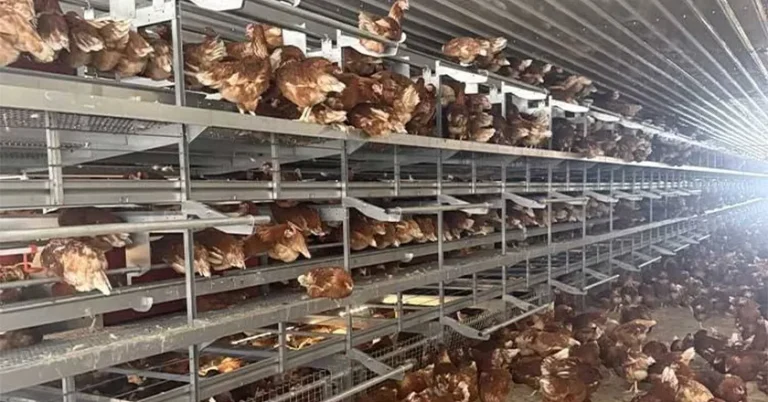
Deep litter vs battery cage system for egg production on a modern poultry farm: Explore wh…
We will reply to your inquiry within 24 hours.For urgent inquiries, please contact us via WhatsApp: +86 133 6144 9578 or call us directly.
*We respect your privacy. All information submitted is strictly confidential.
Your details will only be used to respond to your inquiry. We never send unsolicited emails or promotional messages.