










Sourcing Poultry Equipment Manufacturers in China: Buyer Guide
Sourcing poultry equipment from a Chinese manufacturer means controlling four variables di…


Scoprite le nostre ultime novità,
 08:39
08:39 Choosing the wrong cage system can lock your farm into high labor costs, compliance risks, or limited growth. This mistake shows up fast—uneven egg production, stressed flocks, and messy audits. The solution: understand the tradeoffs between welfare-enriched cages and automated battery cages, so you can pick the right system quickly and confidently.
Schema
What are welfare-enriched and automated battery cages in modern poultry farms?
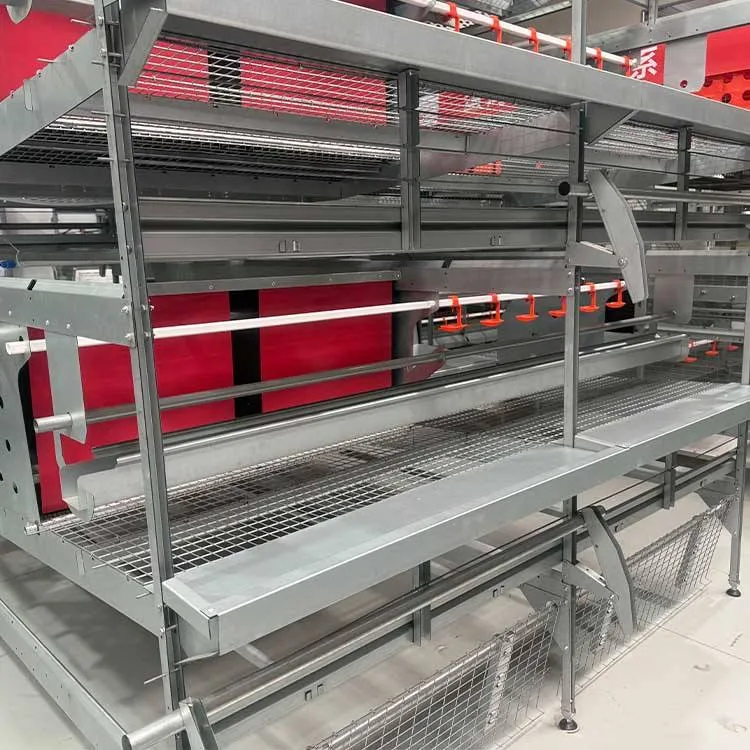
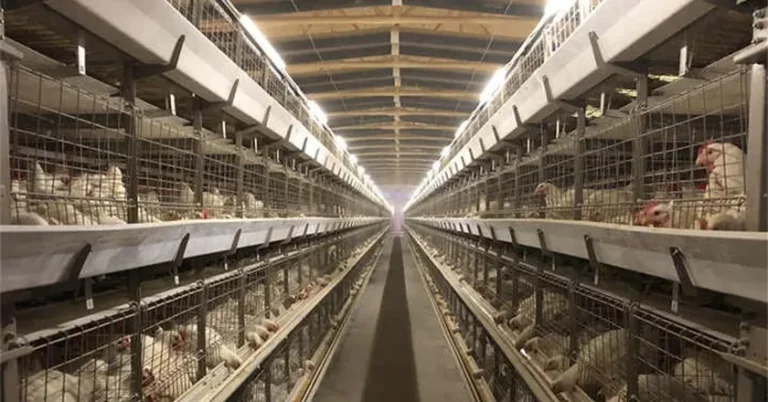
An automated battery cage system is a multi-tiered, space-efficient setup where hens live in defined cages, with automated feeding, drinking, egg collection, and manure removal lines. It’s designed for high-density, labor-light production, common in large-scale commercial layer farms.
A welfare-enriched cage system (also called enriched cages) meets strict animal welfare standards (e.g., EU Directive 2007/43/EC) by providing additional space, perches, nesting areas, and scratching zones. It balances production efficiency with animal welfare, making it essential for markets like the EU, Middle East, and North America.
Welfare-enriched vs. automated battery cages: what they look like, and why does cage structure matter?
Automated battery cages (often A-type or H-type) are built with simple frames (A-frame) or stacked vertical rows (H-frame). They use fewer materials, are easier to install in simple houses, and prioritize space efficiency.
Welfare-enriched cages are designed with larger internal spaces, perches, nest boxes, and scratching areas. The structure is more robust to support these features, and it often requires wider aisles for inspection and maintenance. This structure directly impacts airflow, manure management, and how easily you can upgrade automation later.
Here’s the practical point: the cage type changes your daily flow. It affects how air moves in the chicken house, how manure removal is handled, and how smoothly eggs travel to collection and packing.
Space utilization: which cage system uses the poultry house more efficiently?
If you’re tight on land area, space utilization becomes the make-or-break factor. Automated battery cages win on vertical stacking because they can run more tiers in a stable frame. That means more birds per building footprint—helpful for large-scale farms or investors aiming for high output per house.
Welfare-enriched cages require more space per bird (minimum 750 cm²/hen in the EU) and additional features like perches and nesting areas, which reduce the number of birds per square meter. This makes them less space-efficient but essential for compliance in regulated markets.
Simple rule of thumb:
If your project goal is “maximize birds per house,” automated battery cages are often easier to scale.
If your goal is “comply with strict welfare standards and access premium markets,” welfare-enriched cages are non-negotiable.
Automation readiness: feeding, egg collection, manure removal—what’s easier to optimize?
In a modern system, automation is not a luxury—it’s what protects your margin when wise rise and skilled labor is hard to find. The key automation modules include:
Egg collection (belt or rod systems)
Automatic feeding (hopper + auger/chain feed lines)
Nipple drinking lines
Manure removal (belt at the bottom, scraping, or drying options)
Automated battery cages are usually more “automation-friendly” because the frame supports straight-line belts and consistent alignment across tiers. In many designs, the belt at the bottom of each tier makes manure removal predictable and reduces ammonia buildup, which helps improve house hygiene.
Welfare-enriched cages can also integrate automated systems, but the extra internal features (perches, nest boxes) require more careful design to route belts and keep access safe. In some older-style houses, manual or semi-automatic routines are still used. That’s not “wrong”—it just means your automation upgrade path may be narrower.
Ventilation and climate control: which supports stable egg production?
Ventilation is one of the most underrated parts of a cage system decision. Even the best chicken cage can perform poorly in a hot, humid, or high-ammonia house. When airflow is uneven, birds cluster, stress rises, and egg production becomes unstable.
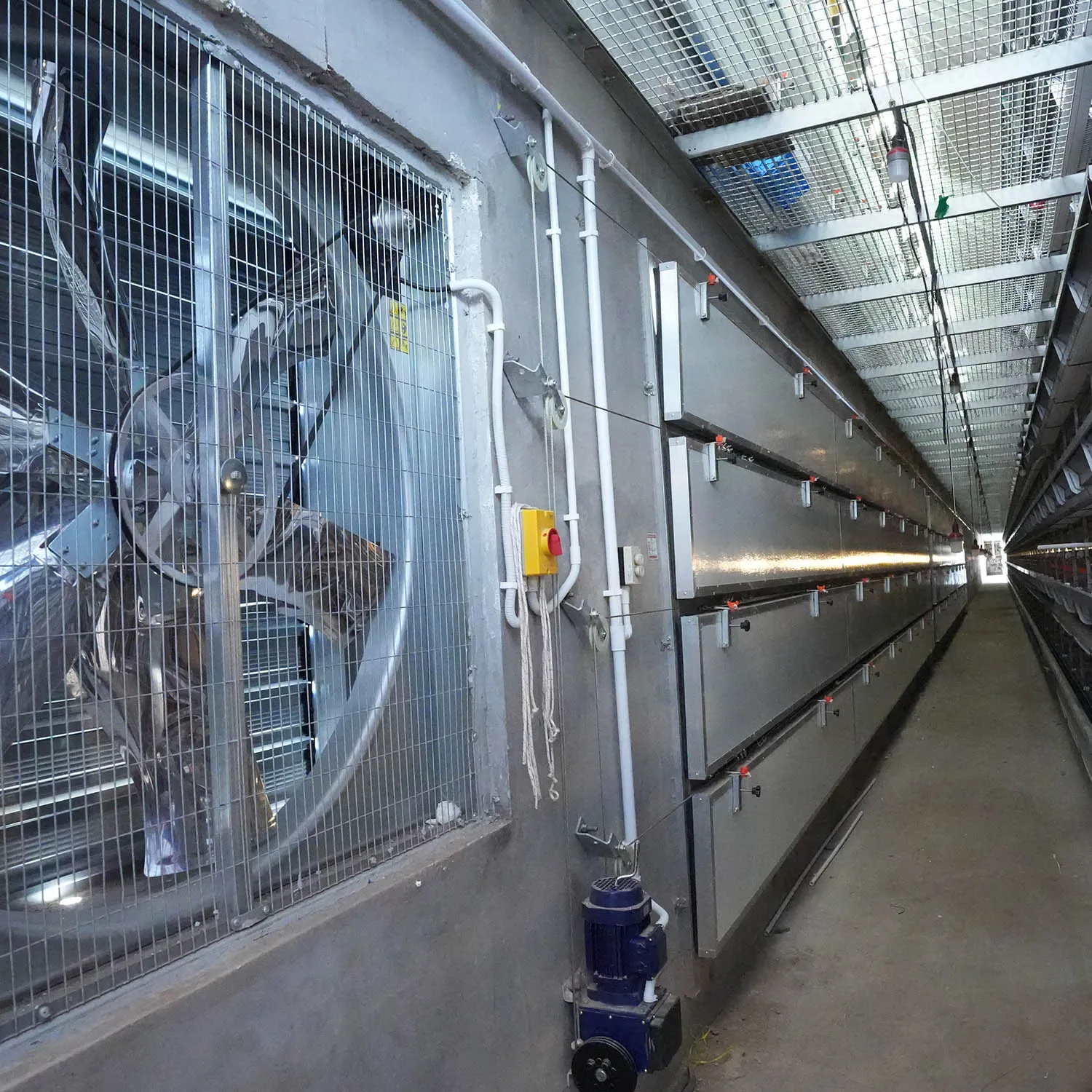
Automated battery cages (especially H-type) often pair well with tunnel ventilation and controlled inlets because rows and tiers can be arranged to maintain consistent air paths. That consistency helps you manage temperature and moisture more predictably. In high-density houses, better airflow control can improve productivity and reduce disease pressure.
Welfare-enriched cages work well with good ventilation design, but the larger internal spaces and additional features can create more airflow “dead zones.” This means you may need more fans, ducting, or cooling pads to maintain consistent conditions—especially in hot climates like Africa or Southeast Asia.
Reduce labor and labor costs: what changes in daily work?
Let’s talk about what your team actually does every day. A cage choice changes:
Automated battery cages reduce routine walking distance and simplify inspection routes because cage rows are uniform. That can reduce labor in egg collection, manure cleaning, and routine checks. Over time, that lowers costs and stabilizes staffing.
Welfare-enriched cages require more frequent inspections to ensure perches, nest boxes, and scratching areas are clean and functional. This can increase daily labor time, but it also helps you catch health issues earlier—reducing long-term risks.
Reality check: If your farm scales from 20,000 birds to 100,000+ birds, the daily labor gap becomes obvious. That’s where automated battery cages often become the long-term efficiency choice—unless welfare compliance is your top priority.
Bird welfare and flock management: what can you improve in each cage type?
Many buyers ask about bird welfare—and rightly so. Welfare is not only a policy issue; it affects flock health, stress, and consistent output. Both cage types can support good welfare if you control density, provide clean water, stable feed, proper lighting, and keep air quality high.
Here’s what matters most inside a chicken cage system:
In our engineering work, we often see welfare-enriched cages deliver more uniform conditions across tiers because automation and ventilation are easier to standardize. That supports stable performance for each laying hen group. If you’re supplying eggs into higher-standard markets, you’ll also want traceability and consistent operational control. A well-integrated system helps you document management routines and keep audit-ready processes.
Durability: galvanized wire mesh, weld quality, and service life
When buyers compare a poultry cage system, they sometimes focus only on layout. But durability is often where the real ROI lives. Ask about:
Automated battery cages are typically heavier and more rigid, which helps long-term stability in stacked cages. If your goal is “run this farm for many years and keep upgrading,” a rigid frame reduces headaches.
Welfare-enriched cages can still be very durable when built well—especially for moderate-scale farms. The important thing is to verify coating thickness, weld finishing, and manufacturing control. As a turnkey supplier, we build the cage system as part of the whole farming equipment package—so we focus on both materials and how they perform inside the house environment.
Production goals: egg production efficiency and house-level productivity
Your cage decision should match production goals—not trends. Ask yourself:
Automated battery cages support higher egg production efficiency across multiple houses. They’re selected for smoother egg transport, predictable feeding, and stable climate control—especially in larger houses. That’s why many integrated hyper-companies often become the default choice because they handle upgrades better—especially automation, long houses, and higher bird counts.
Welfare-enriched cages are a great solution for farms expanding step-by-step. If your strategy is to build one house now, prove performance, then expand, the simpler welfare-focused approach may feel safer—especially if you’re targeting premium markets.
Welfare-enriched vs. automated battery cages: side-by-side comparison table
| Articolo | Welfare-Enriched Cages | Automated Battery Cages |
| Structure | Larger internal space, perches, nest boxes, scratching zones | A-frame or H-frame, stacked tiers, minimal internal features |
| La soluzione più adatta | EU/Middle East markets, premium egg production, strict welfare compliance | Large-scale commercial farms, high-density production, cost efficiency |
| Automazione | Possible, but requires more careful design | Easier for full automation integration |
| Space utilization | Lower (more space per bird) | Higher (stacked tiers for more birds per m²) |
| Manure handling | Manual/semi-auto common, belt optional | Belt manure removal is common and clean |
| Ventilazione | Works well with good design, may need extra fans | Often easier to optimize across tiers |
| Long-term scalability | Moderate (limited by welfare space rules) | Strong for large-scale systems |
| Cost profile | Higher upfront, better long-term compliance | Lower upfront, stronger long-term efficiency |
Quick “decision chart”: which cage system should you choose?
Below is a simple visual to help you decide faster. (Long bar = stronger fit.)
Welfare-enriched cages
Automated battery cages
Case study: two farms, two choices (and why both are “right”)
Case 1: Medium farm targeting EU markets (welfare-enriched cages)
A regional operator wanted to export eggs to Germany and France, where strict welfare rules apply. They chose welfare-enriched cages with automated feeding, drinking, and egg collection. Their priority was compliance, traceability, and access to premium pricing. The result: smooth audits, consistent egg quality, and long-term partnerships with European buyers.
Case 2: Integrated poultry company scaling fast (automated battery cages)
A large group aimed for 100,000+ birds across 5 houses. They selected automated H-type battery cages with full automation. Their priority was predictable productivity and reduced labor. The result: easier standard operating procedures, cleaner houses, and a simpler path to add new houses using the same blueprint.
As a turnkey supplier, our job is to match the right cage system to your farm size, labor situation, and future expansion plan—not to push one design for everyone.
Step-by-step: how to compare welfare-enriched and automated battery cages fast
Here’s a simple, engineer-friendly method we use when a buyer says, “I need to decide this week”:
Domande frequenti
Is welfare-enriched always better for bird health?
Not necessarily. Both systems can support good health if managed well. Welfare-enriched cages meet regulatory standards, but automated battery cages can also provide clean, stable conditions—especially with good ventilation and manure management.
Can I upgrade from automated to welfare-enriched later?
In many cases, yes—but it depends on house layout and the original cage design. If you plan upgrades, tell your supplier early so the cage system is built with future routes for feeding, egg belts, and manure removal.
What about zinc coating, welds, or corrosion?
Ask your supplier to prove how properly the parts are galvanized, the quality of weld points, and the wire finishing on the mesh. Also confirm that the cage system is designed for your local humidity and cleaning routine.
Does a better cage system reduce labor costs?
Yes—especially when you integrate automation for feeding, egg collection, and manure removal. A well-designed system can reduce labor and stabilize output, which is why many farms treat it as a long-term productivity investment.
Key takeaways (save this)
If you have a specific farm size or target market, I can turn this framework into a one-page recommendation that compares two types of cage layouts side-by-side.
Sourcing poultry equipment from a Chinese manufacturer means controlling four variables di…
A steel structure poultry house is a prefabricated steel building designed for layer, broi…
Risponderemo alla vostra richiesta entro 24 ore. Per richieste urgenti, contattateci via WhatsApp: +86 133 6144 9578 o chiamateci direttamente.
*Rispettiamo la vostra privacy. Tutte le informazioni inviate sono strettamente confidenziali.
I vostri dati saranno utilizzati solo per rispondere alla vostra richiesta. Non inviamo mai e-mail non richieste o messaggi promozionali.