










Sourcing Poultry Equipment Manufacturers in China: Buyer Guide
Sourcing poultry equipment from a Chinese manufacturer means controlling four variables di…


Consultez nos dernières nouvelles,
 17:00
17:00 A Direct Answer: What is the Cage System in Poultry?
The cage system in poultry is a method of intensive animal husbandry where birds, primarily egg-laying hens (layers) and meat chickens (broilers), are housed in wire enclosures. The primary goal of this system is to maximize production efficiency, improve hygiene, and automate farm management processes within a controlled environment. By housing birds in stacked or arranged cages, farms can achieve a higher stocking density and streamline operations like feeding, watering, and waste removal.
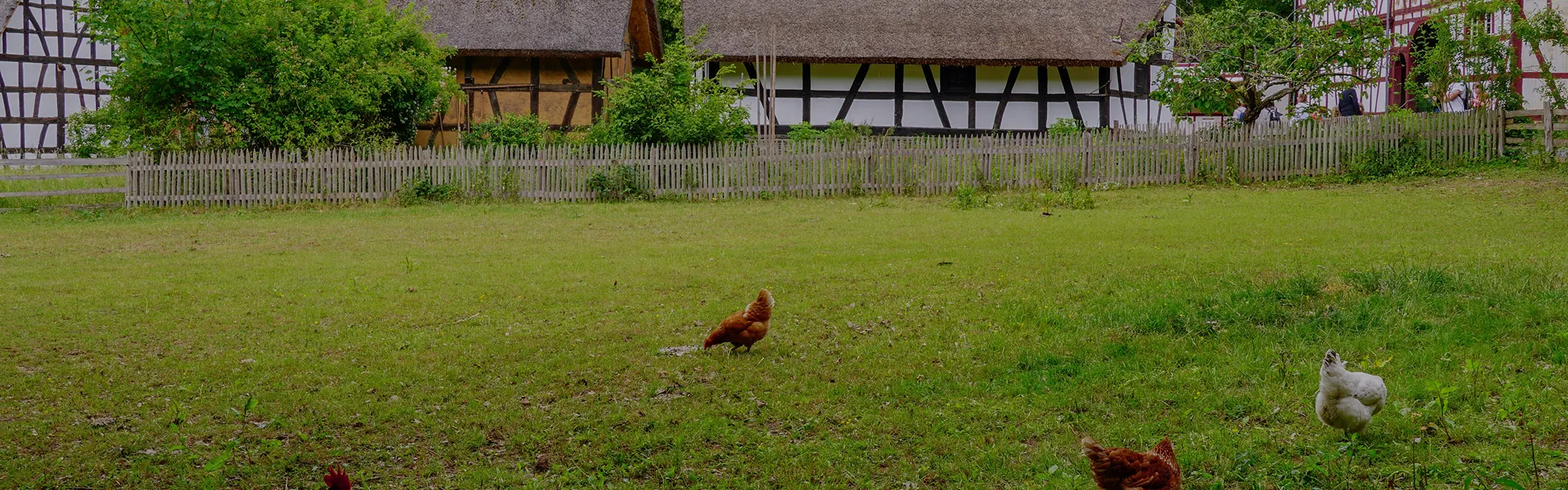
The choice of a housing system involves a critical trade-off between production economics and animal welfare. The three main categories of housing are conventional battery cages, which offer maximum efficiency but severely restrict behavior; enriched or furnished cages, which provide more space and amenities to improve welfare; and cage-free alternatives (like barn, aviary, or free-range systems), which allow natural behaviors but come with higher production costs and different management challenges. The optimal system for a given farm depends on regional regulations, market demands, capital investment, and management expertise.
The design and features of a cage system are tailored to the specific type and age of the poultry. Understanding these differences is key to grasping their intended function and limitations.
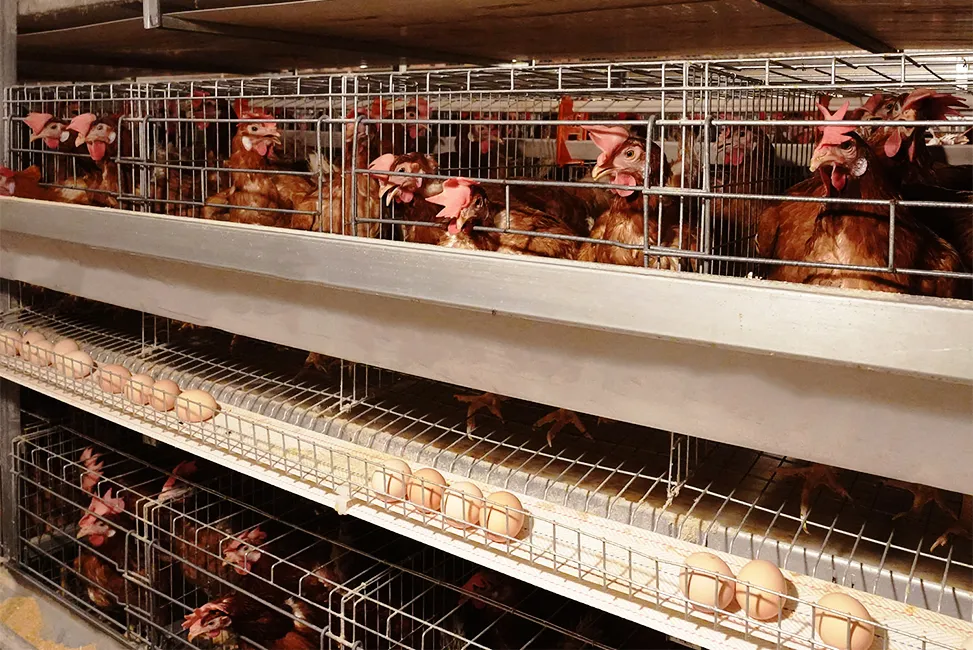
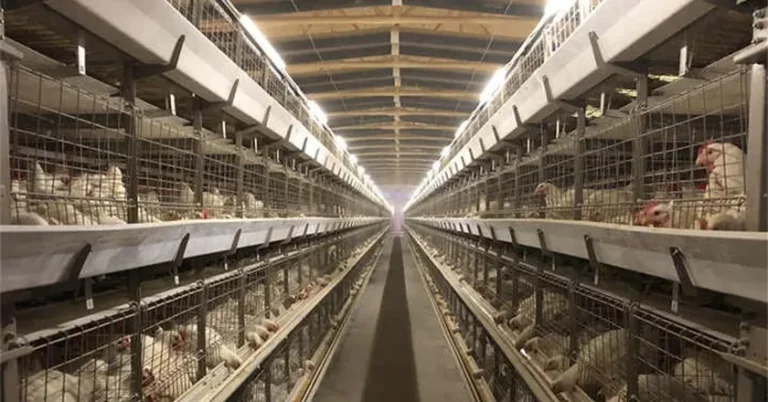
This is the traditional model of intensive egg production. It consists of small, barren wire cages housing several hens. These are typically arranged in long, multi-tiered rows, with modern designs like H-type automatic layer battery cages maximizing the use of vertical space in a poultry house. Key features include sloped floors that allow eggs to roll forward onto collection belts and integrated, automated feeding and watering lines. While highly efficient from a space and labor perspective, this system is the subject of significant animal welfare criticism due to extreme confinement.
Developed in response to welfare concerns and legislation like the EU-wide ban on conventional cages, enriched cages are a mandatory standard in many regions. They provide a larger space allowance per bird and include amenities designed to accommodate key natural behaviors. These enrichments typically include:
While still a form of confinement, this system offers scientifically recognized welfare improvements over conventional cages.
The Main Types of Poultry Cage Systems Explained
The widespread adoption of cage systems was driven by clear operational and economic benefits, which remain relevant in discussions of global food production.
The primary disadvantages of cage systems, particularly conventional models, revolve around animal welfare and the restriction of innate behaviors.
There is no single “best” system; each presents a different profile of benefits and challenges. The following table provides a comparative analysis based on scientific studies and industry data.
| Indicator | Conventional Cages | Enriched Cages | Cage-Free (Barn/Aviary) Systems | Key Management Considerations |
| Behavioral Freedom | Severely Restricted | Partially Accommodated | Fully Accommodated | Cage-free systems require enrichment (e.g., bales of straw) to prevent injurious behaviors like feather pecking. |
| Bone Strength | Poor (High Osteoporosis Risk) | Improved | Good (Strongest Bones) | Higher activity in cage-free systems increases the risk of keel bone fractures from collisions with structures. |
| Taux de mortalité | Generally Low to Moderate | Generally Low to Moderate | Highly Variable; Can Be Higher | Higher mortality in cage-free systems is often linked to cannibalism, disease outbreaks in litter, and predation (in free-range). Experienced management is critical. |
| Production Cost | Baseline (Lowest) | Moderately Higher | Significantly Higher | Higher costs in cage-free are driven by larger building footprints, more complex infrastructure, higher labor needs (e.g., collecting floor eggs), and typically higher feed consumption. |
| Food Safety Risk | Lower (Less Fecal Contact) | Plus bas | Higher Potential Risk | Eggs from cage-free systems can have higher microbial loads if nest boxes are not properly managed, as eggs may be laid on contaminated litter. |
The global poultry industry is at a crossroads, with powerful forces pushing it away from conventional cages.
How Regulations and Markets are Shaping Poultry Housing
The cage system in poultry farming is not a single entity but a spectrum of technologies with distinct impacts on efficiency, animal welfare, and economics. While conventional cages offer unmatched production density and operational simplicity, they fail to meet modern standards for animal welfare. Enriched cages represent a compromise, improving welfare outcomes while retaining many of the efficiencies of a caged environment.
The global trend is undeniably moving towards cage-free systems, driven by both legislation and market demand. However, these systems are not a simple solution; they require higher capital investment, more skilled labor, and proactive management of different health and welfare challenges, such as bone fractures and injurious pecking. For poultry producers, the decision is no longer just about cost per egg but about navigating a complex framework of regulations, supply chain requirements, and long-term sustainability.
Sourcing poultry equipment from a Chinese manufacturer means controlling four variables di…
A steel structure poultry house is a prefabricated steel building designed for layer, broi…
Nous répondrons à votre demande dans les 24 heures. Pour les demandes urgentes, veuillez nous contacter via WhatsApp : +86 133 6144 9578 ou nous appeler directement.
*Nous respectons votre vie privée. Toutes les informations fournies sont strictement confidentielles.
Vos coordonnées ne seront utilisées que pour répondre à votre demande. Nous n'envoyons jamais d'e-mails ou de messages promotionnels non sollicités.