











Sourcing Poultry Equipment Manufacturers in China: Buyer Guide
Sourcing poultry equipment from a Chinese manufacturer means controlling four variables di…

আমাদের সর্বশেষ খবর দেখুন,
 17:30
17:30 খারাপ ফিড বা শস্য সংরক্ষণ অপচয়, আর্দ্রতার সমস্যা, খাওয়ানোর ধীরগতি এবং খামারের খরচ বৃদ্ধি করতে পারে। আধুনিক পোল্ট্রি, খরগোশ, দুগ্ধ ও ফসল খামারের জন্য সঠিক সাইলো নির্বাচন শুধুমাত্র সংরক্ষণের বিষয় নয়। এটি ফিড নিরাপত্তা, শ্রম দক্ষতা এবং দীর্ঘমেয়াদী প্রকল্পের মূল্যকে প্রভাবিত করে।.
সাইলোর তিনটি প্রধান ধরন হল টাওয়ার সাইলো, বাঙ্কার সাইলো এবং ব্যাগ সাইলো। টাওয়ার সাইলোগুলো উলম্ব নলাকার কাঠামো যা সাইলেজ, শস্য এবং বাল্ক উপকরণ সংরক্ষণের জন্য ব্যবহৃত হয়। বাঙ্কার সাইলো হল খনন-শৈলী বা প্রাচীর-সমর্থিত সংরক্ষণ ব্যবস্থা, যা ট্র্যাক্টর ও লোডার দিয়ে ভর্তি করা হয়। ব্যাগ সাইলো নমনীয়, অস্থায়ী বা মৌসুমি সংরক্ষণের জন্য দীর্ঘ ভারী প্লাস্টিক নল ব্যবহার করে। ওরেগন স্টেট ইউনিভার্সিটির ফোরাজ ইনফরমেশন সিস্টেমও টাওয়ার সাইলো, বাঙ্কার সাইলো এবং ব্যাগ সাইলোকে ব্যাপকভাবে ব্যবহৃত সাইলো ধরন হিসেবে চিহ্নিত করে।.
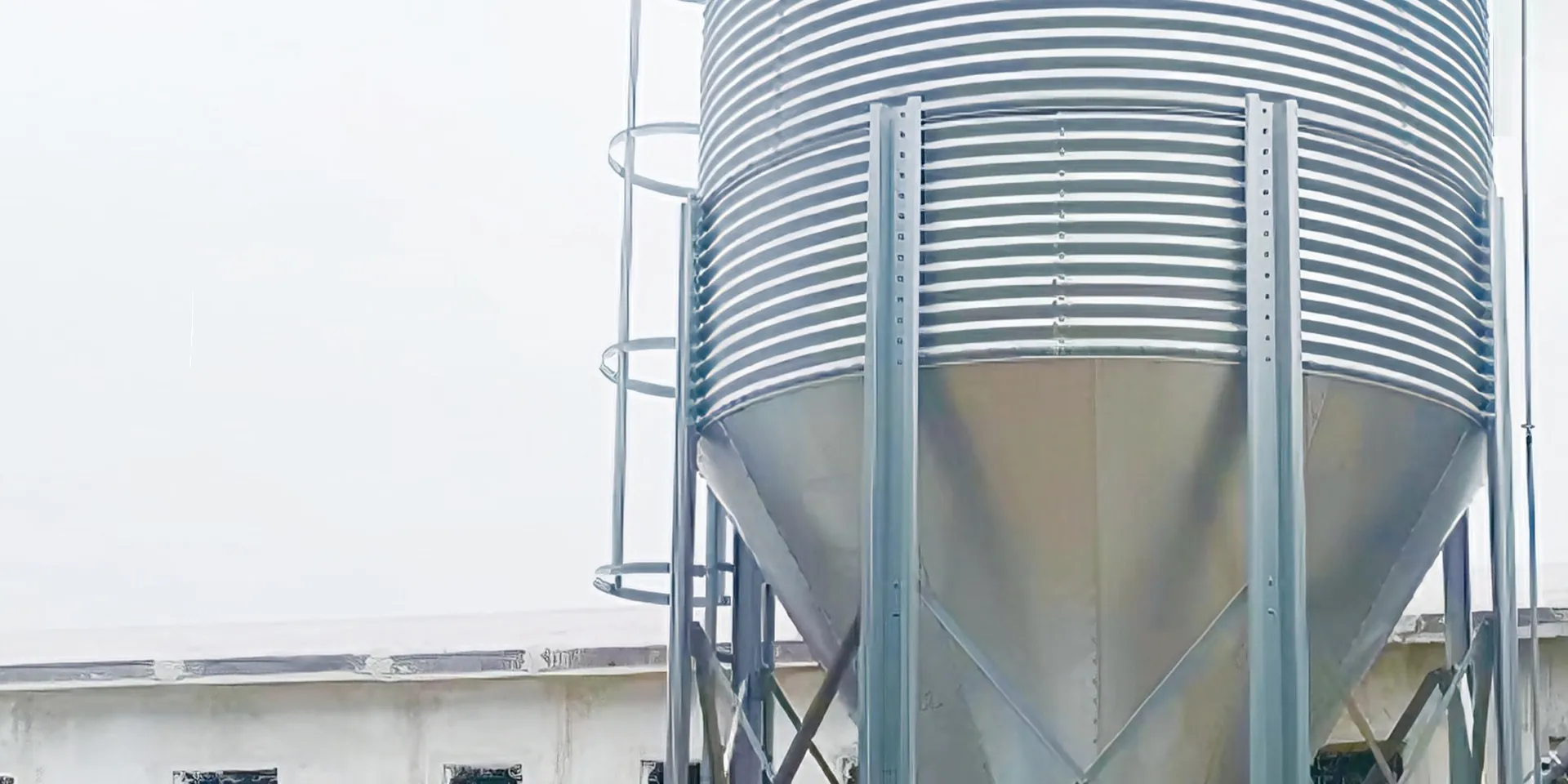
সিলো কী?
সাইলোর তিনটি প্রধান ধরন কী কী?
টাওয়ার সাইলো কী?
বাঙ্কার সাইলো কী?
ব্যাগ সাইলো এবং সাইলো ব্যাগ কী?
শস্যের বিন কি সিলোসের মতোই?
মেটাল সাইলো এবং শঙ্কু-তলাযুক্ত মেটাল সাইলো কী?
সিমেন্ট সিলো এবং কাস্টম ধাতব সিলো কীভাবে ব্যবহৃত হয়?
কৃষিক্ষেতের জন্য সঠিক ধরনের সাইলো কীভাবে নির্বাচন করবেন?
আধুনিক পোল্ট্রি ও খরগোশের খামারে কেন ফিড সংরক্ষণ সিলো প্রয়োজন?
সাইলো হল একটি কাঠামো যা বাল্ক উপকরণ সংরক্ষণের জন্য ব্যবহৃত হয়। কৃষিক্ষেত্রে, একটি সাইলোতে শস্য, পশুখাদ্য বা ফারমেন্টেড ফরেজ (যা সাইলিজ নামে পরিচিত) সংরক্ষণ করা যেতে পারে। শিল্প প্রকল্পে সিমেন্ট, গুঁড়ো, পেলেট এবং অন্যান্য বাল্ক উপকরণ সংরক্ষণের জন্যও সাইলো ব্যবহার করা যেতে পারে। ওরেগন স্টেট ইউনিভার্সিটি সাইলোকে বাল্ক উপকরণ সংরক্ষণের জন্য ব্যবহৃত কাঠামো হিসেবে বর্ণনা করে এবং কৃষিক্ষেত্রে শস্য ও সাইলিজ সংরক্ষণে এর ব্যবহার উল্লেখ করে।.
সরলভাবে বলতে গেলে, একটি সাইলো উপাদানকে সুশৃঙ্খলভাবে সংরক্ষণ, সুরক্ষিত রাখা এবং সহজেই আনলোড করা সহজ করে তোলে। একটি খামার শস্য, যৌগিক ফিড, ভুট্টার সাইলিজ বা পশু উৎপাদনের কাঁচামাল সংরক্ষণের জন্য সাইলো ব্যবহার করতে পারে। একটি প্রক্রিয়াকরণ কারখানা পাউডার, পেলেট বা কাঁচামাল সংরক্ষণের জন্য স্টোরেজ সাইলো ব্যবহার করতে পারে।.
বড় এবং মাঝারি আকারের পোল্ট্রি ও খরগোশের খামারে, ফিড সংরক্ষণ সম্পূর্ণ উৎপাদন ব্যবস্থার অংশ। একটি সাইলো-কে এর সাথে একসঙ্গে কাজ করা উচিত। স্টীল-কাঠামোর বাড়ি, খাঁচা ব্যবস্থা, স্বয়ংক্রিয় খাওয়ানোর লাইন, পানীয় ব্যবস্থা, জলবায়ু নিয়ন্ত্রণ, এবং গোবর প্রক্রিয়াকরণ যন্ত্রপাতি।.
সাইলোর তিনটি প্রধান ধরন হল:
| মূল ধরন | গঠন | সাধারণ ব্যবহার | প্রধান সুবিধা |
|---|---|---|---|
| টাওয়ার সাইলো | উঁচু উলম্ব নলাকার কাঠামো | সাইলেজ, শস্য, বাল্ক সংরক্ষণ | ভূমি স্থান বাঁচায় এবং উল্লম্ব সংরক্ষণকে সমর্থন করে |
| বাঙ্কার সিলো | মাটি-স্তরের খনন বা কংক্রিট-দেয়াল সংরক্ষণ | সাইলেজ এবং বৃহৎ পরিমাণের ফিড সংরক্ষণ | ট্র্যাক্টর ও লোডার দিয়ে সহজে লোডিং |
| ব্যাগ সাইলো | দীর্ঘ ভারী প্লাস্টিকের সংরক্ষণ নল | সাইলেজ, শস্য, মৌসুমি সংরক্ষণ | নমনীয়, কম প্রাথমিক বিনিয়োগ |
এই ৩টি প্রধান ধরনের সিলো বিভিন্ন খামার পরিস্থিতির জন্য ব্যবহৃত হয়। একটি টাওয়ার সিলো সংক্ষিপ্ত ও উলম্ব। একটি বঙ্কার সিলো প্রচুর পরিমাণ সাইলিজের জন্য ব্যবহারিক। একটি ব্যাগ সিলো নমনীয় এবং প্রায়ই খামারগুলো অস্থায়ী বা অতিরিক্ত সংরক্ষণ প্রয়োজন হলে ব্যবহৃত হয়।.
তবে ক্রেতারা ধাতব সাইলো, শস্য সাইলো, কংক্রিট সাইলো, সিমেন্ট সাইলো, শঙ্কু-তলাযুক্ত ধাতব সাইলো, কম-অক্সিজেন সাইলো, শস্য বিন এবং কাস্টম ধাতব সাইলো সিস্টেমের মতো শব্দও শুনতে পারেন। এগুলো সবসময় আলাদা “প্রধান ধরন” নয়। কিছু কিছুতে উপাদান, গঠন, নীচের নকশা, সংরক্ষিত পণ্য বা শিল্প ব্যবহারের ধরন বর্ণনা করা হয়।.
টাওয়ার সাইলো হল একটি উঁচু, সাধারণত সিলিন্ড্রিক্যাল আকৃতির সংরক্ষণ কাঠামো। ওরেগন স্টেট ইউনিভার্সিটি সংরক্ষণ সাইলোকে সিলিন্ড্রিক্যাল কাঠামো হিসেবে বর্ণনা করে এবং উল্লেখ করে যে টাওয়ার সাইলো কাঠের স্টেভ, কংক্রিটের স্টেভ, ঢালা কংক্রিট এবং ইস্পাত প্যানেলের মতো উপকরণ দিয়ে তৈরি করা যেতে পারে।.
উর্ধ্বমুখী সংরক্ষণের প্রয়োজন এমন খামারগুলোতে টাওয়ার সাইলো সাধারণ। এগুলো সাইলেজ এবং কিছু ক্ষেত্রে শস্য বা অন্যান্য বাল্ক উপকরণ সংরক্ষণ করতে পারে। সাইলোর নকশার ওপর নির্ভর করে উপকরণগুলো যান্ত্রিক আনলোডার, কনভেয়ার, অগার বা অন্যান্য হ্যান্ডলিং সিস্টেমের মাধ্যমে নামানো যেতে পারে।.
টাওয়ার সাইলো মাটি সংরক্ষণ করতে পারে কারণ এটি উপকরণকে উলম্বভাবে সংরক্ষণ করে। তবে এর জন্য সঠিক নকশা, নিরাপদ প্রবেশপথ, কাঠামোগত দৃঢ়তা এবং উপযুক্ত আনলোডিং সরঞ্জাম প্রয়োজন। পুরনো কংক্রিট স্টেভ সাইলোগুলো ব্যবহার পরিবর্তনের আগে সতর্কতার সঙ্গে পরীক্ষা করতে হবে।.
পারডিউ এক্সটেনশন সতর্ক করে যে শুকনো শস্য সাইলিজের তুলনায় সাইলো দেয়ালে বেশি চাপ সৃষ্টি করতে পারে, তাই পুরনো সাইলিজ সাইলো শুকনো শস্য সংরক্ষণের জন্য ব্যবহার করার আগে এর কাঠামোগত দৃঢ়তা পরীক্ষা করে নিতে হবে।.
একটি বাঙ্কার সাইলো সাধারণত মাটির সমতলে অবস্থিত একটি সংরক্ষণ কাঠামো। এটি কংক্রিটের দেয়াল, একটি খন্দক বা সাইলিজ ভর্তি করার জন্য ডিজাইন করা একটি খোলা সংরক্ষণ এলাকা দিয়ে তৈরি হতে পারে। বাঙ্কার সাইলোগুলো ট্র্যাক্টর ও লোডার ব্যবহার করে ভরাট ও সংকুচিত করা হয়, তারপর ফারমেন্টেশনের জন্য বায়ুরোধী পরিবেশ তৈরি করতে ঢেকে দেওয়া হয়। ওরেগন স্টেট বঙ্কার সাইলোকে সাধারণত কংক্রিটের দেয়ালবিশিষ্ট খননখাল হিসেবে বর্ণনা করে, যা ট্র্যাক্টর ও লোডার দিয়ে ভরাট করে প্লাস্টিক ত্রিপলে ঢেকে রাখা হয়।.
বঙ্কರ್ সাইলো বড় সাইলেজ পরিচালনার জন্য ব্যাপকভাবে ব্যবহৃত হয়। এগুলো দ্রুত ভর্তি ও খালি করার সুবিধা দেয়, বিশেষ করে যখন খামারগুলো বড় পরিমাণ ফিড পরিচালনা করে। যখন খামারে পর্যাপ্ত জমি থাকে এবং যন্ত্রপাতি সহজে প্রবেশের সুবিধা চায়, তখন বঙ্কರ್ সাইলো টাওয়ার সাইলোর তুলনায় বেশি উপযুক্ত হতে পারে।.
মূল বিষয় হল কম্প্যাকশন। সাইলিজ সঠিকভাবে ফারমেন্ট করার জন্য ভালোভাবে চেপে ভরাট করতে হবে। যদি ভিতরে অনেক বাতাস থেকে যায়, গুণগত মান কমে যেতে পারে। খামার মালিকদের জন্য বঙ্কার সাইলো ব্যবস্থাপনায় সঠিক ভরাট, প্যাকিং, ঢেকে রাখা এবং আনলোডিং অনুশীলন প্রয়োজন।.
ব্যাগ সাইলো, যেগুলোকে সাইলো ব্যাগও বলা হয়, ভারী প্লাস্টিক দিয়ে তৈরি দীর্ঘ সংরক্ষণ নল। এগুলো বিশেষ সরঞ্জাম দিয়ে ভরা হয় এবং দুই প্রান্তে সিল করা হয়। ওরেগন স্টেট ব্যাগ সাইলোকে ভারী প্লাস্টিকের নল হিসেবে বর্ণনা করে, যেগুলো মেশিন দিয়ে ভর্তি করা যায় এবং ট্র্যাক্টর, লোডার বা স্কিড-স্টিয়ার লোডার দিয়ে খালি করা যায়।.
ব্যাগ সাইলো তখনই কার্যকর যখন খামারগুলোকে নমনীয় সংরক্ষণক্ষমতা প্রয়োজন। এগুলো মৌসুমি ফসল সংরক্ষণ, জরুরি অতিরিক্ত স্থান, অস্থায়ী শস্য সংরক্ষণ বা সাইলিজ সংরক্ষণের জন্য ব্যবহার করা যেতে পারে। টাওয়ার বা বঙ্কার সাইলোর তুলনায় এগুলোর জন্য স্থায়ী নির্মাণের প্রয়োজন কম।.
ওহাইও স্টেট ইউনিভার্সিটি এক্সটেনশন উল্লেখ করেছে যে শস্যের ব্যাগ খামারে বিকল্প সংরক্ষণ পদ্ধতি হতে পারে এবং স্থায়ী বিন নির্মাণের তুলনায় এটি আরও সাশ্রয়ী হতে পারে, যদিও এর জন্য ব্যাগার ও আনলোডার-এর মতো সরঞ্জাম প্রয়োজন।.
| বৈশিষ্ট্য | ব্যাগ সাইলো |
|---|---|
| গঠন | ভারী প্লাস্টিকের নল |
| বিনিয়োগ | সাধারণত স্থায়ী কাঠামোর তুলনায় কম |
| নমনীয়তা | উচ্চ |
| প্রয়োজনীয় যন্ত্রপাতি | ব্যাগার এবং আনলোডার |
| সেরা ব্যবহার | মৌসুমি সংরক্ষণ, অতিরিক্ত সংরক্ষণ, অস্থায়ী সম্প্রসারণ |
| সীমাবদ্ধতা | প্লাস্টিকের ব্যাগ ব্যবহারের পর ফেলে দিতে হয় এবং ব্যবহারের পর তা সঠিকভাবে পরিচালনা করতে হয়। |
ব্যাগ সাইলো ব্যবহারিক, তবে প্রতিটি খামারের জন্য দীর্ঘমেয়াদে এগুলো সবসময় সেরা সমাধান নয়। এগুলোর জন্য সঠিক জমি প্রস্তুতি, যত্নসহকারে সিলিং, কীটপতঙ্গ নিয়ন্ত্রণ এবং আনলোডিং ব্যবস্থাপনা প্রয়োজন।.
অনেকে “গ্রেন বিন” এবং “সিলো” শব্দগুলোকে একই অর্থে ব্যবহার করেন, কিন্তু এদের মধ্যে একটি ব্যবহারিক পার্থক্য রয়েছে। গ্রেইন বিন সাধারণত শুকনো শস্য যেমন ভুট্টা ও সয়াবিন সংরক্ষণ করে। সাইলোগুলো ঐতিহ্যগতভাবে সাইলিজ সংরক্ষণ করে, যা প্রধানত গবাদিপশুর জন্য ব্যবহৃত ভেজা ফারমেন্টেড ফিড। ইলিনয় ফার্ম ব্যুরো পার্টনার্স ব্যাখ্যা করে যে গ্রেইন বিন সাধারণত শুকনো ভুট্টা ও সয়াবিন সংরক্ষণ করে, আর সাইলোগুলো ঐতিহ্যগতভাবে সাইলিজ সংরক্ষণ করে।.
তবে দৈনন্দিন কথ্য ভাষায় এই শব্দগুলো একে অপরের সাথে মিশে যেতে পারে। কিছু ক্রেতা যেকোনো উঁচু সংরক্ষণ কাঠামোকে “সাইলো” বলে ডাকে। অন্যরা শুকনো শস্যের জন্য “বিন” এবং সাইলিজ বা পশুখাদ্যের জন্য 'সাইলো' ব্যবহার করে।.
পোল্ট্রি ও খরগোশের খামারের জন্য, সবচেয়ে প্রাসঙ্গিক কাঠামো প্রায়ই একটি খাদ্য সিলো. এটি ধাতব শস্যের গ্রেইন বিনের মতো দেখালেও, এটি স্বয়ংক্রিয় খাওয়ানোর সিস্টেমে ফিড সংরক্ষণ ও নিষ্কাশনের জন্য ডিজাইন করা হয়েছে। সেই ক্ষেত্রে, সাইলোটি কেবল একটি সংরক্ষণ ট্যাংক নয়, এটি খাওয়ানোর লাইনের অংশ।.
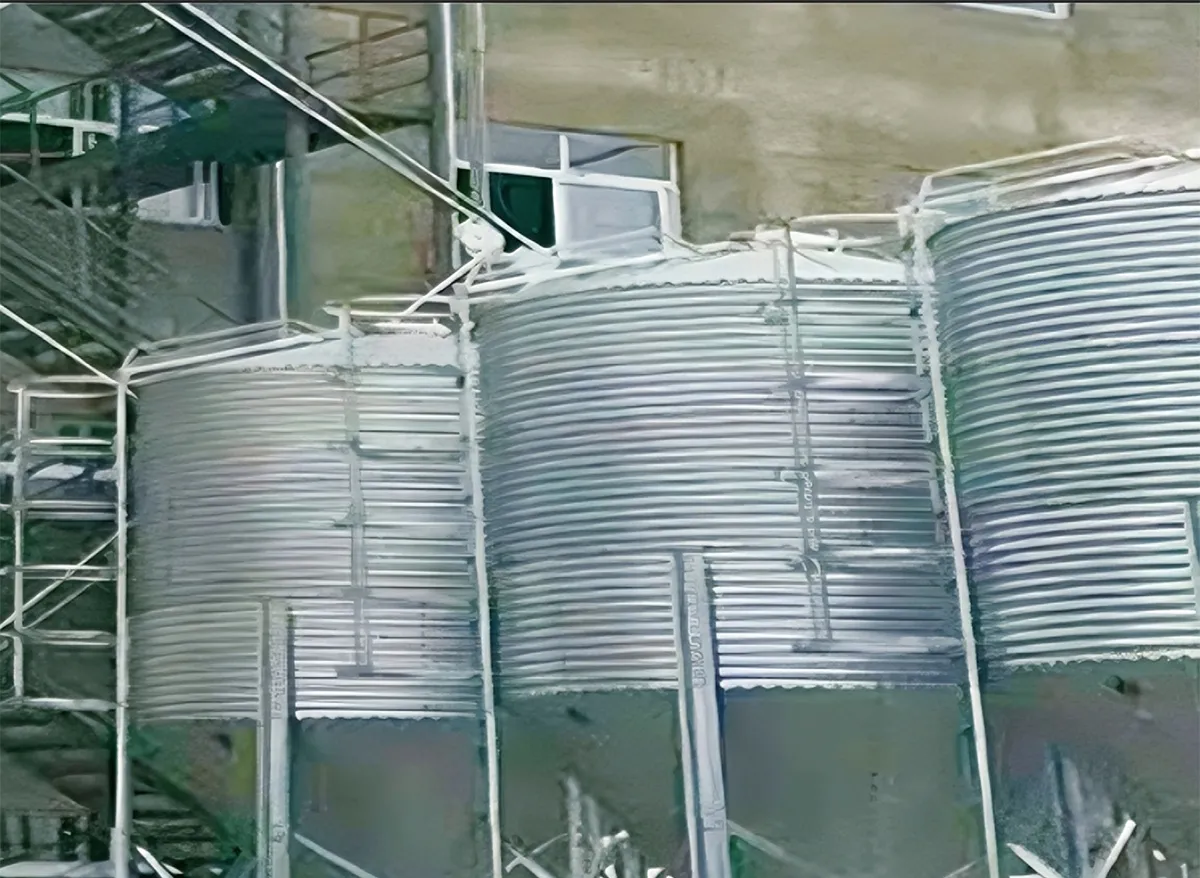
ফিড সাইলো সিস্টেম
ধাতব সাইলোগুলো আধুনিক কৃষি ও শিল্প সংরক্ষণে ব্যাপকভাবে ব্যবহৃত হয় কারণ এগুলো মজবুত, মডুলার এবং অনেক ধরনের বাল্ক উপকরণ সংরক্ষণের জন্য উপযোগী। সংরক্ষিত পণ্য ও পরিবেশের ওপর নির্ভর করে এগুলো গ্যালভানাইজড স্টীল, কার্বন স্টীল বা স্টেইনলেস স্টীল দিয়ে তৈরি হতে পারে।.
শঙ্কু-তলাযুক্ত ধাতব সাইলোর তল শঙ্কু আকৃতির। এই তল নকশা উপাদানকে নিচের দিকে প্রবাহিত করে আউটলেটের দিকে নিয়ে যেতে সাহায্য করে। এটি তখন কার্যকর হয় যখন খামারকে অগার, কনভেয়র বা স্বয়ংক্রিয় খাওয়ানোর লাইনে নিয়ন্ত্রিতভাবে উপাদান নিষ্কাশন করতে হয়।.
পোল্ট্রি ও খরগোশের প্রকল্পে শঙ্কু-তলাযুক্ত ফিড সাইলোগুলো অত্যন্ত ব্যবহারিক। এগুলো স্বয়ংক্রিয় ফিড সরবরাহ ব্যবস্থার সাথে সংযুক্ত করা যায়, যা শ্রম খরচ কমিয়ে খাওয়ানোর দক্ষতা উন্নত করতে সাহায্য করে।.
ধাতব সাইলোর সাধারণ ব্যবহার
| প্রয়োগ | সংগৃহীত উপাদান | সাধারণ সুবিধা |
|---|---|---|
| পোল্ট্রি খামার | খাদ্য/খাবার | স্বয়ংক্রিয় খাওয়ানো সমর্থন করে |
| শশক খামার | পেললেট ফিড | ম্যানুয়াল হ্যান্ডলিং কমায় |
| শস্য সংরক্ষণ | শুকনো শস্য | গোছানো বাল্ক স্টোরেজ |
| খাদ্য মিল | কাঁচামাল বা প্রস্তুতকৃত পশুখাদ্য | উৎপাদন প্রবাহ উন্নত করে |
| সিমেন্ট কারখানা | সিমেন্টের গুঁড়ো | বাল্ক উপকরণ নিষ্কাশন সমর্থন করে |
| শিল্প কারখানা | গোলক, গুঁড়ো, দানা | স্থিতিশীল সংরক্ষণ এবং খাওয়ানো |
একটি কাস্টম ধাতব সাইলোকে ধারণক্ষমতা, ব্যাস, উচ্চতা, পায়ের কাঠামো, নীচের কোণ, আউটলেটের আকার, সিঁড়ি, প্ল্যাটফর্ম, লেভেল সেন্সর এবং ফিডিং সিস্টেম সংযোগ অনুযায়ী ডিজাইন করা যেতে পারে।.
সিমেন্ট সাইলো হল সিমেন্টের গুঁড়ো এবং অনুরূপ শুকনো বাল্ক উপকরণ সংরক্ষণের জন্য ব্যবহৃত স্টোরেজ সাইলো। এগুলো কংক্রিট ব্যাচিং প্ল্যান্ট, নির্মাণ প্রকল্প এবং শিল্প উপকরণ হ্যান্ডলিং সিস্টেমে সাধারণভাবে ব্যবহৃত হয়। সাইলিজ সাইলোর বিপরীতে, সিমেন্ট সাইলো শুকনো গুঁড়ো সংরক্ষণ এবং নিয়ন্ত্রিত নিষ্কাশনের জন্য ডিজাইন করা হয়েছে।.
যখন কোনো স্ট্যান্ডার্ড সাইলো প্রকল্পের সঙ্গে খাপ খায় না, তখন একটি কাস্টম ধাতব সাইলো ব্যবহার করা যেতে পারে। উদাহরণস্বরূপ, নির্মাণ সীমাবদ্ধতার কারণে একটি খামারকে বিশেষ উচ্চতার একটি সাইলো প্রয়োজন হতে পারে। একটি ফিড মিলকে একাধিক আউটলেট পয়েন্টের প্রয়োজন হতে পারে। একটি পোল্ট্রি খামারকে বিভিন্ন শেড বা ফিড ফর্মুলার জন্য পৃথক ফিড লাইনে সংযুক্ত একাধিক সাইলো প্রয়োজন হতে পারে।.
কাস্টম সাইলো ডিজাইনে অন্তর্ভুক্ত থাকতে পারে:
B2B প্রকল্পগুলির জন্য, সাইলো কাস্টমাইজেশন পুরো ফার্মের বিন্যাসের সাথে একত্রে পরিকল্পনা করা উচিত। একটি সাইলো দেখতে সাধারণ মনে হতে পারে, তবে ভুল উচ্চতা, আউটলেট বা ডিসচার্জ পদ্ধতি দৈনন্দিন পরিচালনায় সমস্যা সৃষ্টি করতে পারে।.
সঠিক ধরনের সাইলো নির্বাচন শুরু হয় আপনি যে উপাদান সংরক্ষণ করতে চান তা দিয়ে। ভেজা সাইলিজ, শুকনো শস্য, গুঁড়ো, পেললেট ফিড এবং যৌগিক ফিড একইভাবে আচরণ করে না। আর্দ্রতার মাত্রা, প্রবাহযোগ্যতা, ঘনত্ব, সংরক্ষণ সময় এবং আনলোডিং পদ্ধতি—সবই গুরুত্বপূর্ণ।.
দ্বিতীয় প্রশ্ন হল ধারণক্ষমতা। একটি বড় খামারের জন্য স্থিতিশীল ফিড সরবরাহের জন্য পর্যাপ্ত স্টোরেজ প্রয়োজন, তবে অতিরিক্ত স্টোরেজ বিনিয়োগ বাড়িয়ে দিতে পারে এবং উপকরণ বার্ধক্যের ঝুঁকি বাড়িয়ে দিতে পারে। তৃতীয় প্রশ্ন হল হ্যান্ডলিং। উপকরণটি লোডার, অগার, কনভেয়র, নাকি স্বয়ংক্রিয় ফিড লাইন দ্বারা আনলোড করা হবে?
| প্রশ্ন | কেন এটি গুরুত্বপূর্ণ |
|---|---|
| কোন উপাদান সংরক্ষণ করা হবে? | সাইলেজ, শস্য, খাদ্য, সিমেন্ট, গুঁড়ো বা পেলেটগুলির জন্য ভিন্ন নকশার প্রয়োজন। |
| উপাদানটি ভেজা না শুকনো? | সিলিং, ক্ষয় এবং প্রবাহকে প্রভাবিত করে |
| কতটা ক্ষমতা প্রয়োজন? | সিলো আকার এবং সংখ্যা নির্ধারণ করে |
| এটি কীভাবে আনলোড হবে? | লোডার, অগার, কনভেয়র বা ফিডিং লাইন |
| এয়ারটাইট সংরক্ষণ কি প্রয়োজন? | সাইলিজ ফারমেন্টেশনের জন্য গুরুত্বপূর্ণ |
| প্রকল্পটি অস্থায়ী নাকি স্থায়ী? | ব্যাগ সাইলো বা স্থায়ী সাইলো নির্বাচন করতে সাহায্য করে |
| খামারের বিন্যাস কী? | অবস্থান এবং ফিডিং সিস্টেম সংযোগকে প্রভাবিত করে |
| জলবায়ু কেমন? | ক্ষয় প্রতিরোধ ও আবরণকে প্রভাবিত করে |
| ওজন করা কি প্রয়োজন? | লোড সেল প্রয়োজন হতে পারে। |
| ভবিষ্যতে সম্প্রসারণের পরিকল্পনা আছে কি? | সিলো বিন্যাসটি পরবর্তীতে আরও ইউনিট যোগ করার সুযোগ দেবে। |
সর্বোত্তম পছন্দ সবসময় সবচেয়ে বড় সিলো নয়। সর্বোত্তম সিলো হলো সেইটি যা উপাদান, কার্যপ্রণালী, সরঞ্জাম এবং খামারের বৃদ্ধির পরিকল্পনার সঙ্গে খাপ খায়।.
আধুনিক পোল্ট্রি এবং শশকের খামার খাদ্য সংরক্ষণের জন্য নির্ভরযোগ্য ব্যবস্থা প্রয়োজন, কারণ খাদ্যই অন্যতম বৃহত্তম পরিচালন ব্যয়। খারাপ সংরক্ষণ অপচয়, আর্দ্রতা, দূষণ, অসম খাওয়ানো এবং অতিরিক্ত শ্রমের কারণ হতে পারে।.
একটি সমন্বিত খামারে, সাইলো সরাসরি খাওয়ানোর ব্যবস্থার সাথে সংযুক্ত থাকে। খামার থেকে অগার বা কনভেয়রের মাধ্যমে পোল্ট্রি ঘর বা খরগোশের ঘরে খাবার স্থানান্তর করা যায়। এতে ম্যানুয়াল হ্যান্ডলিং কমে এবং আরও নিয়মিত খাওয়ানো নিশ্চিত হয়।.
টার্নকি পোল্ট্রি ও খরগোশ পালন ব্যবস্থার পেশাদার প্রস্তুতকারক ও ইঞ্জিনিয়ারিং সরবরাহকারী হিসেবে, আমরা ইস্পাত-কাঠামোর ঘর, খাঁচা, খাদ্য সরবরাহ, পানীয়, জলবায়ু নিয়ন্ত্রণ এবং গোবর প্রক্রিয়াকরণ যন্ত্রপাতি. ফিড সিলোগুলি প্রায়ই এই সম্পূর্ণ সিস্টেমের অংশ।.
প্রকাশনার জন্য প্রস্তাবিত অভ্যন্তরীণ লিঙ্কসমূহ:
এই লিঙ্কগুলো পাঠকদের সিলো নির্বাচন থেকে সম্পূর্ণ আধুনিক কৃষি ব্যবস্থা পরিকল্পনায় যেতে সাহায্য করে।.
একটি ফিড সাইলো একটির সাথে সংযুক্ত থাকলে সর্বোত্তমভাবে কাজ করে। স্বয়ংক্রিয় খাদ্য সরবরাহ ব্যবস্থা. পোল্ট্রি ও খরগোশ পালনে এর মধ্যে ফিড সাইলো, ফিড অগার, ফিড লাইন, ফিড প্যান, ট্রফ, কন্ট্রোল বক্স, মোটর, সেন্সর এবং হাউস-লেভেল বিতরণ ব্যবস্থা অন্তর্ভুক্ত থাকতে পারে।.
সিলোটি বাড়ির বাইরে বাল্ক ফিড সংরক্ষণ করে। অগার বা কনভেয়র ফিড বাড়ির ভিতরে স্থানান্তর করে। সেন্সরগুলো ফিডের সরবরাহ নিয়ন্ত্রণে সাহায্য করে। এতে শ্রমের খরচ কমে এবং ফিড সরবরাহ স্থিতিশীল থাকে।.
| ধাপ | সরঞ্জাম | কার্য |
|---|---|---|
| খাবার সরবরাহ | খাদ্য ট্রাক | লোডগুলো সাইলোতে প্রবাহিত হয়। |
| সংগ্রহ | ধাতব ফিড সাইলো | স্টোরগুলো শুকনো খাবার নিরাপদে সংরক্ষণ করে |
| স্থানান্তর | অগার বা কনভেয়র | ফিডকে হাউসে নিয়ে যায় |
| বিতরণ | খাদ্য সরবরাহ লাইন | পাখি বা খরগোশকে খাবার সরবরাহ করে |
| নিয়ন্ত্রণ | সেন্সর এবং নিয়ন্ত্রণ বাক্স | খাদ্য চলাচল পরিচালনায় সাহায্য করে |
| ব্যবস্থাপনা | খামার পরিচালনাকারী | খাদ্য স্তর এবং সিস্টেমের কার্যকারিতা পরীক্ষা করে |
বড় খামারের জন্য সাইলো বিন্যাসে ট্রাক চলাচল, ফিড হাউসের দূরত্ব, রক্ষণাবেক্ষণের স্থান, বৃষ্টির সুরক্ষা এবং ভবিষ্যৎ সম্প্রসারণ বিবেচনা করা উচিত।.
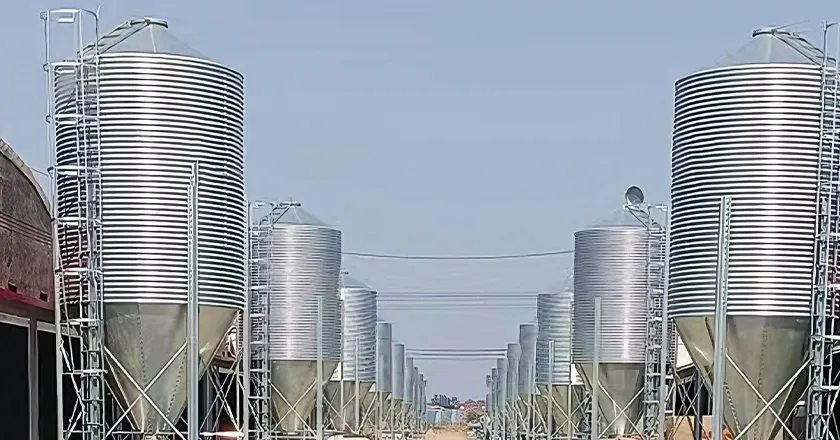
ফিড সাইলো সিস্টেম
একটি সাধারণ ভুল হল ফিড টার্নওভার যাচাই না করে ধারণক্ষমতা বেছে নেওয়া। যদি ফিড দীর্ঘ সময় ধরে থাকে, গুণমান হ্রাস পেতে পারে। একটি সাইলো মসৃণ সরবরাহ নিশ্চিত করতে হবে, দীর্ঘমেয়াদী অনিয়ন্ত্রিত সংরক্ষণের জন্য নয়।.
আরেকটি ভুল হল নিষ্কাশন নকশা উপেক্ষা করা। সমতল তল বা অপর্যাপ্ত কোণে ঢালানো তল কিছু উপাদান মসৃণভাবে নিষ্কাশন করতে নাও পারে। পেলেট ফিড এবং যৌগিক ফিড জন্য শঙ্কু-তলযুক্ত সাইলো প্রায়ই বেশি ব্যবহারিক।.
তৃতীয় ভুল হল পুরো সিস্টেম বিবেচনা না করে সিলো কেনা। সিলো, অগার, কনভেয়র, ফিডিং লাইন, হাউস লেআউট এবং নিয়ন্ত্রণ ব্যবস্থা মিলতে হবে। যদি আউটলেট ফিডিং লাইনের সাথে না মেলে, ইনস্টলেশন কঠিন হয়ে যায়।.
এড়িয়ে চলার ভুলগুলি
সাইলোটি খামারের দৈনন্দিন কার্যক্রমের একটি অংশ। ভাল পরিকল্পনা প্রতিদিন শ্রম বাঁচায়।.
সাইলোর তিনটি প্রধান ধরন কী কী?
সাইলোর তিনটি প্রধান ধরন হল টাওয়ার সাইলো, বঙ্কার সাইলো এবং ব্যাগ সাইলো। টাওয়ার সাইলোগুলো উলম্ব নলাকার কাঠামো, বঙ্কার সাইলোগুলো খন্দক বা প্রাচীর-সমর্থিত সংরক্ষণ ব্যবস্থা, এবং ব্যাগ সাইলোগুলো দীর্ঘ ভারী প্লাস্টিকের সংরক্ষণ নল।.
টাওয়ার সাইলো কী কাজে ব্যবহৃত হয়?
টাওয়ার সাইলো সাইलेज, শস্য বা অন্যান্য বাল্ক উপকরণ উলম্বভাবে সংরক্ষণের জন্য ব্যবহৃত হয়। যেখানে খামারগুলোতে compacte উলম্ব সংরক্ষণ এবং যান্ত্রিক আনলোডিংয়ের প্রয়োজন হয়, সেখানে এটি সাধারণভাবে ব্যবহৃত হয়।.
বাঙ্কার সাইলো কী?
বাঙ্কার সাইলো হল মাটির সমতলে নির্মিত একটি সাইলো, যা প্রায়ই খনন বা কংক্রিটের দেয়াল দিয়ে তৈরি করা হয়। এটি ট্র্যাক্টর ও লোডার দিয়ে ভর্তি ও চেপে ভরা হয়, তারপর সাইলিজ ফারমেন্টেশনের জন্য ঢেকে রাখা হয়।.
ব্যাগ সাইলো কী?
ব্যাগ সাইলো হল নমনীয়ভাবে সাইलेज, শস্য বা অন্যান্য কৃষি সামগ্রী সংরক্ষণের জন্য ব্যবহৃত দীর্ঘ, ভারী প্লাস্টিকের নল। এগুলো অস্থায়ী সংরক্ষণ, মৌসুমি ফসল সংগ্রহ বা অতিরিক্ত ধারণক্ষমতা বৃদ্ধির জন্য উপযোগী।.
শস্যের বিন এবং সাইলো কি একই?
ঠিক তা নয়। শস্যের বিন সাধারণত শুকনো শস্য সংরক্ষণ করে, আর সাইলো ঐতিহ্যগতভাবে সাইলেজ সংরক্ষণ করে। তবে অনেকেই বিশেষ করে উঁচু কৃষি সংরক্ষণ কাঠামোর ক্ষেত্রে এই শব্দগুলো ঢিলেঢালাভাবে ব্যবহার করেন।.
মেটাল সাইলোগুলো কী কাজে ব্যবহৃত হয়?
ধাতব সাইলো শস্য, পশুখাদ্য, গুঁড়ো, সিমেন্ট, পেলেট এবং অন্যান্য বাল্ক উপকরণ সংরক্ষণের জন্য ব্যবহৃত হয়। পোল্ট্রি ও খরগোশের খামারে ধাতব ফিড সাইলো প্রায়ই স্বয়ংক্রিয় খাওয়ানোর ব্যবস্থার সাথে সংযুক্ত থাকে।.
শঙ্কু-তলাযুক্ত ধাতব সাইলো কী?
শঙ্কু-তলাযুক্ত ধাতব সাইলোর একটি শঙ্কু-আকৃতির তল রয়েছে, যা আউটলেটের দিকে ফিডিং বা বাল্ক উপকরণ প্রবাহকে সাহায্য করে। এটি স্বয়ংক্রিয় ফিডিং, অগার ডিসচার্জ এবং নিয়ন্ত্রিত আনলোডিংয়ের জন্য উপযোগী।.
সাইলো হল একটি কাঠামো যা সাইলিজ, শস্য, পশুখাদ্য, সিমেন্ট বা গুঁড়ো মতো বাল্ক উপকরণ সংরক্ষণের জন্য ব্যবহৃত হয়।.
সাইলোর তিনটি প্রধান ধরন হল টাওয়ার সাইলো, বাঙ্কার সাইলো এবং ব্যাগ সাইলো।.
টাওয়ার সাইলো একটি উলম্ব নলাকার কাঠামো, যা প্রায়শই সাইलेज, শস্য বা বাল্ক সংরক্ষণের জন্য ব্যবহৃত হয়।.
বंकर সিলো হল মাটির সমতলে খনন করা একটি খন্দক বা কংক্রিটের দেয়ালযুক্ত সংরক্ষণ ব্যবস্থা, যা ট্র্যাক্টর ও লোডার দিয়ে পরিপূর্ণ।.
ব্যাগ সাইলো ভারী প্লাস্টিকের নল ব্যবহার করে এবং নমনীয়, অস্থায়ী বা মৌসুমি সংরক্ষণের জন্য উপযোগী।.
শস্যের বিনগুলো সাধারণত শুকনো শস্য সংরক্ষণ করে, আর সাইলোগুলো ঐতিহ্যগতভাবে সাইलेज সংরক্ষণ করে।.
ধাতব সাইলো এবং শঙ্কু-তলাযুক্ত ফিড সাইলো পোল্ট্রি ও খরগোশের খামারের জন্য ব্যবহারিক।.
একটি ভালো খামার সিলোকে উপকরণ প্রকার, ধারণক্ষমতা, আনলোডিং পদ্ধতি, জলবায়ু, বিন্যাস এবং ভবিষ্যৎ সম্প্রসারণের সাথে সামঞ্জস্যপূর্ণ হতে হবে।.
আধুনিক পোল্ট্রি ও খরগোশের খামারের জন্য সাইলোগুলো স্বয়ংক্রিয় খাওয়ানো, পানীয় সরবরাহ, জলবায়ু নিয়ন্ত্রণ, আবাসন এবং গোবর প্রক্রিয়াকরণ ব্যবস্থার সঙ্গে সমন্বয়ে পরিকল্পনা করা উচিত।.
একজন নির্ভরযোগ্য ইঞ্জিনিয়ারিং সরবরাহকারী সম্পূর্ণ টার্নকি কৃষি সমাধানের অংশ হিসেবে সাইলো স্টোরেজ ডিজাইনে সহায়তা করতে পারে।.
Sourcing poultry equipment from a Chinese manufacturer means controlling four variables di…
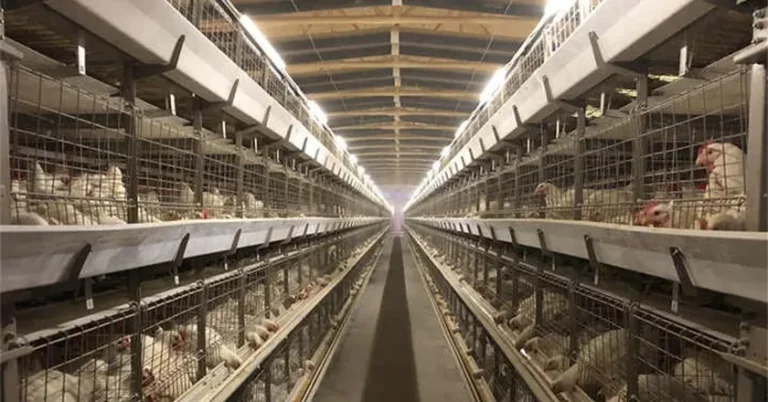
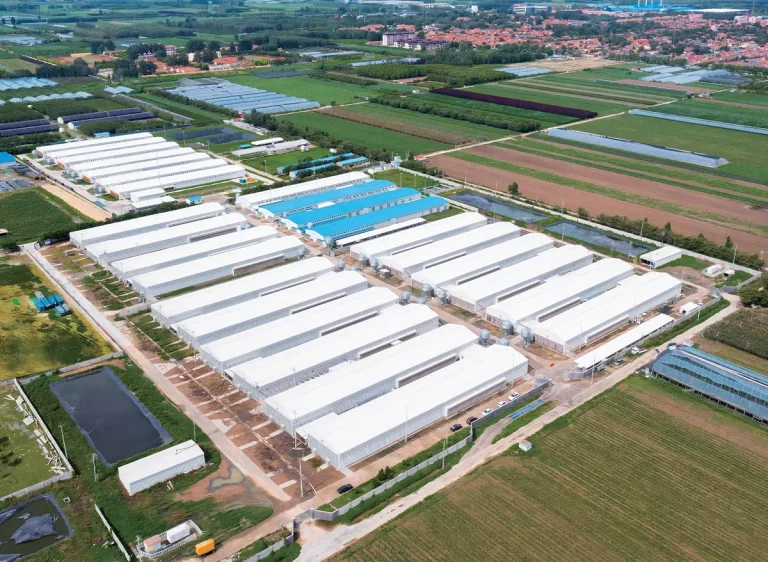
A steel structure poultry house is a prefabricated steel building designed for layer, broi…
আমরা ২৪ ঘণ্টার মধ্যে আপনার অনুসন্ধানে উত্তর দেব। জরুরি অনুসন্ধানের জন্য অনুগ্রহ করে WhatsApp-এ +86 133 6144 9578 নম্বরে যোগাযোগ করুন অথবা সরাসরি কল করুন।.
*আমরা আপনার গোপনীয়তাকে সম্মান করি। জমা দেওয়া সমস্ত তথ্য সম্পূর্ণরূপে গোপনীয়।.
আপনার বিবরণ শুধুমাত্র আপনার অনুসন্ধানে উত্তর দেওয়ার জন্য ব্যবহার করা হবে। আমরা কখনোই অনাকাঙ্ক্ষিত ইমেইল বা প্রচারমূলক বার্তা পাঠাই না।.