











Sourcing Poultry Equipment Manufacturers in China: Buyer Guide
Sourcing poultry equipment from a Chinese manufacturer means controlling four variables di…

আমাদের সর্বশেষ খবর দেখুন,
 11:48
11:48 Many first-time chicken keepers buy birds before they understand the tools needed to feed them well. That often leads to wasted feed, dirty water, stressed birds, and lower egg output. The good news is simple: the right equipment fixes these problems fast.
To feed chickens well, you need the right chicken feeder, clean water equipment, safe feed storage, proper feeders and waterers for each age group, and a few extra tools like grit, a first aid kit, and easy-to-clean supplies. Good equipment helps protect bird health, reduce feed costs, and support better flock performance.

Why the right chicken feeding equipment matters
What basic equipment do you need to feed chickens every day?
Which chicken feeder is best for your flock?
What water equipment and drinker options should you choose?
How much chicken feed do hens and chicks need?
Why are grit, troughs, and feed storage so important?
What extra feeding supplies make chicken care easier?
How do feeding needs change for chicks, laying hens, and free-range chickens?
What common feeding mistakes raise feed bill and hurt productivity?
How do modern poultry systems improve health and productivity?
If you want healthy birds, fresh eggs, and less mess in the coop, feeding equipment matters more than many people think. A poor feeder setup leads to spilled chicken feed, wet bedding, and more waste. Dirty water can also spread disease across the flock. Even a strong breed will struggle when its food and water system is weak.
This is true for both backyard chickens and large modern poultry farms. A small keeper with several chickens may use simple tools, while a commercial farm uses advanced feeding lines. But the goal is the same: give birds steady access to clean food and water in a safe, efficient way.
From our experience as a professional manufacturer and engineering supplier of turnkey poultry and rabbit farming systems, we have seen one thing again and again: better feeding systems improve health and productivity. Whether a customer is building a steel-structure house for broilers or a cage system for layers, feeding always sits at the center of farm results.
At the most basic level, you need a chicken feeder, a chicken waterer, proper feed storage, and the right type of chicken feed for your birds’ age and purpose. If you are raising chicks, add a chick feeder and smaller poultry drinkers designed for young birds.
Here is a simple equipment checklist:
| সরঞ্জাম | মূল উদ্দেশ্য | সেরা জন্য |
|---|---|---|
| Chicken feeder | Holds feed cleanly and reduces waste | All chickens |
| Chicken waterer | Provides clean water all day | All chickens |
| Chick feeder | Helps young birds access feed safely | Young chick groups |
| Drinker | Keeps water easy to reach | Small flocks or pens |
| Feed storage bin | Protects feed from moisture and rodent damage | All farms |
| Grit tray | Supports digestion | Birds with grains or forage |
| Trough | Useful for group feeding | Medium or large flocks |
| First aid kit | Handles minor health issues | Every farm |
| Nesting pads | Supports clean laying spaces | স্তরসমূহ |
| Chicken toys | Helps reduce boredom and stress | Confined birds |
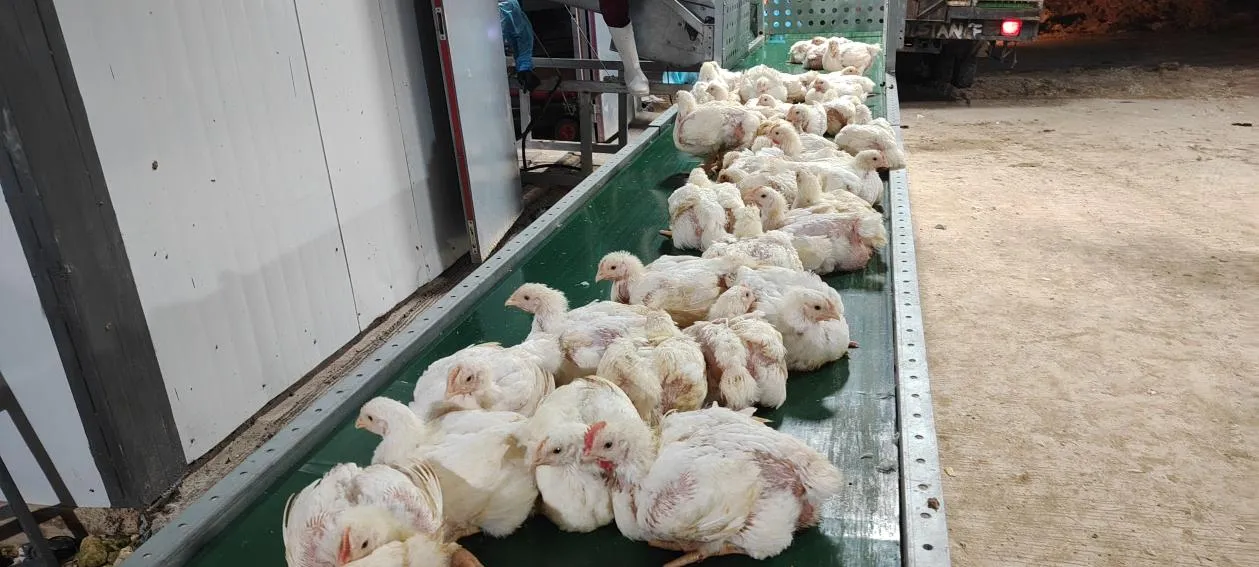
For small farms, these tools can be simple and low-cost. For bigger operations, especially in the commercial poultry sector, স্বয়ংক্রিয় খাওয়ানো and watering systems save labor and keep management more consistent. That is why many investors and integrated farming companies now prefer complete, customizable solutions instead of buying random chicken supplies one by one.
The best chicken feeder depends on flock size, bird age, housing style, and your labor plan. A hanging feeder works well in a small chicken coop, while a long trough may fit a larger group. An automatic chicken feeding system is often the smart choice when farms want better control and lower labor demand.
There are many feeders available, but a few main types are most common:
Hanging feeder: good for reducing waste and keeping feed off the floor
Trough feeder: useful when feeding several chickens at once
Tube feeder: compact and common in backyard systems
Pan feeder: widely used in modern broiler houses
Automatic line feeder: ideal for medium and large poultry projects
A good feeder and waterer setup must be stable, easy to refill, and easy to clean. If the design tips over or allows birds to scratch feed out, your feed bill goes up quickly. Birds love to peck, so equipment should be durable enough to handle daily use.
We often advise customers to choose systems based on long-term farm scale, not just current bird numbers. A growing layer farm, for example, may begin with manual units but soon need automatic feed distribution to manage feed costs, labor, and consistency.
Clean water is just as important as feed. In fact, if water access is poor, birds may stop eating properly. Good water equipment helps ensure your chickens stay active, hydrated, and productive.
For small-scale keepers, a basic drinker or chicken waterer may be enough. For larger farms, nipple lines or automatic bowls are better because they keep water cleaner. This is especially important in warm weather or in houses exposed to direct sunlight, where water can heat up fast and grow bacteria.
এখানে একটি সংক্ষিপ্ত তুলনা:
| Water Option | সুবিধাগুলি | Possible Drawbacks |
|---|---|---|
| Manual drinker | Low cost, simple | Needs frequent cleaning |
| Bell drinker | Good for groups | Can spill if poorly adjusted |
| Nipple line | Cleaner, saves labor | Higher starting cost |
| Cup system | Less waste, neat | Requires maintenance |
| Poultry drinkers for chicks | Safe and shallow | Must be resized as birds grow |
Some keepers add a little apple cider vinegar to water from time to time, but clean water matters more than home tricks. If birds look weak or chickens aren’t eating, always check water first. Often the problem is not the feed at all. It is blocked water access, dirty lines, or poor placement of the drinker.
Feed amount depends on age, breed, climate, and purpose. Adult layers often need around 100-120 grams of feed per bird per day. Fast-growing broilers may need a different program. A young chick also needs a completely different ration from a mature hen.
A simple guide looks like this:
| পাখির ধরন | Recommended Feed Type | নোটসমূহ |
|---|---|---|
| Day-old to young chick | Starter feed | Fine texture, high nutrition |
| Growing birds | Grower ration | Supports body development |
| ডিম পাড়া মুরগি | Layer feed | Supports shell quality and laying |
| Meat birds | Broiler ration | Higher energy for growth |
A balanced diet matters. Birds need protein, minerals, and energy in the right mix. Chicks need feed that is easy to eat and digest. Hens need strong mineral support to produce eggs. If you give your chickens the wrong ration, performance drops fast.
It also helps to know that chickens eat more consistently when feeders are placed correctly and competition is low. In crowded pens, the pecking order can stop weaker birds from eating enough. So the right equipment is not only about storage. It is also about equal access.
Many new keepers focus only on feeders and forget support tools. But grit, feed storage, and the right feeder placement are critical. Birds use grit to grind food in the gizzard, especially when they eat grains, plants, or kitchen scraps. Without it, chickens can’t process some foods well.
Good feed storage protects valuable feed from moisture, mold, and pest pressure. Open bags attract insects, vermin, and contamination. That is why we strongly recommend sealed, rodent-proof bins for both backyard and commercial users.
A few smart storage rules:
Keep bags of feed off the floor
Store feed in a dry, cool place
Use sealed containers to reduce pest damage
Rotate feed so older stock is used first
Buy from a trusted feed store or local feed store
If you are keeping chickens for eggs or meat, wasted feed is lost money. In larger operations, this small detail becomes a major cost point. Feed handling, storage design, and line layout are a big part of any modern poultry project we engineer.
Beyond the basics, several extra feeding supplies can make daily work easier and cleaner. These are not always expensive, but they save time and reduce stress for both birds and keepers.
Useful extras include:
First aid kit for minor issues or emergencies
Nesting pads to keep egg areas clean
A proper perch and roost for resting birds
Scoops and bins for feed handling
Floor mats or trays under feeders
Chicken toys to reduce boredom in indoor systems
These tools matter more than many people realize. Chickens like stable routines, clean spaces, and enrichment. Birds under stress may fight more, waste more feed, and show lower performance. Even in small systems, simple enrichment helps. Know that chickens are active, curious animals. They do better when housing and feeding systems match natural behavior.
For farms that raise chickens at scale, customized layout also matters. We often design integrated systems where feed delivery, manure handling, drinking, and climate control work together. This makes the whole building easier to run and supports cleaner daily management.
A young chick needs warmth, soft feed, shallow water, and easy access. That is why a chick feeder and low drinker design are so important during the first stage. A weak start often leads to uneven growth later.
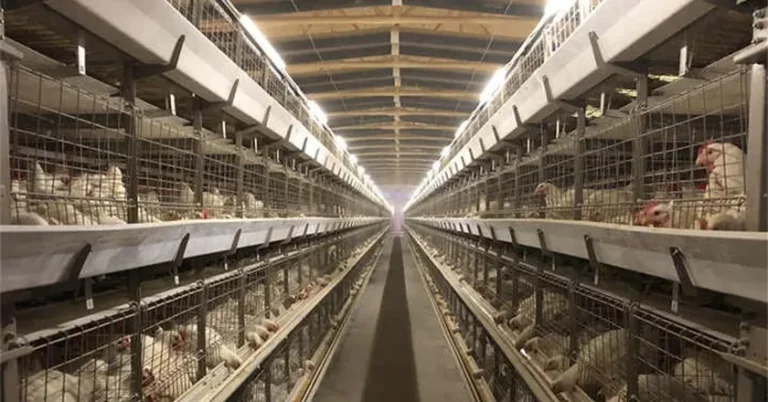
ডিম পাড়া মুরগি need stable nutrient intake, especially calcium and energy. A well-designed feeder system helps each hen eat enough without too much waste. For layer projects, we often recommend durable distribution systems that maintain feed flow evenly across cages or housing rows.
Free-range chickens also need a different approach. They may find insects and plants outside, but they still need complete feed and clean water. People sometimes think outdoor birds can live only on foraging. That is not true. Ensure your chickens still receive a full ration, or egg output and body condition may drop.
এখানে একটি সংক্ষিপ্ত তুলনা:
| Bird Group | Key Feeding Need | Equipment Priority |
|---|---|---|
| ছানাগুলো | Warm, fine-texture ration | Chick feeder, small drinker |
| স্তরসমূহ | Stable daily intake | Reliable feeder line, clean water |
| ব্রয়লার মুরগি | Efficient growth | Easy-access feeder system |
| Free-range chickens | Supplemented complete ration | Outdoor-safe feeder and waterer |
This also matters when farms keep other birds like quail. While quail and chickens share some management principles, their equipment size and feed texture can differ, so one setup does not always fit all.
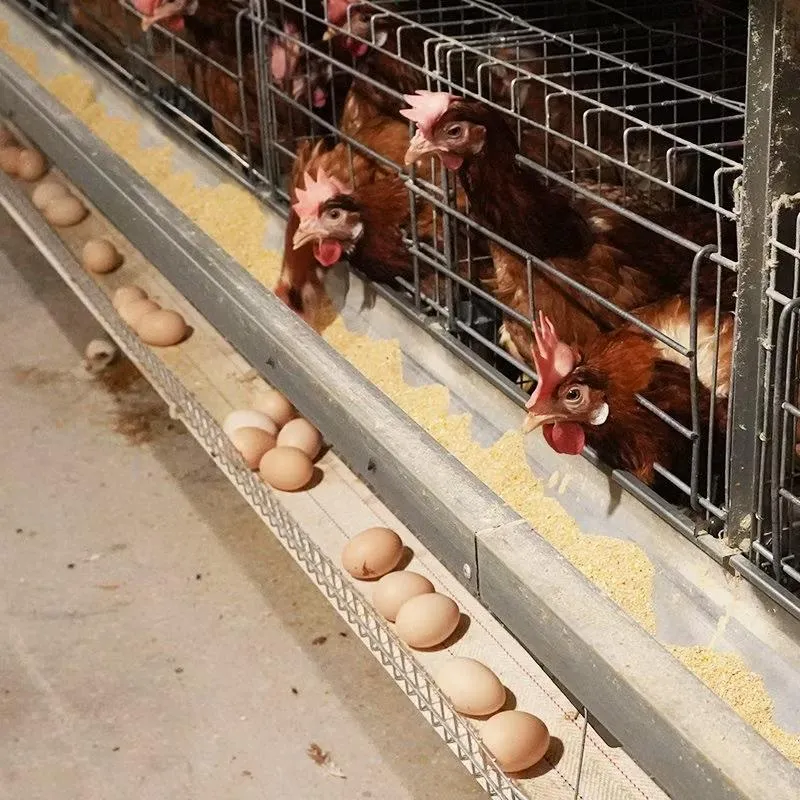
One of the biggest mistakes is underestimating equipment quality. Cheap plastic units crack, tip over, or are hard to clean. Then the birds waste feed, water spills, bedding gets wet, and disease risk rises.
Another mistake is poor feeder number or placement. If there isn’t enough feed access, stronger birds dominate and weaker ones fall behind. When that happens, keepers may say chickens don’t grow evenly or chickens aren’t eating, but the real issue is management layout.
সাধারণ ভুলগুলির মধ্যে রয়েছে:
Too few feeders for the flock
Water placed far from feed
Feed left open to moisture
Dirty chicken feeder and waterer surfaces
Wrong ration for age or production stage
Ignoring bird behavior in the chicken run
The cost adds up quickly. More waste means a bigger feed bill, poorer feed conversion, and less profit. In large projects, even a small design mistake can affect thousands of birds. That is why professional planning matters.
Modern farms are not only buying equipment. They are investing in farm performance. A good system connects house structure, cages, feeding, drinking, climate control, and manure treatment into one practical solution.
As a turnkey supplier, we help large and medium-scale farm owners, agricultural investors, integrated poultry companies, and distributors plan systems that are reliable, customizable, and easier to scale. This includes স্টীল-স্ট্রাকচারের বাড়ি, automated feeding lines, water systems, manure handling, and climate support. When these parts work together, birds stay healthier and labor becomes more efficient.
A simple case example
A customer planning a medium-size layer project first wanted only manual feeders. After review, they shifted to a semi-automatic feed system with improved storage and water lines. The result was lower labor demand, cleaner feed handling, and more consistent laying performance. That kind of improvement is common when design matches real farm goals.
Why customers choose integrated systems
Better labor efficiency
Cleaner feed delivery
Lower waste and lower feed costs
More stable bird growth and egg output
Easier maintenance for long-term expansion
For modern farming, the right answer is rarely “buy one feeder.” The better answer is “build a feeding system that fits the whole farm.”
What is the best feeder for backyard chickens?
For backyard chickens, a hanging or tube chicken feeder is often the best choice. It helps keep feed clean, reduces waste, and is simple to refill. Choose one based on flock size and how often you want to refill it.
Do chickens need grit if they already eat feed?
If birds eat only complete formulated feed, extra grit may not always be necessary. But if they eat grains, plants, or scraps, grit is very helpful for digestion.
How often should I clean a chicken waterer?
A chicken waterer should be checked daily and cleaned regularly to stop algae, dirt, and bacteria buildup. In hot weather, cleaning may be needed more often.
What feed should I use for laying hens?
Use a quality layer feed made for egg-producing birds. It provides the nutrients and minerals that laying hens need for strong shells and steady production.
Why is my feed disappearing so quickly?
The problem may be waste, poor feeder design, rodents, or wet feed. Check if birds are scratching feed out, if containers are sealed, and whether storage is fully rodent-proof.
Can one feeding system work for small and large poultry farms?
The principle is the same, but the equipment scale is different. Small keepers may use manual units, while larger poultry projects often need automated lines and integrated management systems.
The basic tools to feed chickens are a feeder, water system, and safe feed storage.
A good chicken feeder reduces waste, saves money, and keeps feed cleaner.
Clean water matters just as much as feed, so choose reliable water equipment.
Chicks need different tools and rations than adult birds.
Laying hens perform better with steady access to the right diet.
Grit, storage bins, and support tools are small items that make a big difference.
Poor feeding layout can raise feed costs and hurt flock health.
Integrated systems are often the best choice for serious farms that want long-term results.
Reliable, customizable feeding solutions support better bird welfare, better labor use, and stronger farm returns.
Sourcing poultry equipment from a Chinese manufacturer means controlling four variables di…
A steel structure poultry house is a prefabricated steel building designed for layer, broi…
আমরা ২৪ ঘণ্টার মধ্যে আপনার অনুসন্ধানে উত্তর দেব। জরুরি অনুসন্ধানের জন্য অনুগ্রহ করে WhatsApp-এ +86 133 6144 9578 নম্বরে যোগাযোগ করুন অথবা সরাসরি কল করুন।.
*আমরা আপনার গোপনীয়তাকে সম্মান করি। জমা দেওয়া সমস্ত তথ্য সম্পূর্ণরূপে গোপনীয়।.
আপনার বিবরণ শুধুমাত্র আপনার অনুসন্ধানে উত্তর দেওয়ার জন্য ব্যবহার করা হবে। আমরা কখনোই অনাকাঙ্ক্ষিত ইমেইল বা প্রচারমূলক বার্তা পাঠাই না।.